
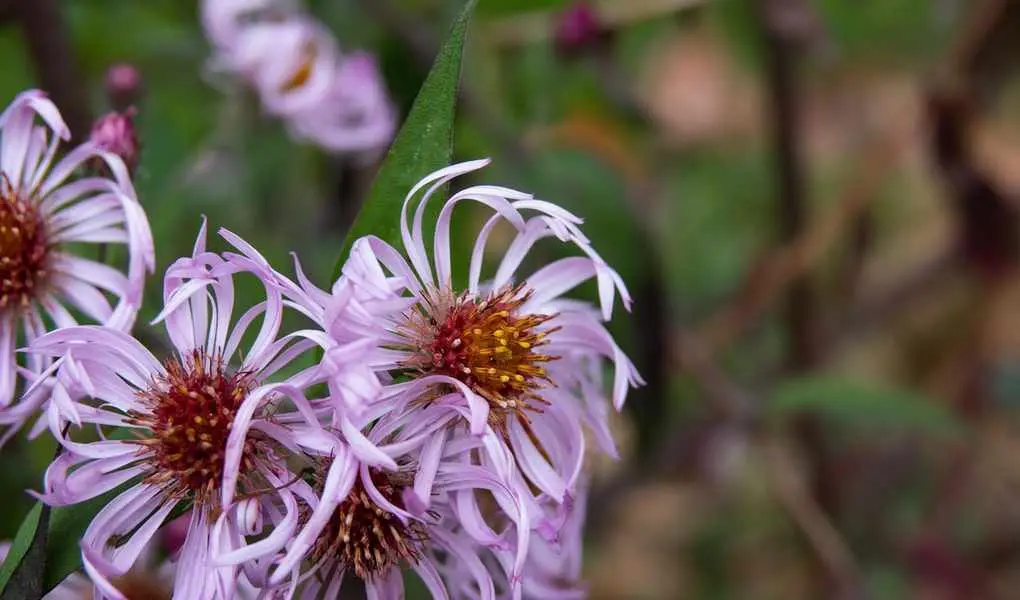
Climbing asters, known scientifically as Ampelaster carolinianus, are perfect for vertical gardening, making them a charming choice for walls, fences, or garden structures. These plants thrive by growing upwards, maximizing limited space, especially in smaller yards.
Esteemed for their late blooms, climbing asters showcase vibrant, daisy-like flowers from summer until fall, often persisting through the first frost. Throughout my gardening career, I've watched them flourish into November or even December during mild weather.
If you're considering one of the finest aster varieties this year, growing climbing asters offers a delightful and adaptable option. Whether you wish to conceal a bare wall or add height to your entrance, we provide all the essential tips for success.
Growing Climbing Asters
While not as widely recognized as clematis or jasmine, climbing asters deserve your attention for their stunning beauty and practicality. With minimal maintenance, these plants bloom reliably year after year. Here's how to cultivate this climbing beauty, with insights from a horticulturist in Florida.
Climbing Aster Growing Habits
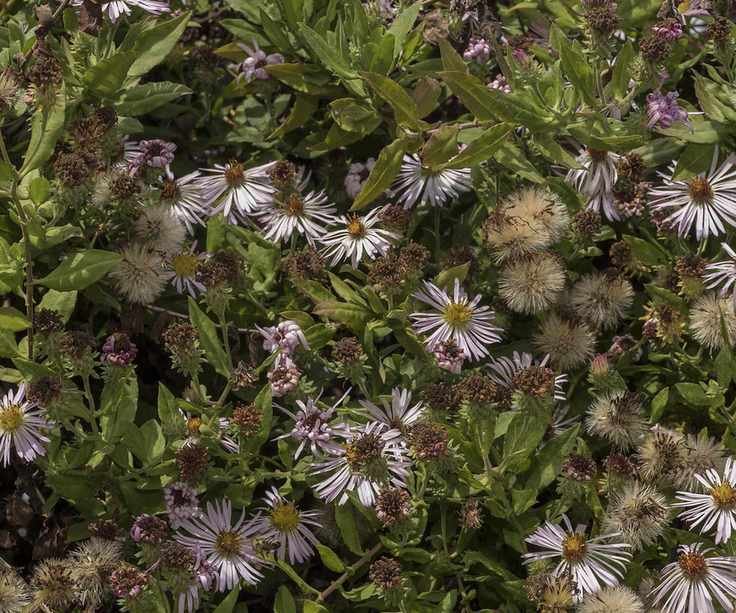
Natively found in the southeastern U.S., climbing asters thrive in regions like Georgia, North and South Carolina, and Florida, ideally suited for USDA hardiness zones 7 to 10.
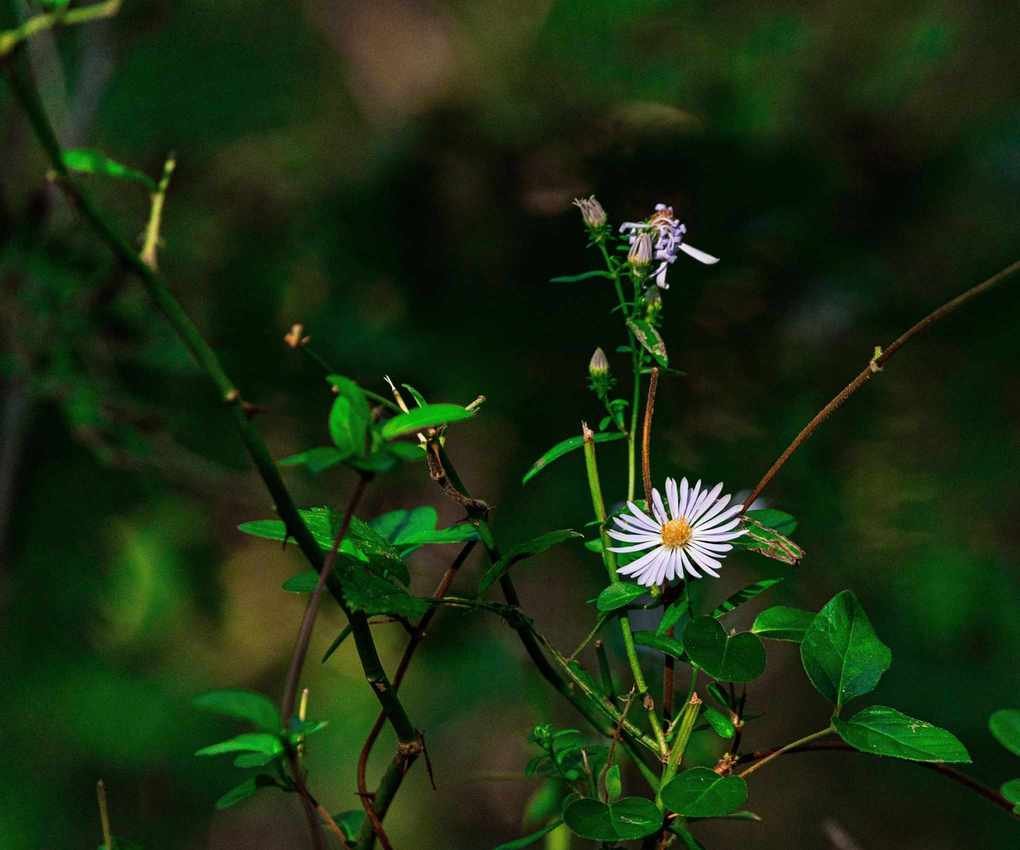
According to a horticultural technician from Central Florida Zoo and Botanical Gardens, 'Climbing asters are a must-have in any coastal garden in Florida or the Southeast.' This deciduous climber is a sprawling herbaceous plant that can reach heights of up to 10 feet. It prefers to cascade over fences, posts, and surrounding plants, and can be trained on trellises for added support.
With numerous lovely light pink and purple blooms, this plant is a magnet for pollinators like native bees and butterflies. Large specimens can produce hundreds of flowers, attracting a variety of beneficial insects.
Growing climbing asters from seeds or cuttings is straightforward, but remember to save some seeds for next season. They disperse naturally in the fall and can be hard to find afterward.
Order climbing aster seeds on Amazon, ideally sown indoors or under cover eight to ten weeks before the last frost.
Climbing Aster Care Guide

Soil: 'In their natural habitat, climbing asters thrive along marshy edges, including cypress swamps, ditches, and wet thickets,' the technician explains. 'As a wetland species, they prefer consistently moist soil and can even tolerate heavy clay and waterlogged conditions.' To maintain soil moisture and enhance soil health, apply a few inches of mulch around your aster twice a year. Pine mulch is an excellent choice and can be found at Walmart.
Light: 'Climbing asters prefer partial sun,' the expert advises, 'with a few hours of full sun being optimal. However, they can tolerate some shade, especially in hotter regions.'
Watering: During the first year, ensure your climbing aster is well-watered to establish its roots. From the second year onward, maintain moist soil. While they can handle seasonal waterlogging, ensure proper drainage to prevent root rot.
Fertilizing: Generally, climbing asters don't need fertilization. These resilient plants usually extract necessary nutrients from the soil. However, a light application of bloom booster fertilizer, available at Walmart, once in spring can encourage more abundant flowering.
Pruning: Remove faded blooms in the fall or winter, but refrain from excessive trimming as it may harm the plant. Prune only in spring to promote healthy growth and ensure blooms develop along the stems, not just at the tips.
Toxicity: Climbing asters are mildly toxic and should not be consumed by humans or pets, as this can cause nausea and stomach discomfort.
Support: Providing support for your climbing aster is essential. Utilize a trellis or framework to guide its growth, and securely attach the vine with twine or ties.
This pine mulch helps improve soil structure, retain moisture, and suppress weeds in garden borders.
Frequently Asked Questions
Can Climbing Asters Thrive in Pots?
Yes, climbing asters can be grown in pots, but ensure the container is sufficiently large to accommodate their growth. This is ideal for small terraces or balconies. Use a pot with good drainage and fill it with nutrient-rich, well-draining potting soil. Keep in mind that climbing asters require support, so incorporating a trellis or similar structure is advisable.
Give climbing asters plenty of room to grow as they can quickly overtake other plants. While this can create an appealing look, it may challenge nearby plants trying to compete with this native vine.
For another stunning vining option, take a look at our guide on growing climbing hydrangeas, perfect for adorning large walls and fences with vibrant blooms this year.



