
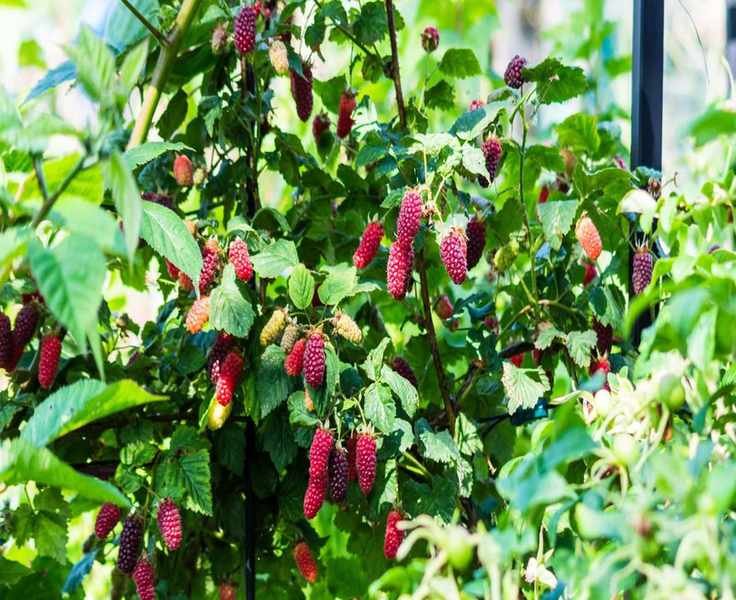
Loganberries are a delightful hybrid of blackberries and raspberries, producing large, dark red berries with a tangy flavor from mid-summer to late summer.
While these fruits aren't typically found in supermarkets, they're incredibly versatile for making jams, jellies, juices, pies, or simply enjoying fresh. For the best harvest, consider cultivating your own loganberries.
Fortunately, loganberries are robust and easy to grow. Having grown various soft fruits, including blackberry hybrids, I can share how straightforward it is to cultivate loganberries at home. Here's everything you need for successful planting and harvesting.

Understanding Loganberries
Loganberries were first created in the 1880s by James Harvey Logan in California while he experimented with new blackberry varieties. They resemble blackberries in growth but produce juicy, dark-red fruits similar to raspberries. These plants are self-fertile, meaning you only need one to yield a bountiful harvest, and they consistently produce abundant crops. Some varieties have thorns, while others are thornless.
Loganberry Planting Guide
Loganberries thrive in both sunny and shaded areas but yield the best harvest when planted in sunny spots with fertile, well-draining soil. Enhancing the soil with organic matter like compost or well-rotted manure before planting boosts its fertility and moisture retention.
You can find loganberry plants at specialty fruit nurseries as bare-root options during dormancy or as container-grown varieties throughout the year. Your choice can influence your planting timeline.
Timing is crucial. Early spring is ideal for planting both bare-root and container-grown loganberries when the soil is moist and temperatures begin to rise. Alternatively, bare-root varieties can also be planted in the fall before frost hits.
While container plants can technically be planted at any time, summer planting requires diligent watering to ensure they establish properly.
When planting, dig a spacious hole and position the loganberry at its original depth, whether from a pot or marked on the stems of bare-root plants. Add mulch around the base and trim the canes down to 12 inches after planting.
Loganberries grow into sprawling plants, needing ample room. Allocate at least eight feet of space and use a garden trellis for support. They can be trained as fans or along wires attached to walls or fences, making for a more efficient use of space compared to letting the canes spread along the ground.
These vertical gardening techniques save space and promote healthier growth.
A thriving, thornless loganberry plant produces large, wine-red berries from July to September, especially in regions like Oregon and Washington.
Loganberry Care Tips
- Watering - Ensure loganberries receive regular watering during their first year for proper establishment. Once established, they are drought-resistant but will produce better yields with consistent deep watering, especially as the fruits ripen. Annual mulching helps retain soil moisture.
- Fertilizing - Mature loganberries don't require extensive fertilization. However, for optimal results, apply a balanced fertilizer in spring as growth resumes and again post-harvest. An example of a good choice is this all-purpose plant food from Burpee.
- Pruning - Loganberries bear fruit on one-year-old wood, simplifying pruning. After harvest, trim all fruited canes to ground level using clean pruning shears and tie the new, green canes to supports. These new canes will bear next year's fruit.
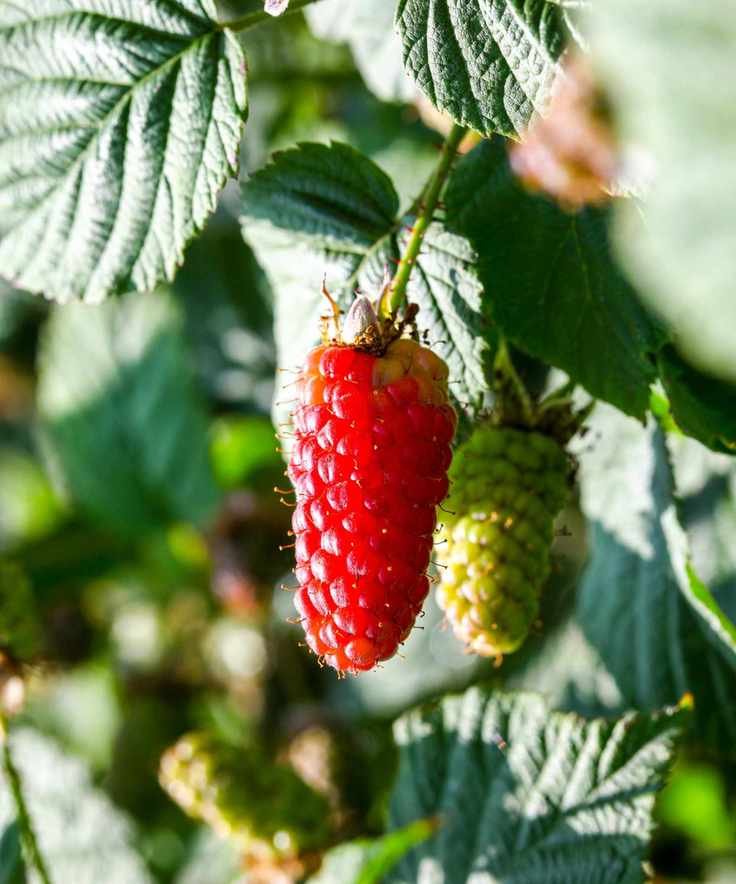
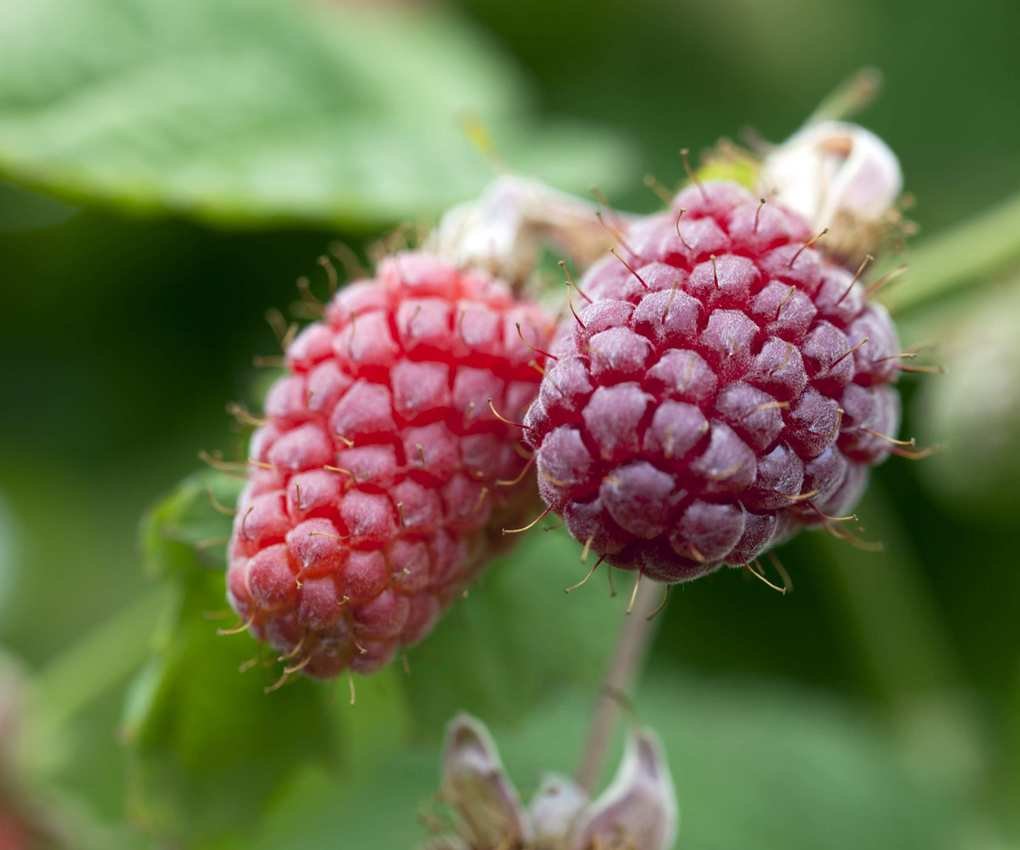
- Harvesting - Loganberries ripen to a deep red or purple in mid-to-late summer. Since they don't all ripen simultaneously, regular harvesting is key. To pick, gently tug the berries from the vine; they should detach easily, similar to raspberries. Fresh loganberries are delightful and can also be used in jams, syrups, and pies, serving as a fitting substitute for blackberries or raspberries. They freeze well for longer storage.
Common Questions
Can you cultivate loganberries in pots?
Loganberries, due to their vigorous growth, aren't ideal for container gardening. If you wish to try, opt for a large pot at least 24 inches wide and 12 inches deep. Limit the canes on the plant and ensure consistent feeding during the growing season for sufficient nutrients.
Is a loganberry classified as a bush or vine?
Loganberries are generally classified as bushes but exhibit vine-like growth patterns. Each bush produces around ten vigorous canes that require support.
How quickly do loganberries grow?
These fast-growing plants can yield a small harvest in their first year but will produce robust crops starting in their second growing season.
What is the height of loganberry plants?
Loganberries typically reach heights of six to eight feet and can spread similarly, depending on the specific variety.
With knowledge of how to grow loganberries, you'll also be equipped to flourish with other blackberry hybrids like tayberries or boysenberries, which share similar growing requirements and pruning techniques.
For a look at some excellent varieties, check out our guide to the best brambles, featuring recommendations for raspberries, blackberries, tayberries, and more, all celebrated for their delicious fruits and beautiful blooms.



