
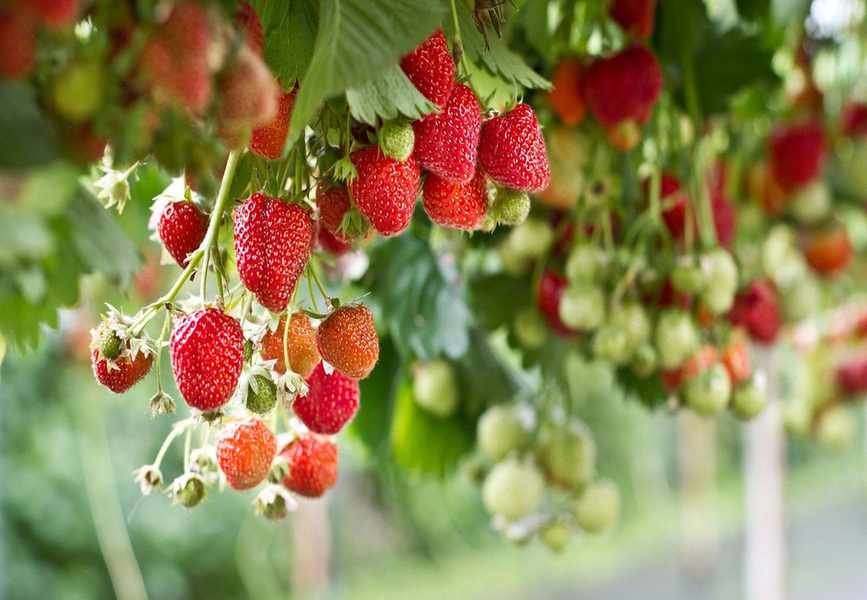
Planting strawberries in pots is an easy method to enjoy fresh fruits throughout the summer. You can choose from various strawberry types and container styles.
Strawberries thrive in pots, planters, buckets, or hanging baskets—there's a perfect container for every space. With proper care in watering and feeding, you can savor this delightful summer fruit.
It’s straightforward to learn the process of growing strawberries in containers, allowing you to indulge in homegrown strawberries in desserts, refreshing drinks, or straight from the garden.
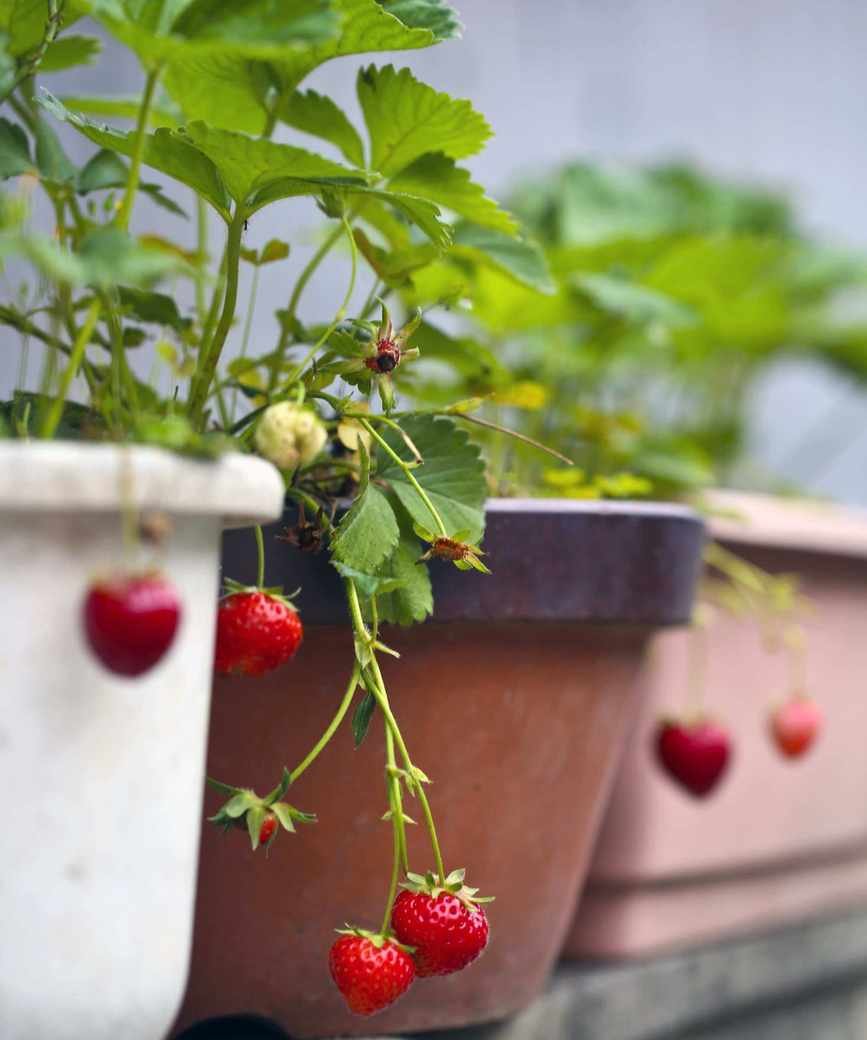
You can use various materials for strawberry pots
Can strawberries grow in pots?
Absolutely! Any strawberry variety can flourish in pots, producing a plentiful summer harvest. You can either grow your own plants or purchase young ones. They are available in pots at stores or can be ordered bare root in spring, ready for planting. Additionally, strawberries can be grown from seeds or runners, although seeds typically produce fruit in their second year.
- Purchase bare root strawberry plants from Walmart
- Get bare root strawberry plants from Burpee
- Order bare root strawberry plants from Nature Hills
Why grow strawberries in containers?
Growing strawberries in pots comes with several advantages. It allows individuals with limited space, such as small backyards or no traditional garden, to cultivate strawberries on balconies or patios.
Container gardening offers control over soil quality, makes it easier to find optimal growing conditions, and elevates plants away from pests like slugs.
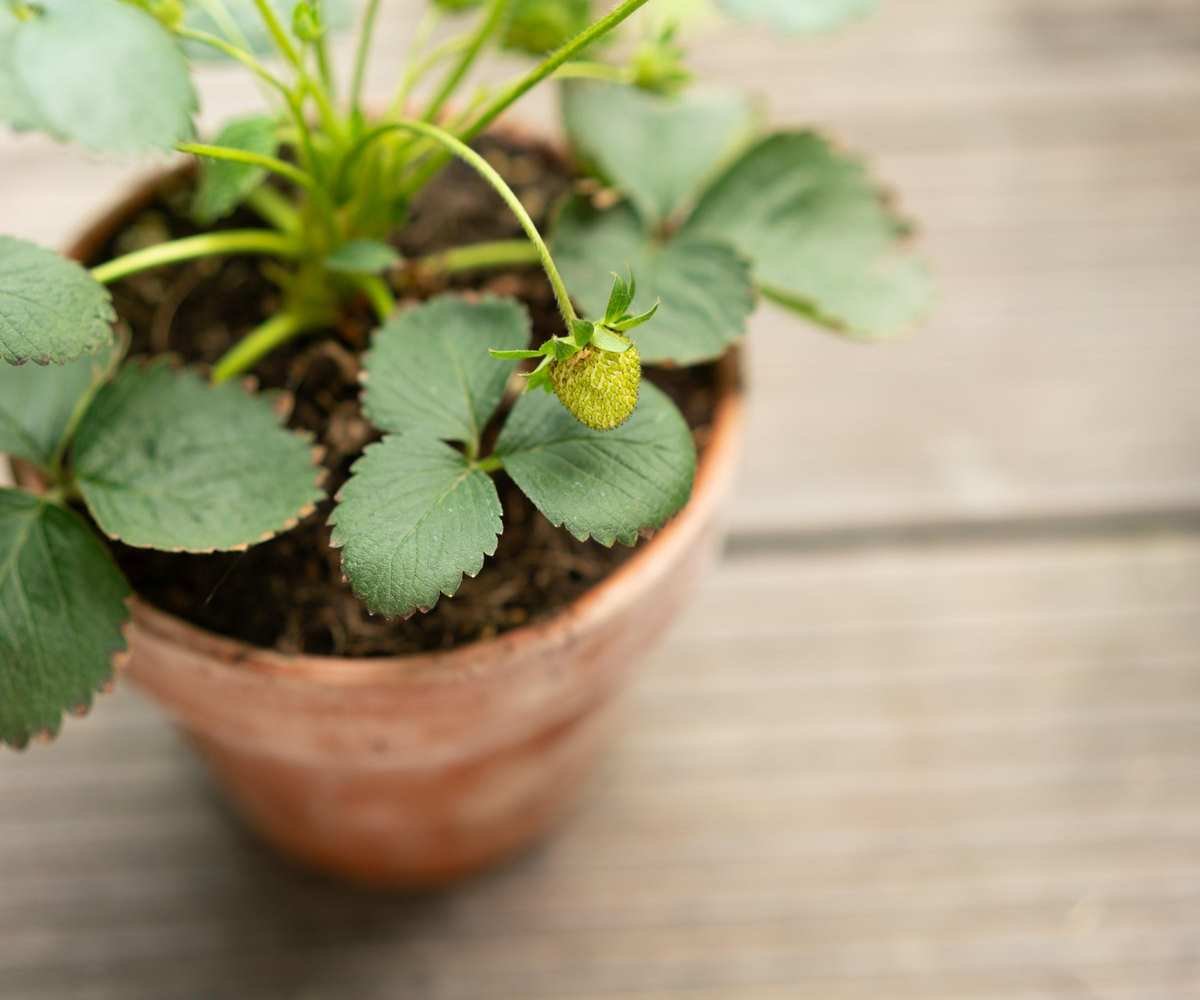
Pots should have a minimum diameter of 12 inches
Selecting a container for strawberries
Many options are available for growing strawberries, including terracotta, plastic pots, planters, hanging baskets, and specialized strawberry pots. For a larger yield, multiple pots may be necessary. Ideally, space plants 14-16 inches apart, but in containers, they can be closer at about 10-12 inches. Ensure that any container is at least 12 inches deep.
Keep in mind that terracotta pots dry out quicker than plastic ones, and pots placed at ground level should be elevated to avoid slug damage—an issue avoided with hanging baskets.
Also, smaller pots require more frequent watering and feeding due to limited compost. Proper drainage is crucial; pots without drainage holes often lead to plant rot.
How many plants fit in a pot?
Typically, a 12-14 inch diameter pot or hanging basket accommodates two or three strawberry plants. Gardening expert Bob Flowerdew suggests opting for larger containers, like old buckets, for more substantial yields.
“Many people experience poor harvests because their plants struggle in small pots,” he explains. “One plant in a bucket provides ample root space and yields excellent crops.”
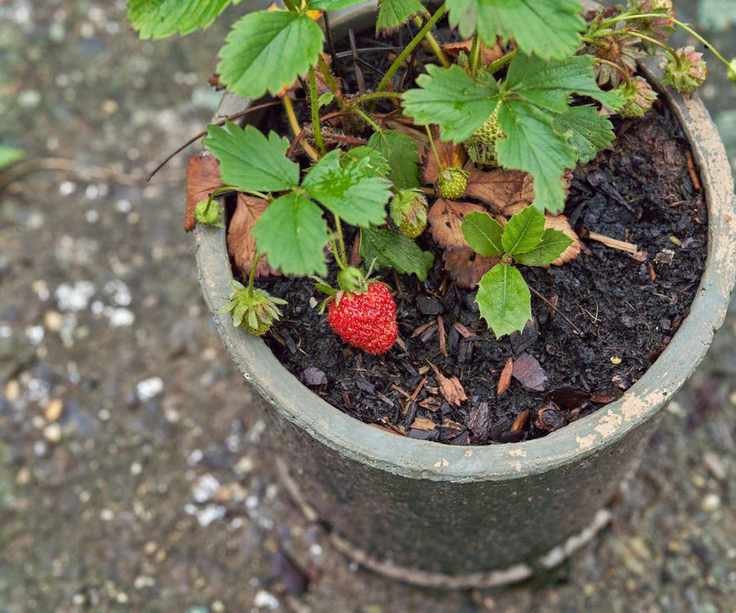
Elevating fruits protects them from pests
Planting strawberries in containers
Timing is vital for planting strawberries to ensure healthy plants that yield plentiful fruit. Ideal planting time is in the fall or spring, even for container-grown strawberries. If planted in fall, keep them in a frost-free location for winter.
Fill the pot with quality multi-purpose compost, leaving an inch from the top, and mix in slow-release fertilizer. Position each strawberry plant so the crown is just above the soil surface. Water thoroughly and place in a sunny spot, ideally receiving six to eight hours of sunlight daily.
Using a strawberry pot
Strawberry pots, unique terracotta containers with planting openings on top and sides, enable multiple plants to grow together. This design allows strawberries to cascade down the sides, creating a stunning visual.
To ensure all plants receive adequate water, expert Christine Walden recommends a method involving a plastic pipe with holes drilled into it, placed vertically in the pot. Fill the pipe with grit, surround it with compost mixed with slow-release fertilizer, and plant strawberries through the side openings. Watering will be efficient through the pipe.
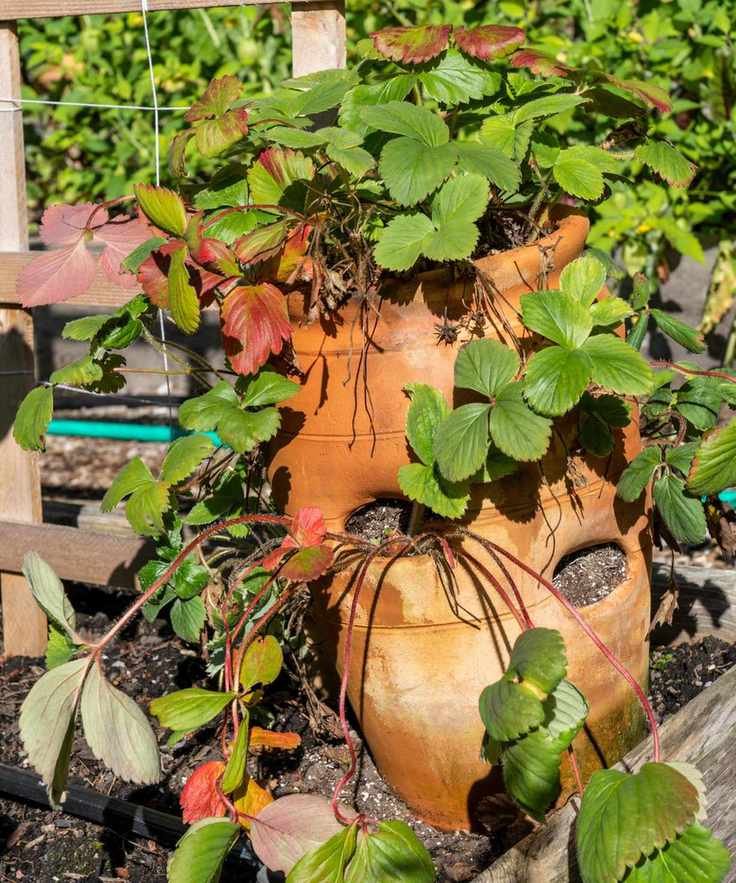
Strawberry pots are visually appealing and functional
Growing strawberries in hanging baskets
Hanging baskets are perfect for cultivating strawberries in limited spaces while keeping them safe from pests. Use wire or woven baskets lined with plastic, coir, or sphagnum moss.
Containers should be at least 12 inches wide and 12-15 inches deep for three to four strawberry plants. Arrange them around the basket's edge and water well after planting.
Hang the basket in a sunny location, ideally near flowering plants that attract pollinators. While any strawberry variety can thrive in hanging baskets, trailing types are particularly popular for their attractive draping appearance.
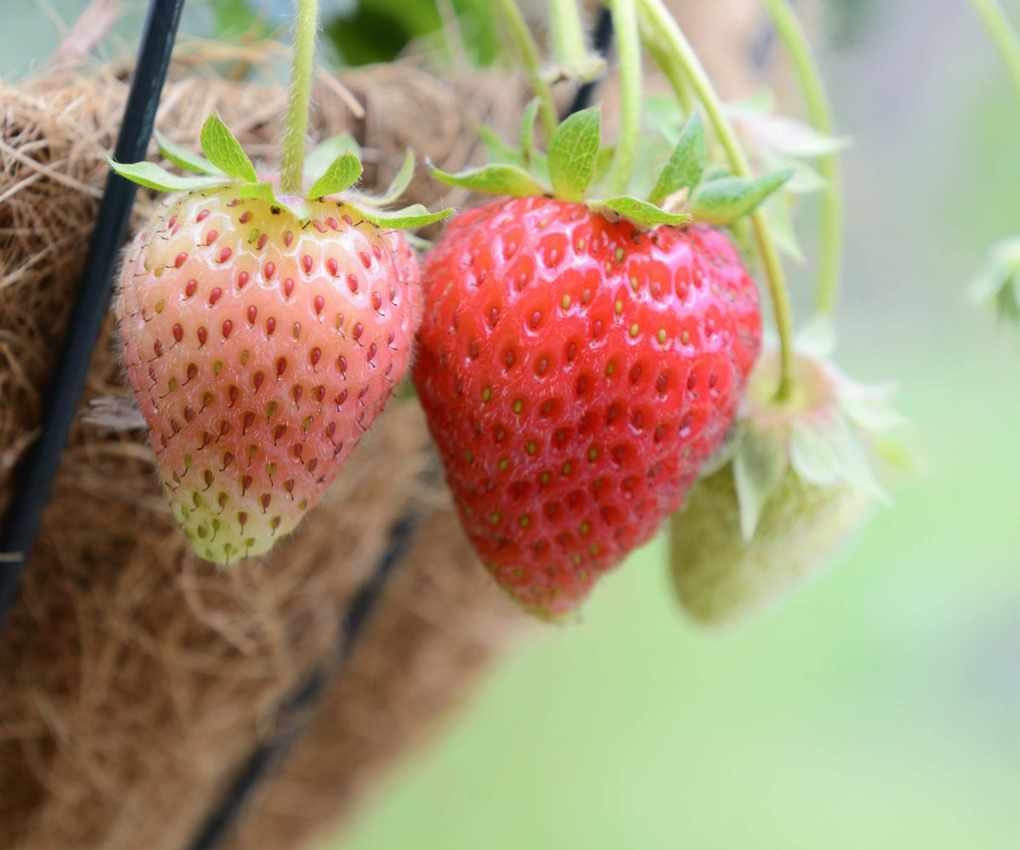
Trailing strawberry varieties are ideal for hanging baskets
Caring for container-grown strawberry plants
Container strawberries require regular watering and fertilizing. Check the soil moisture every few days, ensuring it's moist but not soggy. Containers dry out faster than ground-planted strawberries.
The material of the pot influences watering frequency; terracotta pots dry out quickly, particularly in hot weather, where daily watering may be necessary. Avoid wetting leaves during watering to reduce the risk of fungal diseases.
Fertilizing is crucial too. New plants should receive general fertilizer at planting to encourage strong root development. Once fruits start appearing, switch to a high-potassium fertilizer every week or two for optimal growth. In fall, apply balanced fertilizer to promote robust growth for next season.
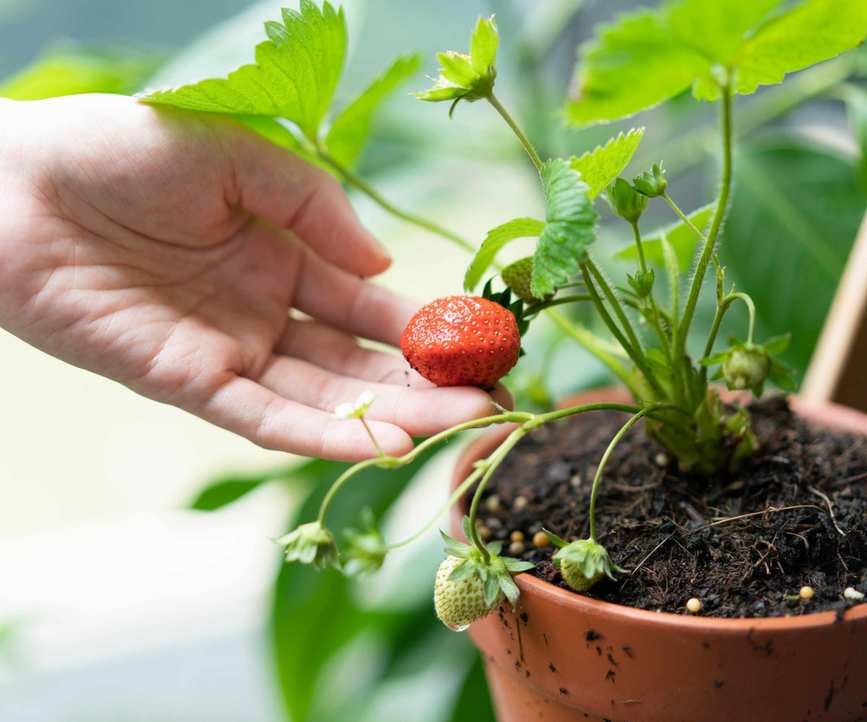
Regularly harvesting strawberries encourages additional ripening
Winter care for strawberries in pots
Wondering how to winterize container-grown strawberries? While hardy, they benefit from protection. Move them indoors to a sheltered area or apply mulch around the base. After fruiting, trim old foliage and allow them to rest.
In colder climates, consider relocating them to a protected space like an unheated garage. Alternatively, sink pots into the ground with only the rim exposed. Mulching, such as straw, can shield the crown from frost. Remember, terracotta pots are more vulnerable to cracking in freezing temperatures than plastic ones.
Comparing pots and ground for strawberries
Strawberries thrive in both pots and the ground, each method offering distinct pros and cons. Container gardening allows full control over soil and conditions while minimizing pest issues. However, strawberry plants typically have a shorter lifespan in pots compared to those planted in the ground.
Longevity of strawberry plants
Strawberry plants are perennial but generally need replacing every three years as their vigor diminishes. They produce runners each year, which can easily be used to propagate new plants.
Growing strawberries in pots is an accessible and rewarding way to enjoy fresh fruit. Any suitably sized container with drainage can be used, allowing for creativity and unique designs that yield delicious strawberries.



