
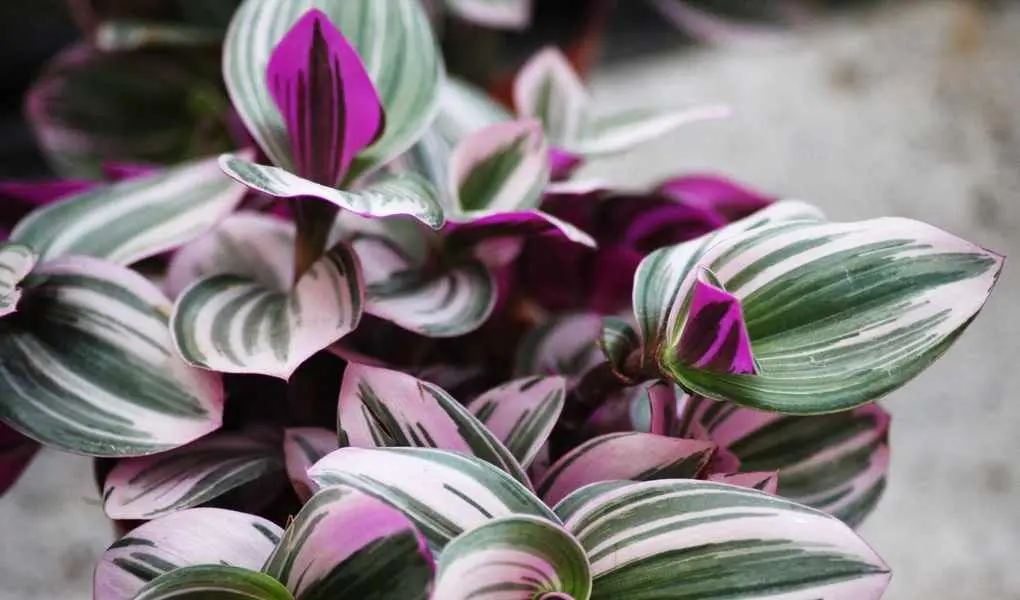
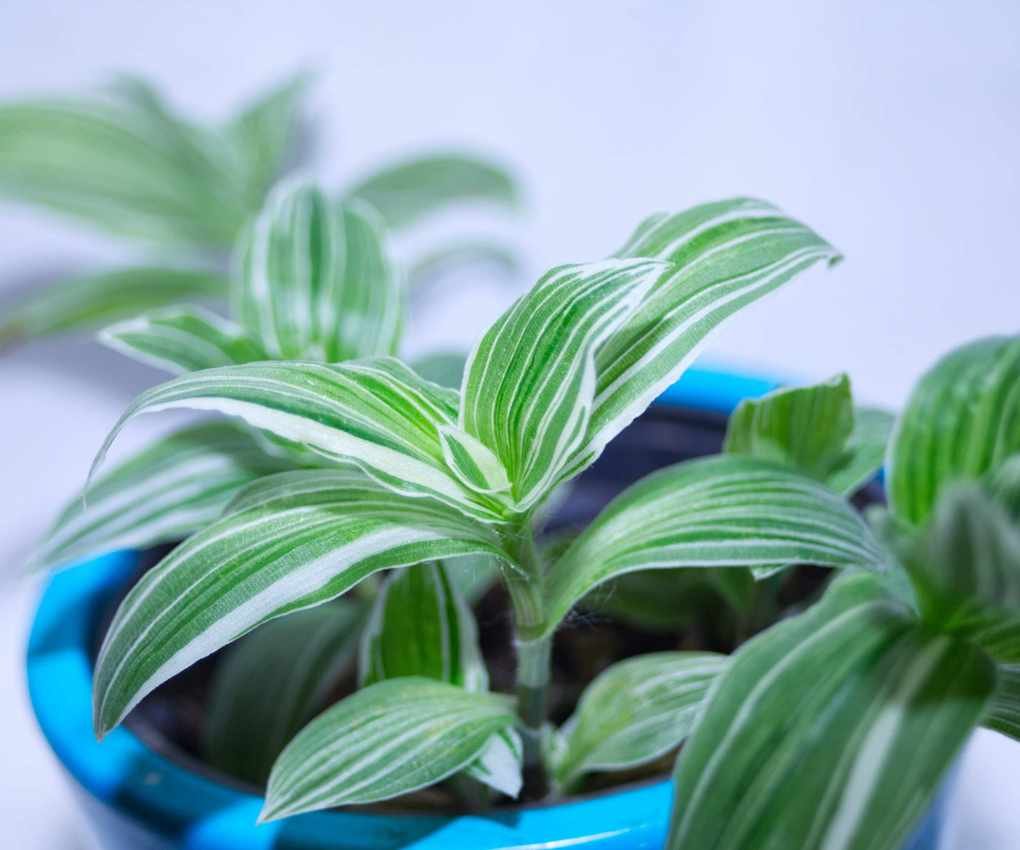
Tradescantia, often called spiderwort, has gained popularity as an indoor plant due to its adaptability and diverse range of species—85 in total, many thriving indoors.
Originating from the Americas, these plants are named after the Tradescant family, renowned 17th-century English botanists. Their ability to thrive in various light conditions and their low-maintenance nature make them ideal for indoor settings.
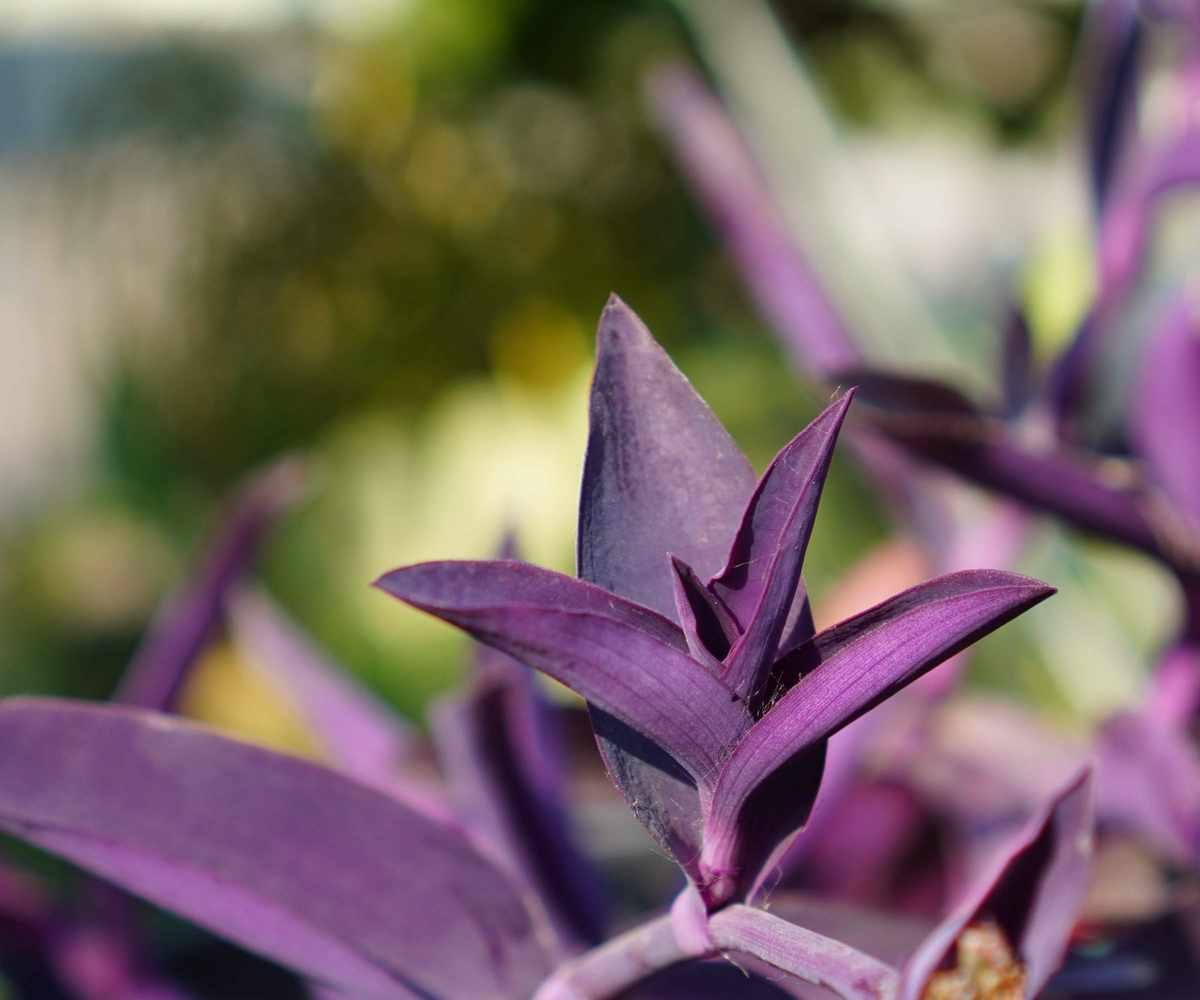
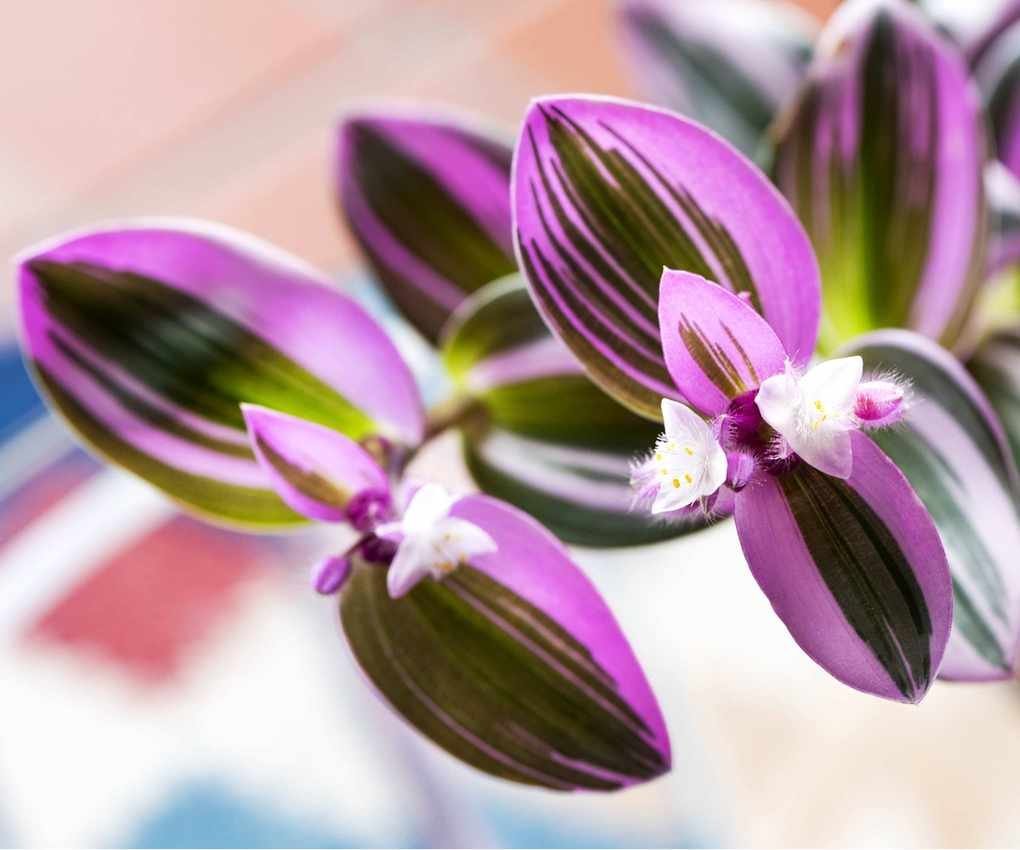
Today, tradescantia are favored for indoor gardens. Their unique appearance, often featuring variegated or vibrant purple and pink leaves, captivates plant enthusiasts. A standout variety is Tradescantia albiflora 'Nanouk', available from Walmart, known for its striking purple and green leaves.
Tips for Growing Tradescantia
Caring for tradescantia is easy. By following a few straightforward guidelines, your indoor greenery will flourish.
1. Position in Indirect Light
These plants thrive in bright, indirect light but can adapt to low-light environments. According to indoor plant expert Val Esquivel, they perform best in spots with indirect sunlight, like south or west-facing windows. Excessive direct sunlight can damage the leaves, so finding the right location is crucial.
Once you identify the perfect spot, your tradescantia will flourish. Val notes their natural trailing growth habit makes them lovely on shelves or pedestals, allowing you to admire their cascading leaves.
2. Maintain Consistent Watering
Keeping these plants adequately watered is vital. Val suggests they prefer to stay moist and uses a moisture meter to ensure proper hydration. When the meter reads around 4-5, it's time to water.
If you're new to indoor gardening, moisture meters, like this one from Walmart, can help gauge soil moisture levels.
Val notes that dry conditions can lead to browning leaves. Grouping plants can enhance humidity levels, and she recommends a long planter with a mix of colorful plants.
3. Fertilize Monthly During Growth Season
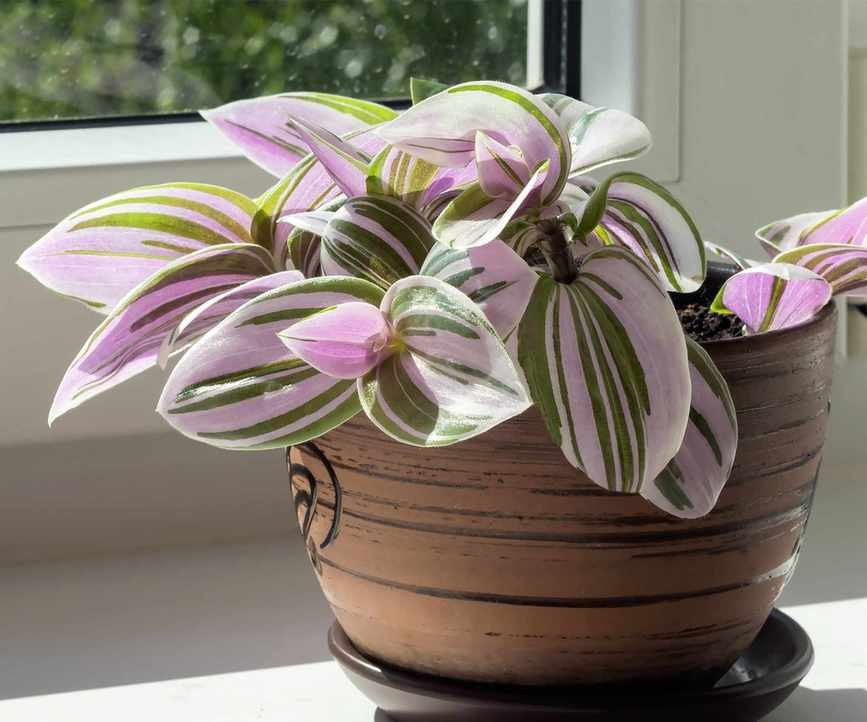
Throughout the growing season from spring to fall, fertilizing tradescantia once a month is beneficial. Use a fertilizer designed for indoor plants, such as this option from Walmart.
Jeanie Psomas, a plant expert, recommends using a foliage-focused fertilizer with a 3-1-2 ratio. Check that your soil retains moisture well, as overly draining soil can wash away nutrients too quickly. A mix of 60% water-retentive media like coco coir and 40% drainage material like perlite is ideal.
4. Prune as Necessary, Avoid Summer
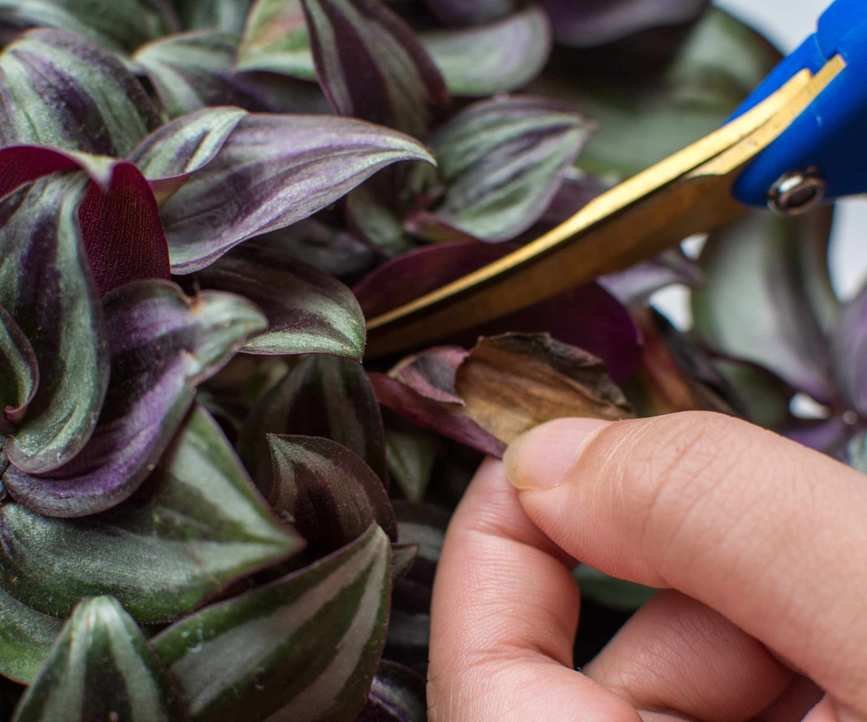
Regular pruning helps tradescantia maintain shape and encourages bushy growth. Jeanie suggests pinching off stem tips to promote side shoots.
Healthy clippings can be placed in water to root, allowing for propagation or gifting. However, avoid pruning during summer when the plants may flower, indicating they are thriving.
Common Questions
Are Tradescantia Prone to Pests?
While they're low-maintenance, tradescantia can attract pests like spider mites and aphids. Regular inspections are wise to catch infestations early. Neem oil is effective for pest control.
Tradescantia adds a delightful touch to any indoor space. These resilient plants are perfect for those seeking unique and vibrant additions to their plant collection, and they propagate easily.
Explore other colorful plants with variegated leaves to enhance your indoor garden.



