
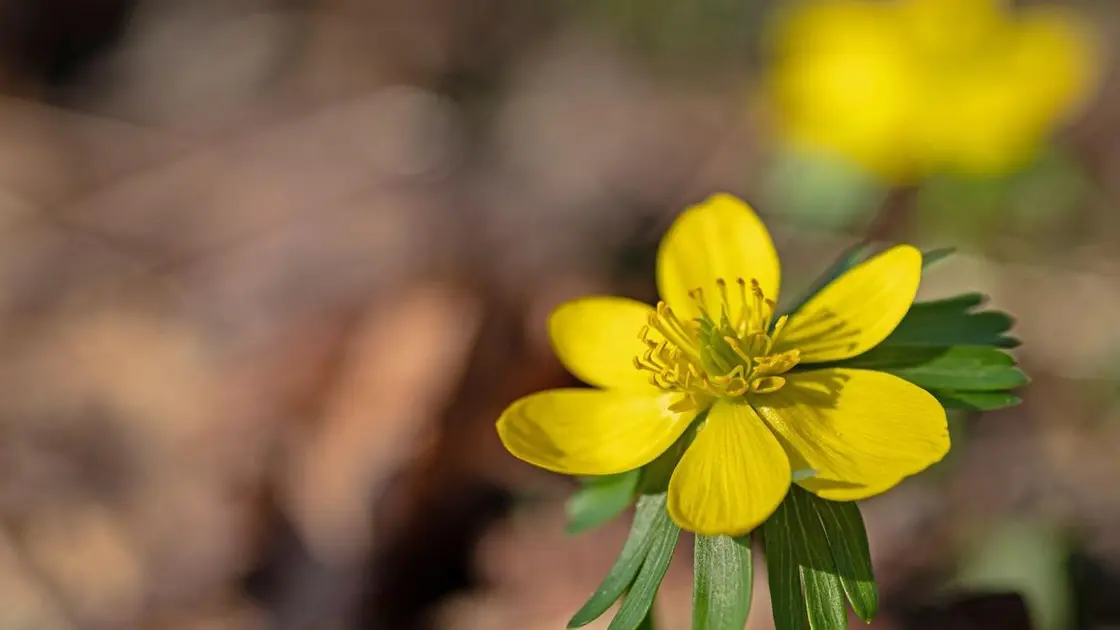
If you take a moment to look beneath trees and in flower beds during winter, you might spot the charming yellow petals of winter aconites. These small but striking flowers are among the first to bloom each year.
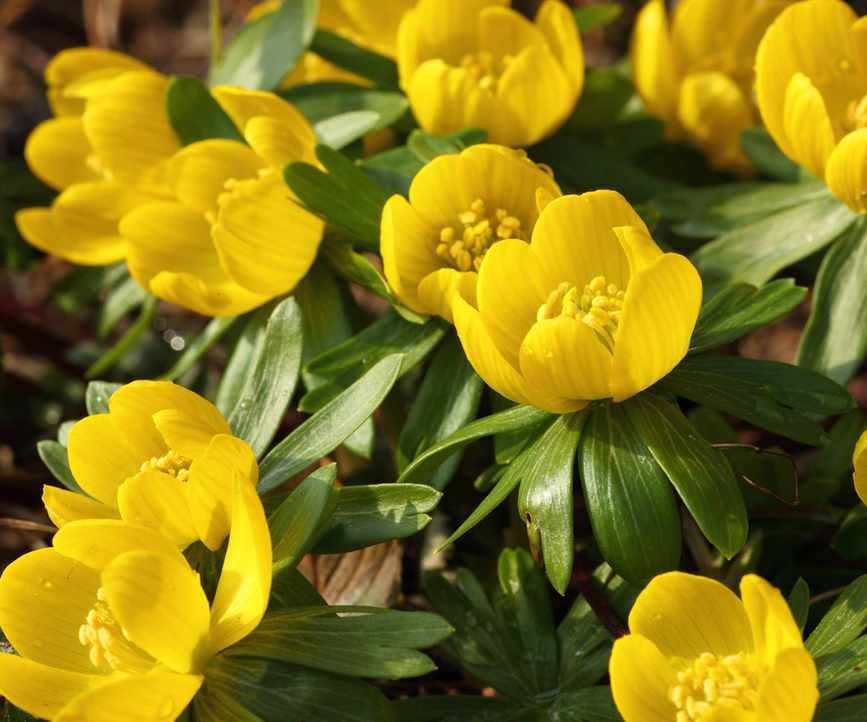
Winter aconites closely resemble buttercups and belong to the buttercup family, Ranunculaceae. Each bloom features bright yellow petals encircled by ruffled green bracts, similar to the collars of anemones. These resilient perennials thrive in zones 4-11, often appearing in clusters beneath trees, in flower beds, or even across lawns. Once planted, they’ll return year after year.
Growing Winter Aconites
Though winter aconites are low to the ground, typically reaching just three inches in height, their golden hue adds significant cheer to any garden.
Best Planting Locations for Winter Aconites

These delicate flowers require minimal care but thrive in sunny spots during winter. Planting tubers in areas that receive ample light is ideal. They flourish under deciduous trees, which let sunlight reach them when it’s most needed.
Winter aconites are perfect for rock gardens and blend beautifully in woodland settings. Pair them with other early bloomers like snowdrops and hellebores for a stunning display.
“For a burst of joyful yellow in the winter, consider planting them beneath a mahonia or witch hazel,” suggests Thomas Rutter, a gardener and content editor. “Both of these plants produce lovely yellow flowers in January and February, complementing the sunny accents of the aconites below.”

How to Plant Winter Aconites

Winter aconites grow from bulbs, which are best planted in the fall. For a clustered appearance, plant them in groups. The bulbs should be placed a couple of inches deep and spaced 1-3 inches apart. They prefer moist, well-drained soil and partial shade.
Once established, these flowers will naturalize and spread quickly. Soaking the tubers overnight before planting can enhance germination rates.
A quicker method to introduce them to your garden is to purchase them ‘in the green’ and plant them immediately after flowering while they are still actively growing.
Following their bloom, the plants will die back naturally into the ground. It’s best to leave them undisturbed to allow energy to return to the bulbs for healthy flowering in future years.
If you wish to manage their spread after a few years, you can lift clumps while they are still green, divide them, and replant in different areas of your garden.
Popular winter aconite varieties include Eranthis hyemalis 'Flore Pleno', characterized by larger double flowers, and Eranthis hyemalis ‘Schwevelglanz’, known for its pale, creamy yellow blooms.
You can purchase bulk winter aconite bulbs from Walmart.
FAQs
Are Winter Aconites Toxic?
Yes, both the entire plant and its tubers are toxic. If you have pets or small children, it’s wise to avoid planting these flowers in your yard.
Can Winter Aconites Be Grown in Containers?
Absolutely! These winter-blooming flowers thrive in pots and containers as long as they have proper drainage and ample sunlight. They look lovely when paired with other winter flowers, such as larger hellebores and trailing ivy.
While they may be small, winter aconites offer a delightful reminder that spring is approaching when few other flowers are in bloom. Consider adding other early-flowering plants like snowdrops and glory of the snow to your garden this season.



