For any gardening enthusiast, mastering peony cultivation ranks high on the list of must-know skills, as these beloved flowers are simply breathtaking.
While their blooming season is brief, the anticipation builds for the impressive, dinner-plate-sized blossoms, many of which are delightfully fragrant.
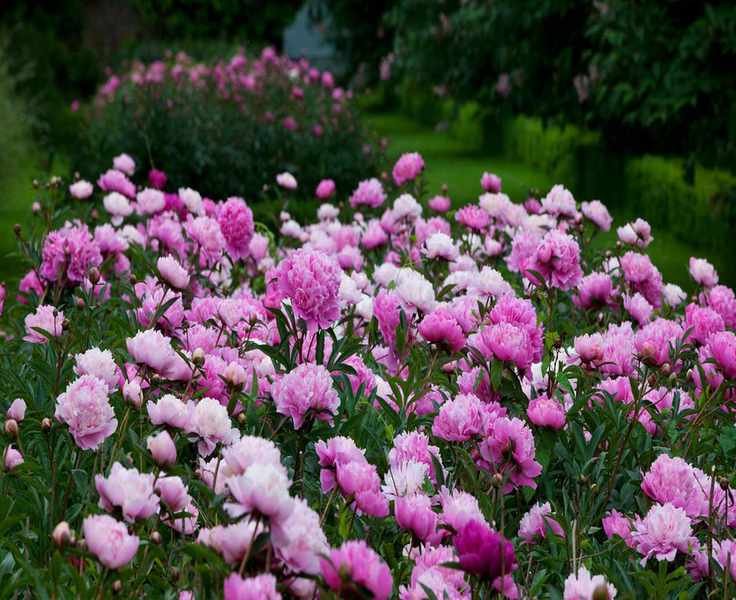
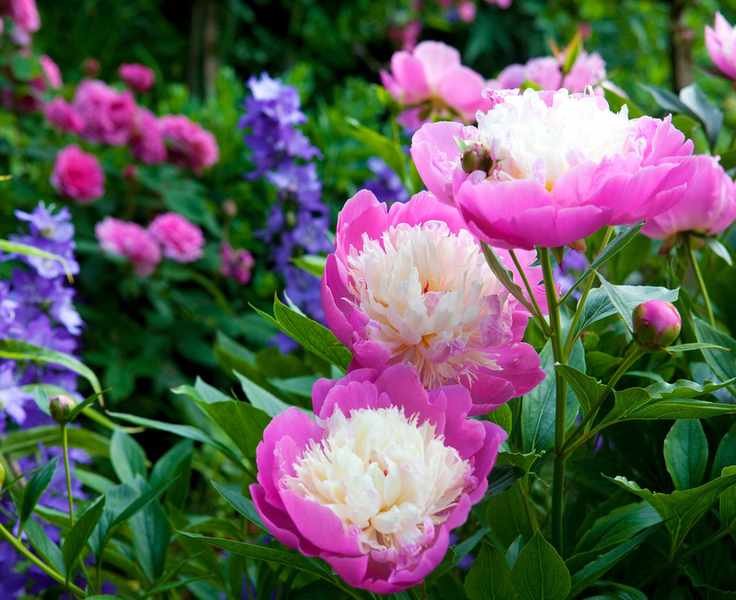
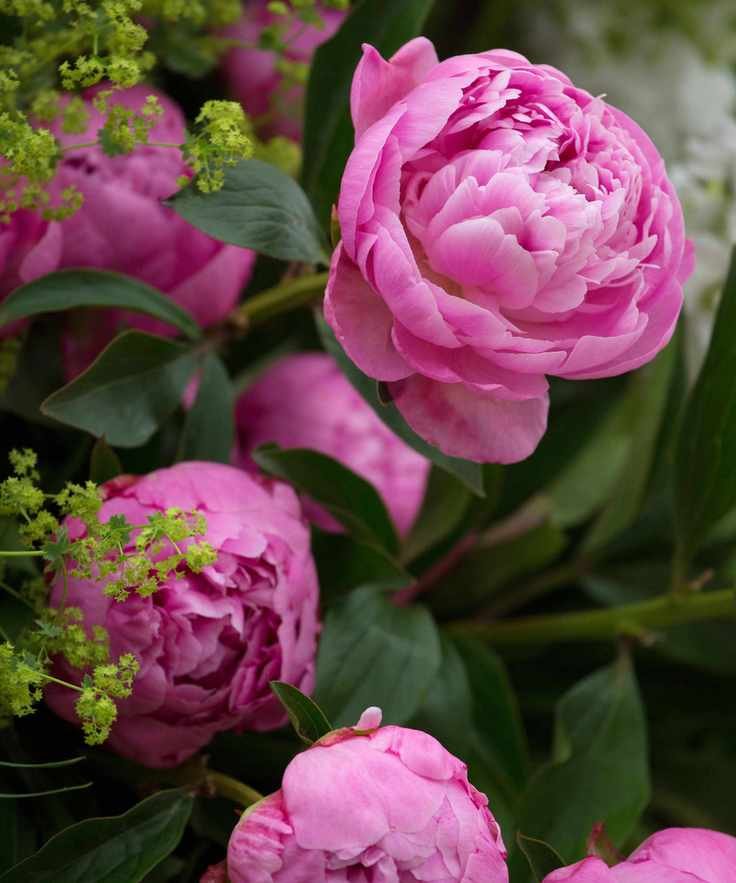
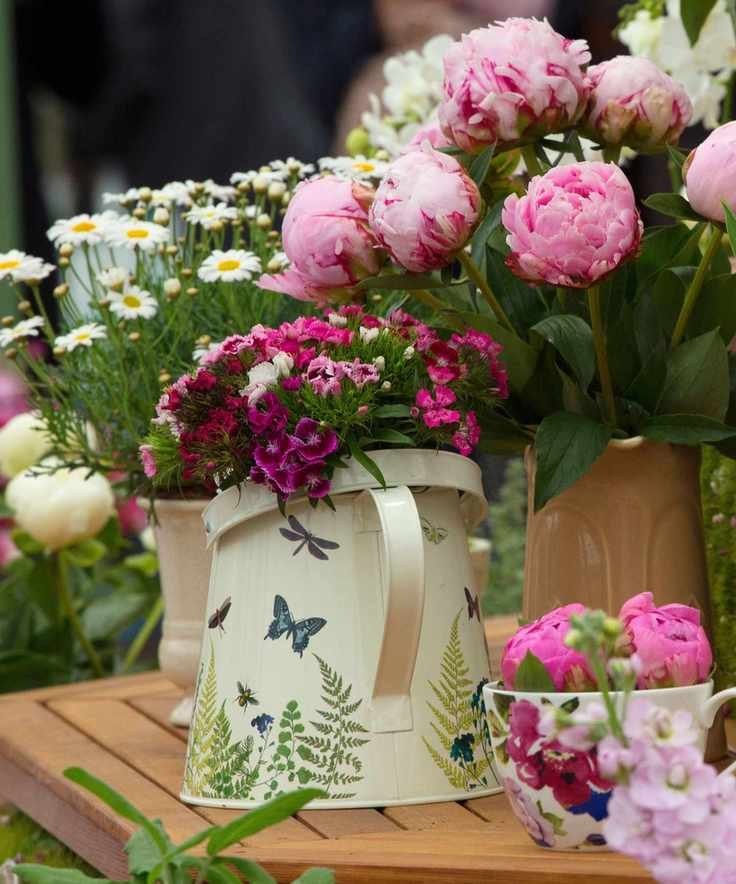
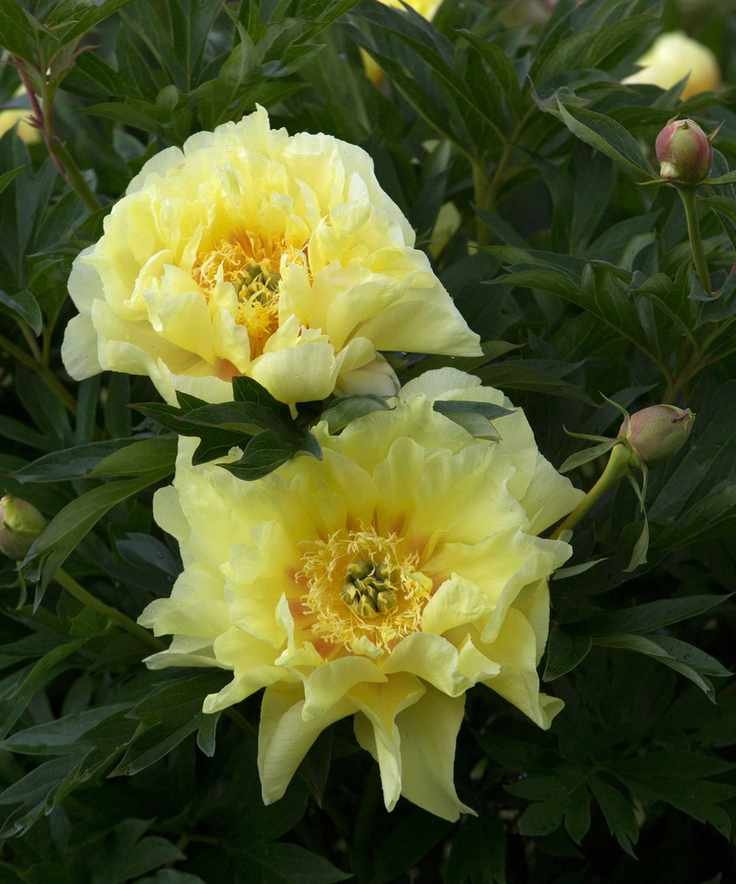
Peonies' large blooms come in a spectrum of colors, including pure white, yellow, coral, pink, and deep crimson, with options ranging from single to semi-double and double forms.
Consider incorporating peonies into your garden flower beds to infuse color and elegance, or use them as cut flowers. They also make a striking border for paths, especially when framed by low hedges.
Every year, peonies retreat in winter, re-emerging in spring with vibrant crimson foliage, adding a captivating display to your garden designs.
Once you know when to plant peonies, understanding their care in your backyard becomes essential.
Understanding Different Peony Varieties
There are three main types of peonies, or paeonia: herbaceous, intersectional, and tree peonies.
By selecting early, mid, and late-blooming varieties, you can enjoy a flowering season lasting from mid-May to June.
- Herbaceous peonies: These classic perennials feature the large blooms commonly found in gardens and have a bushy, compact form that dies back in winter.
- Tree peonies: Shrubby in nature, these reach about 1.2m and are the only type that remains above ground in winter. Their blooms appear from early April to late May.
- Intersectional peonies: A cross between tree and herbaceous types, these rare and pricier blooms offer vibrant colors with long-lasting flowers and finely cut foliage.
Herbaceous peonies are ideal for cut flower gardens since their stunning blooms return annually.
Available as bare-root plants, typically two years old, they may not flower the first year.
Alternatively, you might opt for a mature containerized peony, at least five years old, that will bloom in its first year.

Are Peonies Simple to Cultivate?
Peonies are generally easy to grow, requiring minimal maintenance, and are extremely resilient, with some thriving for up to a century.
First-time growers may wait up to four years for their initial bloom, but the longevity and low care requirements make them valuable additions to any garden.
Many misconceptions surround peony gardening, but following straightforward guidelines can lead to beautiful blooms year after year while steering clear of common pests.
Experts advise that with fertile soil, adequate sunlight, and good air circulation, peonies are relatively easy to cultivate and can last a long time.

Best Time to Plant Peonies
Since many peonies are grown from bare-root plants lifted in autumn, fall is the ideal time for planting, while the soil is still warm. It's best to plant as soon as they arrive.
Experts recommend planting peonies at least a month before the ground freezes to give roots time to establish before winter.
Spring planting is also an option, but ensure young plants receive ample water during dry summers. Note that spring-planted peonies may experience slower growth in their first summer.
Container-grown peonies can be planted anytime the soil is workable, though late spring to summer is often ideal.
Optimal Conditions for Peonies
Peonies thrive under specific conditions:
- Full sun is ideal, though some varieties, particularly red ones, can tolerate light shade. Tree peonies prefer sheltered spots.
- Ensure your soil is well-draining, as advised by specialists.
- Clay soil is acceptable if it doesn't retain water, while chalk soil is suitable. Avoid sandy soil due to nutrient deficiencies.
- Most herbaceous peonies favor neutral to slightly alkaline soil; a pH of 6.5 – 7 is optimal, while tree varieties can handle acidic soils.
- Peonies need plenty of water but avoid waterlogged conditions.
- In spring, keep soil moist to prevent young buds from aborting, though they are drought-tolerant in summer.

Planting Peonies
Prepare the soil to a depth of 18 inches (45 cm) and mix in about 6 inches (15 cm) of well-rotted manure or compost. Peonies flourish when given a strong start.
Plant with the crown no deeper than 2 inches (5 cm) below the soil, ensuring the 'eyes' face upwards. Deep planting often results in foliage without flowers.
Experts suggest that in colder regions, plant the eyes 1-2 inches below the surface, while in warmer areas, keep them at 1 inch or less for optimal exposure to winter temperatures.
When planting multiple peonies, space them around 30 inches (75 cm) apart to promote airflow and prevent overcrowding.
Be cautious not to plant herbaceous or intersectional peonies too deeply, as excessive mulch can hinder flowering.
Water thoroughly after planting, avoiding overwatering. While blooms may take three years to flourish fully, peonies can be moved with you if you relocate.
Caring for Your Peony Plants
Although peonies are relatively low maintenance, there are several steps you can take to ensure their vibrant blooms each year:
- Remove weeds by hand, as using a hoe can damage surface feeder roots.
- To enhance plant size and flower heads, disbud during the first three years when buds are pea-sized. This encourages quick growth without wasting energy on premature blooms.
- While some believe peonies cannot be transplanted, they can be moved if lifted during dormancy in fall. Disturb the rootball minimally and replant promptly.
- Avoid replanting into the same spot without replacing the surrounding soil.
- When lifting peonies, divisions can be made, ensuring each section has three stem buds or eyes.
- In fall, after dieback, cut the foliage to ground level and dispose of it to prevent Botrytis, or peony wilt, from affecting new growth.
- If your soil is nutrient-rich, additional feeding isn't necessary; otherwise, fertilize annually in spring, summer, or fall.
- Being hardy, peonies require no winter protection; cold temperatures initiate their dormant phase, allowing them to store energy in their roots.
Do Peonies Bloom Annually?
As perennials, peonies return each year with their stunning blooms.
While the flowering period may not be as long as some summer flowers, peonies make a striking statement and can last for 60 to 70 years with minimal fuss.
While peonies may be pricier than roses, consider these elegant plants a long-term investment for your garden flower beds.
It's no wonder peonies are revered in China as the king of flowers, having been cultivated for millennia.
Growing Peonies from Seed
If you're curious about growing peonies from seed, it's worth noting that many gardeners avoid this method.
Although seed collection is possible from ripe pods, it can take five to seven years to see a bloom. Most seeds are infertile, require two years to germinate, and may not produce true-to-form plants. This approach isn't for the faint of heart!