

Have you considered propagating wisteria from cuttings? This delightful flowering vine can be easily multiplied by taking softwood cuttings, making it a straightforward gardening project.
Wisteria is renowned for its stunning, pea-like flowers that envelop structures such as walls and fences, attracting both admirers and pollinators with its lilac or white petals that fill the air with a captivating fragrance. Often hailed as one of the best climbing plants, wisteria is an excellent choice for those looking to enhance their cottage garden charm.
With proper care, wisteria can thrive as a vigorous climbing plant, adding vertical interest and beauty to any outdoor area. So, why not try your hand at expanding your wisteria collection? Here's a comprehensive guide on how to grow wisteria from cuttings, providing you with everything you need to know.

Steps to Propagate Wisteria from Cuttings
Wisteria is a popular flowering vine, cherished for its fragrant blooms. To propagate wisteria, you can take softwood cuttings from established plants in the spring. This method allows you to create more plants that can be transplanted in your garden or shared with fellow gardening enthusiasts.
Timeframe for Wisteria Cuttings to Bloom
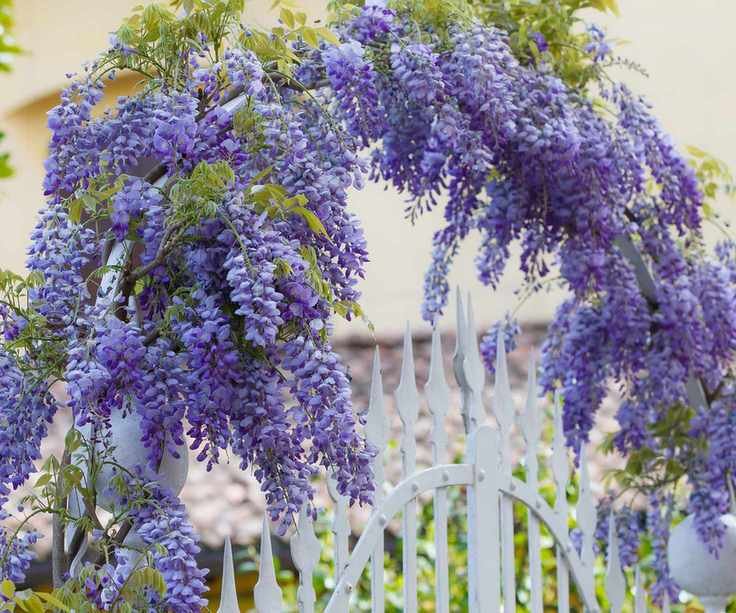
Wisteria plants are known for their rapid growth, quickly covering trellises and garden structures. However, in some regions of the US, certain species of wisteria are deemed invasive, particularly in Texas and Florida. It is wise to consult with local authorities regarding suitable plants for your area.
Despite their fast growth, wisteria cuttings are notorious for taking their time to bloom. While they may soon cover walls and fences with lush greenery, it can take anywhere from 5 to 20 years for these cuttings to flower, leaving you with a foliage-only plant for many years.
This is why many gardeners exploring how to propagate wisteria often opt to purchase established plants from nurseries. These wisteria plants are typically grafted onto robust rootstocks, resulting in significantly shorter flowering times.
If you have the patience to wait, taking wisteria cuttings can be a rewarding investment. When your cuttings eventually bloom, the experience will be all the more special, having nurtured them for several years.
How and When to Take Wisteria Cuttings

Although it can take years for a wisteria cutting to bloom, the process can still be gratifying. If you're set on propagating wisteria from cuttings, take softwood cuttings in mid-spring when frost is no longer a concern and the plant is actively growing.
Here's a simple guide to taking wisteria cuttings:
- Begin by snipping several young, green stems that have multiple leaf nodes.
- Once you have enough cuttings (it's wise to gather a few extras in case some don't take), trim each to about 3 or 4 inches long.
- Remove the lower leaves from the bottom half of each cutting, leaving a few small leaves at the top.
- Prepare one or two small plastic containers filled with well-draining potting compost. I suggest adding grit or vermiculite to ensure proper drainage.
- Water the soil until it's moist, allowing excess water to drain away.
- Next, use a pencil to create narrow holes for planting the cuttings.
- Cover each pot with a small, clear plastic bag, securing it around the base with an elastic band or twine.
- Place the containers in a bright, mild location, such as a cold frame.
- Regularly check the cuttings for signs of growth. Once you see new leaves or roots, remove the plastic bag and transplant each cutting into its own small pot.
Frequently Asked Questions
How Long Until Wisteria Cuttings Bloom?
Wisteria cuttings can take anywhere from 5 to 20 years to flower. Many gardeners prefer purchasing established wisteria plants from nurseries, knowing they will flower sooner due to being grown on vigorous rootstock. Taking wisteria cuttings is a project for those with patience, but it can be a fun and engaging endeavor.
Propagating wisteria cuttings can be a fulfilling task. Although your softwood cuttings may take significantly longer to bloom than other plants, if you're patient, this gardening project could be a great choice for your spring activities.
If you're interested in taking cuttings from your garden this year, consider checking out our guide on how to propagate hydrangeas for additional gardening inspiration.


