
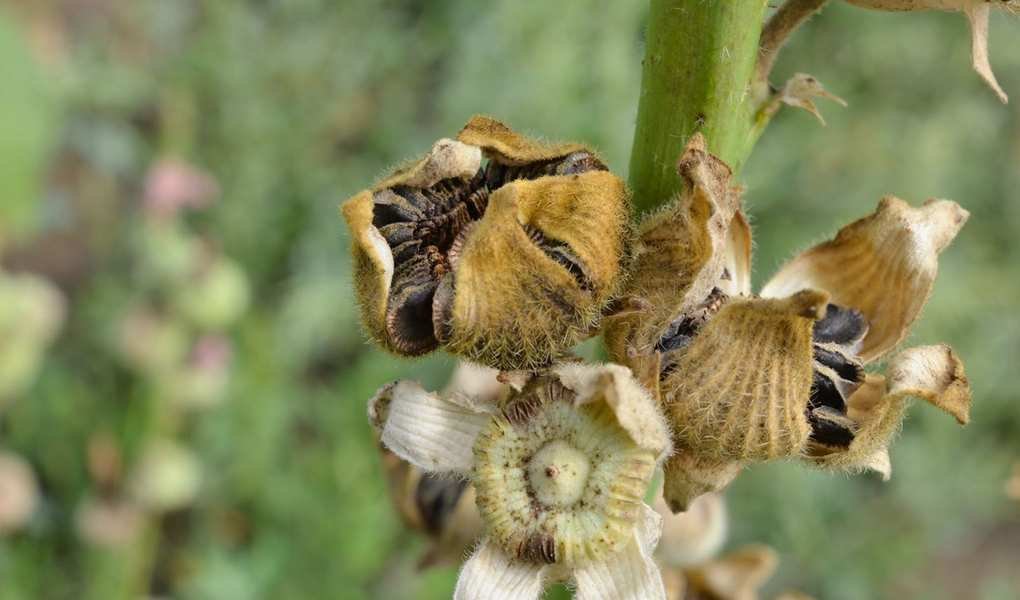
Collecting seeds is a rewarding gardening task that allows you to expand your plant collection. While it may seem intimidating, gathering seeds is straightforward—timing is key.
Hibiscus are stunning shrubs loved by many gardeners. With their large, colorful blooms, it's hard not to appreciate these plants. If you're familiar with growing hibiscus, you know they are easy to maintain, especially when you choose the right species for your US hardiness zone.
Starting hibiscus from seeds is just as simple, and soon you'll have beautiful young shrubs. By collecting and storing seeds this year, you'll ensure a flourishing garden for the next season. Here's everything you need to successfully harvest hibiscus seeds.

Harvesting Hibiscus Seeds
To multiply your hibiscus plants, you have two main choices: propagate through cuttings or collect seeds to germinate later. The most important factor is timing.
When to Collect Hibiscus Seeds
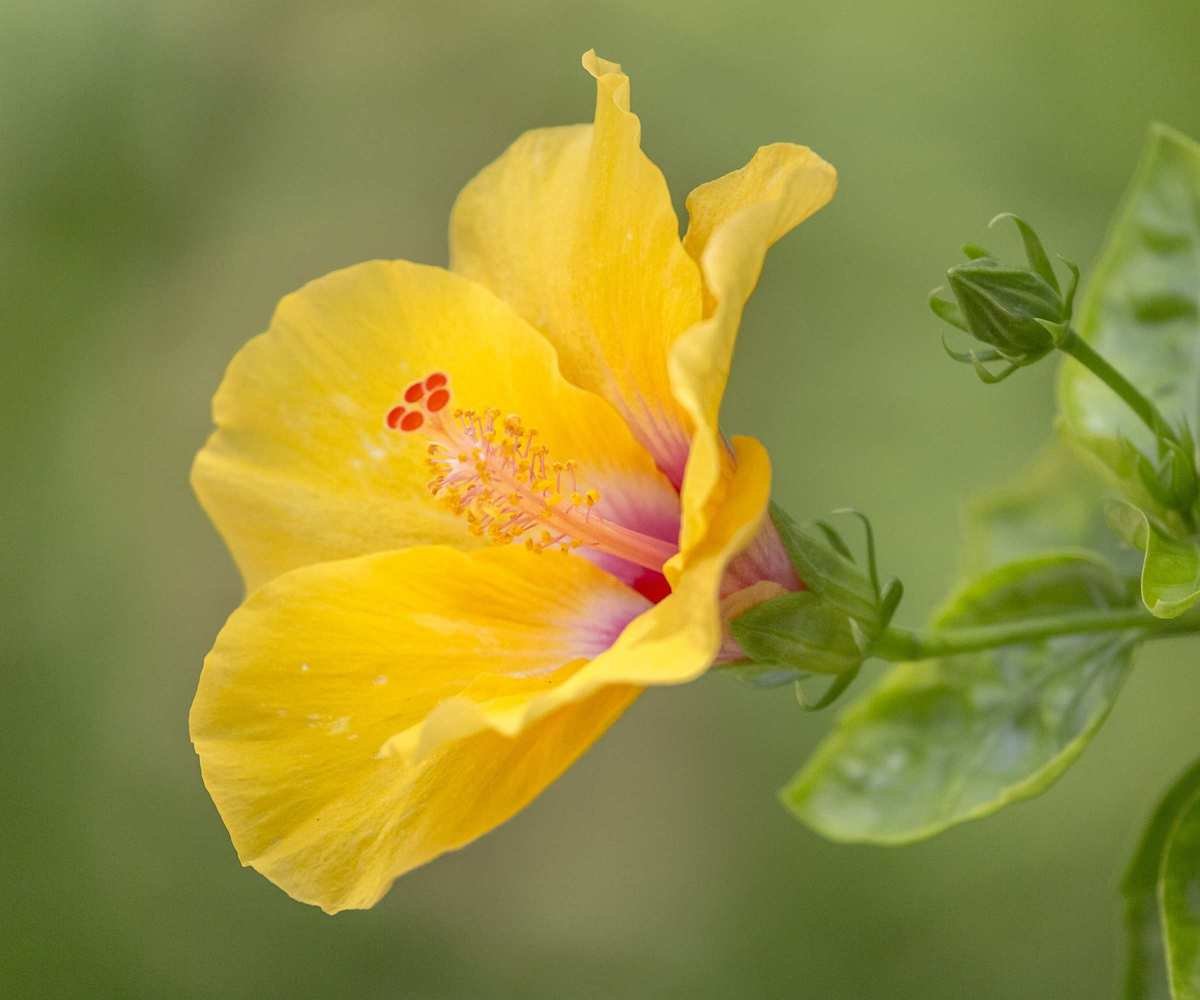
Gathering hibiscus seeds requires some patience. First, leave the fading blooms on the plant. If you deadhead too soon, you'll limit seed production.
'Hibiscus seeds mature at different times depending on the variety,' explains Tatiana Anderson, a plant expert. 'Typically, distinctive seed pods form after blossoms fade and petals fall.'
'There's no set timeframe, as hibiscus plants can yield seeds from late spring through fall,' Tatiana adds. 'Watch for pods that turn brown, become slightly dry, and are ready to pop open. Catching them at the right moment is essential.'
As she advises, timing is crucial. Check your seed pods every couple of days to prevent loss. Be aware that late summer and early fall can lead to rotting due to excess moisture, so aim to collect seeds before then.

Tatiana Anderson is co-owner of a plant nursery in Fort Myers, Florida, specializing in tropical flora.
Steps to Harvest and Store Hibiscus Seeds
Once your seeds are dark and loose in their pods, it's time to harvest. Use clean, sharp tools like Felco snips to carefully cut the pods, leaving about an inch below.
Collect the pods in a bowl or trug and head indoors for cleaning to avoid wind interference.
In a clean container, gently squeeze the seed pods to release the seeds. Each pod often contains numerous seeds. Place the seeds in one container and the chaff in another. A little chaff mixed in won't harm your seeds.
Add the chaff to your compost heap. Allow the seeds to dry for a few days by spreading them on a paper towel in a cool, dark area. After they dry, transfer them to labeled paper envelopes for storage.
Store your seed packets in a cool, dry place, safe from pests. I like to use a stylish seed container kept on a shelf. Remember to note what you've stored.
Seed Storage Duration
How long are hibiscus seeds viable?
When harvested, dried, and stored properly, hibiscus seeds can remain viable for several years. For optimal results, use them within two years, although older seeds may still sprout into healthy plants.
Harvesting hibiscus seeds is an enjoyable and cost-effective way to cultivate more of your favorite plants. Consider also gathering seeds from other flowers like zinnias, cosmos, or calendula. For further tips, explore our guide on harvesting marigold seeds.


