
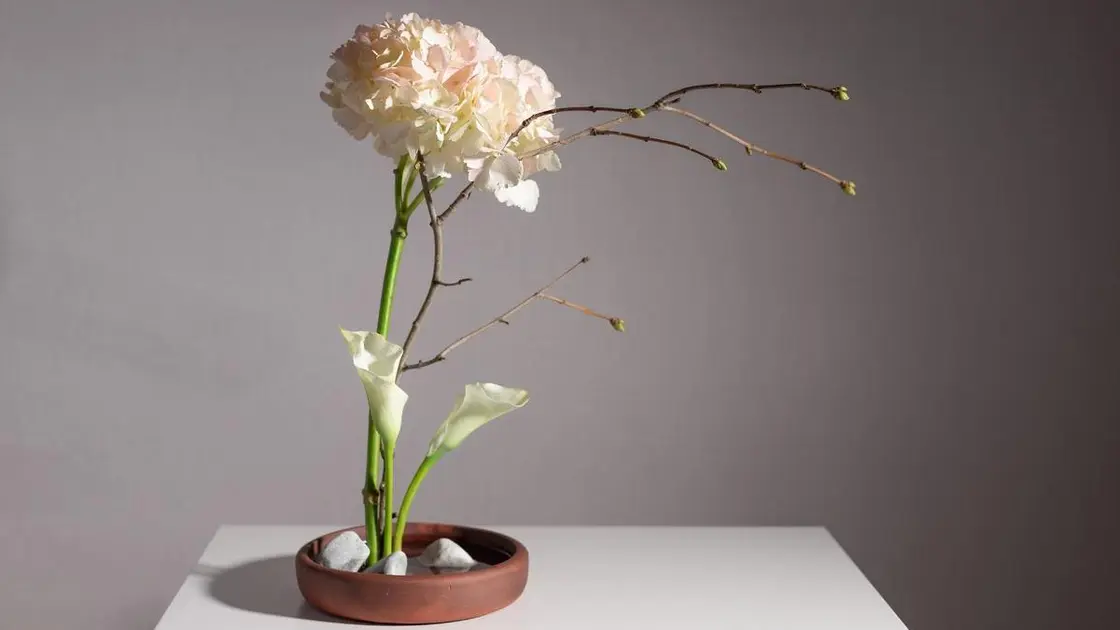
Ikebana, the art of Japanese floral design, elevates flower arranging to a sculptural form. Originating as offerings in Buddhist temples, this practice has evolved significantly.
This year's most prominent floral trend reshapes our perspective on arranging flowers, blending artistry and mindfulness. Ikebana uses various natural elements—flowers, branches, leaves—to craft arrangements that embody beauty and symbolism.
We consulted skilled florists to explore ikebana and learn how to create your own unique arrangements.
Understanding Ikebana
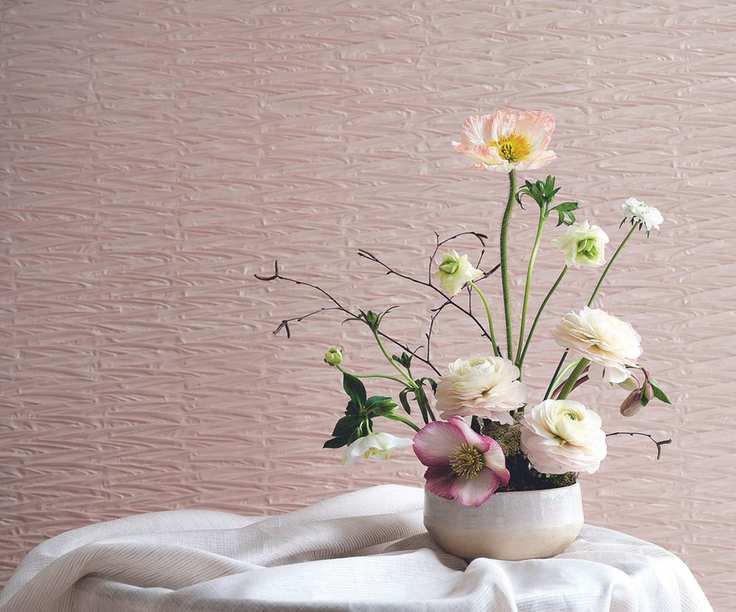
Ikebana, or kado, is a time-honored Japanese floral arrangement technique that incorporates seasonal elements symbolizing themes or colors that harmonize with a space's decor.
Maryam Ghani from Haute Florist notes that this tradition dates back to the sixth century, when flowers began being offered at Buddhist altars. Today, various styles of ikebana are taught globally.
These arrangements often resemble sculptures, frequently featuring a single bloom, with deliberate attention to form, shape, and line. Unlike the casual approach of Western floral designs, ikebana is precise and deeply meaningful.
Moreover, ikebana serves a meditative purpose.
“Engaging with nature can soothe both body and soul, and ikebana facilitates this connection,” Maryam explains. “While traditional flower arranging focuses on the end result, ikebana values the creative process itself. It’s an opportunity to slow down, express creativity, and beautify your space.
If you've cultivated your own cut flower garden, ikebana allows you to showcase your favorite blooms without overwhelming them in a large bouquet.
Choosing Flowers for Ikebana
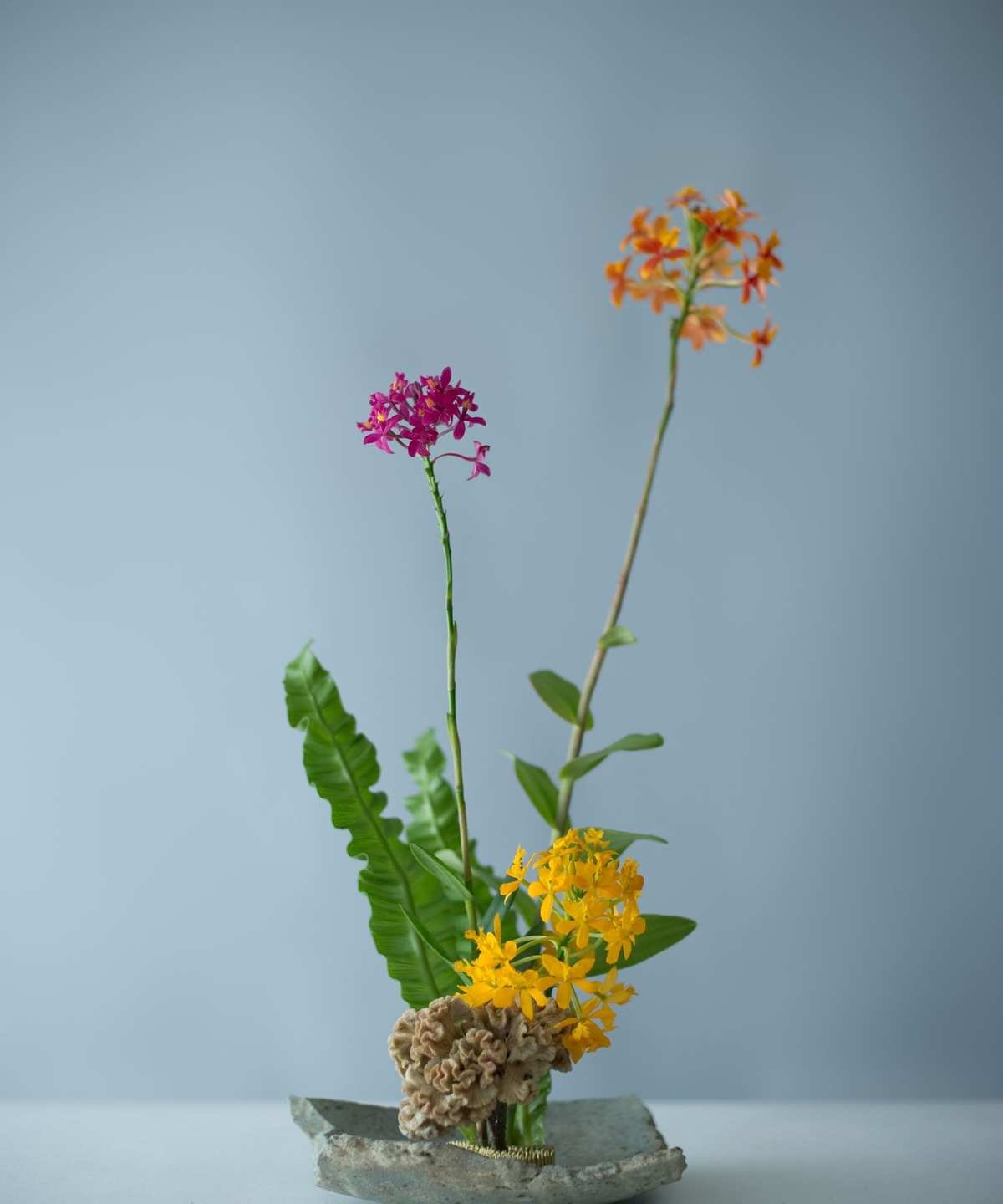
A diverse array of flowers and stems can be utilized in ikebana, many carrying significant cultural meanings. Although nearly any flower can be used, the most popular choices include:
Chrysanthemum: Represents the sun and perfection.
Iris: Symbolizes bravery.
Camellia: A spring flower linked to ideas of renewal, longevity, happiness, and resilience.
Peony: Represents wealth and prosperity.
Essential Tools for Ikebana
To get started with ikebana, certain tools are essential and can be found easily online—growing interest in Japanese arts like Kintsugi has made these items more accessible.
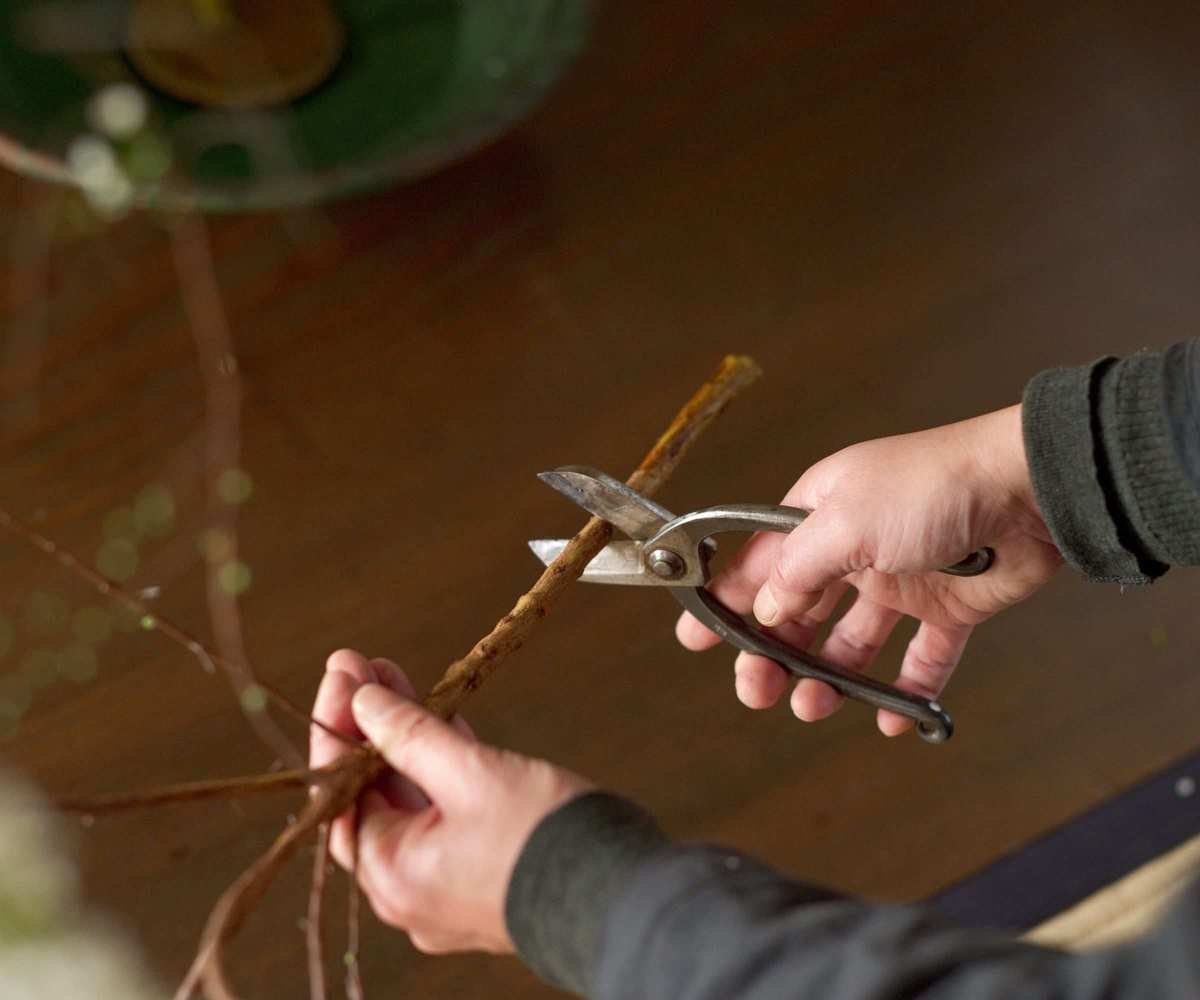
Ikebana Flower Scissors: Sharp blades ensure clean cuts, helping flowers stay fresh longer.
Kenzan Flower Frogs: These hold stems securely in place while protecting the vase.
Japanese Ikebana Vase: Ideal for moribana arrangements that create naturalistic landscapes.
Additional items you’ll need:
- Floral wire – available on Amazon for binding stems together.
- Bamboo sticks for supporting delicate stems.
- Floral tape – found on Amazon for additional stem support.
Creating Authentic Ikebana Arrangements
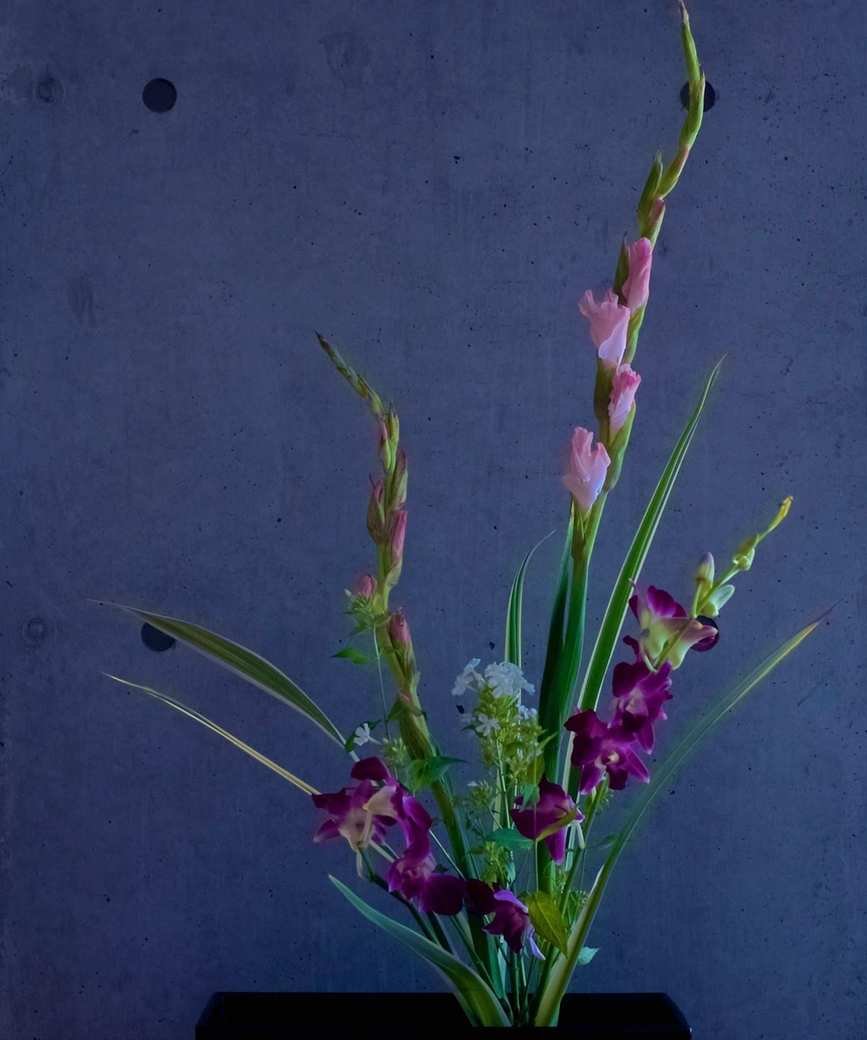
Gather Your Tools
“While mastering ikebana can take years, anyone can enjoy making their own interpretation with the right tools,” Maryam assures. “Start with a shallow vase that can hold some water to showcase the flowers beautifully.
“Next, use an artistry pin to hold stems in place. Ideally, three main components should represent heaven, earth, and humanity in your arrangement.”
Begin with the 'Shin'
The 'Shin' is the tallest and strongest element, typically a branch or woody-stemmed flower. It should be twice the height of your water vessel; for a 10-inch diameter vase, the Shin should be 20 inches tall.
Add the 'Soe' and 'Hikae'
The 'Soe,' the second element, should be two-thirds the height of the Shin, while the 'Hikae,' the third element, should be half the Shin's height.
“Carefully position each element in the vase,” Maryam advises. “You might encircle the base with water grass and let Ruscus and lilies stand freely, highlighting the natural beauty of ikebana.”
Get the Angles Right
Ikebana requires precision; the angles at which flowers are arranged must be exact. The Shin should be inserted straight and tilted 15 degrees to the left, the Soe should be angled 45 degrees to the left, and the Hikae should lean 75 degrees to the right.
Incorporate Additional Natural Elements
Feel free to add smaller filler flowers or moss, but do so sparingly.
“Whether you spend hours meticulously arranging or take just 10 minutes to connect with nature, that’s what matters. In our fast-paced lives, we can gain so much by appreciating the simple joys,” Maryam concludes.
The Seven Principles of Ikebana
Ikebana is guided by seven harmonious principles that promote a peaceful and mindful practice.
Silence: This art form is meditative, and silence allows focus.
Minimalism and Shape and Line: These emphasize simplicity over the fullness of typical Western bouquets.
Form: Allow flowers to naturally flow and stand.
Humanity: Let emotions guide your choices rather than logic.
Aesthetics: Ensure your arrangement reflects Japanese beauty and the current season.
Structure: Create a triangular formation representing Heaven (Ten), Earth (Chi), and Humanity (Jin).
Purpose of Ikebana
The aim of ikebana is to arrange flowers in a manner that highlights the unique beauty of each bloom and plant rather than cramming them into one vase.
Is Water Necessary for Ikebana?
Ikebana vases should contain enough water to keep the flowers and stems fresh. Just cover the kenzan; excess water can lead to rotting stems.



