

Using salt as a weed killer is a hot topic among gardeners, and for good reason. This traditional method can effectively eliminate even the most persistent weeds, but its potency raises concerns among experienced gardeners.
If you're considering eliminating weeds, salt might appear to be a straightforward and accessible option. However, experts advise caution. If you're contemplating using salt on weeds in your pathways or garden beds, keep these expert insights in mind. They could help preserve your garden in the long run, even if it means exploring alternative methods.
Is Using Salt a Good Method for Killing Weeds?
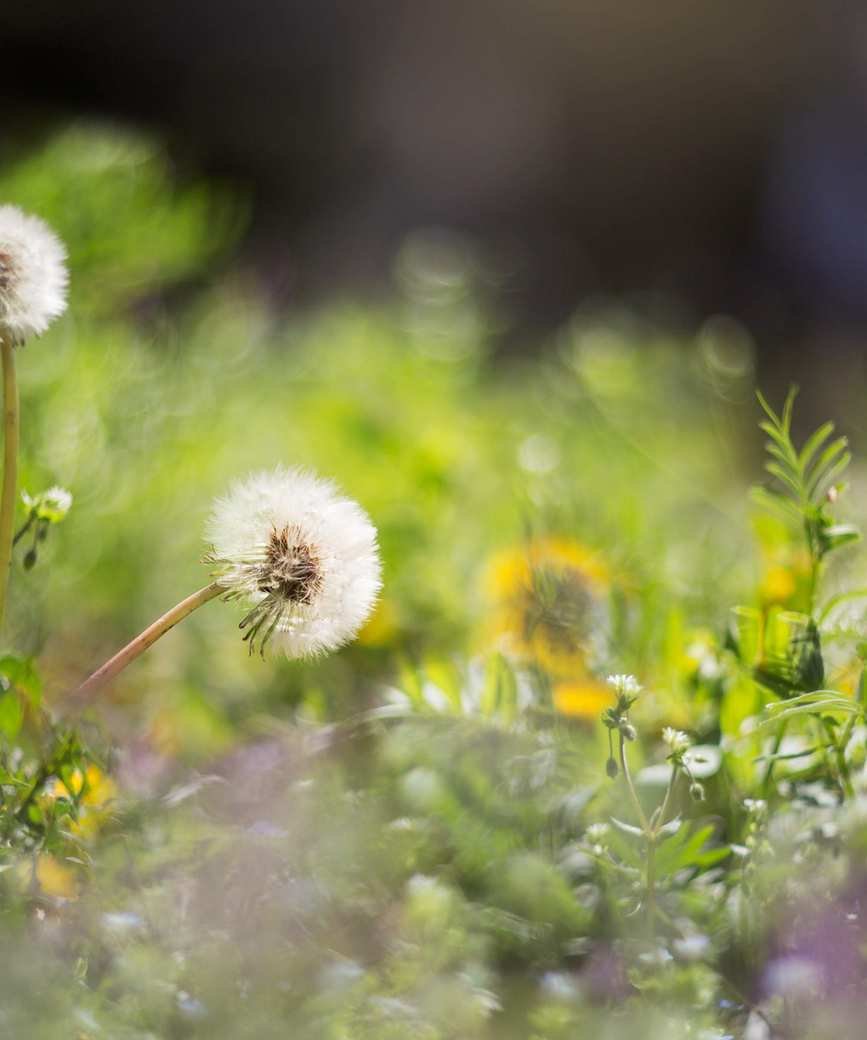
So, is it wise to apply salt for weed control? Experts weigh in on this age-old debate.
Drawbacks of Using Salt for Weed Control
"Salt can indeed serve as an effective herbicide, killing nearly any plant it touches, but its toxicity makes it ill-suited for most gardening situations," explains Larry Hodgson, a member of the National Garden Bureau and a contributor at Laidback Gardener.
According to Larry, salt works by osmosis, drawing moisture from nearby plant cells. This process can lead to the wilting and death of leaves if sprayed, or roots if applied to the soil.
"Spraying salty water can cause instant browning of leaves and stems, but many plants may still attempt to regrow," Larry notes. This is because salt acts as a contact herbicide. "However, if it penetrates the soil and destroys the roots, it will kill the entire plant," he adds.
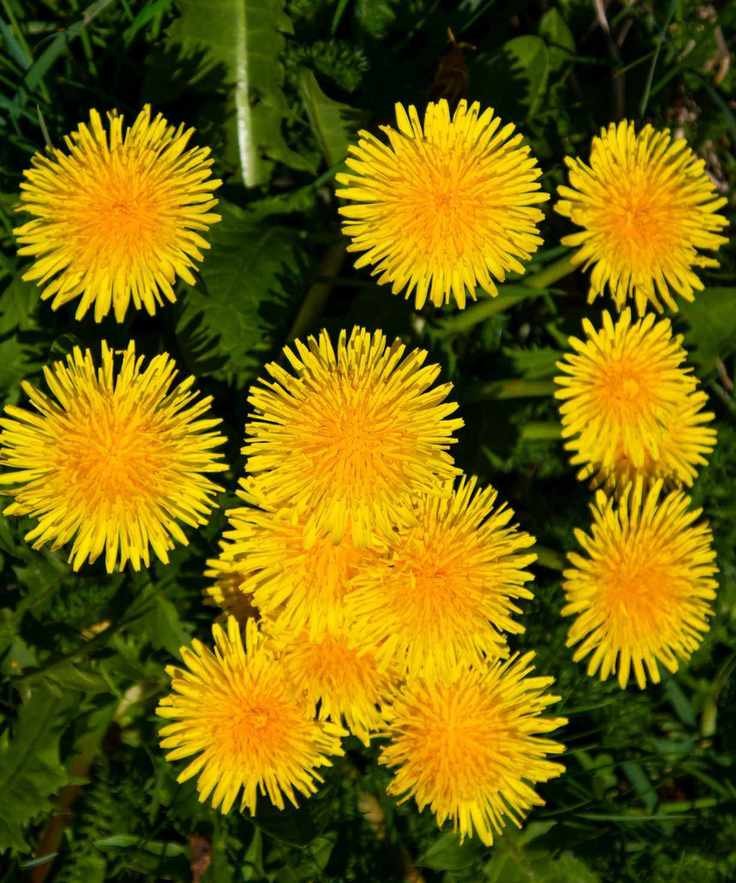
But the risks don't stop with just plants. Larry cautions that salt can also harm beneficial organisms like earthworms, bacteria, and insects, making it crucial to use this substance judiciously.
Kate Russell, author of Stop Wasting Your Yard, echoes Larry's sentiment, stating that while salt can effectively eliminate unwanted weeds, it can also adversely affect desirable plants if it seeps into the surrounding soil.
Supporting Salt Usage for Weed Management

Although garden expert Linda Hagen does not endorse the application of raw salt directly on weeds, she suggests that it can be incorporated into a homemade weed killer, provided it's used with caution.
"A DIY weed killer made of salt, vinegar, and dish soap can be effective, but it should be applied sparingly. Excessive salt can harm the soil and hinder the growth of desirable plants," she advises.
Linda also notes that preventative measures, particularly in flower beds, offer a better solution. "Applying a thick layer of mulch after thorough hand weeding can significantly reduce the chances of weed seeds taking root," she suggests.
Will you choose to avoid salt or continue its use? Whatever your decision, remember to proceed carefully.



