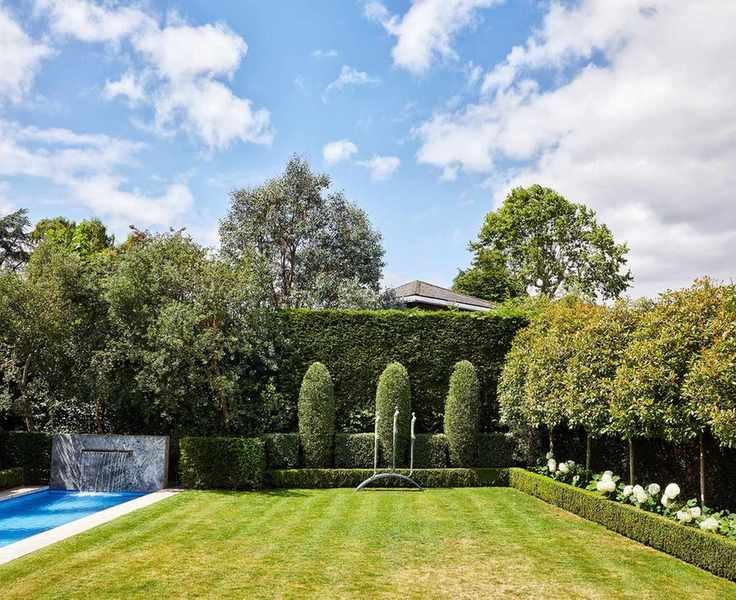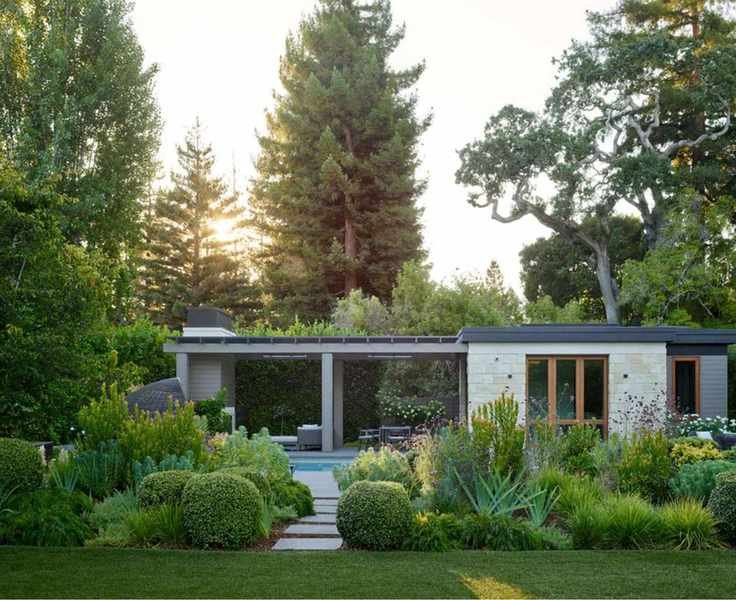
Transforming your backyard starts with careful planning and design to maximize both beauty and functionality.
Think about how you envision using the space. Will it be a cozy spot for dining and relaxation, a vibrant flower garden, or a minimalist area featuring a tranquil water feature?
Explore various landscaping ideas. Materials like paving, aggregates, and decorative edging can enhance texture and structure, guiding the eye through your garden.
Consider practical needs such as storage solutions and observe microclimates, sunlight, and wind patterns. Spending a year observing seasonal changes will help you understand how to best utilize the space before making significant alterations.
To help you create your ideal outdoor environment, we've compiled a detailed guide with expert insights on landscaping your backyard.
Landscaping Your Backyard
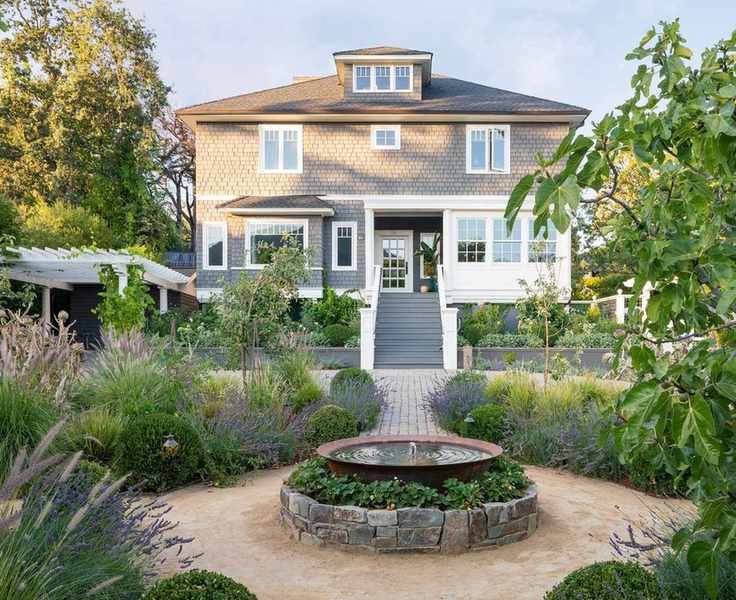
In landscaping, hardscapes and evergreen shrubs form the backbone of your garden. Consider how to connect your home's interior with the outdoor space. Would you prefer a complementary style or a striking contrast?
If starting from scratch, hiring a professional landscape designer can ensure proper drainage and expert installation.
1. Evaluate the Space
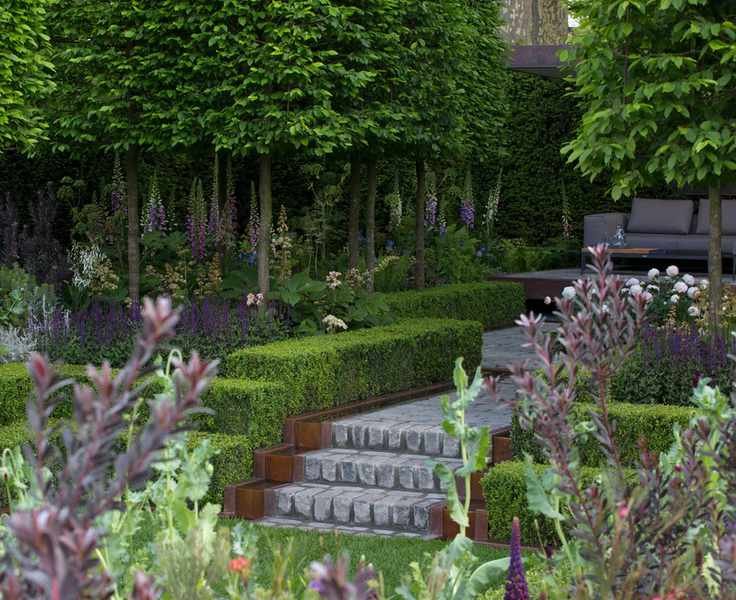
View your backyard as an outdoor room. This perspective simplifies the design process, similar to interior decorating.
Assess the plot's size, shape, boundaries, and surroundings. Determine if neighbors can see into your yard and consider incorporating privacy hedges or screening to enhance seclusion, as advised by gardening expert Leigh Clapp.
Create a prioritized list of preferences and visualize the layout, perhaps using strings or sketches to outline areas for outdoor seating or dining.
Be mindful of soil types and sunlight exposure, as these factors will influence plant placement and overall design.
2. Account for Practicalities
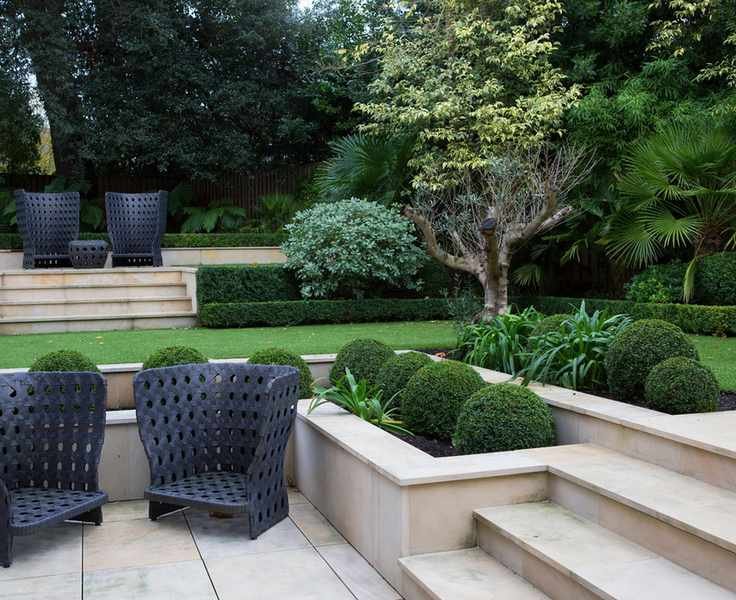
Successful backyard landscaping balances aesthetics with practical needs.
Choose materials suitable for the environment, as certain surfaces can become slippery in shaded areas. Long-term maintenance should also be a consideration; aim for low-maintenance options when possible.
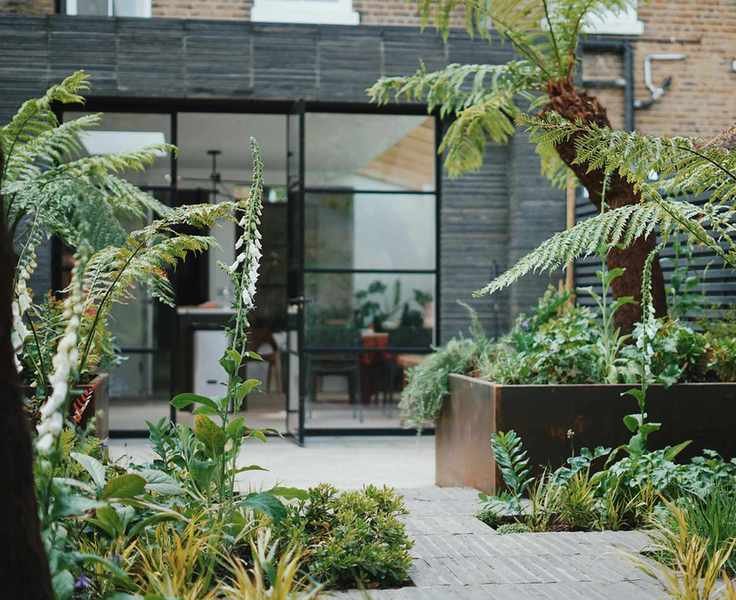
In Kate Gould's design, the elegant use of hardscaping creates depth in a small garden while ensuring minimal upkeep.
3. Embrace Simplicity
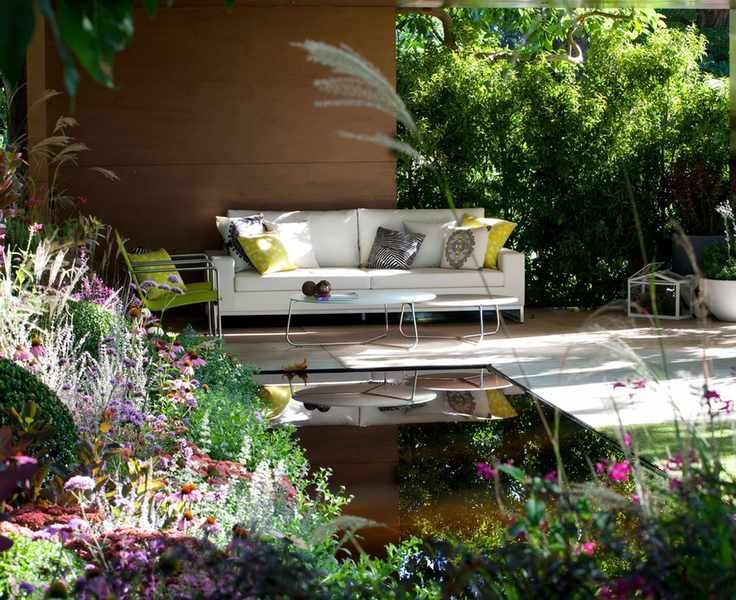
A cluttered design can detract from your garden's overall beauty. Simplify your vision by identifying essential elements and avoiding overcrowding.
Create a scaled grid to experiment with layouts for raised beds, seating, dining areas, and focal points, ensuring harmony among all elements.
4. Define Your Design
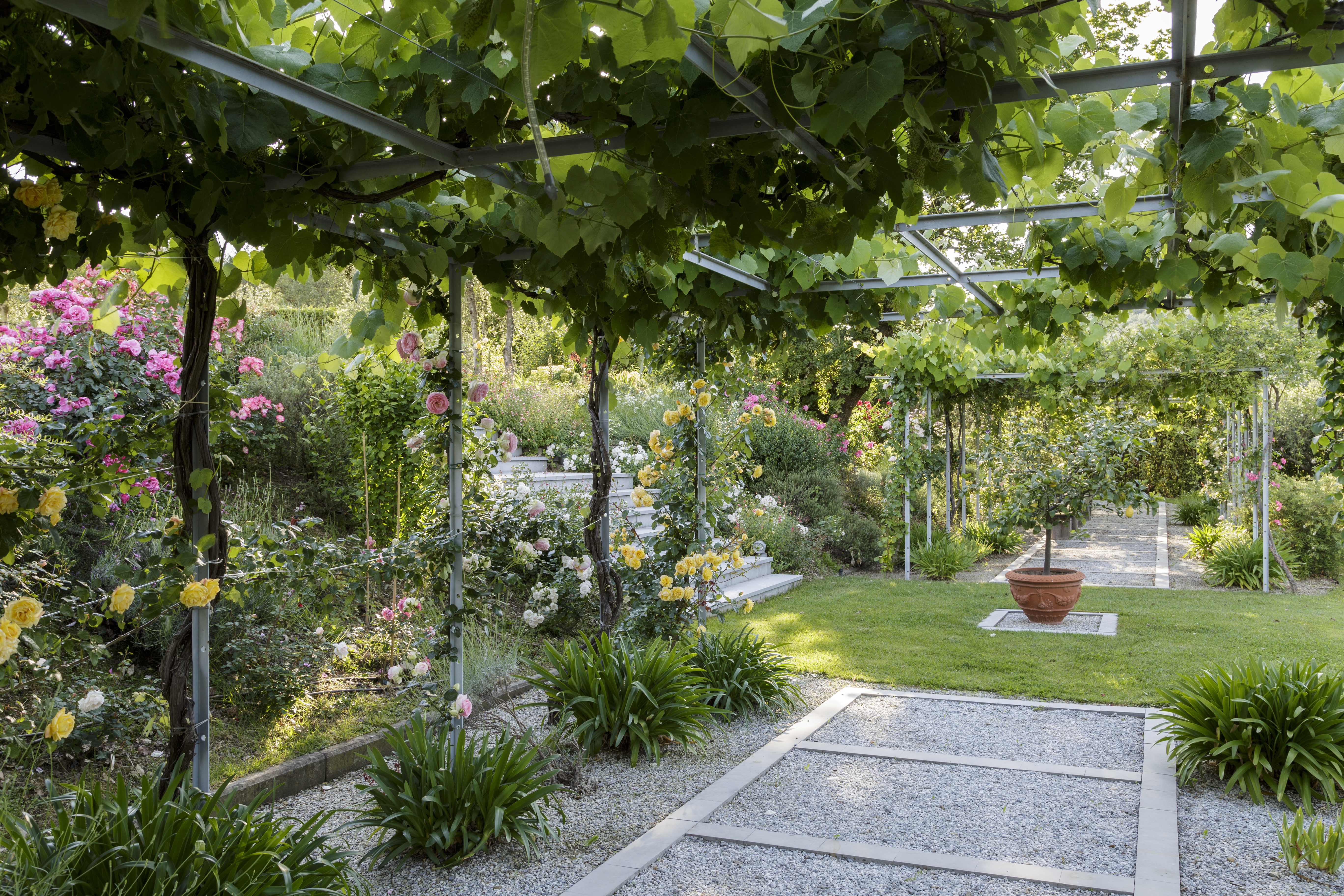
Determine your desired style—contemporary with hardscaping as a focal point or a lush, plant-driven garden.
Consider whether you prefer a formal design with symmetry or an informal one with mixed colors and winding paths.
Think about which features to incorporate, such as lawns, patios, and structures like arches and pergolas.
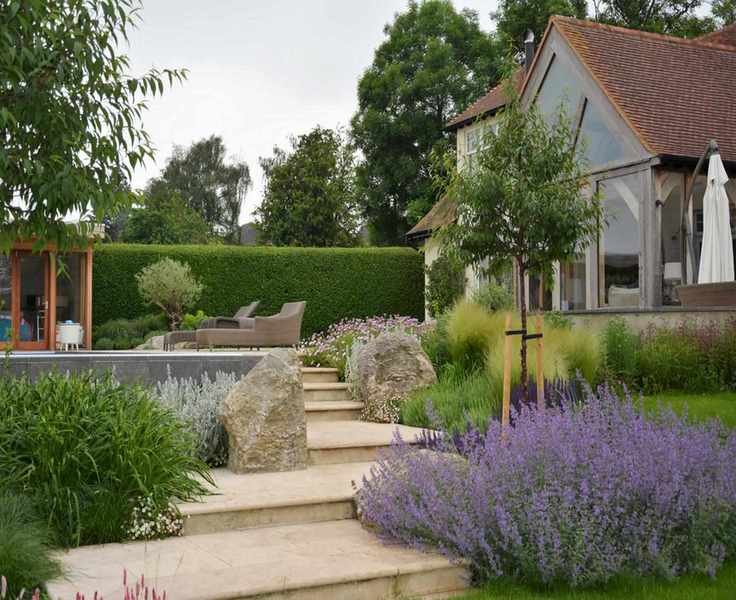
Plan for sufficient space for dining furniture or areas for games, and consider existing trees or structures that could enhance your design.
5. Create Zones and Connect Them
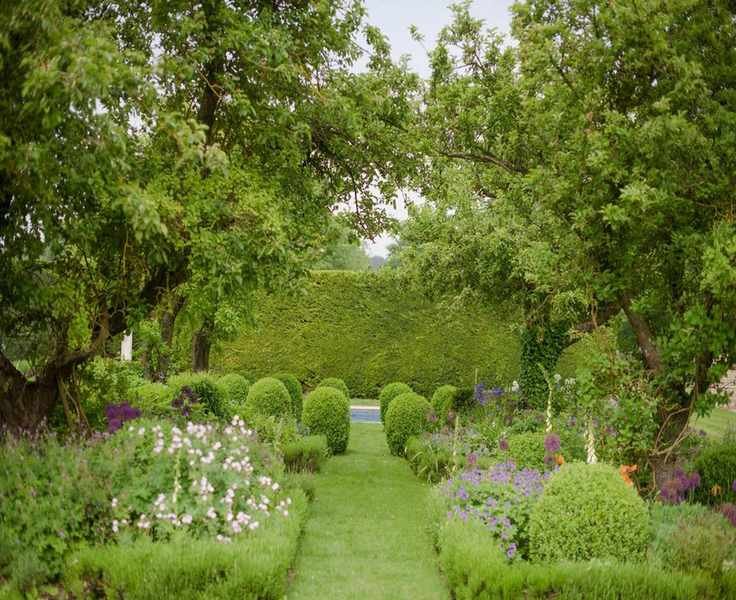
Establishing flow through your garden can enhance intrigue. Use pathways and planting to connect different areas of your yard.
Choose materials that harmonize with your home and consider light conditions when zoning different areas.
Finally, select plants that provide year-round interest, like evergreens and hedges, to maintain structure during off-seasons.
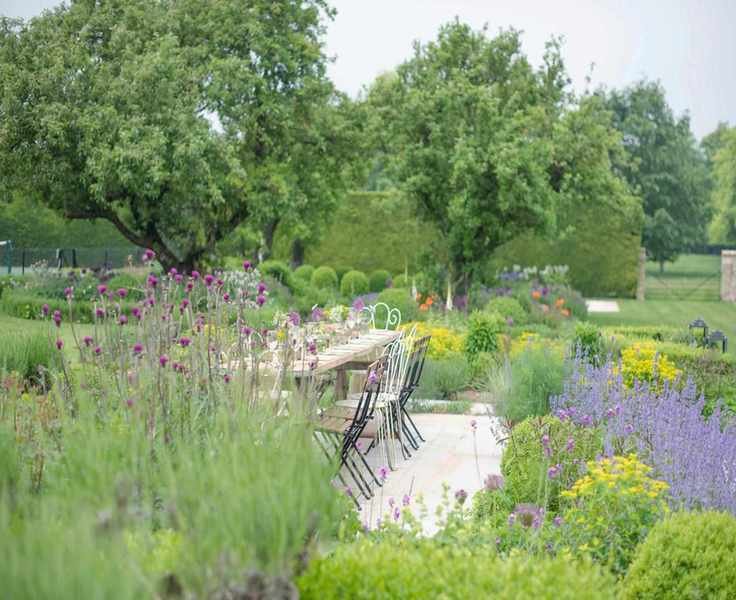
This design by Maitanne Hunt features defined dining and relaxation zones, surrounded by seasonal plants for year-round enjoyment.
6. Select Your Professionals
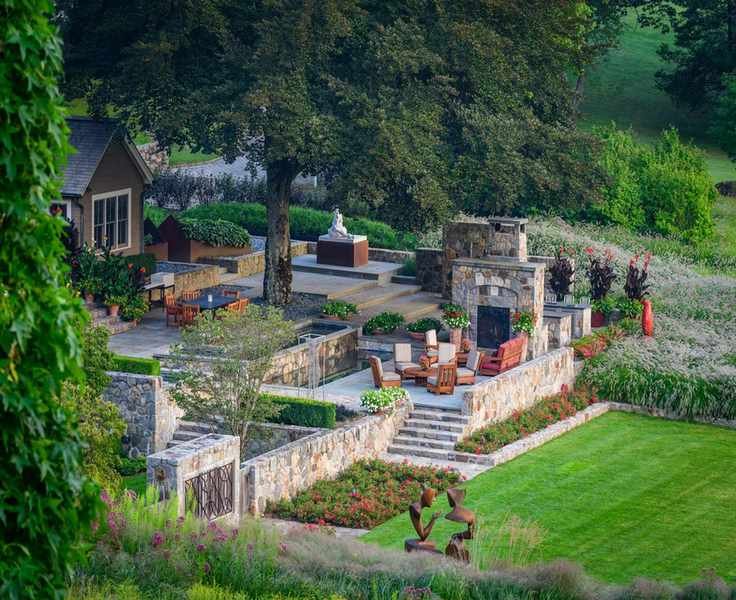
If you're unsure about your landscaping skills, consider hiring a landscape architect or designer. Their expertise is crucial for successful garden creation.
Choose a landscaping company with experience in garden design, as typical builders may lack the essential knowledge.
Landscapers can assist with both hard and soft landscaping, implementing the plans you've developed.
7. Clear the Area
Before beginning your new design, clear the area of weeds, debris, and unwanted growth. Retain useful elements like existing trees.
Levelling may also be necessary to create flat areas for patios and lawns, and terraces can add visual interest to sloped backyards.
8. Incorporate Outbuildings
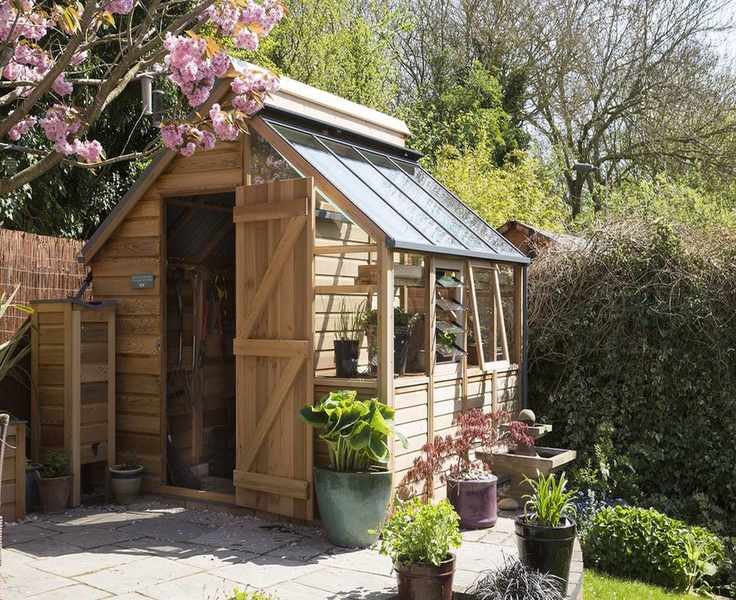
Plan for adequate storage for tools and gardening supplies. Consider building a shed or garden building as part of your landscaping project.
A shed can also serve as a charming feature in your yard, providing a space for growing plants or storing tools.
Check local regulations for any permits required for building structures in your yard.
9. Choose Suitable Materials
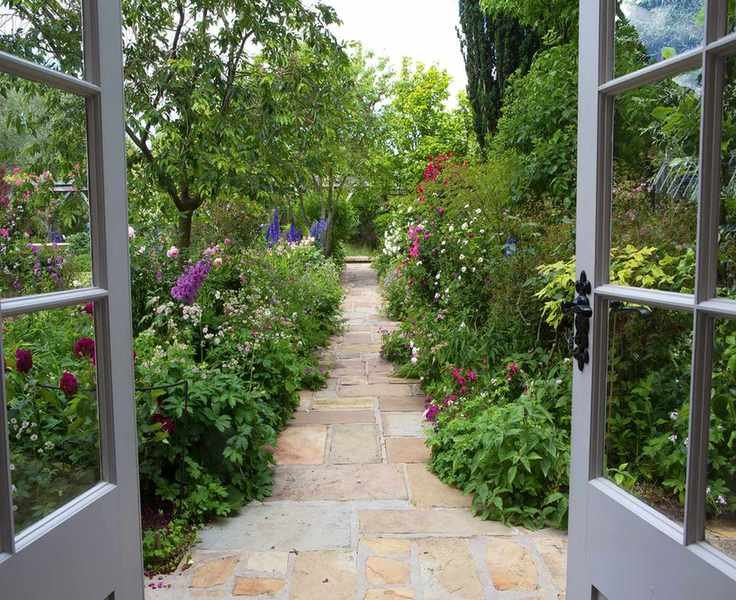
Materials should complement your house's architecture and existing garden elements. Local stone or materials that harmonize with your home are ideal.
Consider using Corten steel for edging, as its earthy tones blend well with many settings.
10. Implement Hardscaping
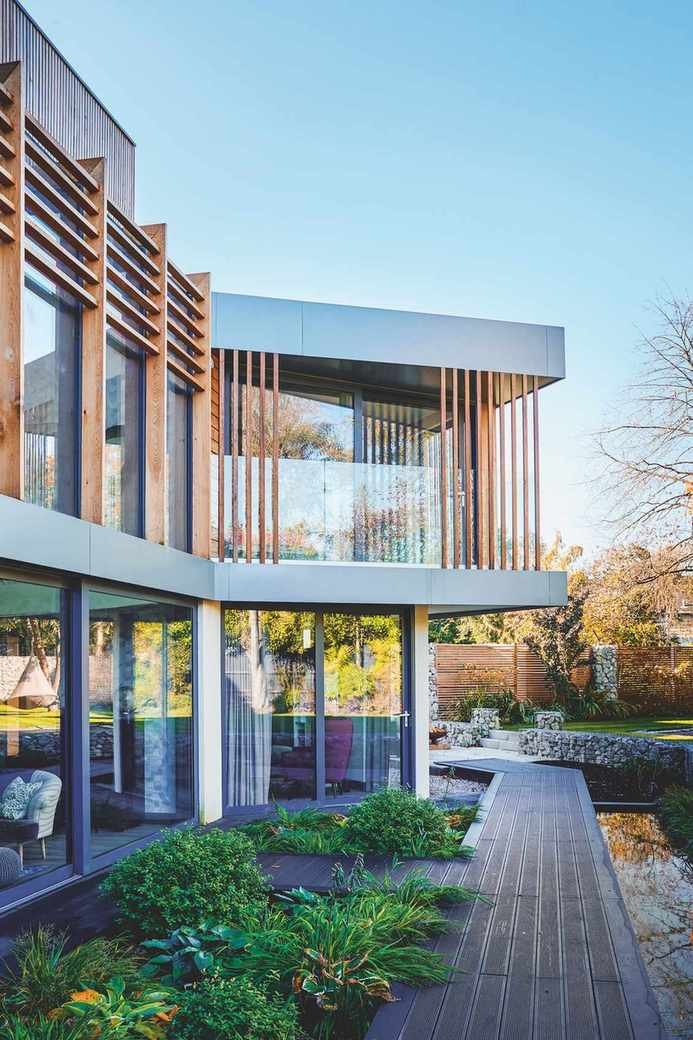
Hardscaping includes features like paths, patios, and walls, which can be designed using various materials to suit your style.
Durability and maintenance should factor into your choices, ensuring they fit your lifestyle and budget.
11. Balance Soft and Hard Landscaping
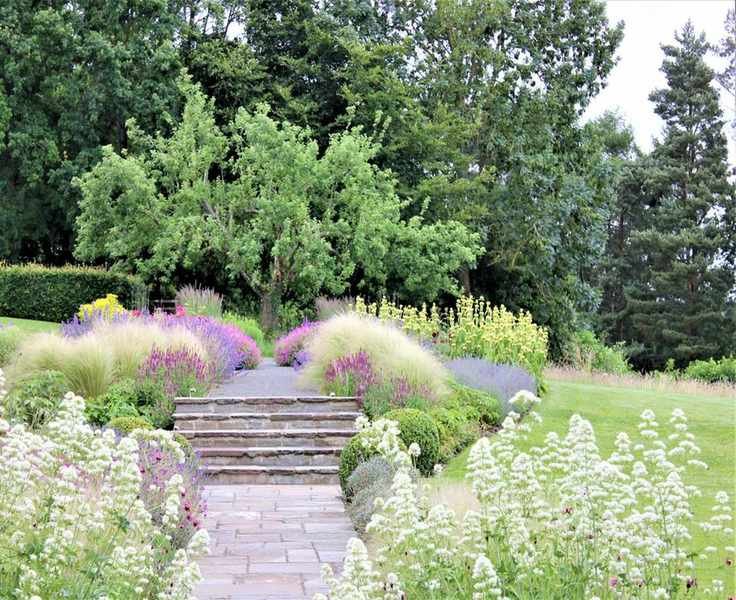
Balance your landscaping according to the size of your home. Larger houses may require more substantial hardscaping to avoid feeling dwarfed.
12. Add Planting
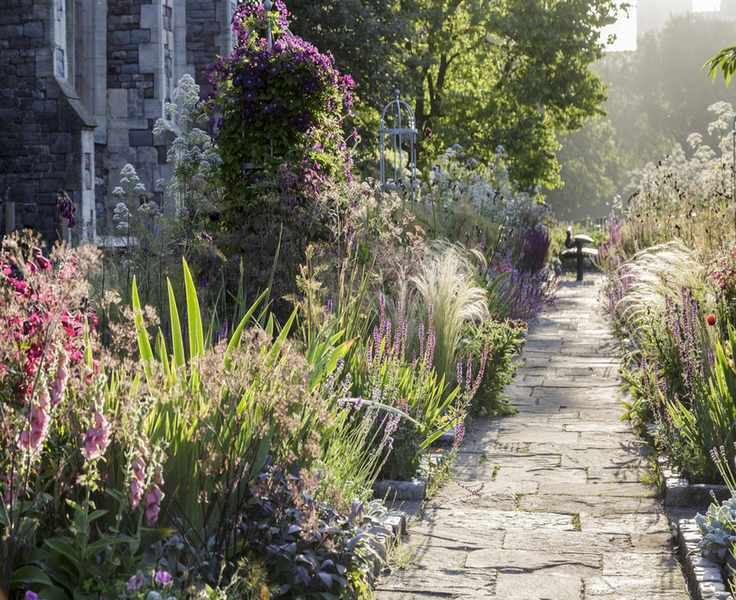
Planting is where many find joy in landscaping. Outline beds and improve soil with mulch or compost before planting.
13. Plan for a Kitchen Garden
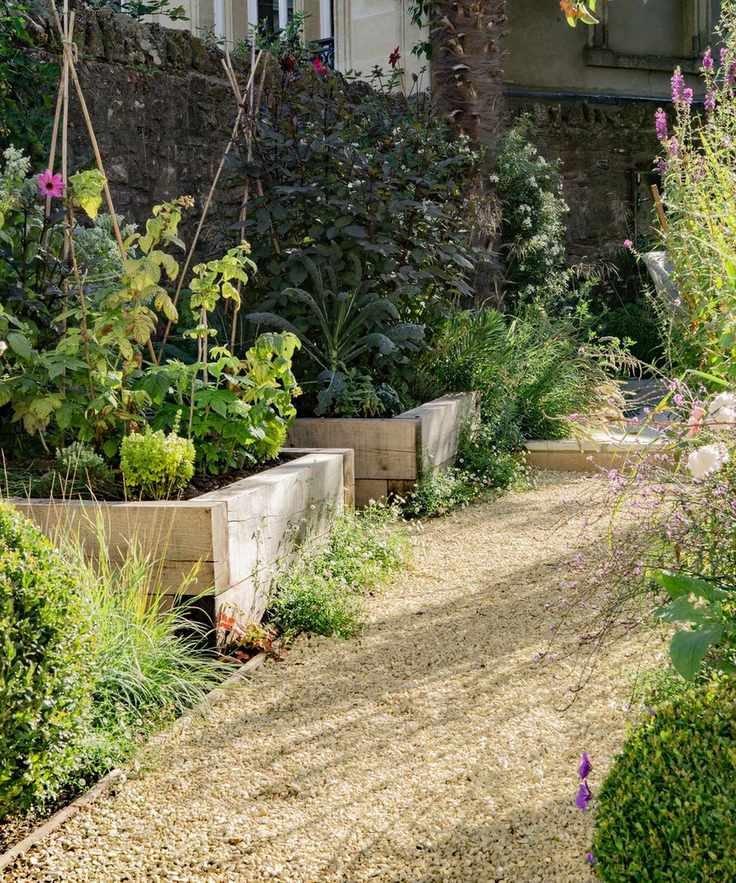
Incorporating a kitchen or herb garden can enhance your outdoor space, allowing for easy access to fresh herbs and vegetables.
14. Integrate Vertical Elements
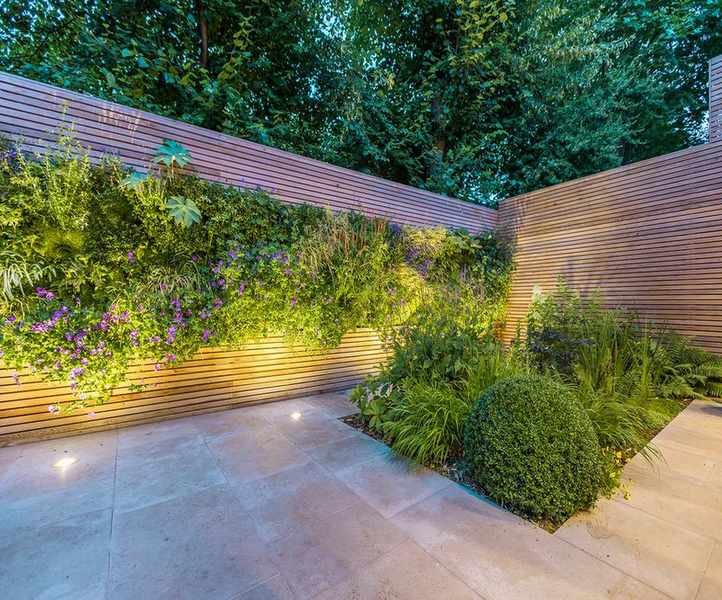
Vertical features add interest and dimension to your backyard, making it feel larger and more dynamic.
Consider using trellises or arbors to create visual appeal and enhance privacy.
How Do I Layout My Backyard?
Design your backyard by deciding whether to hire a professional or do it yourself. Establish functional spaces for various activities.
How Can I Make My Backyard Look Nice?
Combine sleek materials for a modern look or opt for charming rustic elements. The key is to create a cohesive design.
What Is the Cheapest Way to Landscape a Backyard?
DIY landscaping is the most cost-effective approach. Use budget-friendly materials and consider planting more than hardscaping.
How Do You Create a Simple Landscape?
Focus on using evergreen plants for structure, allowing time for plants to grow to reduce costs.
How Do I Make My Backyard Look Professionally Landscaped?
Incorporate focal points and consider scale for a polished appearance. Use contrasting colors for visual interest.
What Is the Average Cost to Landscape a Yard?
Costs can vary significantly based on size and materials, typically ranging from $2,000 to $30,000. Hardscaping usually comprises the majority of expenses.
Does Backyard Landscaping Add Value to Your Home?
A well-designed backyard can increase property value by over $20,000, reflecting the growing demand for outdoor spaces.