
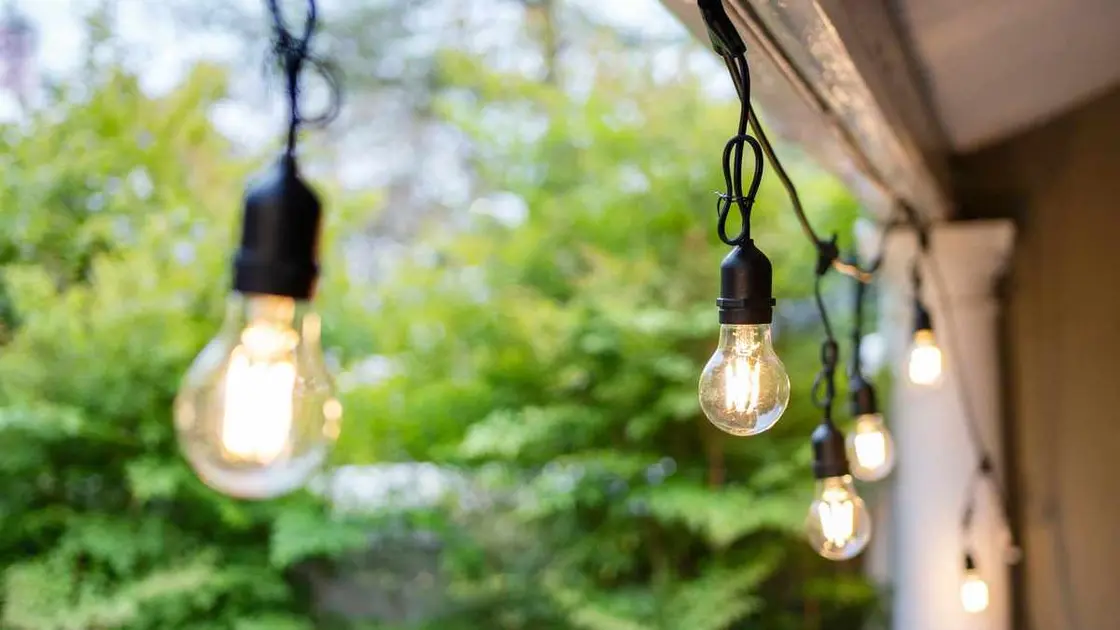
Solar lights are an excellent choice for illuminating your garden. They're affordable, easy to set up, and cost nothing to operate. However, many users encounter issues like dim lighting and short lifespan, often due to improper handling.
Sometimes, the problems stem from user error rather than product quality. While there are subpar solar lights available, many fail because they're not installed correctly.
I consulted an outdoor lighting professional about the most frequent solar light errors and how to prevent them.
1. Placing Solar Panels in Shaded Areas

A major blunder is positioning your solar panel where it doesn't get enough sun. Solar panels perform best in direct sunlight, and shade can significantly reduce their efficiency. This mistake often happens for two reasons.
First, solar panels can still absorb some light in shaded areas, making it seem like they're functioning. If your lights only shine for a few hours at night, they likely aren't receiving adequate sunlight.
Check your panel placement throughout the day. A spot that looks ideal in the morning may be completely shaded by evening.
2. Neglecting the Angle of Solar Panels
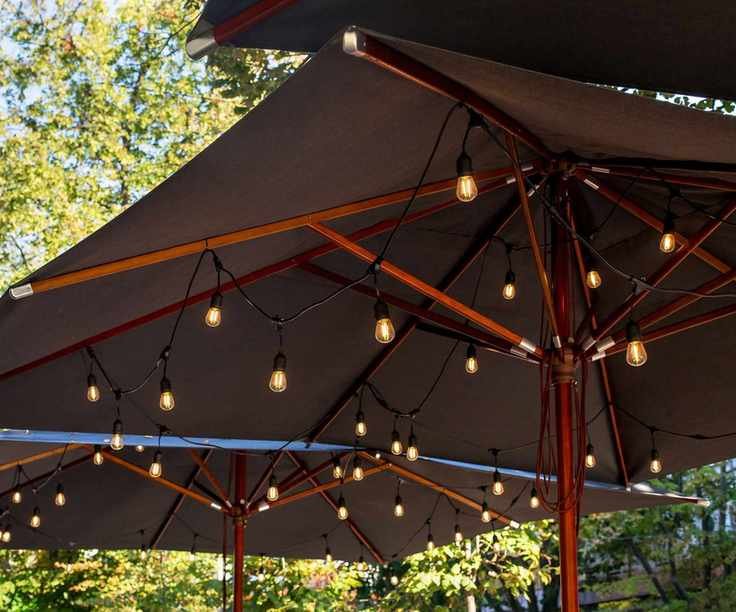
Another common error is overlooking the panel's angle. During summer, the panel should be flatter to capture the high sun, while in winter, a 45-degree tilt is better due to the lower sun position.
This adjustment won't make a huge difference but can extend the usage time of your solar lights, especially in northern regions where winter days are shorter and cloudier.
3. Choosing Inappropriate Lights
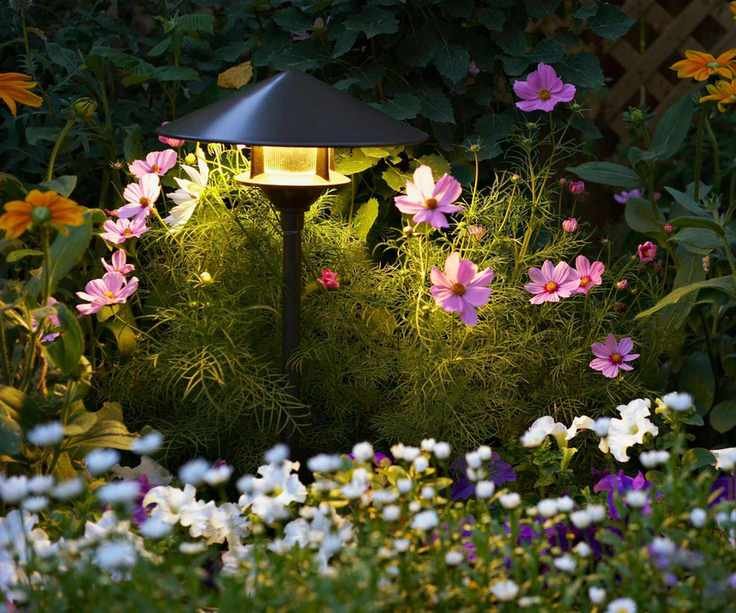
One frequent mistake is selecting the wrong type of solar lights. For instance, many purchase string lights for their patio, expecting them to provide sufficient illumination. This won't work, as string lights are designed for ambiance, not practical lighting.
Conversely, opting for harsh security lights for a cozy atmosphere can make the space feel overly bright and harsh.
For a beautiful setting, use string or rope lights. For functional overhead lighting, stick to bright festoon lights or lanterns. Use path lights with a minimum of 200 lumens for pathways, and select a spotlight for security needs.
Brightech Ambience Pro Remote Control
These stylish Edison bulbs offer both aesthetics and functionality. They come with a remote, allowing you to control your lights and conserve energy.
Brightown 58ft Solar String Lights
These string lights provide fantastic value, complete with a mounting kit and remote.
Volt Solar Lighting Kit
This set features four lights, including two path lights and two spotlights, ideal for garden illumination.
4. Overlooking IP and Lumen Ratings
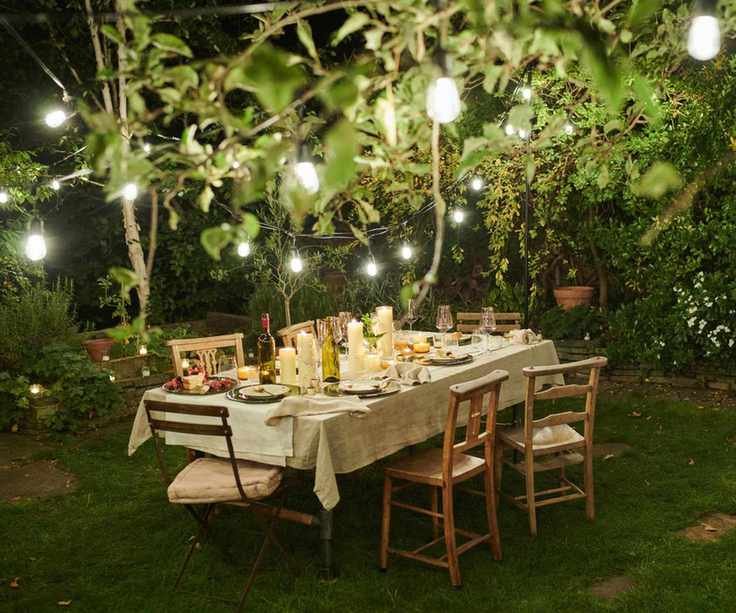
Understanding IP and lumen ratings is essential when selecting outdoor lights. An IP rating indicates how well a light is protected against dust and moisture. The higher the rating, the more resilient the lights are. While IP69 is the highest, IP65 is sufficient for outdoor use.
Lumens measure brightness; higher lumens mean brighter lights. Ambient string lights can range from 10-30 lumens, while practical path lighting requires about 100-200 lumens. For wall lights, look for 600-1000 lumens, and post-top lights should ideally be around 5000-8000 lumens.
5. Falling for Misleading Lumen Claims
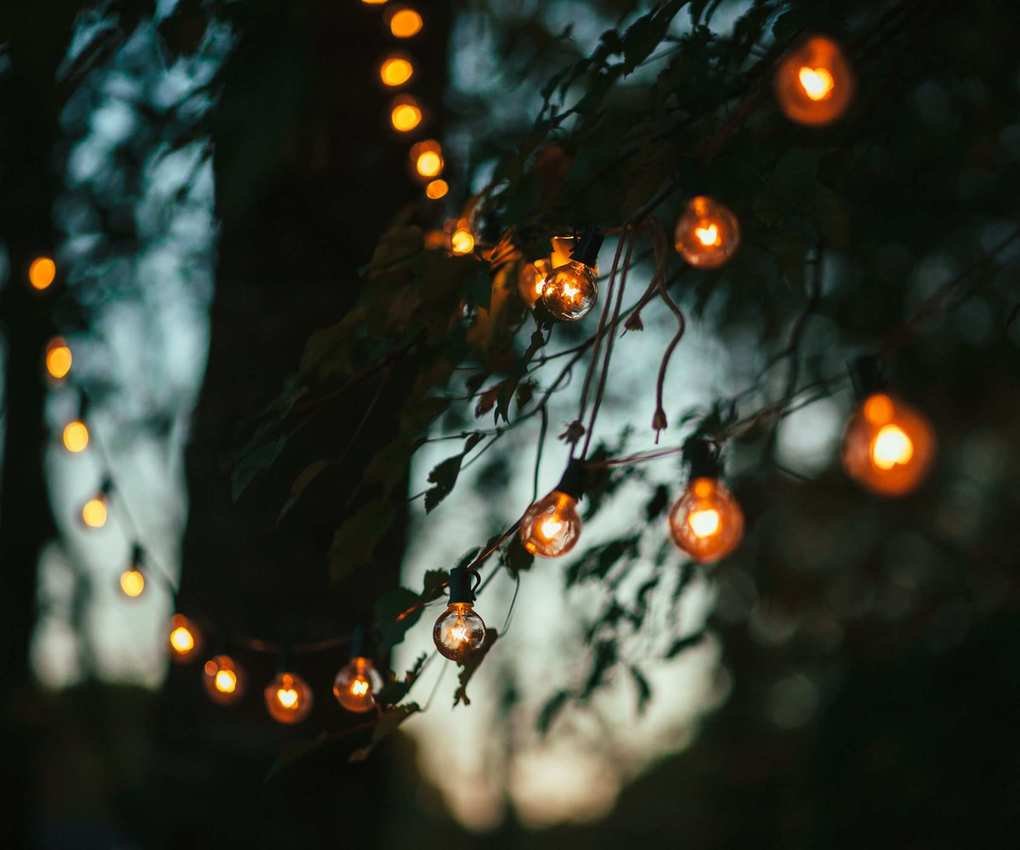
Be wary of advertised lumen ratings. An expert cautioned that 'solar lumen exaggeration is quite common.' Unlike powered lights that require certification, solar lights can have inflated lumen claims.
Unless buying from reputable brands that are UL or ETL certified, the lumen figures may not reflect reality. It's wise to verify with customer reviews, especially on platforms like Amazon.
6. Opting for Non-Replaceable Batteries

Many users complain about their solar lights failing after a few years, but often, it's just the batteries that need replacing. Frequently, the issue lies not with the bulbs or the wiring, but rather with dead batteries.
Experts note that lithium-ion batteries typically last 7-10 years, so anticipate replacing them or the entire units before that timeframe.
Some solar lights do allow for battery replacement, offering a way to extend their lifespan without needing to buy a new fixture.
Kolpop Solar Fairy Lights
This three-pack is a great deal, especially with the option to change the batteries when they stop working.
7. Not Considering Panel Planning
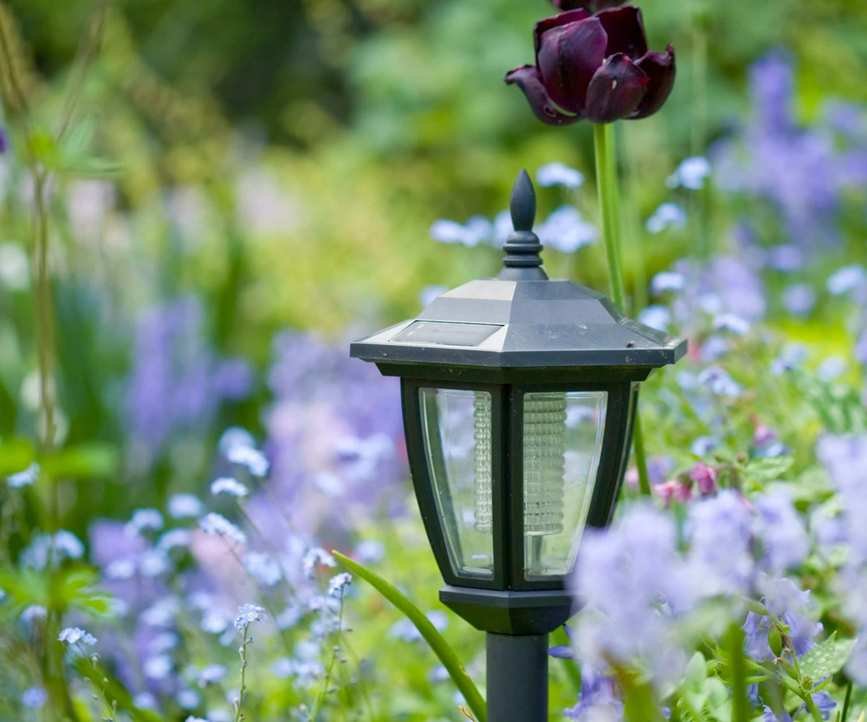
Many forget to plan for the solar panel, whether for optimal sunlight or for aesthetic reasons.
Consider that some solar lights come as one unit, while others have a separate panel connected by a wire. Choose wisely and ensure the panel has access to sunlight while being placed where you find it visually acceptable.
To disguise the solar panel, position it among dark ground cover plants like mondo grass or phlox.
8. Choosing Solar Lights as the Only Option
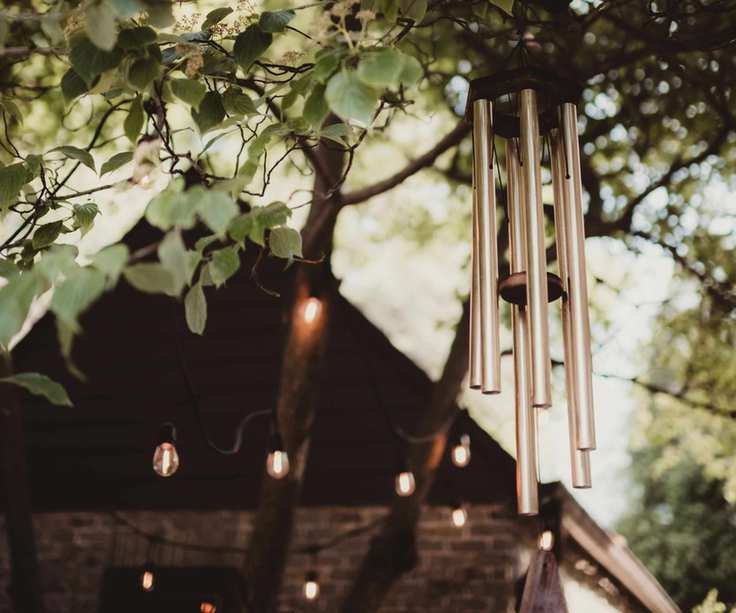
Solar lights serve well in distant spots, like tree lines or as security fixtures for sheds. They're a budget-friendly choice for those who can't invest in wired lighting.
However, wired landscape lights tend to be more reliable and easier to install, especially for patios or areas near the home. In the long run, wired systems can save money. If power is accessible, it's generally more economical than repeatedly replacing solar batteries and fixtures.
There are various tips to enhance your solar lights' performance. For example, applying a clear weatherproof sealant around the solar panel can improve its water resistance and make them more effective in winter conditions.



