
One of the most fulfilling aspects of being a plant enthusiast is propagating houseplants. Watching your plants multiply and seeing new growth emerge is incredibly rewarding, especially with varieties like aloe vera.
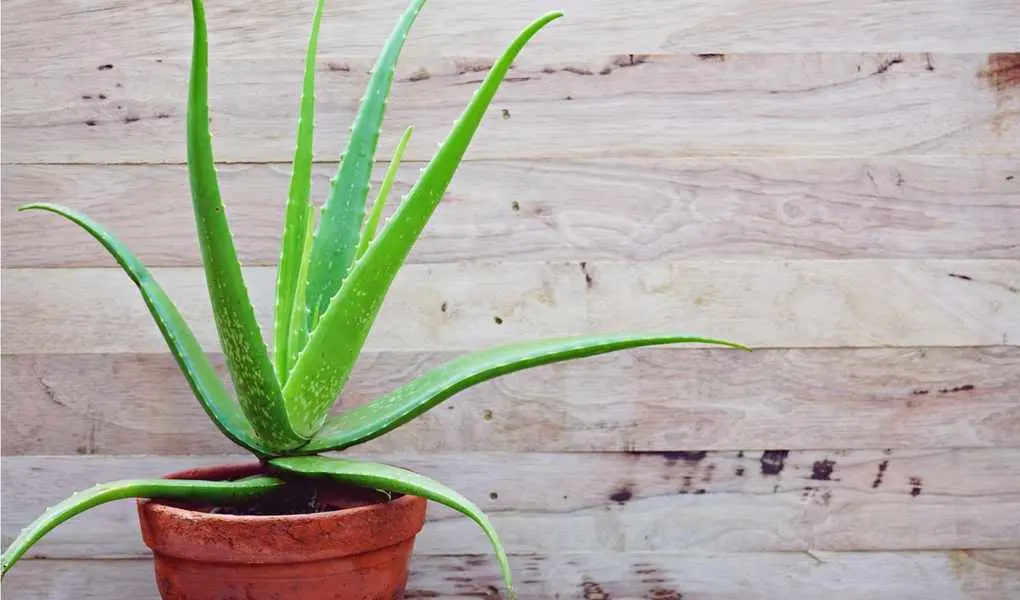
Aloe vera plants are stunning additions to any indoor space. Their elongated, pointed leaves contain a soothing gel commonly used for treating sunburns and other ailments. Thankfully, propagating aloe vera is a straightforward process.
Here are some simple steps to help you successfully propagate your aloe vera, ensuring you can enjoy this valuable houseplant in multiple areas of your home.

5 Simple Steps for Aloe Vera Propagation
Beyond their visual appeal, aloe vera plants are known for their air-purifying qualities and their ability to cool the surrounding environment. Propagating aloe vera from cuttings is one of the easiest methods, but there are a few key points to remember for success.
1. Select a Cutting from a Mature Leaf

One common mistake in plant propagation is taking cuttings incorrectly. The location and size of your cut are crucial and can differ from plant to plant, so it's essential to research the specific requirements for each type. For aloe vera, choosing mature leaves is vital.
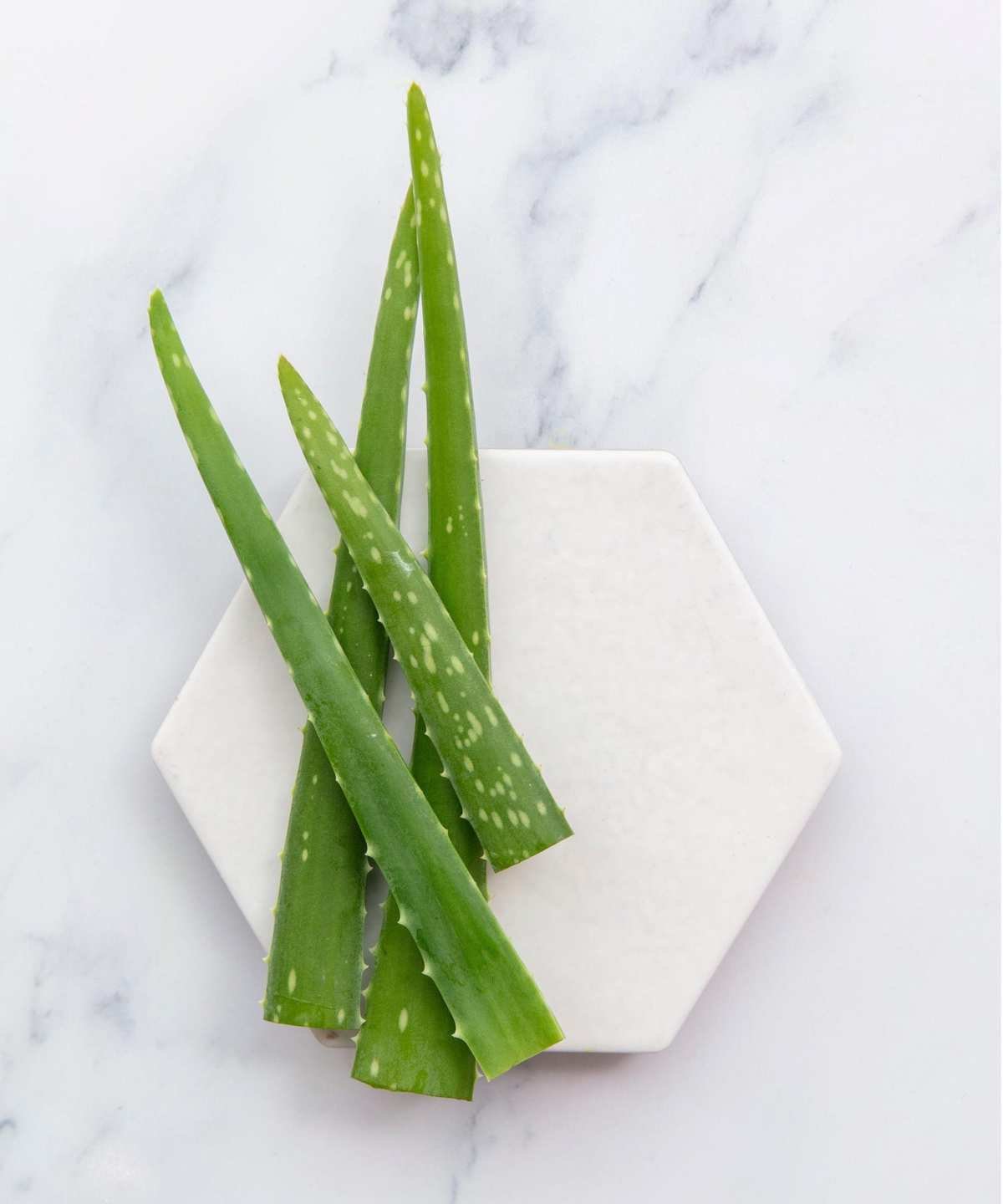
“Trim the end of a mature aloe leaf, aiming for a cutting that is 4-6 inches long,” suggests Julie Bawden-Davis, an indoor plant specialist. Ensuring your cutting is of this length significantly boosts the chances of successful propagation. Always use sharp gardening tools for a clean cut, and remember to clean your tools afterward to avoid spreading pests.
You can even take cuttings while pruning your aloe vera, which helps tidy up the plant while providing you with new propagation material.
2. Allow the Cutting to Dry

Unlike other houseplants, aloe vera cuttings require a special approach. The gel inside the leaf makes the end wet, so it’s crucial to let it dry before attempting to root it.
“Place the cutting on a clean surface in a warm, dry area away from direct sunlight and let it rest for 3-10 days until the cut area dries and forms a callous,” advises Julie.
The drying time will vary depending on humidity and temperature; cooler or more humid conditions may prolong the callousing process. This callous is the area where roots will eventually form, similar to the process of propagating other succulents.
3. Use a Rooting Hormone
Applying a rooting hormone can enhance root development for some cuttings. This substance contains nutrients that stimulate root growth, mimicking the plant's natural hormones.
Dip the end of your calloused aloe vera cutting into the rooting hormone, ensuring it has a uniform coating. If you need a recommendation, try this Bonide rooting powder from Amazon, suitable for various houseplants.
4. Plant in a Suitable Medium

With your cutting prepared, it’s time to plant it in a suitable medium for root development. Different plants thrive in specific potting mixes, so choose one that works best for your aloe vera.
“Use a moist but not overly wet propagation medium that consists of one part sand, one part potting soil, and one part perlite or pumice,” recommends Julie. This mixture provides essential nutrients and excellent drainage.
If you prefer not to create your own medium, you might opt for this fast-draining potting soil from Amazon to prevent overwatering and root rot.
Ensure only the calloused part of your aloe cutting is immersed in the soil, ensuring it’s well below the surface.
5. Provide Warmth and Bright Light
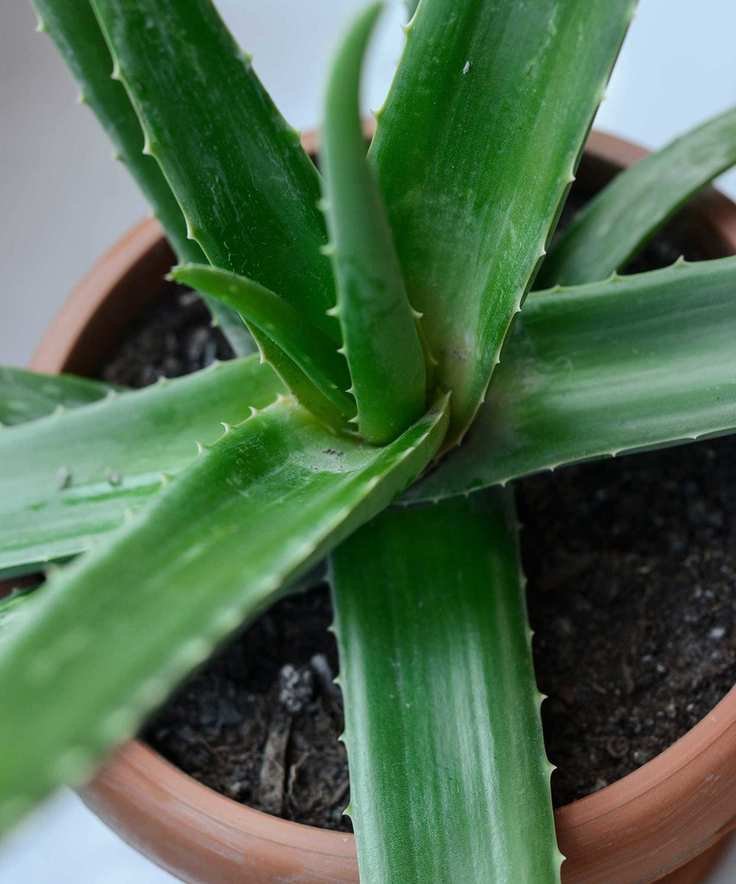
After placing your aloe vera cutting in the potting medium, it’s time to create the ideal conditions for it to grow roots. This means providing plenty of warmth and light.
“Keep the environment warm, ideally above 64°F, and maintain slightly damp soil while ensuring it receives bright light,” Julie suggests.
Consider growing your cuttings in an indoor greenhouse or under a grow light. This will help provide optimal conditions for root development. Remember to keep the soil moist but not soggy.
In approximately 4-6 weeks, your cutting should develop roots, although it may take longer in cooler conditions. You’ll know your aloe vera has rooted when you can gently tug on it and feel resistance, and new growth is another good sign.
FAQs
When is the Best Time to Propagate Aloe Vera?
For the best results, propagate when the plant is actively growing, which is typically in spring and summer. However, if you can provide adequate warmth and light, you can propagate aloe vera indoors year-round.
“I suggest avoiding winter for propagation if possible, as the cold can hinder the success of succulents like aloe,” advises Julie Bawden-Davis. “If you must, use a seedling heat mat to keep your cuttings warm,” she adds.
What Size Pot Should I Use for Aloe Vera Cuttings?
Aloe vera plants do best in smaller pots with good drainage. For propagation, a 5-inch pot is ideal. As your aloe grows, be sure to repot it to avoid becoming root-bound, but this slow-growing plant can typically remain in the same pot for several years — just watch for roots pushing out of the drainage holes as a sign it's time to repot.
Propagating aloe vera from cuttings is straightforward, and you can quickly expand your plant collection by following a few essential steps. The key to success lies in taking your cutting correctly and providing optimal conditions for root growth.
Once your new aloe vera plants are established, keep them healthy by offering appropriate care, including less frequent watering than you might expect, as these succulents thrive even during dry spells.



