

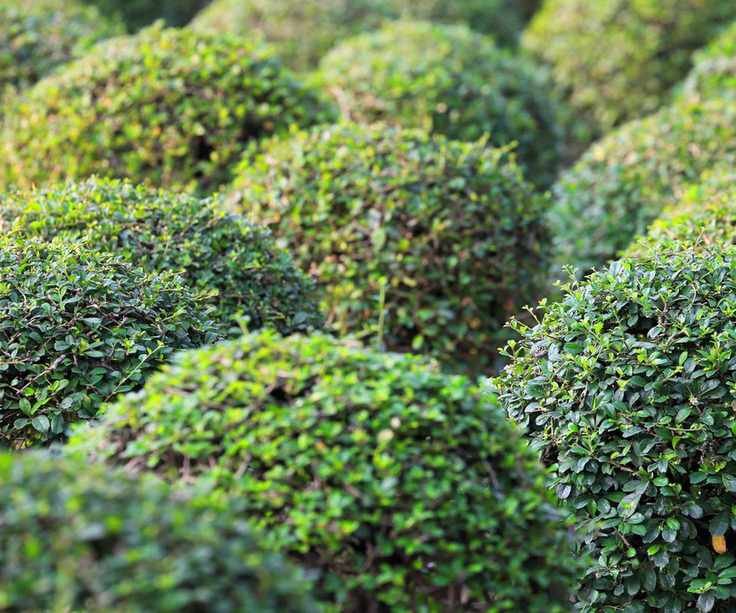
Cloud pruning, or Niwaki, is a traditional Japanese method that transforms shrubs and small trees into living sculptures. This technique not only enhances the natural beauty of your plants but also brings a serene balance to your garden. With some patience and practice, anyone can learn to create these artistic shapes in their own backyard.
This unique pruning style emphasizes the distinct features of each plant, integrating them harmoniously into their environment. By trimming trees and shrubs into flowing, rounded shapes reminiscent of clouds, you can craft visually striking focal points. This style isn't limited to Japanese gardens; it can enhance any garden design, from classic to contemporary.

Which Trees and Shrubs Are Ideal for Cloud Pruning?
Japanese privet and box-leaved holly yield beautiful results when cloud pruned. Buxus, a staple in topiary, is another popular option. Additionally, small pines or yews are well-suited for this technique. Opt for plants with interesting branch structures as these will form the foundation of your design.
David Angelov, a gardening expert, notes that common plants for cloud pruning include buxus, yew, privet, and various pines. These species tolerate frequent pruning without requiring cuts to a node, making them ideal for continuous shaping.

David Angelov is the CEO and Founder of a growing garden design company based in Massachusetts. With years of experience working alongside a renowned designer, he now leads a business focused on both interior and exterior garden projects.

Essential Tools for Cloud Pruning
To begin cloud pruning, ensure you have quality pruners or secateurs. The latter is particularly effective for larger leaves. It's crucial that your tools are sharp and clean for precise cuts during the shaping process.
Using sharp blades minimizes disease spread and ensures cleaner cuts, promoting quicker healing, according to David Angelov. Investing in a pruning sharpener is a wise choice that extends the life of your tools.
Consider adding these items to your toolbox:
- ARS Hand Pruner
- ARS Needle Nose Pruner
- Loppers Hedge Shears & Pruners Combo Set
Perfecting the Cloud Pruning Technique
Before commencing, visualize the desired shape. Regularly step back to assess your progress from a distance.
It's best to work with the natural tendencies of the plant, finding harmony between its growth and your envisioned outcome.
Starting with younger shrubs simplifies the process, as they haven't yet developed established shapes. Focus initially on trimming the central growth and main branches, leaving only the tips for future shaping.
Hold off on pruning the main branch tips until the desired height and width are achieved. In the meantime, concentrate on the side shoots. Once the plant matures, you can refine the end shapes into spheres or ovals.
When planting new shrubs for cloud pruning, avoid a linear arrangement; nature rarely presents plants in straight lines. Instead, stagger shrubs and incorporate curves for a more organic appearance. Mixing mature and younger plants of the same variety can enhance visual flow.

Complementary Plants for Cloud-Pruned Shrubs
Experiment with various plants in your garden to create a stunning mix of structured forms alongside softer, looser-pruned varieties.
Cloud-pruned trees and shrubs thrive in gravel gardens and large containers, but they also enhance borders. To provide contrast, consider adding plants with dynamic movement, like bamboos or ornamental grasses. Additionally, Japanese maples offer diverse colors and textures, enriching the overall design.
FAQs
What's Crucial for Cloud Pruning?
Having quality, clean, and sharp pruning shears is essential. They ensure tidy cuts and simplify the pruning process, promoting plant health.
Which Shrubs Should Be Avoided?
Steer clear of cloud pruning rhododendrons, azaleas, hydrangeas, or any shrubs sensitive to pruning, those with large leaves, or deciduous varieties.
Creating your desired cloud-pruned effect may take years, especially with young plants. With patience and gentle pruning, your efforts will yield rewarding results.



