
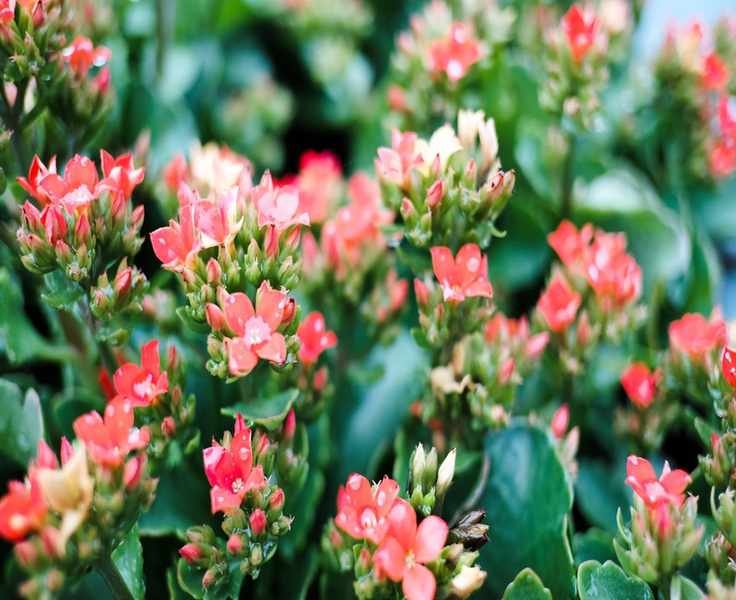
If you're seeking a striking indoor flowering plant, a kalanchoe is a fantastic option. With its vibrant flowers and thick, glossy leaves, it can instantly enhance any room.
These easy-care plants are also among the fastest-growing succulents, making them a delightful choice for gifting, especially since they bloom in early spring, typically around February. Kalanchoes can seamlessly follow winter blooms like paperwhites and Christmas cacti.
With proper care, these resilient plants can flower year after year.
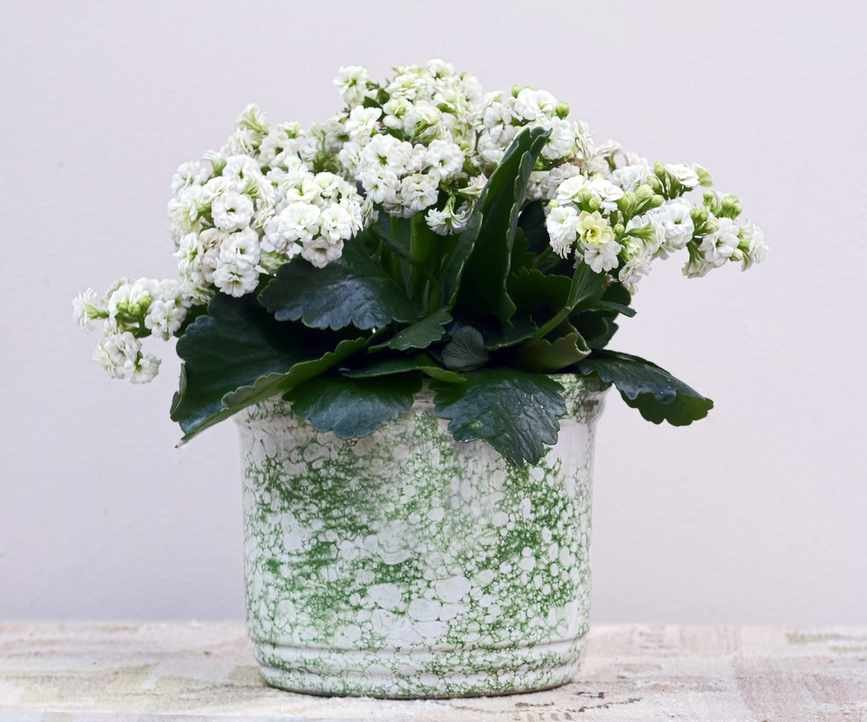
Top 3 Tips for Kalanchoe Care
From the best placement for your plant to watering techniques, here’s how to ensure your kalanchoe thrives.
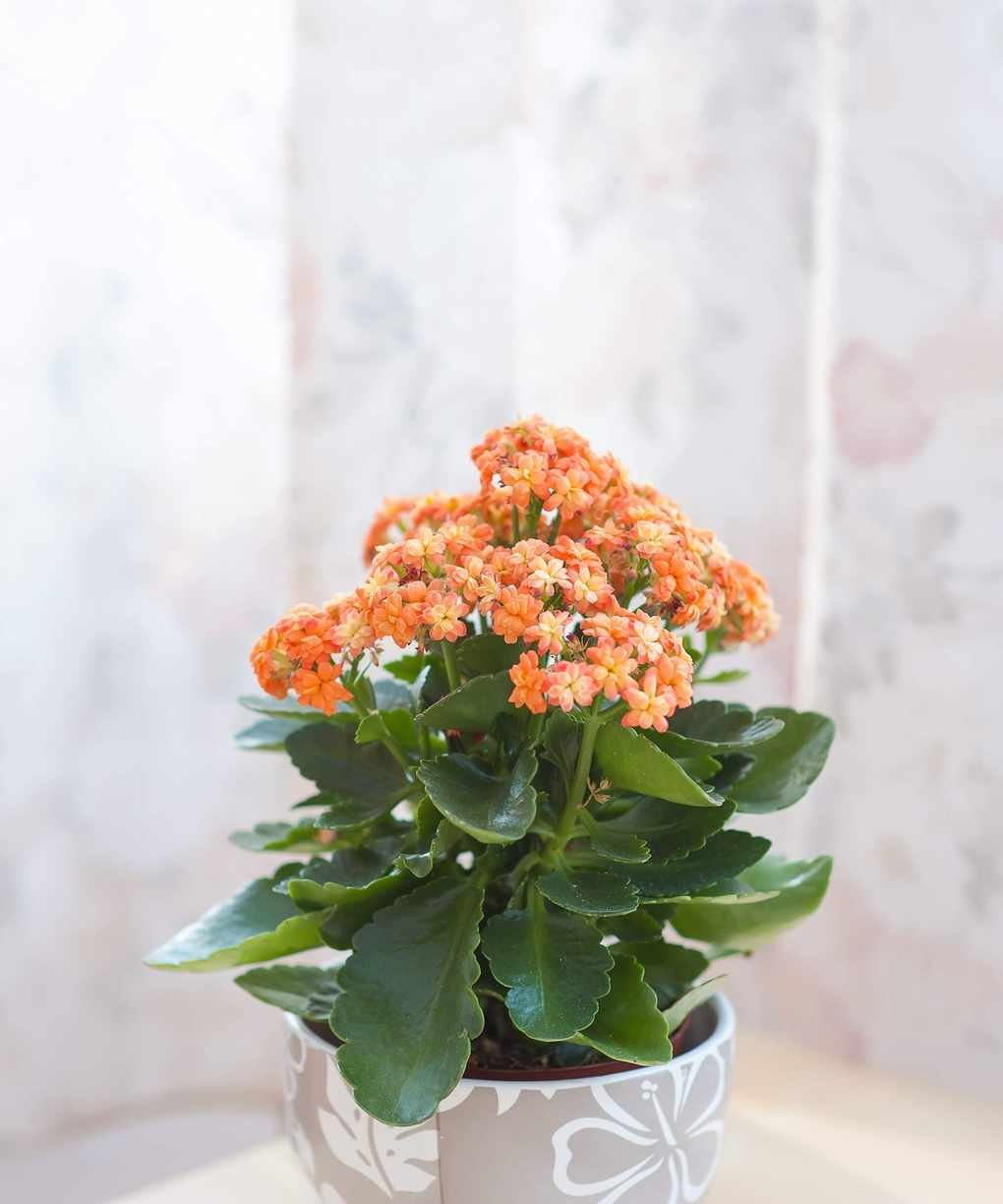
1. Position in Bright Light
Kalanchoes thrive on sunlight, so placing them in a bright spot is crucial. A south-facing window is ideal for maximizing sun exposure, while a west-facing window is also suitable.
Regularly rotating your plant helps prevent it from leaning towards the light, promoting even growth.
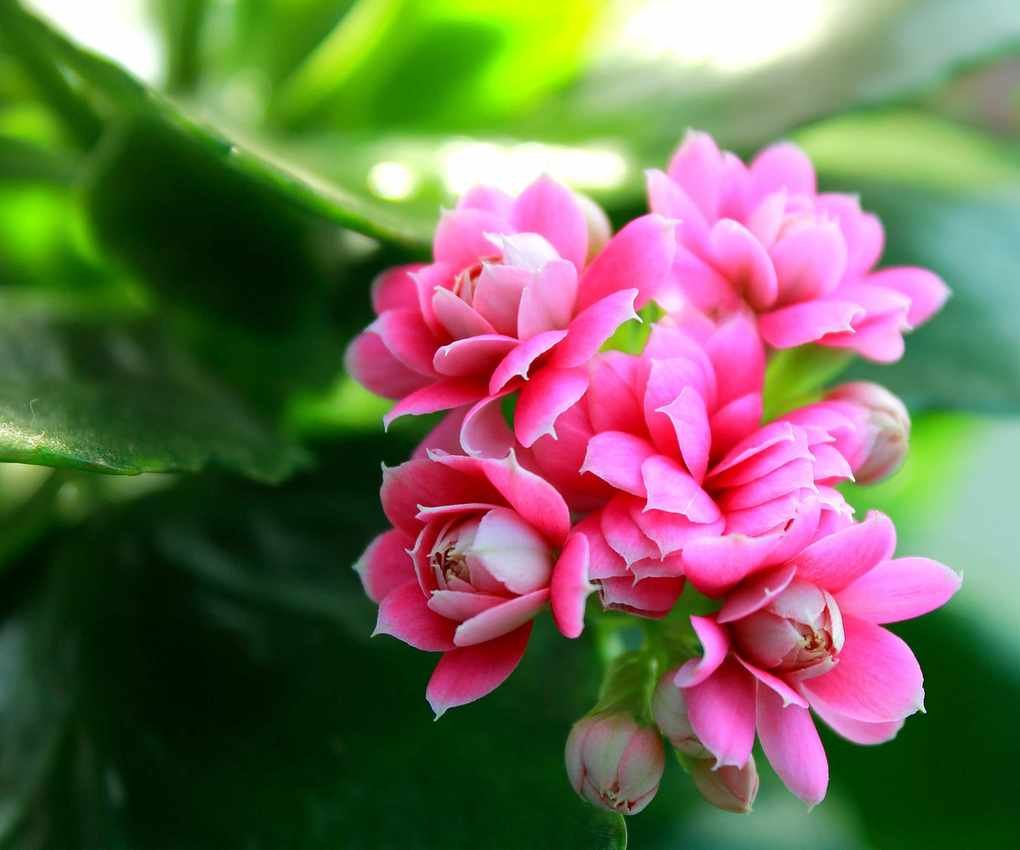
2. Keep It Warm
These plants hail from Madagascar, which means they prefer warm environments. Protect your kalanchoe from chilly drafts by keeping it away from windows and doors during colder months.
While managing indoor heating can be tricky, maintaining a temperature range of 50–70°F during the day and 45–65°F at night will keep your plant content.
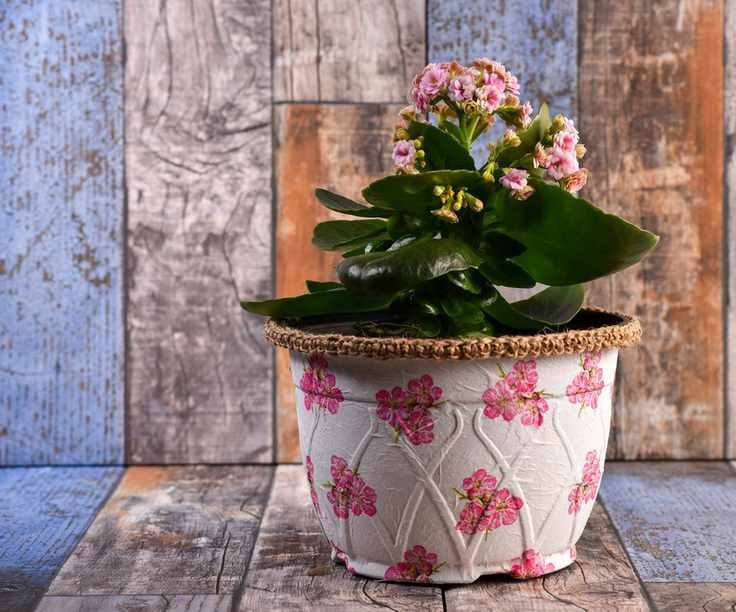
3. Use Proper Soil
Ensure your kalanchoe is planted in a well-draining potting mix to prevent root rot. A gritty cactus mix is ideal, or you can enhance standard houseplant soil with perlite for better drainage.
Most succulents, including kalanchoes, prefer slightly acidic soil.
How to Encourage Kalanchoe to Re-Bloom
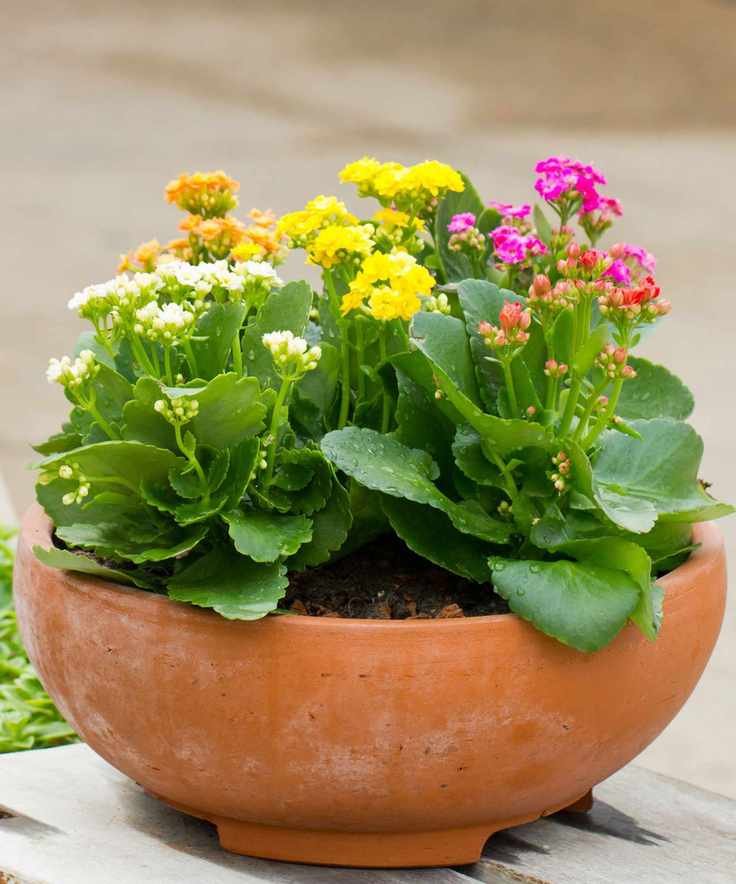
The kalanchoe’s beautiful flowers typically bloom around February but can be coaxed to flower again with the right care. These colorful options from Walmart serve as great examples.
To stimulate blooming, it's essential to mimic its natural conditions. This involves giving it darkness for most of the day.
“Place your kalanchoe in total darkness for at least 14 hours daily during dormancy. After about eight weeks, you should notice buds forming,” advises a plant expert.
Additionally, reduce watering and stop feeding during this phase. Removing spent flowers and dead leaves can also promote new growth.

FAQs
How to Propagate Kalanchoe?
Propagating kalanchoe is easier than you might think and a great way to expand your collection. Cut a stem with a clean blade and let it dry for a couple of days before placing it in soil to develop roots.
Water it once it begins to establish new leaves and feels secure in the soil.
When to Water Kalanchoe?
Like other succulents, water your kalanchoe only when the soil is completely dry, as it stores moisture in its leaves. Tepid rainwater is ideal for hydration.
If you're looking for more flowering houseplant ideas, consider exploring how to care for a poinsettia, tips for nurturing a thanksgiving cactus, or the best times to plant amaryllis bulbs for holiday blooms.



