
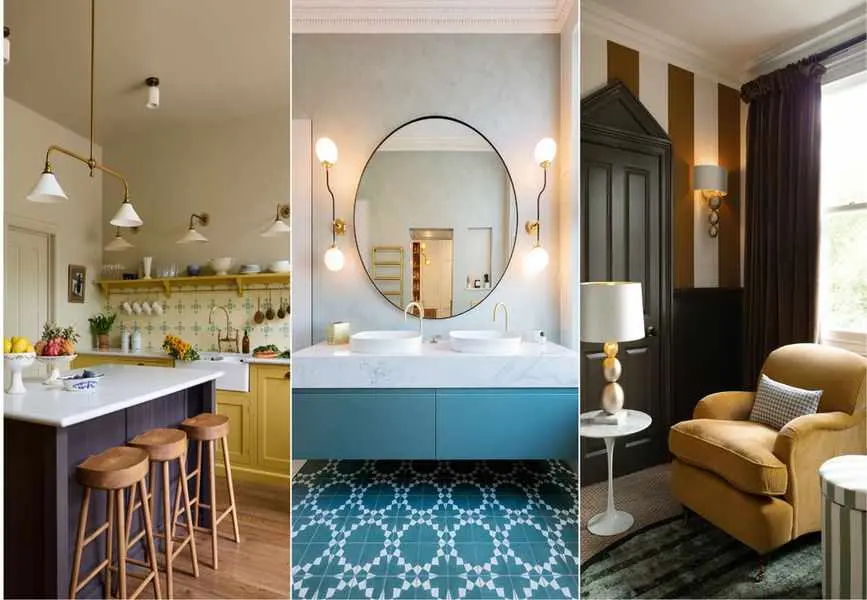
Layered lighting is an essential component of effective interior design, as any seasoned interior designer would agree. Instead of relying solely on one light source, it's important to utilize multiple layers of lighting custom-tailored to the room's function and the mood you wish to create. This approach fosters adaptable, comfortable, and practical living spaces.
Designer Laura Hammett states, 'Lighting acts as a silent partner that establishes the atmosphere, boosts usability, and alters our perception of a room.' Thoughtful lighting concepts are just as vital as any furniture piece, with the right combination of different lighting types achieving balance, warmth, and depth.
Knowing how to effectively layer lighting can be daunting, as there are numerous factors to weigh. Each area of your home, from functional spaces like kitchens and bathrooms to relaxing settings like bedrooms and living rooms, requires unique lighting solutions based on size, purpose, and desired ambiance. To help you navigate this, we've gathered insights from experts on how to layer lighting in various rooms, along with their tips for creating a soft yet practical scheme.
What is Layered Lighting?
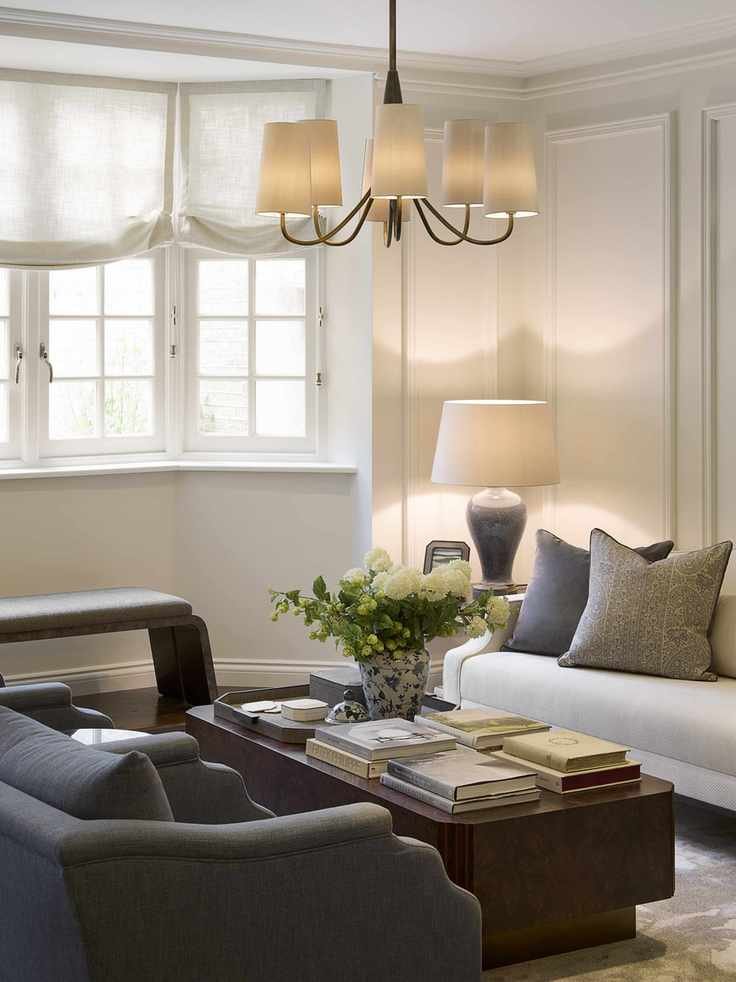
Layered lighting involves the integration of multiple light sources within a single area to cultivate a space that is both functional and visually appealing. An effective layered lighting plan typically combines three primary types of lighting: ambient, task, and accent, each serving a distinct role. Incorporating various fittings and lighting styles that can be independently controlled allows you to adapt the light to meet different needs and moods throughout the day.
Ambient – Ambient lighting serves as the main light source in a room, providing illumination that helps us navigate the space. This lighting is often supplied by ceiling pendants or downlights, forming the foundational layer upon which task and accent lighting are built.
Task – Task lighting focuses on specific areas to assist with particular activities. Examples include desk lamps that direct light onto a computer, pendant lights over kitchen islands for food preparation, or floor lamps placed near reading nooks in living rooms.
Accent – Accent lighting highlights certain features in a room and is mainly decorative. Picture lights, wall sconces, and other fixtures used to illuminate architectural details fall into this category.
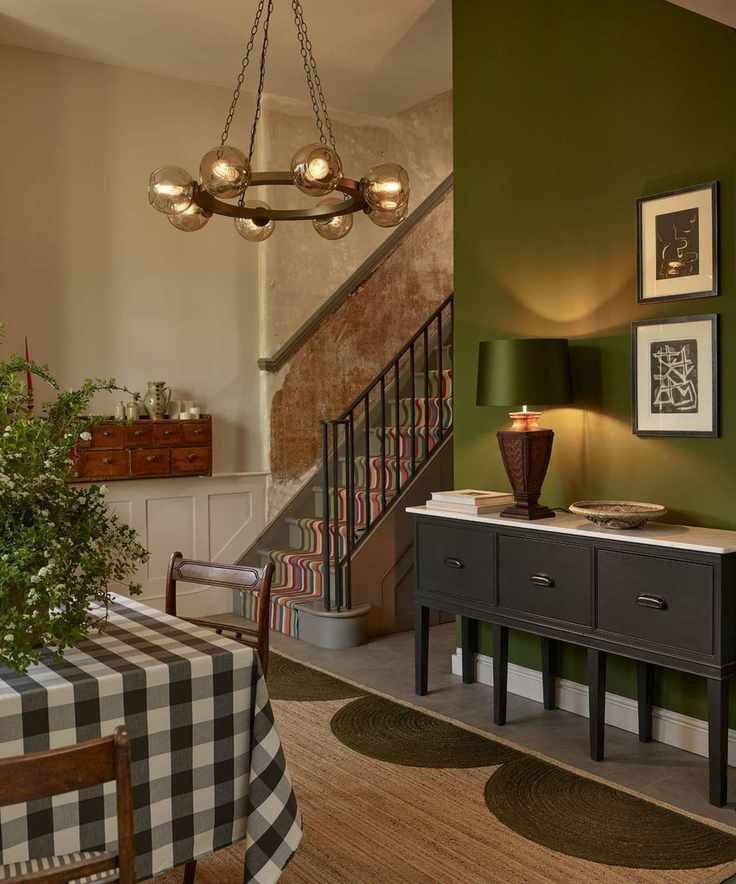
The types and quantities of light sources required will differ from room to room, depending on its function, size, and the atmosphere you wish to create. While every room needs ambient light, the intensity may vary; for instance, a bathroom may necessitate brighter ambient light compared to a bedroom, which benefits from softer, subdued lighting. Similarly, utilitarian spaces like kitchens typically require more task lighting, while living rooms often rely more on ambient and accent lighting.
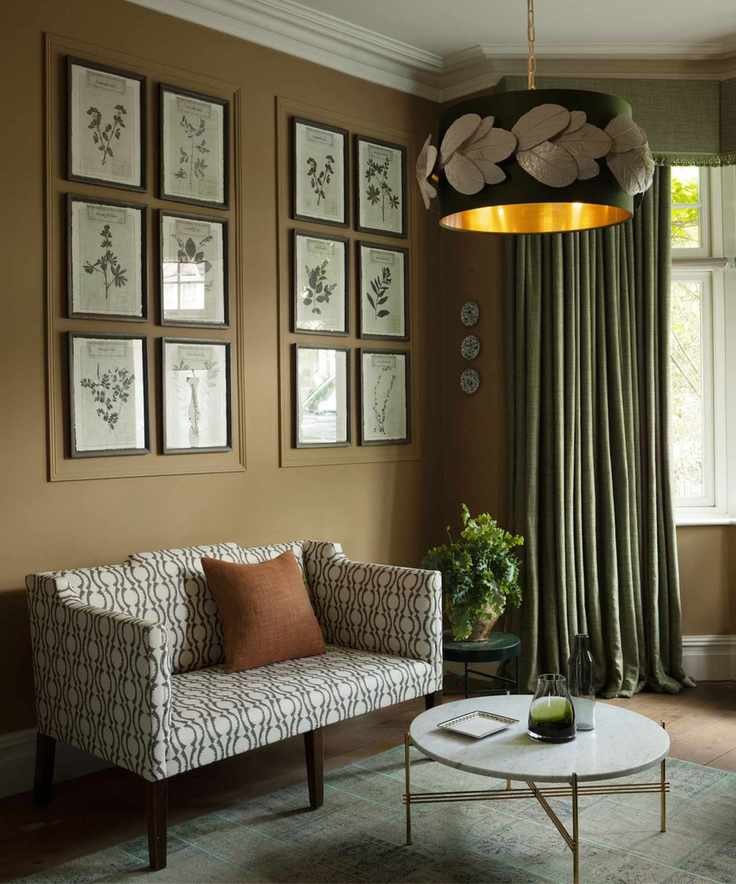
According to Hollie Moreland, Creative Director at David Hunt Lighting, 'A multi-layered lighting strategy offers flexibility through various light sources, from striking overhead displays to individual pendants, decorative wall lights, and unique table lamps.'
She continues, 'Considering these diverse elements is crucial for creating the ideal atmosphere in each area of your home, whether it's a cozy reading nook, a brightly lit cooking space, or a tranquil area for relaxation. This thoughtful approach to lighting is increasingly vital as our homes serve multiple functions with various daily activities happening in the same space.'
When Should You Plan Layered Lighting?
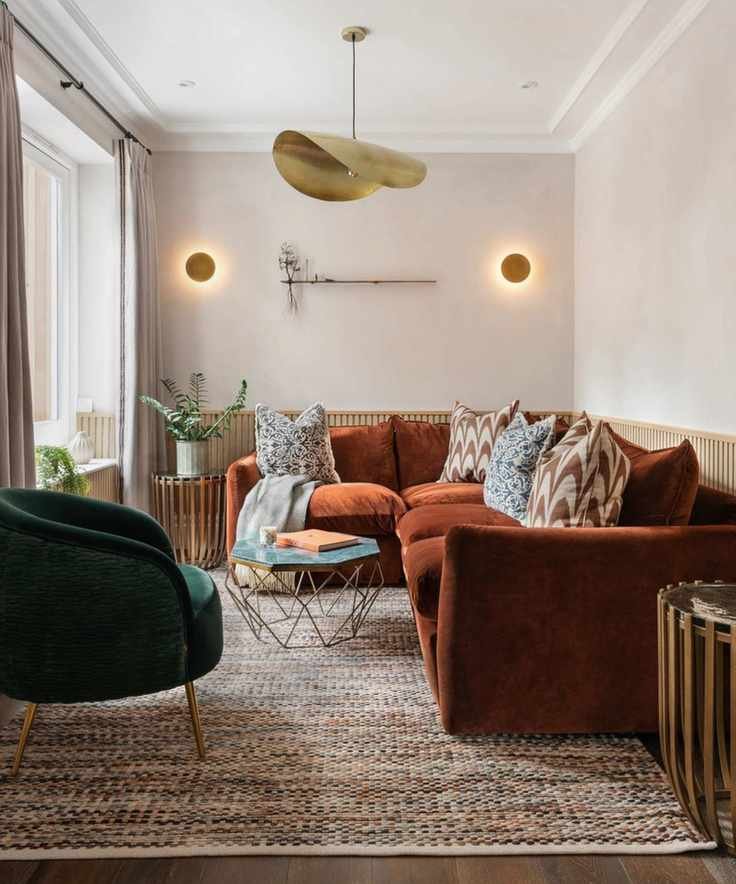
To maximize a space's potential, it's essential to consider lighting from the beginning rather than as an afterthought. If you are remodeling, ideally, you need to integrate lighting into your room layout to ensure proper wiring installation.
Luke Thomas, design director at John Cullen Lighting, emphasizes, 'Lighting design should be a key part of the initial design process. Early planning allows for seamless integration of lighting into the architecture and optimizes the results. Collaborating with lighting designers early on enhances the overall experience of the space.'
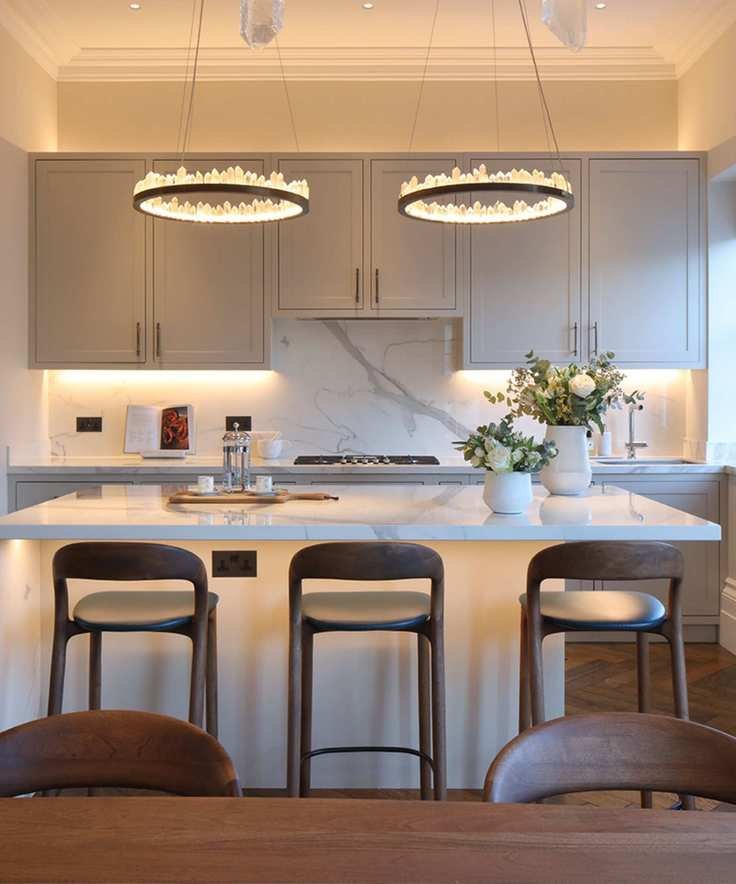
Pia Pelkonen, founder of Pia Design, adds, 'We recommend planning your lighting design alongside the furniture layout. This approach ensures that light sources are positioned where they are most needed.' A successful scheme should feature a combination of downlights, pendant lights, wall fixtures, and, where feasible, recessed strip lighting that can create ambiance or highlight special design elements.
For optimal flexibility with your layered lighting, it's best to have different lighting types wired on separate electrical circuits. This allows you to operate them independently, tailoring the lighting layers based on how you plan to use the space and the time of day. Planning ahead is vital, so discuss this with electricians from the start.
How to Layer Lighting in a Kitchen
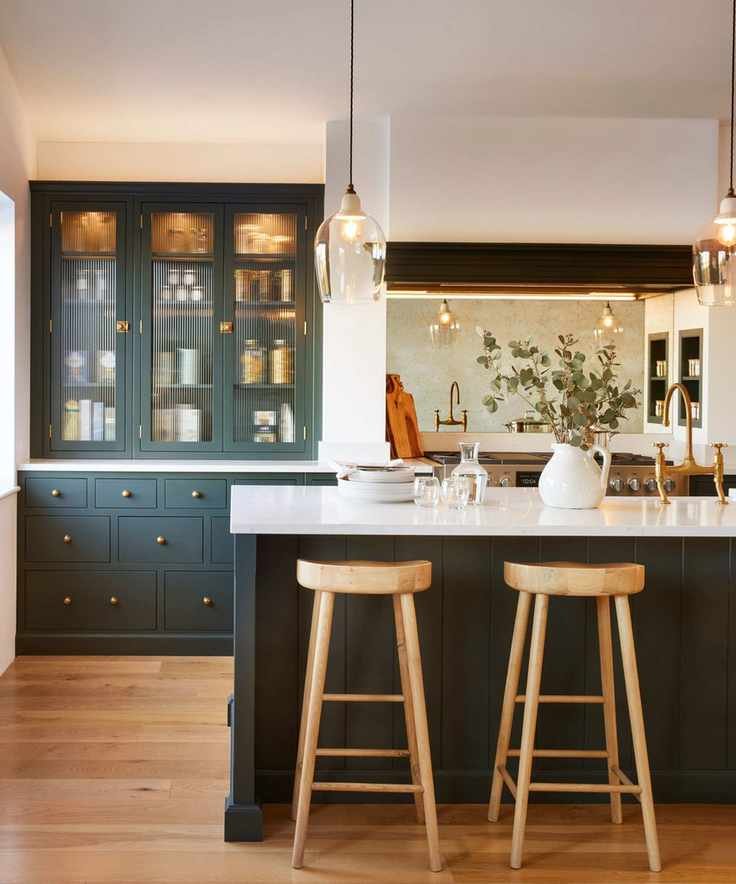
Kitchens were once seen as strictly functional spaces, with lighting primarily limited to bright overhead fixtures, strips, or spotlights. While it's crucial to have adequate lighting for tasks, kitchens have evolved into multifunctional living areas, leading to a trend toward layered lighting schemes that offer more versatility.
When designing kitchen lighting, start by establishing your ambient light sources. This might include spotlights recessed into the ceiling, pendant lights, or a combination of both. Adjustable track lighting is also a great option, especially in areas with skylights. If ceiling lights aren't feasible, such as in listed properties or due to ceiling constraints, wall lights can provide ambient illumination.
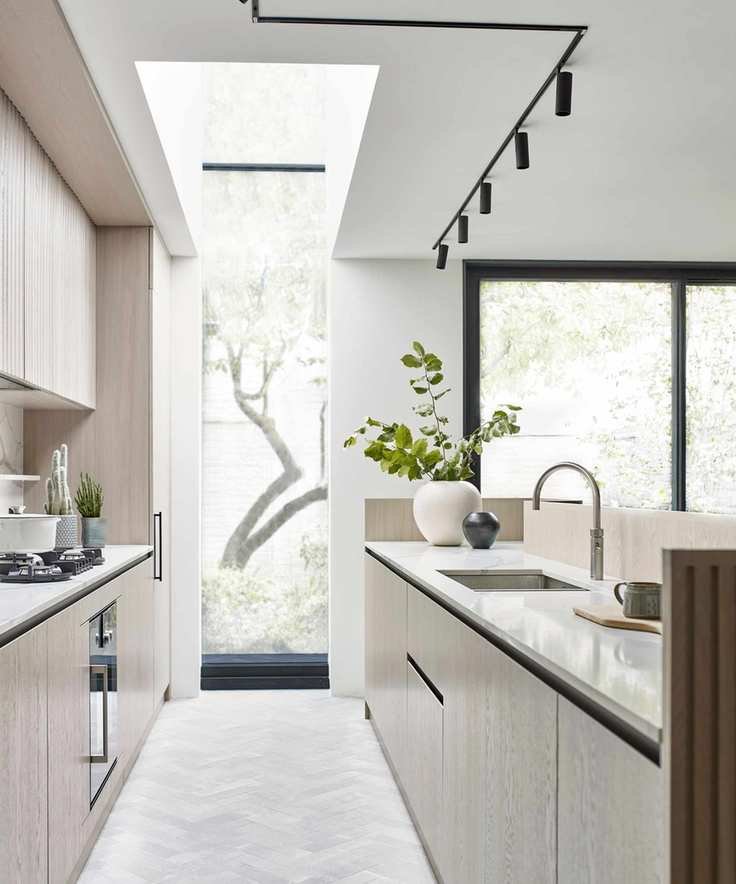
Next, consider task lighting for work surfaces and cooking areas. 'I highly recommend installing task lighting below your wall cabinets to cast shadow-free light across the workspace,' suggests Irene Gunter, founder of Gunter & Co.
Statement pendant lamps above kitchen islands or dining tables not only illuminate surfaces but also serve as decorative elements. 'It's crucial to consider the height of pendant lamps over a kitchen island to maintain clear sightlines and avoid glare. We typically position pendants at least 75cm above the work surface,' Irene advises.
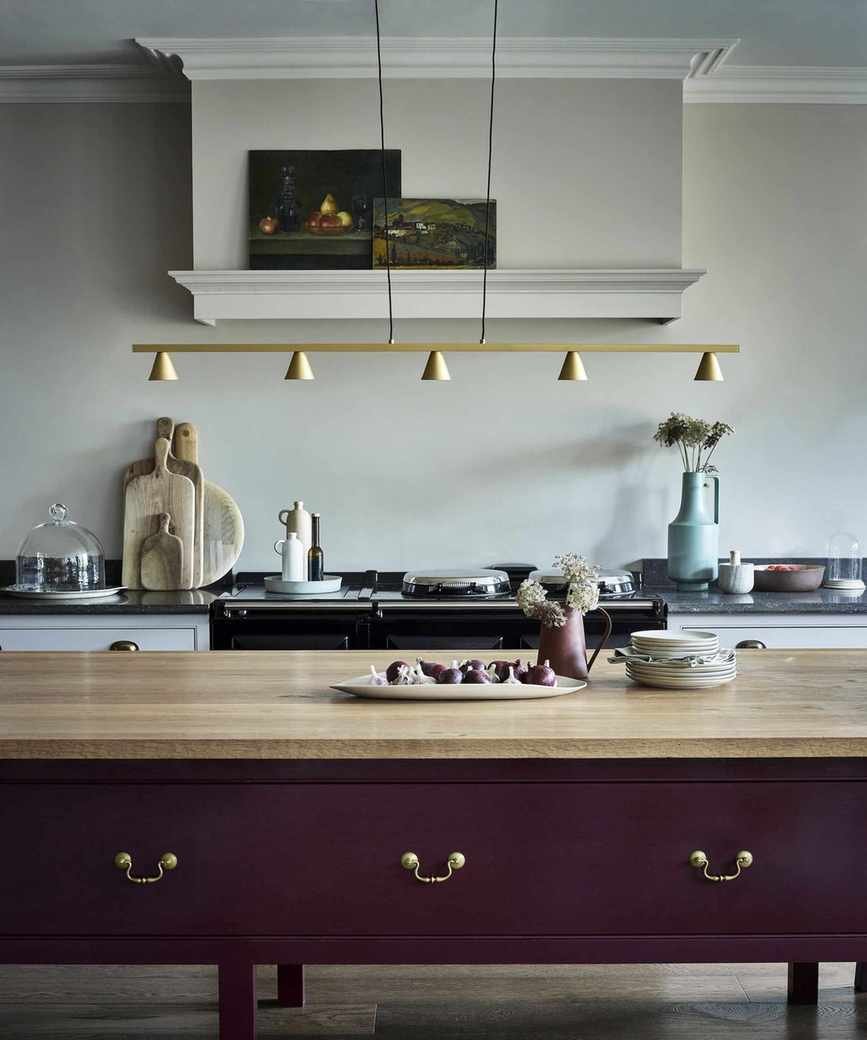
For kitchens, avoid total reliance on recessed spotlights; instead, incorporate pendant lights, table lamps, and wall fixtures to create distinct 'zones' within the space. 'Pendants over a kitchen island or bar can significantly enhance the kitchen's aesthetic,' says Rohan Blacker, CEO of Pooky Lighting.
If your kitchen includes a dining area, focus your lighting around the table rather than the entire room. A chandelier or a low-hanging pendant over a round table, or a series of small pendants over a long table, makes a stunning focal point. Then, add layers in the rest of the room with smaller wall lights or table lamps, allowing you to adjust the mood from vibrant family lunches to intimate dinners for two.
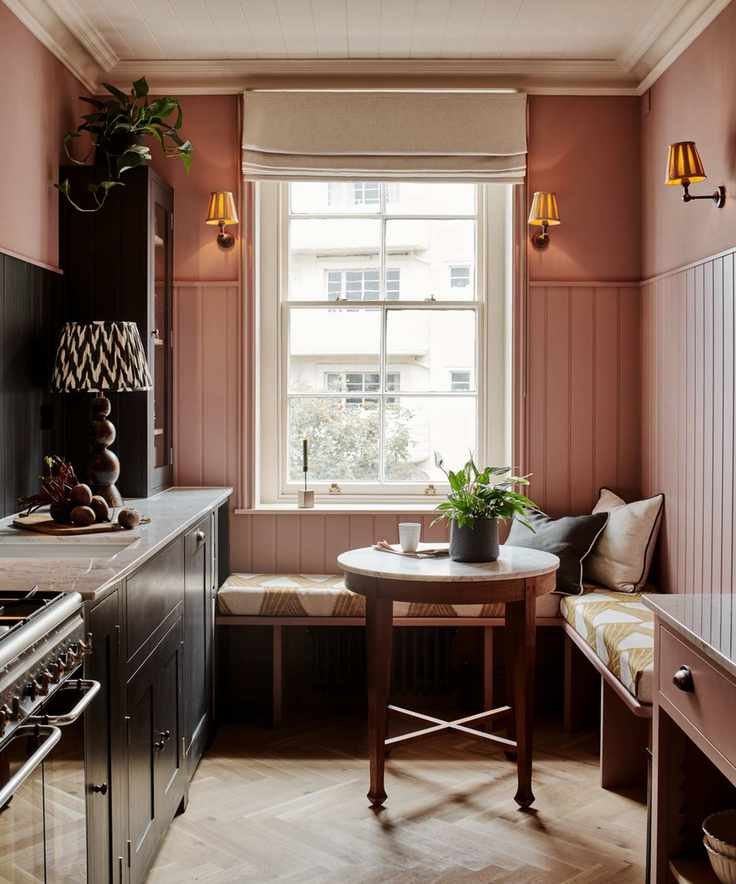
Incorporating accent lighting through kitchen wall lighting and cabinet lights is another excellent way to enhance kitchen illumination. Increasingly, solid-door wall cabinets are being replaced with open shelves or glazed cabinets, providing opportunities to include accent lighting. Adding LED strip lights or spotlights along the back of shelves or inside glazed cabinets not only highlights the contents but also contributes to the room's welcoming ambiance.
'Glazed kitchen cabinets can beautifully showcase personal items. However, to truly highlight them, ensure you have some form of internal lighting,' advises Richard Davonport, director of Davonport. 'You might opt for a spotlight embedded in the top of your cabinet, or if you have multiple shelves, consider LED strip lighting under each one.'
How to Layer Lighting in a Living Room
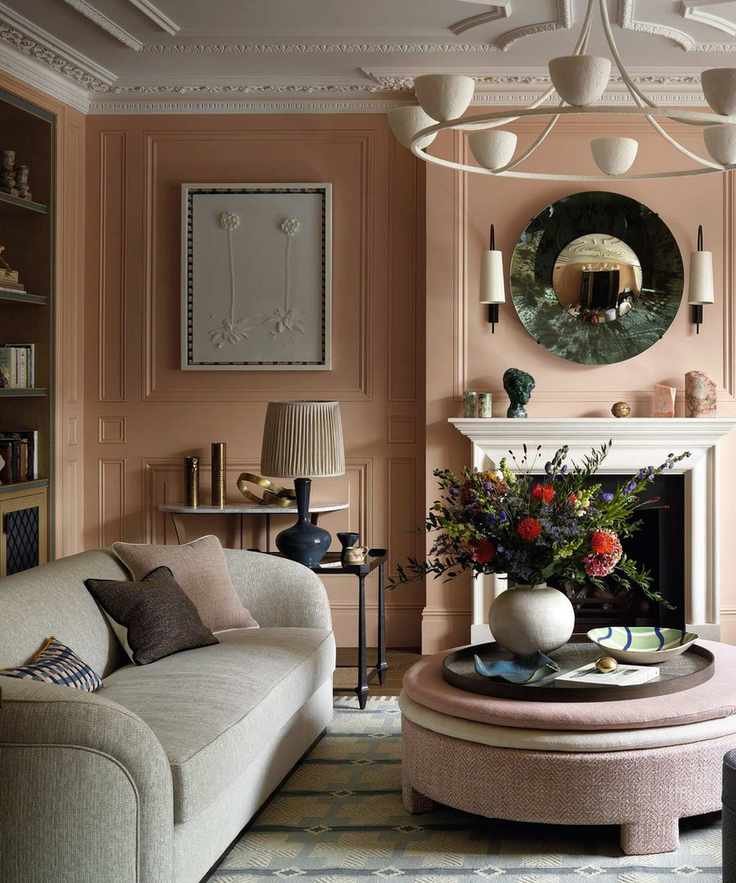
The lighting choices for your living room should reflect how you intend to utilize the space. Always begin with ambient lighting. For those with high ceilings, showcasing a statement chandelier can be impactful.
'Start with suitable ceiling fixtures: opt for statement pieces for high ceilings and flush mounts for standard heights,' suggests Laura Hammett, founder of Laura Hammett Interiors. Whatever ambient light source you select, it's crucial to pair living room ceiling lights with additional light sources to create varied moods.

'In a living room, it's vital to avoid relying solely on the central overhead light. This creates a flat, uninviting environment. Instead, consider adding a lamp on a side table next to the sofa or establishing a reading nook with a floor lamp,' advises Rohan Blacker.
'Combine these with wall sconces for a gentle glow throughout the space and picture lights to softly illuminate artwork. And why limit lighting to the edges of a room? With the latest rechargeable options, you can place soft, glowing lights on your coffee table, footstool, or even your bookshelf.'
Living rooms are often where we display art and collectibles. To showcase these after dark, install picture lights and illuminate shelves with strip lighting.
How to Layer Lighting in a Bedroom
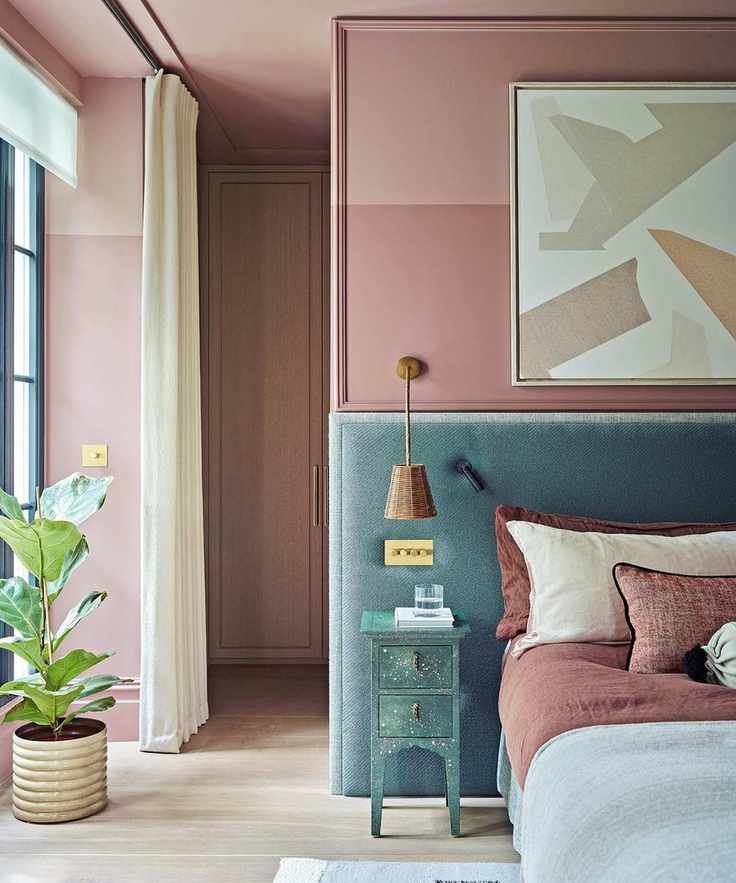
Being spaces intended for relaxation, bedrooms benefit from lower levels of ambient light. However, since these rooms also serve multiple purposes, it's important to consider how you plan to use the room from the start; this will guide your decisions on additional lighting and placement. For instance, you might want a reading light positioned next to the bed, which could be built into the wall, suspended from the ceiling, or even integrated into the headboard. These can be supplemented by table lamps for a warm ambience.
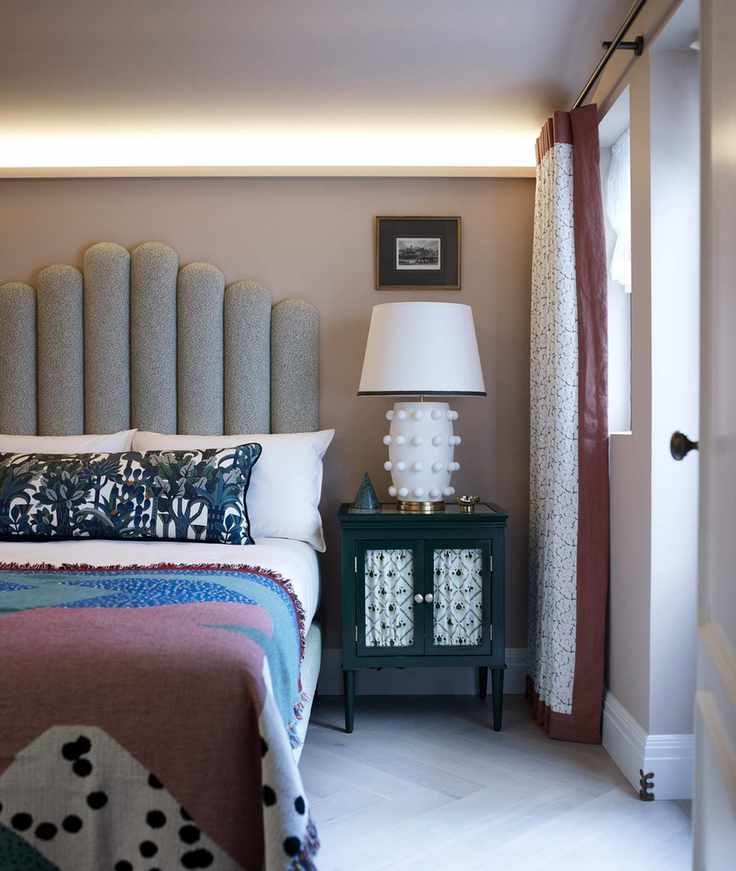
Similar to living rooms, begin by considering overhead bedroom lighting before layering additional sources. High ceilings are ideal for showcasing a chandelier, while flush mount lights are better suited for lower ceilings. If ceiling lighting isn't possible, consider strip lighting around the room's perimeter to create an illusion of height, as demonstrated in a project by Gunter & Co.
'Linear LED lighting concealed behind an Orac Decor profile washes the vaulted ceiling. This gives a greater sense of height compared to spotlights, which weren't an option in this case due to solid brickwork ceilings,' explains Irene.
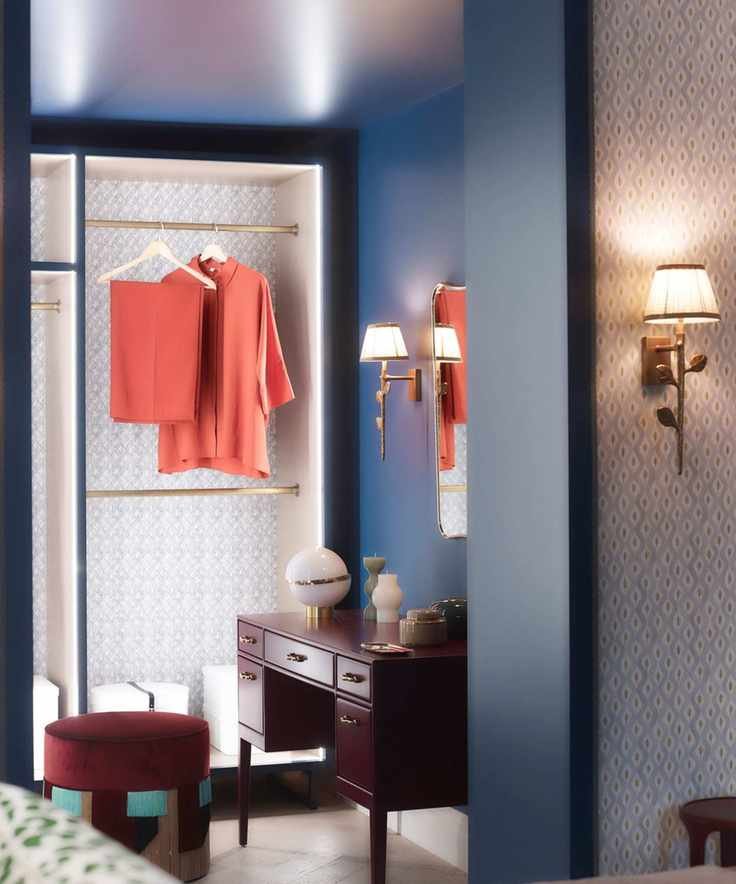
If your bedroom features a dressing area, including lighting for the dressing table is essential for makeup application. 'To avoid harsh shadows, avoid lighting the makeup area from above. Instead, consider a mirror with built-in LED lighting that provides a softer glow, or install wall lamps on either side of the dressing table for a more decorative option,' suggests Irene.
If you're incorporating built-in wardrobes, don't forget to include wardrobe lighting to help you locate items while enhancing the overall atmosphere. 'We often add vertical lighting strips along both sides of each wardrobe section, ensuring the LED brightness is adequate without being overwhelming.'
How to Layer Lighting in a Bathroom
When planning bathroom lighting, it's crucial to provide both ambient and task lighting, especially near areas like the shower and sink. However, elevating the bathroom experience often involves adding more lighting types to alter the ambiance and create a spa-like environment. While bright light is essential for mornings, softer lighting in the evening can transform a bathroom into a soothing retreat after a long day.
'Begin with overhead lighting for overall brightness, such as LED recessed fixtures or ceiling lights, then layer with wall lights or vanity lighting at eye level to minimize shadows,' recommends Felix Milns from Hux London.
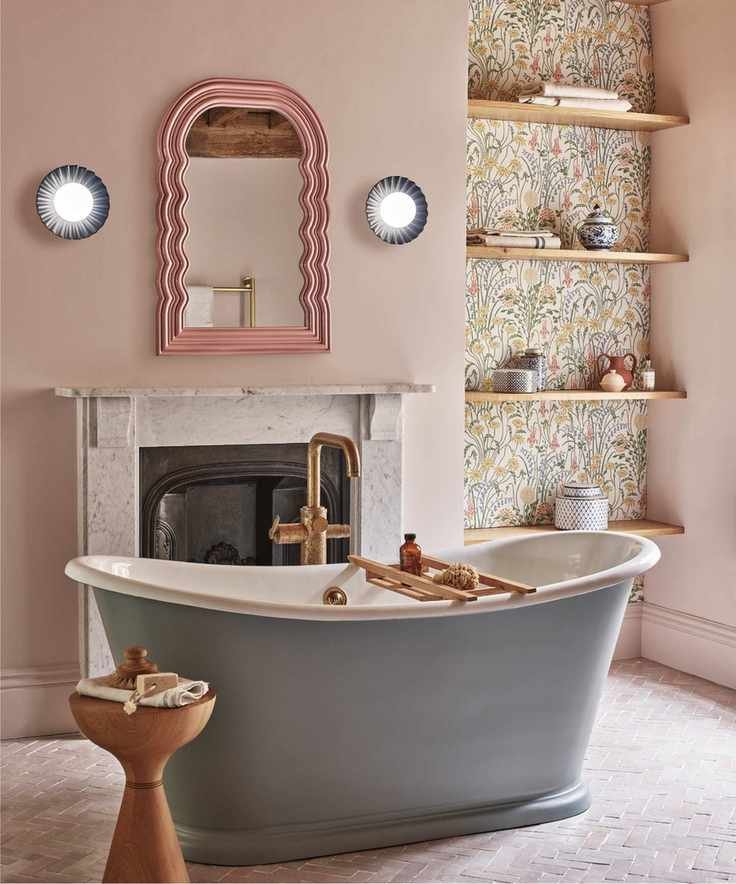
As functional spaces with many hard surfaces, bathrooms can be challenging to make inviting. Adding decorative wall lights can be an effective solution. Installing wall lights on either side of a mirror provides task lighting while also serving as a decorative feature. If space is limited, a mirror with integrated LED lighting can be a great option.
'I love having wall lights flanking my bathroom mirror, as they create a softer light and offer the right balance for facial illumination. I prefer opal and opaque glass finishes for their sophistication and clean light distribution, or for a vibrant touch of color, our 'Pop' design works beautifully,' Felix explains.
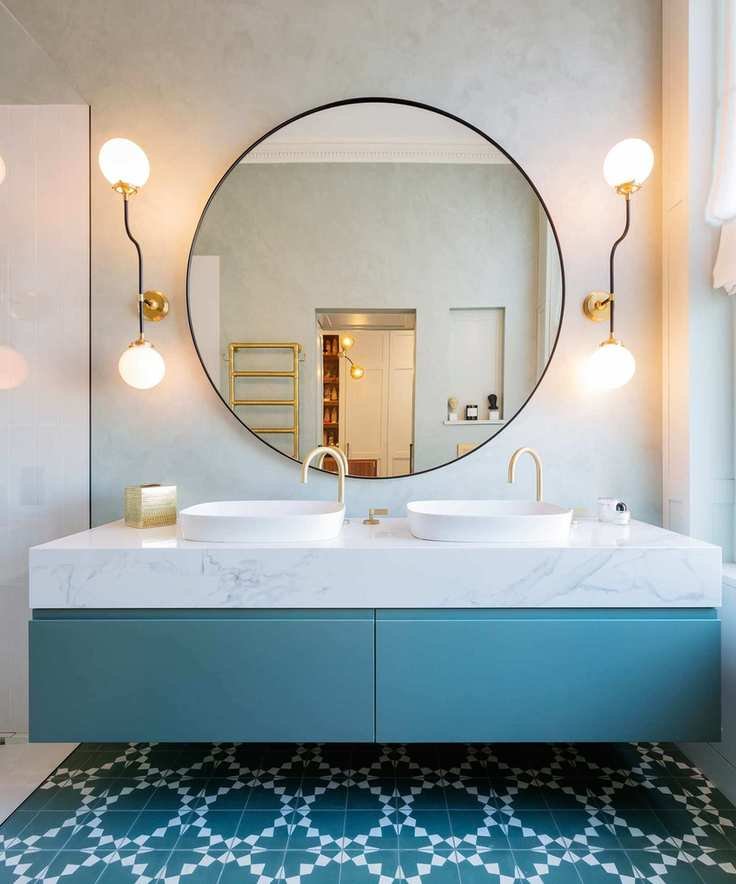
Highlighting alcoves or architectural features with strip lighting can also enhance a relaxing mood, whether inside alcoves or under floating vanities.
However, selecting appropriate light fittings for bathrooms is important due to strict safety regulations. Fortunately, numerous companies offer beautiful bathroom-friendly fixtures to add that decorative flair.
6 Tips for Layering Lighting in Any Room
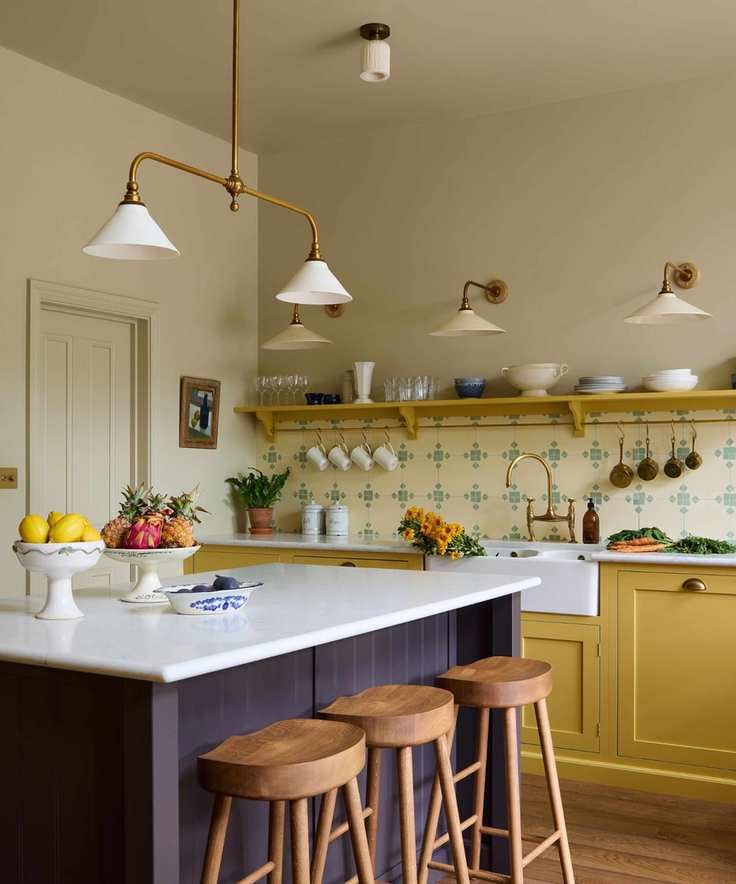
Now that we've dissected lighting room by room, here are six general strategies to perfect a soft, layered lighting scheme regardless of the space you're decorating. Here's what designers recommend.
1. Wire Lights on Multiple Circuits
To control lights independently and shift moods throughout the day, many interior designers recommend wiring layered lighting on separate electrical circuits.
Emma Deterding, founder of Kelling Designs, advises, 'If possible, install your lighting on multiple circuits and consider hardwiring outlets for lamps into your main switch panel. Have one circuit for your primary ceiling lights for brightness and general lighting during the day, and a separate one for wall lights and lamps to create that warm glow for cozy evenings.'
The number of circuits will depend on the size of the space and the lighting needs; for example, in a kitchen, a good guideline is to have three circuits: one for general downlights, another for pendant lights, and a final circuit for shelf or alcove lighting. If your kitchen is particularly large, additional circuits may be necessary,' Irene Gunter explains.
2. Install Dimmer Switches
Installing dimmers allows you to easily adjust the mood within a room with just a turn of the dial. You can transition from bright task lighting to low-level, soothing light for relaxation.
Luke Thomas, design director of John Cullen Lighting, suggests, 'Use dimmers on all lights to offer flexibility. Dimmers allow you to switch the ambiance from a bright environment to a more relaxed, intimate setting.'
3. Position Lights at Varying Levels
Lighting should look appealing both when it's on and off, so planning the relative positions of lights is essential. For a visually pleasing arrangement, ensure lights are placed at different heights, advises Cintra Sedalik, Interior Designer at Herlong Architecture and Interiors. This is especially important in large open-plan living rooms with numerous light fixtures.
'I always consider the rhythm and hierarchy of the light fixtures concerning the various spaces within the layout. Hanging light fixtures should complement rather than compete with one another. I pay attention to sight lines across the room so that fixtures can visually layer without conflict.'
'We achieve this by laying out our lighting choices in elevation drawings. Supporting lights, which may not be the main focus, are just as important. I.e., can lights, cabinet lights, puck lights, LED tape lights, cove lighting, etc. The placement of these supporting fixtures is critical to achieving a balanced lighting plan.'
4. Consider the Warmth and Brightness of Bulbs
When planning your lighting, it's not just about the type of fixture but also the color temperature.
Luke explains, 'Color temperature plays a vital role in setting the atmosphere of a space. Warmer hues (around 2200K-2700K) create a cozy and inviting environment, making them ideal for homes and hospitality settings. Experiment with various color temperatures to find the right vibe for your space.'
5. Move Beyond Standard Spotlights
While recessed spotlights can work for ambient lighting, many designers are shifting away from traditional grid lighting in favor of more decorative options.
Irene Gunter notes, 'Many people mistakenly install downlights or spotlights in a classic grid pattern, which can lead to inadequate lighting and a cluttered appearance.' She recommends creatively combining pendants and wall fixtures instead.
'Replace standard spotlights with diverse lighting sources that are functional and add depth. In this kitchen, we mixed wall task lights, picture lights, pendants, and flush ceiling lights to create a layered effect,' agrees interior designer Uns Hobbs. 'To save on electrician costs, we use existing spotlight points and swap them for these stylish flush ceiling lights, which are much softer than traditional spots and provide significant interest.'
6. Utilize Portable, Rechargeable Lights
Wireless lamps are a revolutionary addition to interior design, instantly bringing warm pools of light to dark corners without needing sockets or messy wires. They are particularly useful in situations where structural changes are not possible, such as rental properties.
Rohan Blacker suggests, 'Combine rechargeable lights with wall sconces for a soft glow and picture lights to subtly illuminate artwork. Rechargeable options allow you to incorporate them later without incurring the expense of an electrician or rewiring.'
The key to effective layered lighting is to avoid depending on just one type of light source. Instead, integrate a variety of styles to make your space functional for various purposes and moods. Instead of only relying on overhead spotlights, think about blending these with pendant lights, wall fixtures, floor lamps, and table lamps, along with strip lighting and carefully placed accent lights. By using a range of lighting options that can be controlled separately, you can maximize the potential of your living spaces.



