
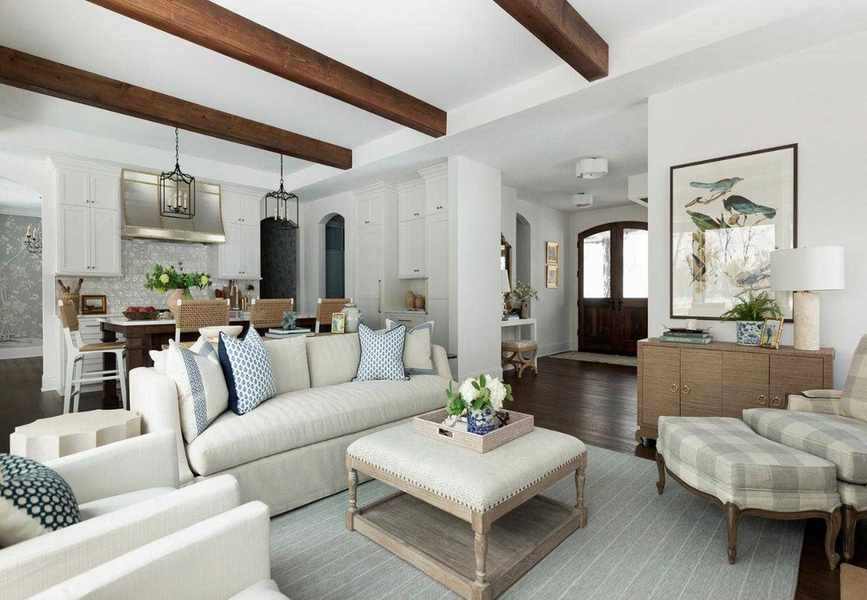
Designing the layout of a single room can be challenging, and creating a cohesive flow for an entire home is even more daunting. Understanding zoning is essential to effectively utilize spaces and arrange decor.
As a fundamental principle of interior design, zoning brings structure by demarcating areas within your home. While often associated with open-plan designs, zoning is beneficial for any room, regardless of size or layout.
Interior designer Terri Brien emphasizes, 'Zoning is crucial because homes must function for daily life, beyond just aesthetics. It's all about achieving flow and practicality.' Zoning facilitates that balance.
Understanding Zoning in Interior Design
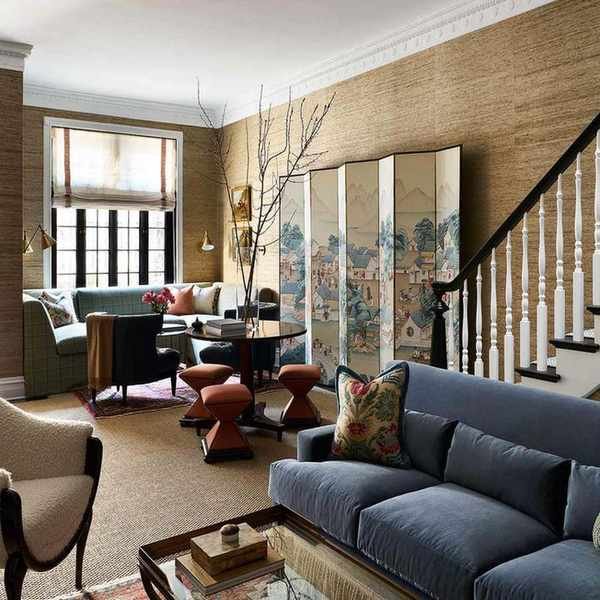
'Zoning in interior design involves purposefully dividing a space into functional areas based on how people interact within the home,' shares interior designer Jennifer Davis. 'Instead of viewing a room as a single entity, zoning gives each area a defined role while maintaining a sense of unity. This approach fosters clarity, comfort, and equilibrium, ensuring the home is both beautiful and practical.'
If you're starting with a blank canvas, like a new home or empty room, zoning can feel daunting. Terri suggests considering the intended use of the space. For instance, you might envision a cozy reading nook in your bedroom or dividing a spacious family room into smaller zones. 'Only when you understand these needs can you effectively plan the space,' Terri advises.
Design Elements for Effective Zoning
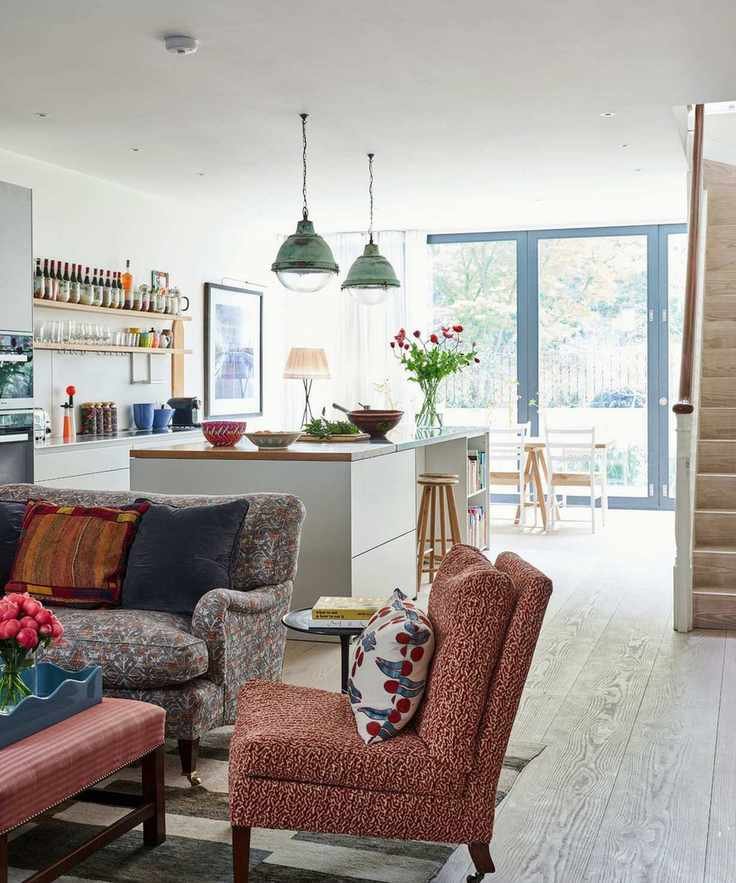
Successful zoning can be achieved through various design elements, both large and small. Furniture placement is a powerful tool in zoning any area. 'Arranging furniture thoughtfully can define spaces without the need for physical barriers,' Jennifer notes.
Terri also highlights the effectiveness of furniture in creating zones. In open layouts, she often positions a console table behind a sofa, which not only defines areas but also adds visual appeal and prevents an uninviting view of the sofa's back.
Rugs serve as another effective zoning element, visually grounding each area while adding warmth, according to Jennifer. Additionally, lighting can delineate zones and set a mood based on brightness levels.
Architectural features act as the foundation for zoning. As Jennifer explains, elements like beams and columns can reinforce zones, with built-ins providing both practicality and style. 'Built-in features are particularly useful as they optimize space and serve multiple functions,' Terri adds.
Almost any architectural or decorative detail can assist in establishing zones; it's all about how you incorporate them.
Importance of Zoning in Open-Concept Spaces
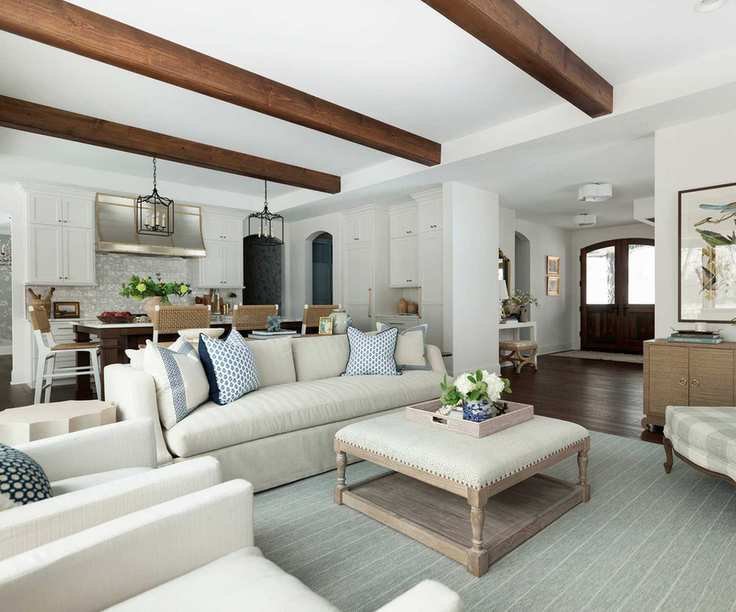
Zoning is particularly vital for open-concept layouts, which often combine multiple functional areas—like a kitchen, dining area, and living room—into one space. Organizing these multifunctional areas can be tricky, leading to a trend where open layouts are falling out of favor.
Despite this, open-concept homes are popular for their natural light and spaciousness. However, Jennifer warns, 'Without mindful zoning, these spaces can feel undefined or visually overwhelming.'
Through zoning, open-concept designs can achieve boundaries and designated areas for specific activities, guiding movement through the home. 'Zoning transforms a large, open area into a series of intentional experiences,' Jennifer explains.
With thoughtful zoning, open-concept spaces can be both functional and versatile. Below, we'll explore three examples that highlight the significance of zoning in such layouts.
Zoning a Living Room and Dining Area
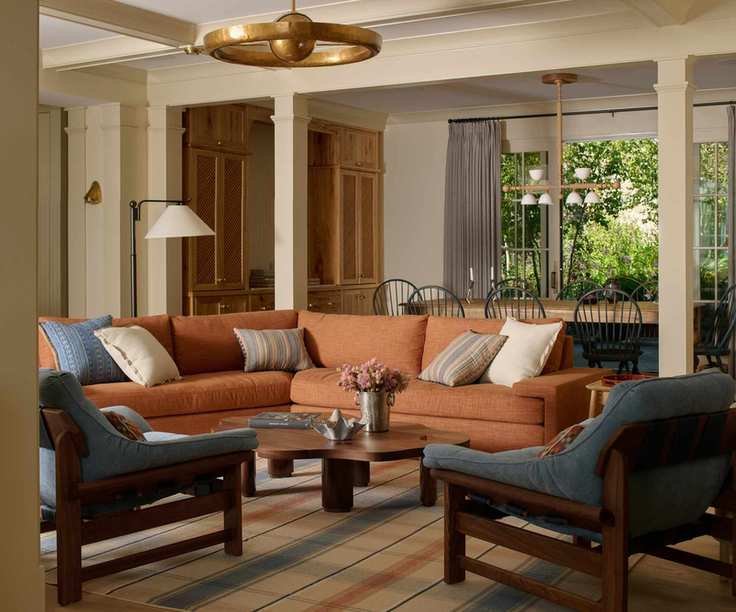
'This historic Lake Geneva cottage has undergone several updates, evolving into a unique narrative over time,' shares Michael Abrams, Founding Partner at Abrams Valenti Interiors, who designed this project.
'To enhance clarity and intention, we defined spaces through curated clusters of furniture,' he continues. In the image above, distinct zones emerge: a living space and a dining area.
However, furniture isn't the sole factor in defining these areas. Architectural elements contribute as well. 'In the family room, with just one wall, trimmed openings and pilasters create a clear zone centered around the coffered ceiling,' explains Lucas Goldbach of En Masse Architecture, responsible for the home's architecture. He also notes that ceiling beams extending into this space help establish distinctions.
While zoning separates the room into distinct areas, a cohesive design palette fosters connection. 'A vibrant color scheme was maintained throughout the living spaces, ensuring cohesion and a smooth flow,' Michael notes. Although zoning delineates the areas, the styling and color choices knit the zones together.
Creating Zones in a Kitchen and Dining Space
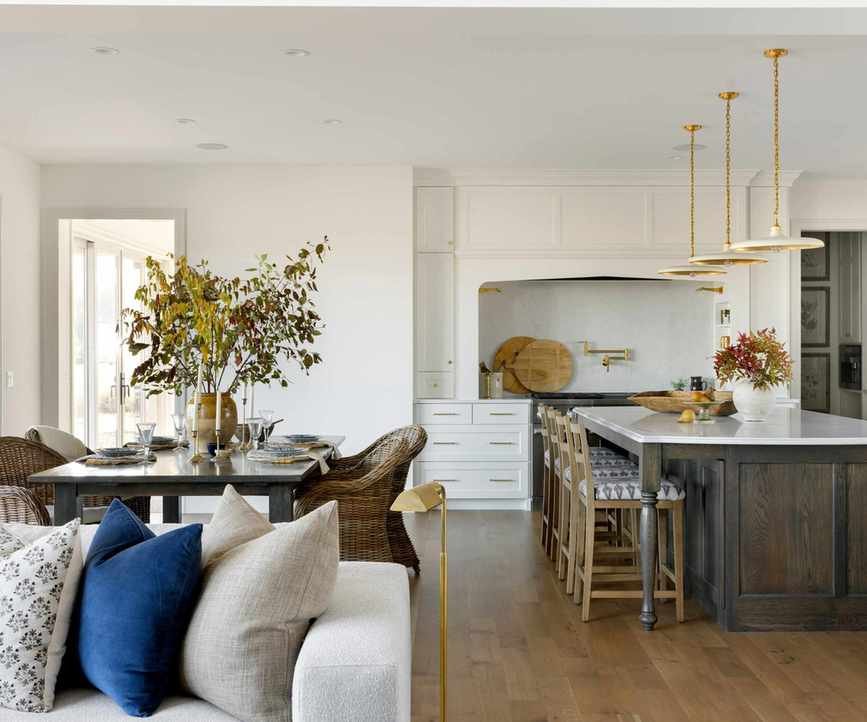
Combining kitchen and dining areas is common in open-plan designs, as both share the primary function of food preparation and dining. In the great room shown, designed by Jennifer Davis, the kitchen and dining areas are well-defined, with a living space in the foreground.
Here, zoning focuses on how the areas are experienced rather than just dividing them. 'The kitchen is emphasized with bold pendants that identify it as the most active zone,' Jennifer explains. The dining area features a large table and wicker chairs that harmonize with the kitchen while distinguishing itself.
The living area, in contrast, is a calmer zone. Jennifer states that the transition from kitchen/dining to living space is highlighted by furniture placement and a floor lamp, which adds a softer, more intimate lighting layer.
While furniture is key to establishing zones, architectural features also support the design. 'A significant zoning feature is the hearth wall set slightly back, creating depth and a natural transition between spaces without relying on walls,' she notes. Such architectural nuances enhance the open layout, ensuring each zone feels distinct while maintaining overall cohesion.
Zoning for Irregularly Shaped Spaces
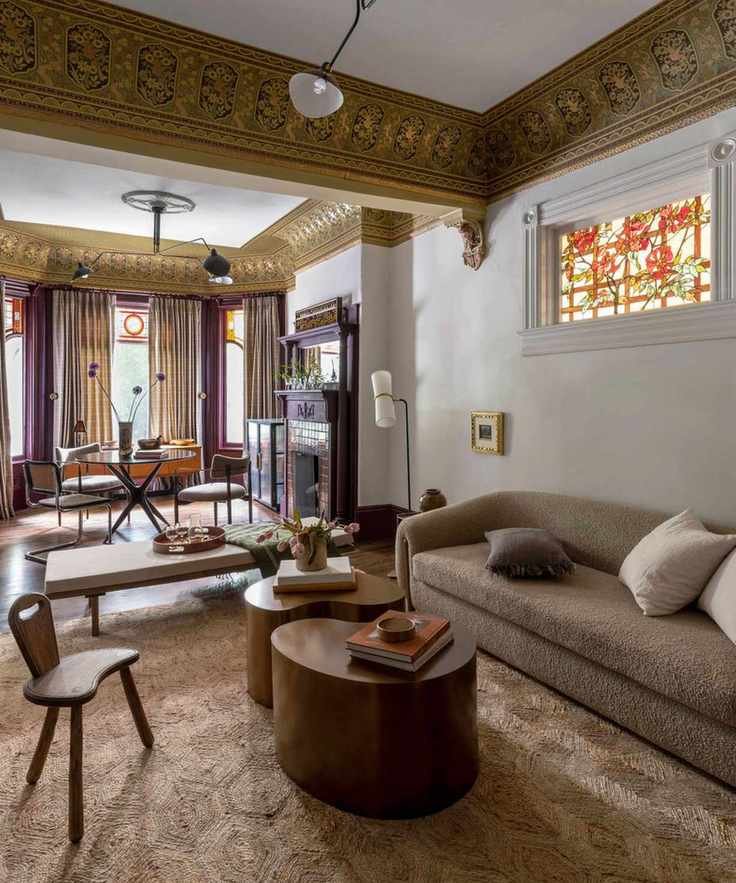
When dealing with odd or irregular layouts, zoning becomes even more crucial. Interior designer McKenzy Golding emphasizes this point. In her Panhandle Project, she faced a lengthy, narrow living room that felt underused due to its awkwardness.
'By creating distinct areas within the room, we maximized its potential,' she explains. In this long space, McKenzy designed two zones: a lounge area with a couch and a sitting area featuring a cocktail table. Architectural elements like the bay window, fireplace, and ceiling beam aid in zoning, as does furniture. 'A daybed serves as a distinguishing piece, creating a divide while encouraging flow between the two areas,' McKenzy notes.
Zoning's Influence on Atmosphere
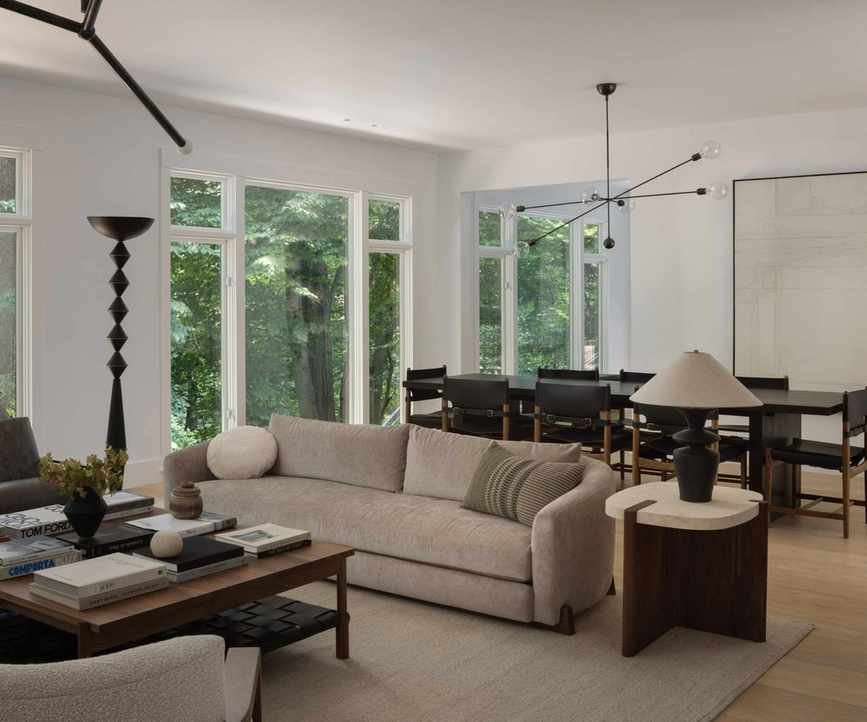
Zoning offers numerous benefits beyond defining areas for specific uses; it can also shape the overall atmosphere of a space. 'Effective zoning not only establishes order but also influences functionality,' explains Terri Brien. 'A space feels more intentional and serene when each area serves a clear purpose.'
Moreover, zoning cultivates rhythm and flow within expansive interiors. For instance, a distinct separation between living, dining, and kitchen areas can facilitate natural movement. Each zone can have its own ambiance, yet cohesive decor choices can unify them as part of a larger design scheme.
Applying Zoning to Individual Rooms
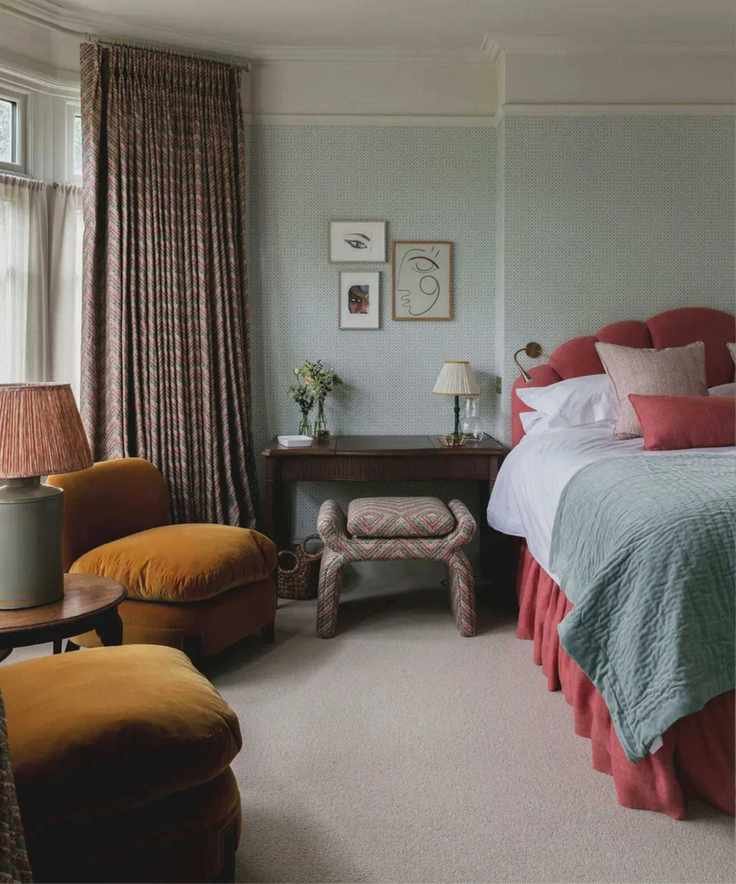
'Zoning isn't just for open spaces; it's equally important for individual rooms,' states Jennifer Davis. 'In a single room, zoning can identify various uses, like seating or dining.' For instance, in the bedroom above, effective zoning can create clear areas for sleeping, relaxing, or dressing.
'In more traditional layouts, zoning helps rooms feel purposeful and layered instead of static,' Jennifer adds. 'It's about crafting hierarchy and moments within any space, irrespective of its size.'
Common Zoning Pitfalls
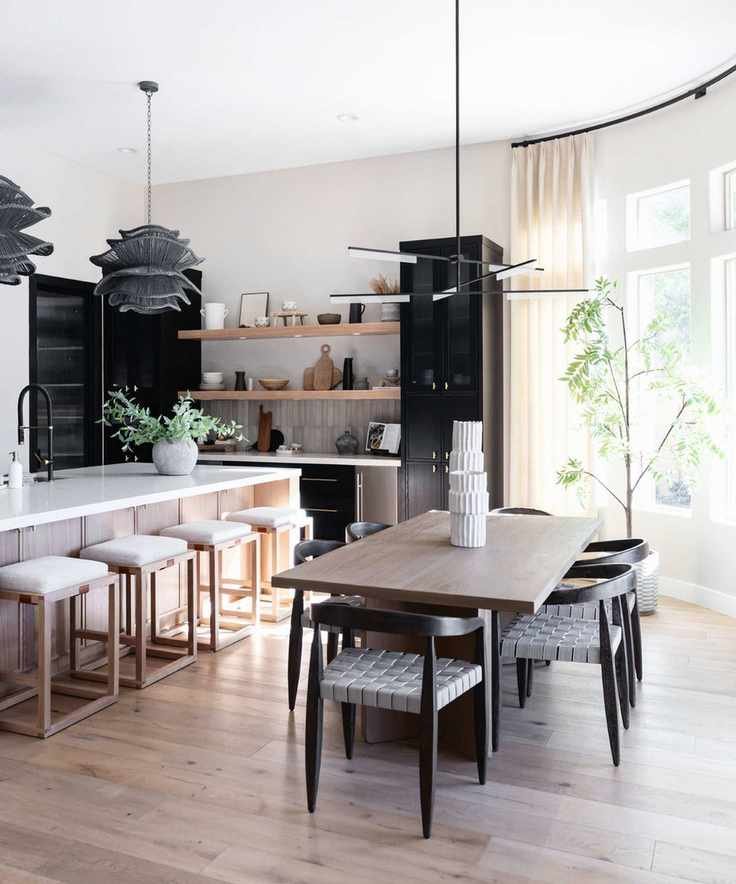
'A frequent mistake is neglecting to prioritize zoning early in the design process. Failing to consider how the space will be used can lead to clutter and disarray,' Terri cautions. Zoning should be the initial step in any design project, whether revamping an entire home or planning a single area.
'Another common error is bypassing design layers. Ignoring rugs, relying on one light source, or placing furniture haphazardly can leave a space feeling incomplete,' she adds.
Zoning also depends on balance, making scale a common issue. 'Furniture that's too small disrupts balance, while oversized pieces can make a space feel cramped and suffocating,' Terri notes.
Zoning is a vital design principle, serving as the foundation for any space. By grasping the essentials of zoning, you can ensure that your home not only meets its functional needs but also creates a welcoming atmosphere for daily life.



