

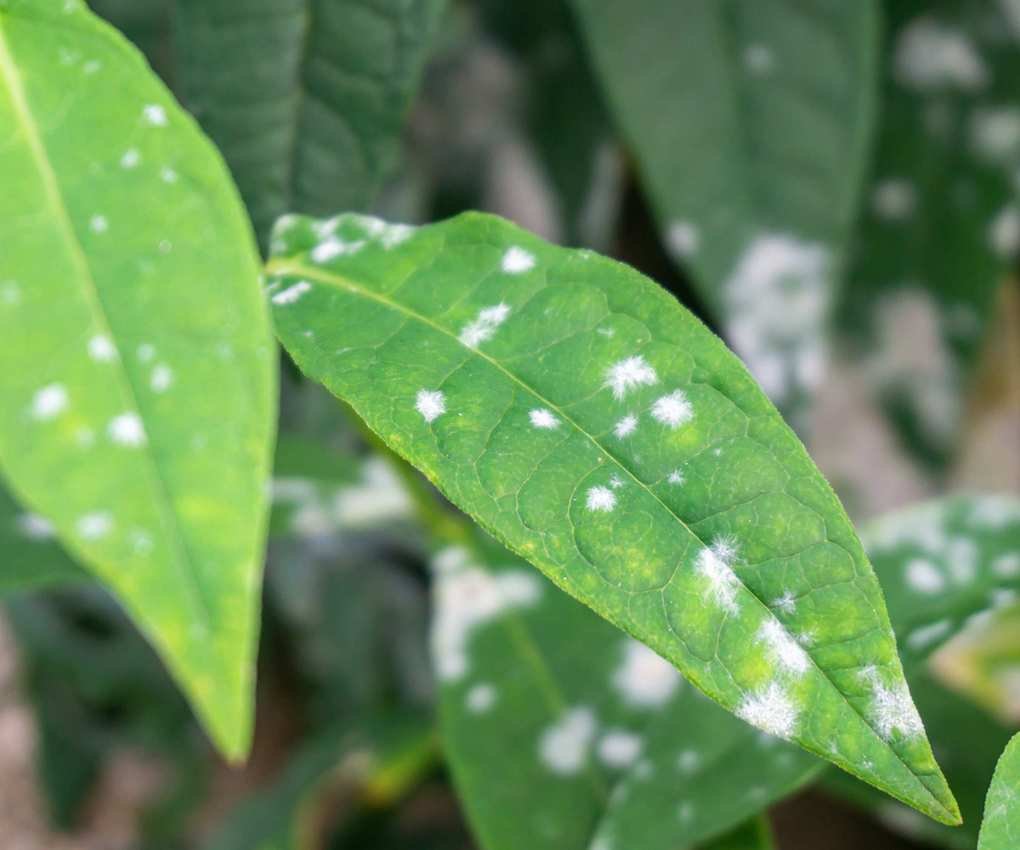
Powdery mildew, or white mold, is a fungal ailment that can affect various plants. This fuzzy mold may envelop entire plants, including their fruits and buds, with its gray and white spores.
Like green mold, white mold can also spread across leaves and stems of both indoor and outdoor plants. If left untreated, it can quickly infect neighboring plants. While a small amount may not be harmful, uncontrolled spread can lead to significant issues.
This fungus can impede photosynthesis, leading to the decline and wilting of plants, ultimately affecting their health.
Natural Remedies for White Mold on Plants: 5 Effective Solutions
Dealing with white mold can be challenging, but there are several natural methods to tackle it.
1. Use neem oil
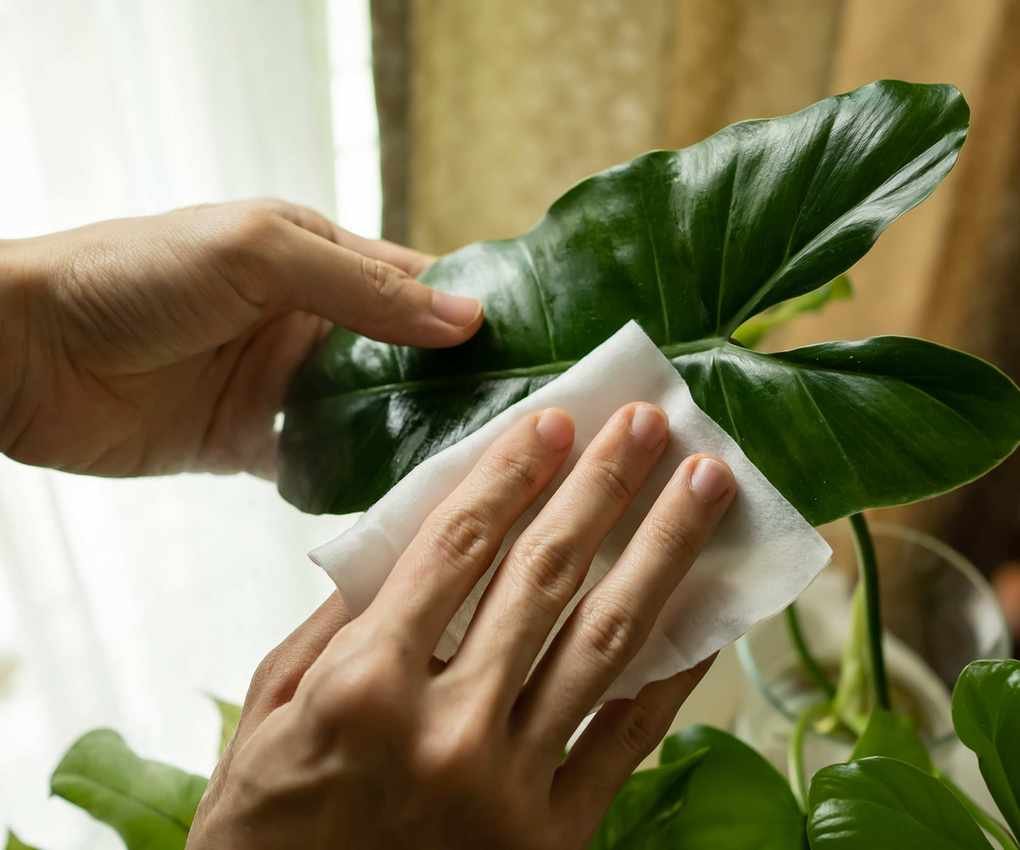
Neem oil is a potent natural pesticide that combats fungi like white mold. Derived from the seeds of the neem tree, it effectively addresses both pest and fungal issues. Combine two tablespoons of organic neem oil from Amazon with two liters of water and spray the affected areas thoroughly every few days.
Ensure proper ventilation when applying neem oil, so keep windows open. Repeat weekly until the mold is eradicated, allowing your plants to thrive.
2. Use mouthwash or milk
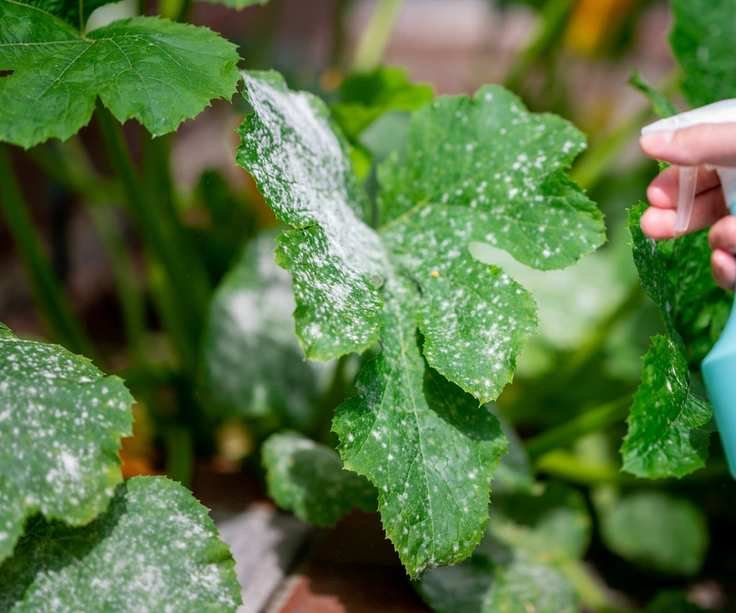
Mouthwash contains ethanol, which can effectively eliminate the fungal spores responsible for white mold. Mix one part mouthwash with three parts water and apply to the affected areas using a cotton ball or spray bottle. Avoid soaking the leaves, as excessive application can harm them.
Some gardeners prefer using milk or whey instead of synthetic fungicides. Research suggests that milk can effectively eradicate mold and mildew. Spray afflicted leaves with a solution of 40% milk and 60% water every two weeks for optimal results.
3. Baking soda spray

Baking soda is another common household item that acts as a natural fungicide against white mold. By altering iron levels, it disrupts fungal cell function and prevents future growth. Mix one teaspoon of baking soda with a liter of water in a spray bottle from Amazon. Lightly mist the affected areas, focusing on the white patches. This solution is potent, so use it sparingly to avoid over-saturation.
Allow the spray to dry before watering again. Repeat every 3-4 days until the mold is gone.
4. Vinegar application

Vinegar is another effective natural antifungal option for tackling white mold. Mix two teaspoons of apple cider vinegar with one liter of water and mist the infected leaves and stems regularly until the mold disappears. The acidity of vinegar helps inhibit mold growth.
Combining vinegar with baking soda creates a potent paste to target small amounts of mold. You can also mix it with lemon juice to mask any strong odors.
5. Cinnamon usage

Cinnamon, known for its flavoring properties, also possesses antimicrobial features. You can sprinkle cinnamon powder directly on the affected leaves to eliminate mold. It contains cinnamaldehyde, a compound effective against fungi. Additionally, cinnamon prevents mold from developing.
If the powder isn't effective, create a cinnamon spray by boiling two cups of water with four cinnamon sticks for fifteen minutes. Strain the liquid and mix in one teaspoon of dish soap.
FAQs
Can overwatering lead to white mold?
Absolutely, overwatering promotes mold growth. Water your plants at the base and during the morning to allow foliage to dry throughout the day.
Eradicating white mold can be tricky, as many solutions that kill it may also harm your plants. Carefully apply your chosen remedy directly on the mold, avoiding excess application. It's wise to take a cautious approach, applying a small amount at a time and reapplying until the mold is eliminated.



