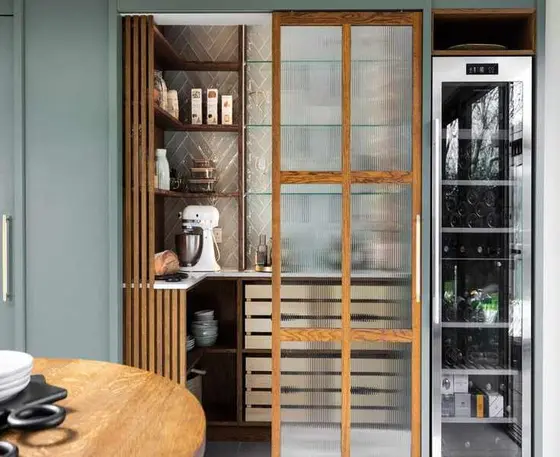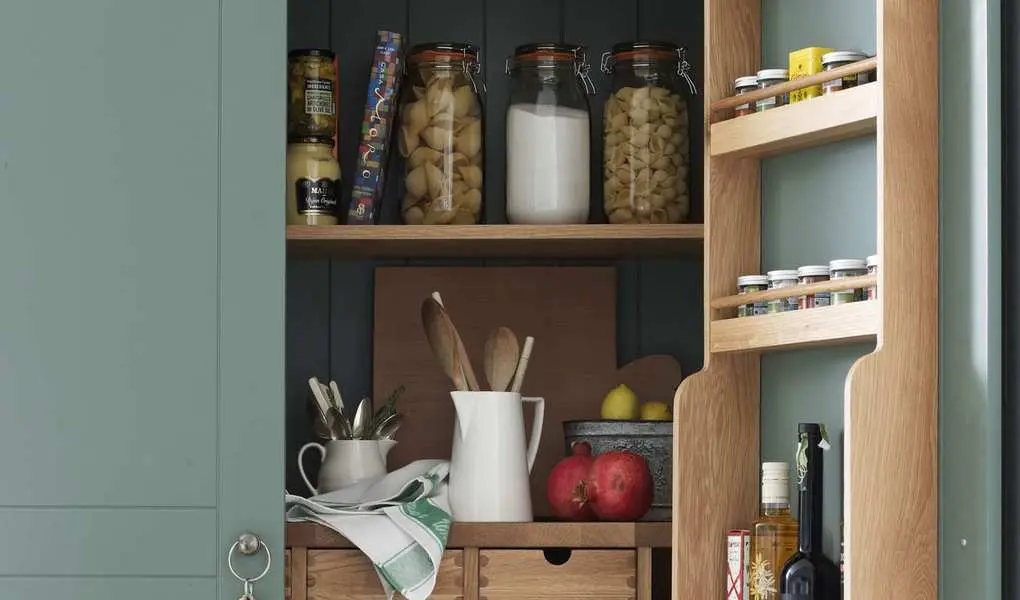
We often close our cabinet doors without considering the chaos inside. While concealed storage is great for reducing visual clutter, it's essential to organize kitchen cabinets thoughtfully.
With a few clever adjustments, you can create extra space and boost functionality. It's about knowing where your kitchen essentials are when you need them. In a small kitchen, getting cabinets right is vital.
Wasting space is not an option in a narrow galley kitchen. So, how do you begin?
Organizing Cabinets in a Small Kitchen
With insights from professional organizers, we've compiled practical strategies for optimizing your cabinets. Keep your kitchen organized and efficient with these expert tips.
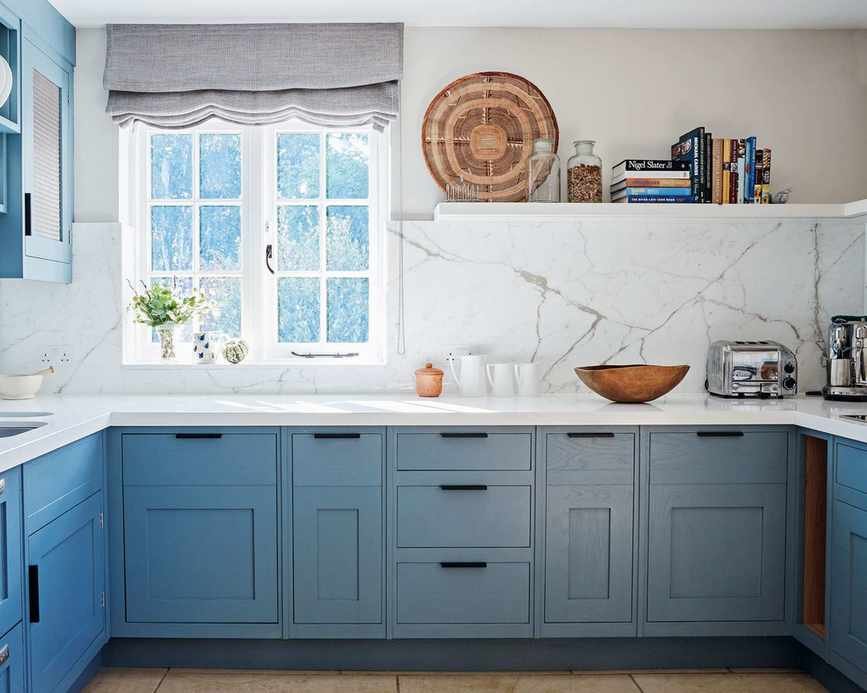
1. Assess Your Space
Evaluate your kitchen as if you're a pro. Check the contents of each cabinet. Is the area under your sink disorganized? Are there gaps around your plates? Do you have an overflowing mug collection? Perhaps there's an unreachable corner or empty space by your refrigerator.
Next, empty everything out. Clearing a small kitchen is quicker than larger spaces, plus it's a great chance to clean the cabinets. Say goodbye to crumbs and germs lurking inside.
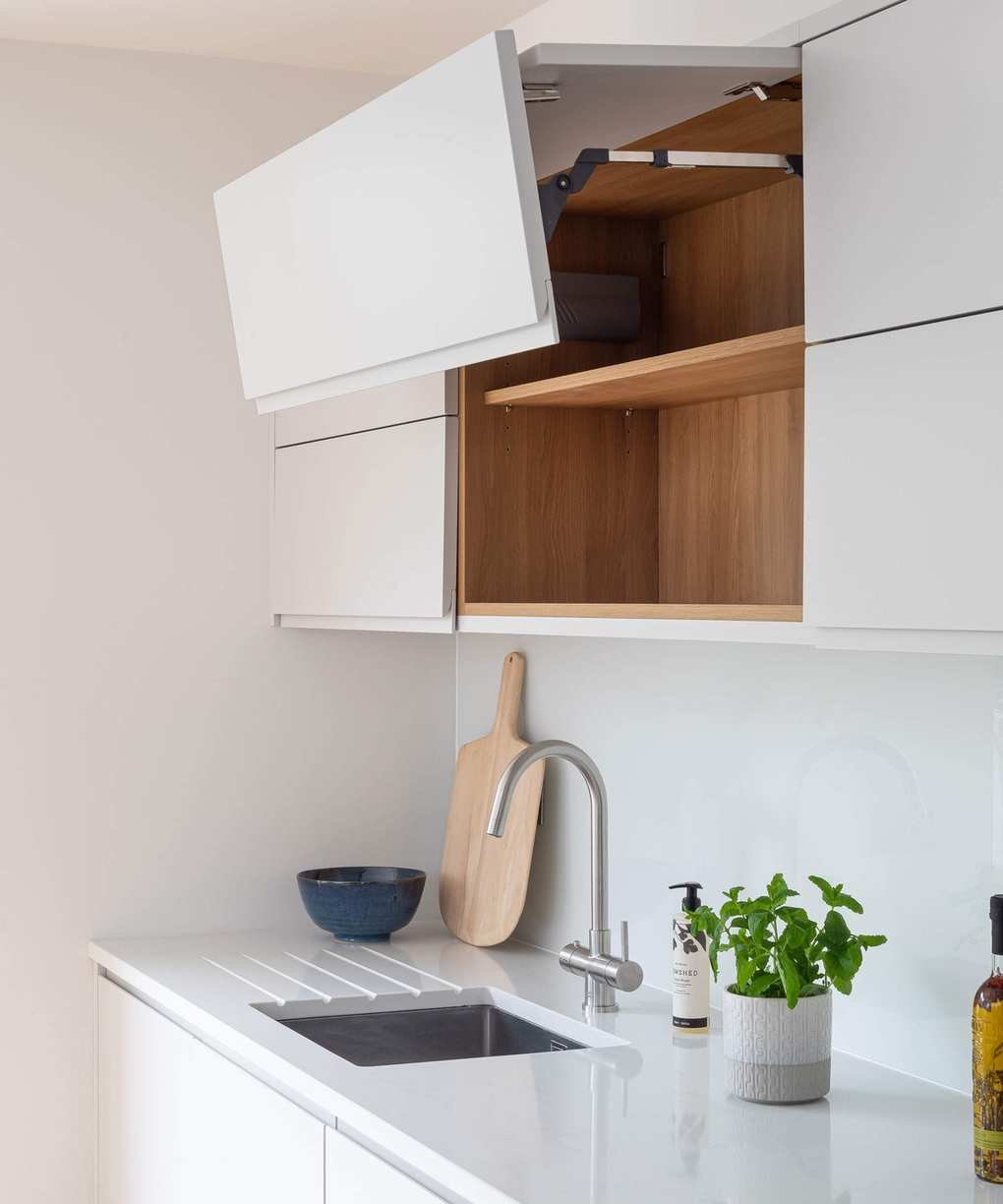
2. Rearrange Strategically
Once everything is out, new organizing possibilities will emerge. Position pots and pans close to the stove, create a designated coffee station, or relocate kids' snacks to a more accessible place.
'In compact kitchens, storing dishes and glassware creatively is essential,' says designer Artem Kropovinsky. 'If space allows, place a cabinet near the sink or dishwasher for easy access to plates, bowls, and glasses.'
Professional declutterer Tracy McCubbin emphasizes that sometimes, the layout doesn't let you store items logically due to cabinet size. 'Think about the best fit when storing. Place frequently used items on lower shelves and less used ones higher up. Get rid of anything that's never used.'

Tracy McCubbin established dClutterfly over a decade ago and has transformed thousands of homes. She authored a book to help others tackle clutter based on her experience.
3. Establish Zones
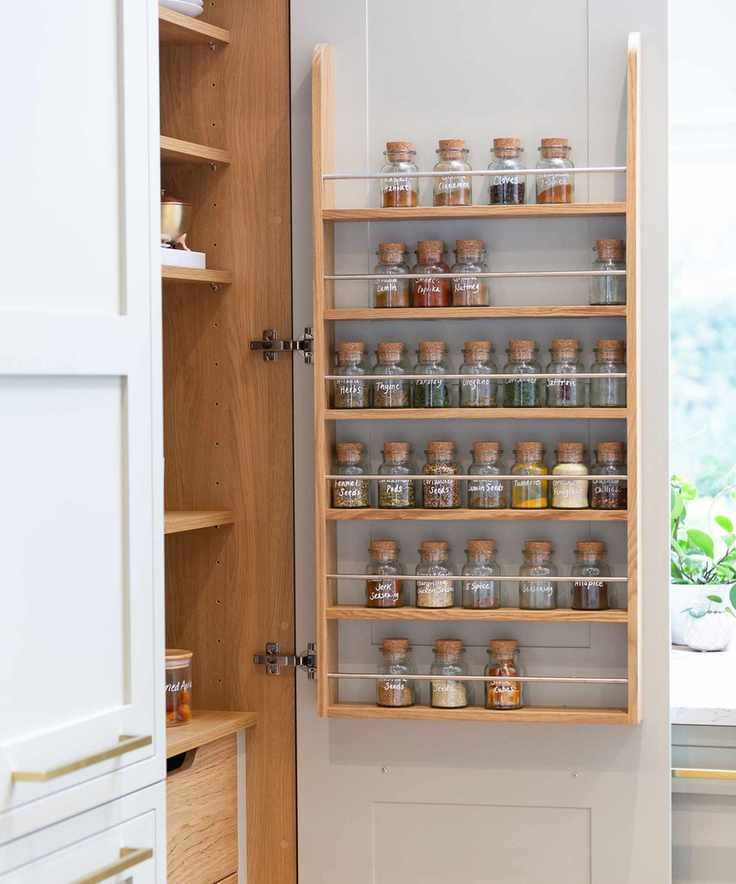
Create distinct zones that are easy to manage. Laura Price, founder of The Home Organization, advises grouping items logically, forming adaptable building blocks for your space.
As one zone expands—like spices or appliances—another must shrink to maintain order.
4. Optimize Empty Spaces
If you notice empty areas around your dishes, consider removing shelves and adjusting their height for better utility. This simple change can significantly enhance cabinet functionality. If adjusting isn't an option, cabinet corner shelf organizers from Amazon can help you layer pots and plates effectively.
For food storage, consider stackable bins from mDesign. If measured correctly, they maximize space and keep track of your inventory, reducing food waste.
5. Relocate Infrequently Used Items
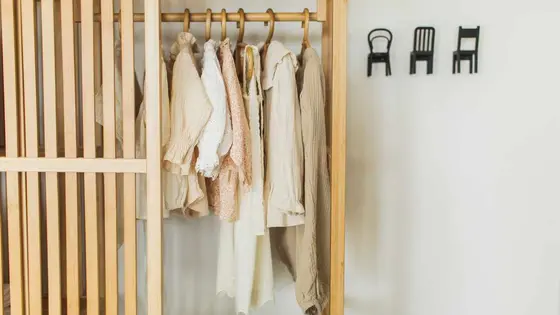
Efficient appliances enhance cooking without hogging precious counter space. Storing rarely used items in a closet can free up significant cabinet space and maintain a tidy kitchen.
6. Use Kitchen Organizers
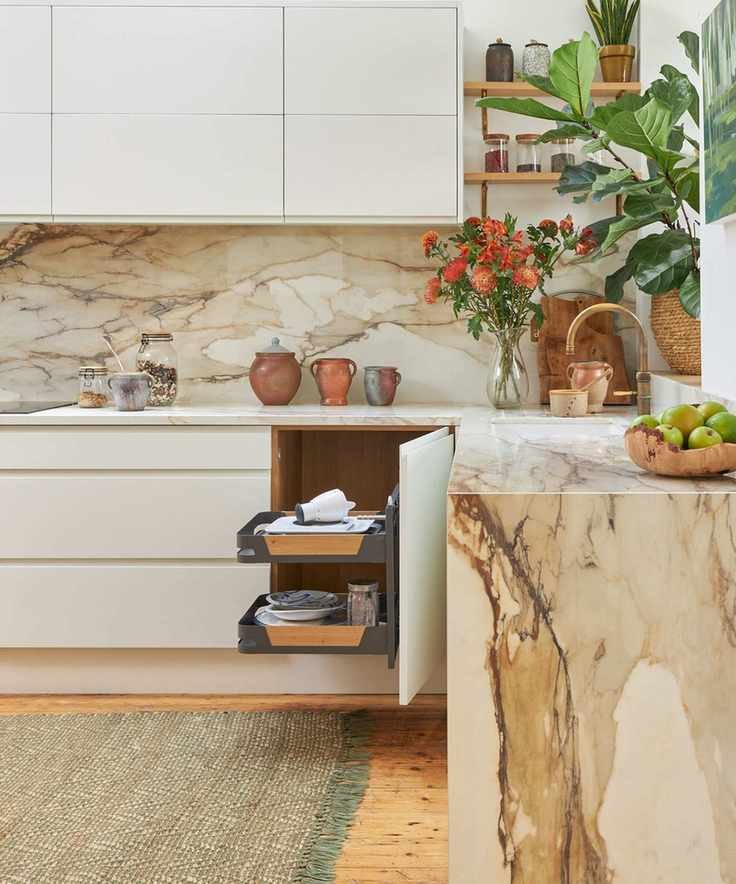
Decluttering is essential for a neat kitchen, but don't overlook the right organizers. What do experts recommend?
'Risers are fantastic for small kitchens! They can provide the equivalent of an extra shelf in cupboards,' shares Tracy McCubbin.
Kitchen risers | $28.99 for two at Amazon
These bamboo risers are water-resistant and praised for their sturdy design and easy assembly.
Artem Kropovinsky also suggests adding open shelving for dishes or a wall-mounted dish rack from Wayfair. This saves cabinet space while keeping your setup visually appealing and practical.
Additionally, Lazy Susan turntables from Amazon are essential for spices, preventing items from being lost at the back, and the plastic versions are easy to clean.
7. Declutter Regularly
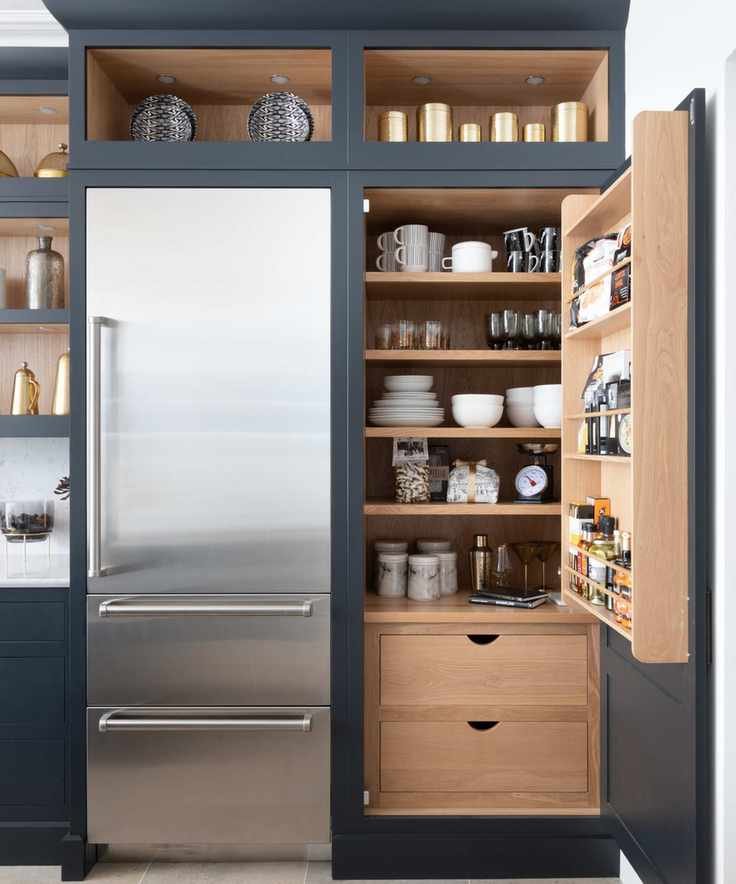
Decluttering is crucial. Holding onto unnecessary kitchenware disrupts organization and calmness. Tracy McCubbin advises, 'The simplest way to stay organized is to own less. If you have a small kitchen, you can't keep three sets of dishes.'
'Be honest about your space and let go of what you don't use or need.'
FAQs
Where should plates and glasses go in a small kitchen?
'Plates and glasses should ideally be near the sink or dishwasher for easy unloading. Alternatively, keep them close to the dining table for convenience,' suggests Tracy McCubbin. 'These items are used most frequently, so they should be easily accessible.'
Organizing cabinets in a small kitchen requires strategic thinking and utilizing space-saving options. Consider these in-cupboard hooks from Amazon for hanging mugs and utensils, optimizing every inch of space.