Knowing how to plant tulip bulbs is essential for a stunning spring garden. This beloved flower symbolizes new beginnings and is cherished worldwide for its vibrant blooms that create a stunning display.
Tulips, like other bulbs, should be planted in the fall or when soil temperatures dip to 60ºF or below. This allows roots to establish before the spring warmth.
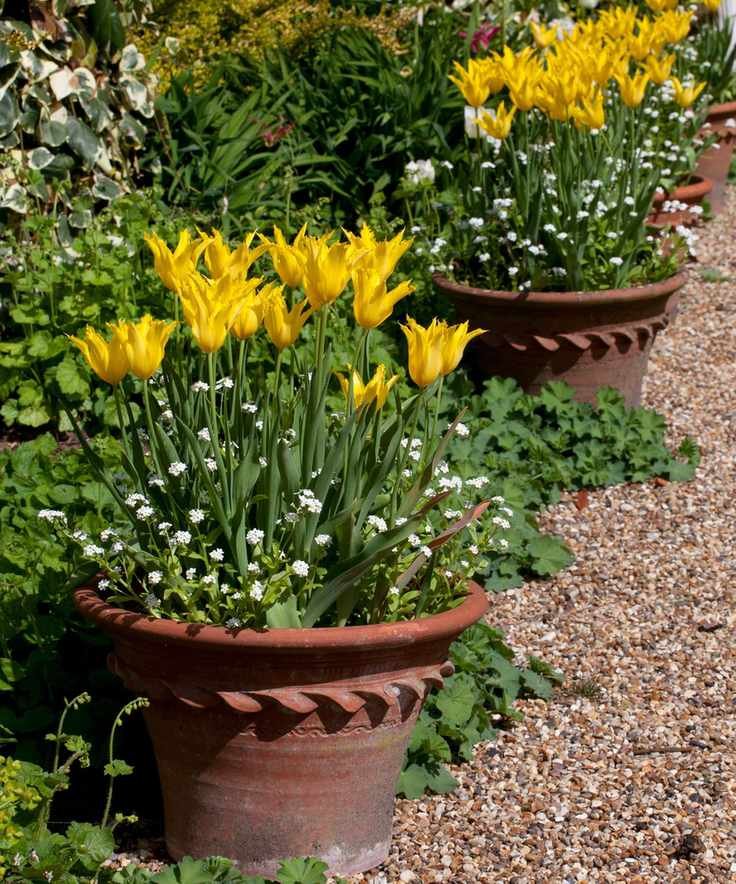
As one of the top spring bulbs, tulips are perfect for flower bed ideas, containers, or hanging baskets, ensuring a burst of spring color.
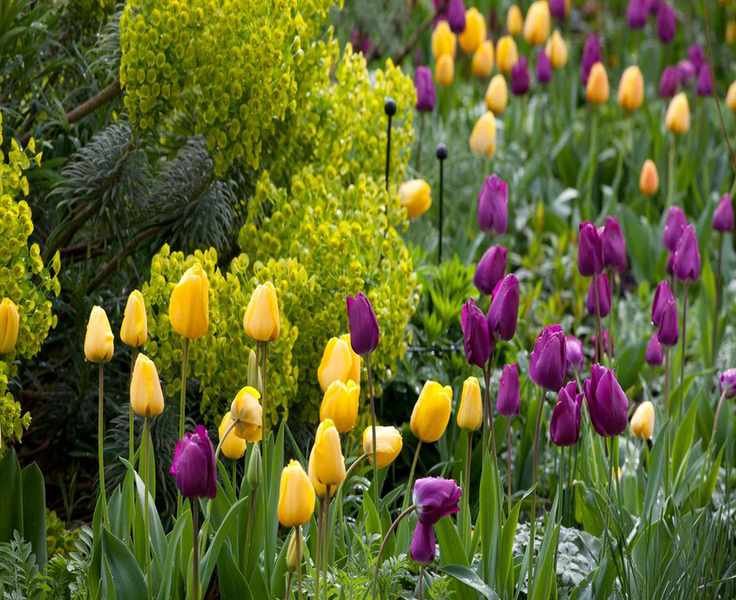
With around 8,000 varieties across 15 groups, tulips come in nearly every color, except true blue and black.
They vary in shape, size, and height, blooming at different times, so check the packaging to ensure a staggered display.
'Tulips are my favorite spring bulb because of their bold colors, unique shapes, and the vibrancy they add to gardens and containers,' shares gardening expert Sarah Raven.
Anne Olivieri, whose impressive 6,000-tulip display attracts visitors to her home at Morton Hall, adds, 'Tulips are adaptable and accessible; they can flourish anywhere, from pots to parks, but planting density is crucial.'
While small species tulips can multiply naturally, most tulips, though classified as perennials, thrive best when planted fresh each fall. With our guide on how to plant tulip bulbs, you'll find them easy to cultivate in pots or gardens.
Planting Tulip Bulbs in the Ground
To plant tulip bulbs effectively, select well-drained soil that is neutral to alkaline. Enhance soil health with compost or leaf mold, and add lime if your soil is acidic. Unsure about your soil's pH? Check out our guide on testing soil.
Always purchase bulbs from reliable sources and examine them closely. Healthy bulbs should be white or beige, firm, and free from sprouts, blemishes, or mold.
'When selecting bulbs, it's not solely about size; a dense, clean bulb can produce more flowers than a larger, lighter one,' advises tulip grower Mark Eves from Belmont Nurseries, supplied via Taylors Bulbs.
- Plant tulip bulbs approximately three times their height. Insufficient depth can expose them to extreme temperatures. Generally, aim for a depth of 5 to 7 inches, planting deeper in colder areas.
- Use a bulb planter for convenience, especially when working around existing plants or grass. 'It functions like a large apple corer, removing a core of soil,' suggests Sarah Raven.
- Position each bulb with the pointed end facing up and the blunt end down.
- Add a bit of old compost or grit at the bottom of the hole before placing the bulb and backfilling with the same material.
- Space bulbs about 4 to 5 inches apart to minimize competition for nutrients.
- Cover the bulbs with soil and firm it down.
- Water the bulbs once and then leave them be.
Planting Tulip Bulbs in Pots
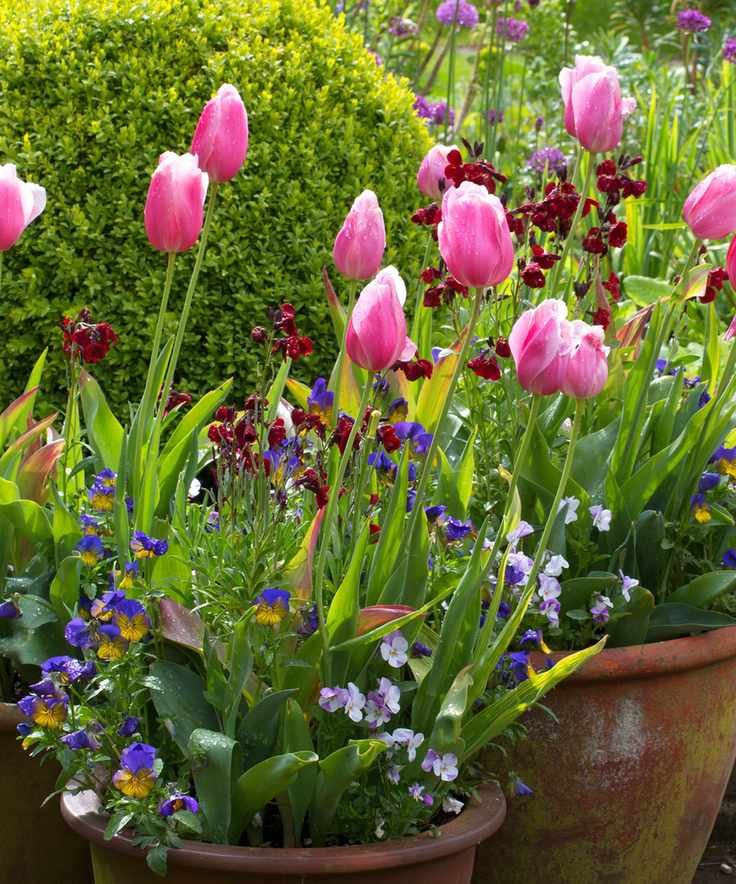
If your garden soil isn't ideal, or you prefer to plant tulips in pots close to your home, containers can provide a suitable environment.
Planting tulips in pots also allows for creative bulb lasagna arrangements, layering bulbs that bloom at different times for extended spring displays.
Gardening expert Monty Don suggests a tulip lasagna with an early bloomer like 'Orange Emperor' at the bottom, followed by a mid-season variety like 'Negrita', topped with a late-blooming type such as 'Queen of Night'.
'If space is tight, cover the first layer of bulbs with soil, then add another layer before filling in the hole. There's enough soil above to overplant without harming the bulbs,' recommends Sarah Raven.
Another suggestion is to plant containers that can fit into gaps in your borders, either sunk into the soil or sitting on top, camouflaged by surrounding foliage, according to gardening writer Leigh Clapp.
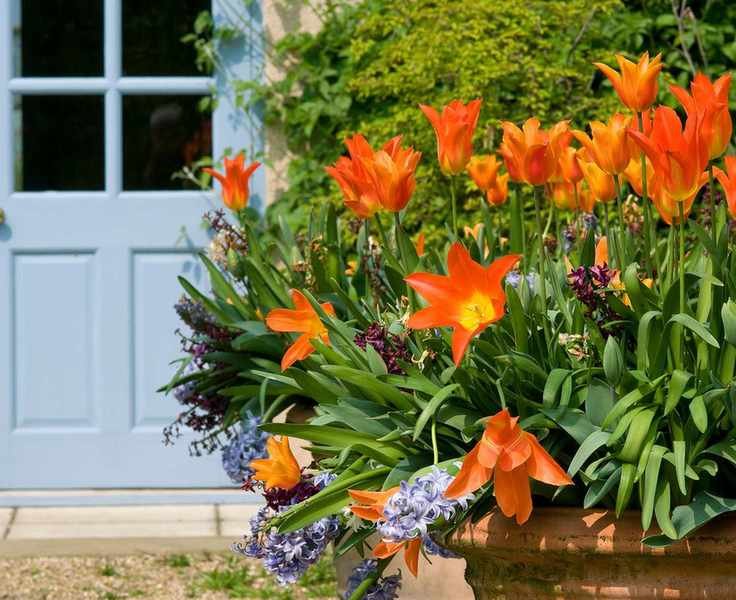
'We use lasagna planting in our containers, starting with durable species tulips and mixing in other bulbs like dwarf narcissi and crocuses, along with bedding plants such as violas and forget-me-nots,' states Greg Ovenden, head gardener at Pashley Manor, site of a notable annual tulip festival.
'Tulips thrive with a cold spell in early April; if they bloom too early, we shade the containers,' Greg adds.
To plant tulip bulbs in pots, follow these steps:
- Select a container that complements the tulips' height.
- Fill the container with loose, well-draining soil, adding organic matter as needed to prevent sogginess.
- Position each bulb with the pointed side up and the blunt side down.
- Keep bulbs close together, ensuring they don't touch.
- Water only once post-planting.
- Store containers in a cool, sheltered location until spring.
If planting tulip bulbs in pots, especially in hardiness zones 3-7, consider moving containers to a cool, ventilated, dark area if extreme temperatures are expected.
When to Plant Tulips
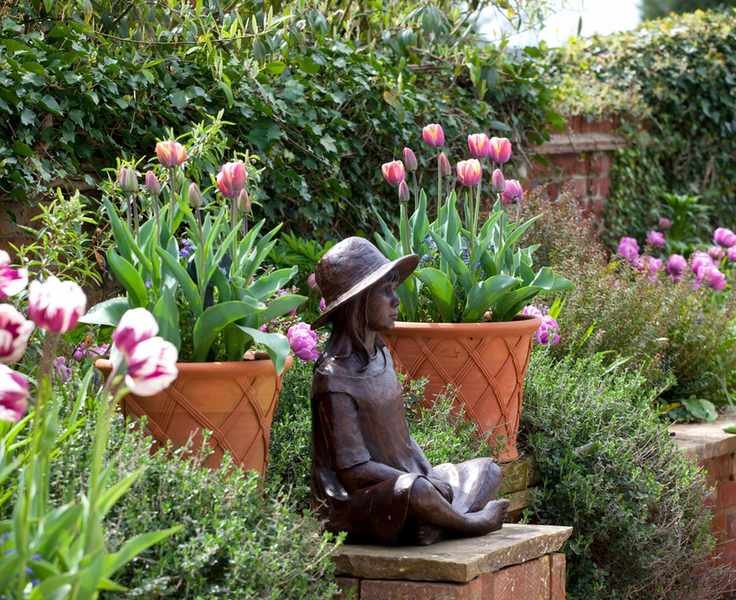
Plant tulips in the fall to ensure spring blooms. In warmer regions, this is typically October or November; in cooler areas, aim for September to October.
While it's possible to plant outside these months, wait until the soil temperature is 60ºF or lower for optimal results.
'Cold temperatures help eliminate viruses and fungi that can infect bulbs. Late planting serves as a traditional disease prevention method,' notes Sarah Raven.
Where to Plant Tulip Bulbs
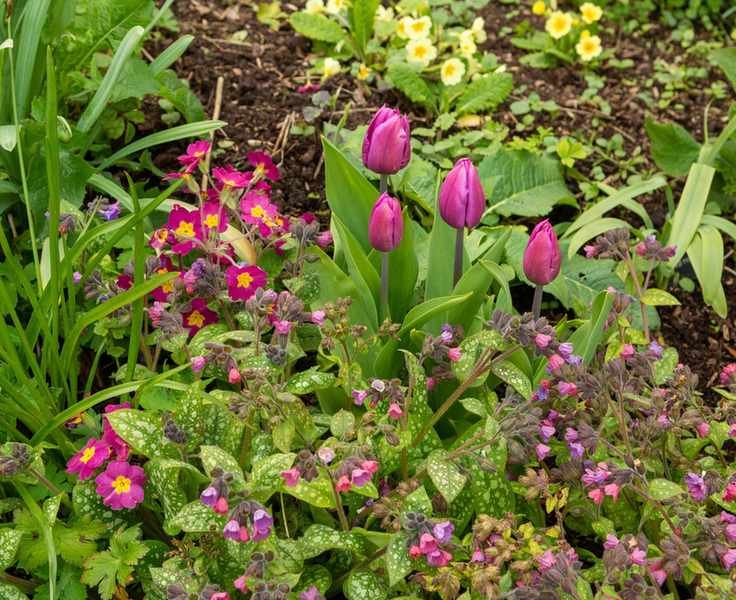
Tulips prefer full sun to partial shade, but preferences vary by type, so verify before purchasing. 'Pale tulips thrive in shady spots, illuminating dim corners,' says Sarah Raven.
While some tulips tolerate shade and damp soil, others prefer free-draining compost in sunny areas.
'Tulips dislike wet, cold conditions. Soil type matters less than ensuring it's not heavy, as waterlogged soil will lead to rot. They do best in sheltered spots where they can bloom earlier,' explains Mark Eves from Belmont Nurseries.
Excess moisture can rot bulbs, necessitating improved soil conditions with organic matter. For potted tulips, ensure pots drain well to support bulb health.
'If your soil is heavy, layer 2 inches of washed sand, grit, or spent compost at the base. Adding a handful of bone meal can boost next year's blooms,' Sarah advises.
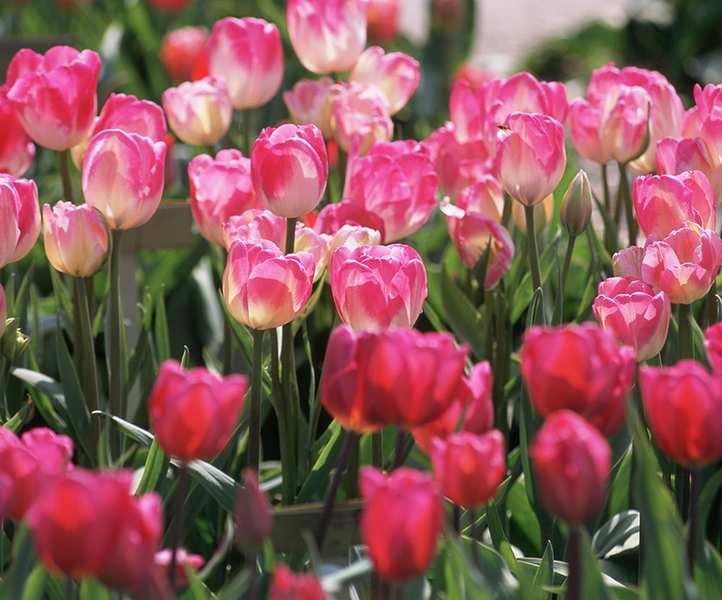
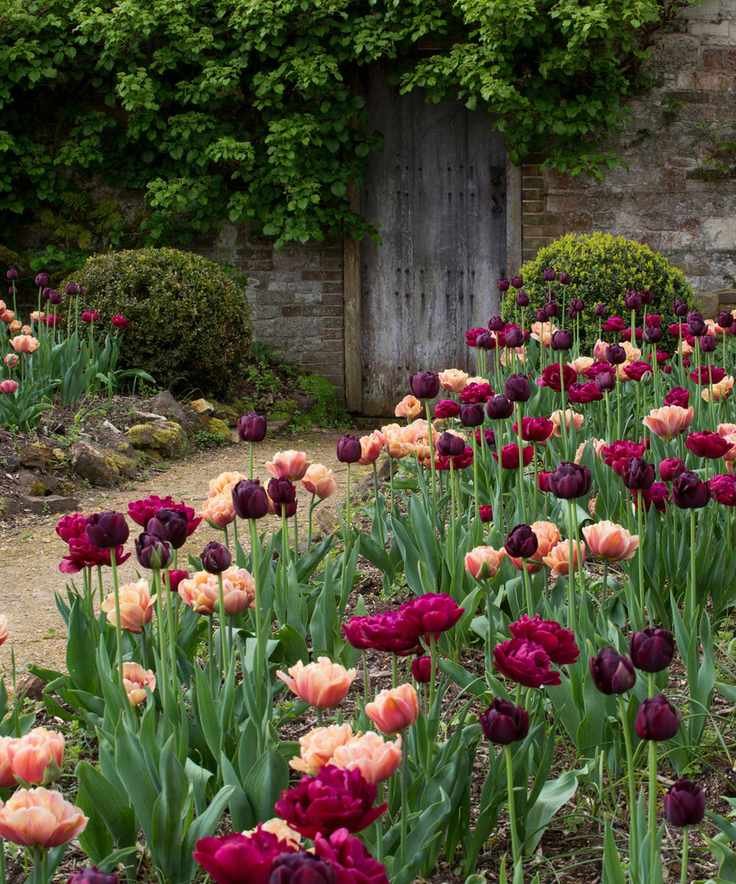
In sunny borders, create space for tulips among existing plants. Plant bulbs in groups of five or six, avoiding straight lines and isolated clusters. Consider mass planting for vibrant color swathes, mixing different colors for a cottage garden vibe or grouping similar shades for a striking palette.
If you're designing a cut flower garden, mass planting tulips works well. Position bulbs close together without touching, ideally in a trench that remains well-watered throughout winter.
'Tulips can be planted individually or in small clusters among perennials, but if planting a large number, dig a trench or hole about 8 inches deep for ease,' advises Sarah Raven.
Storing Tulip Bulbs
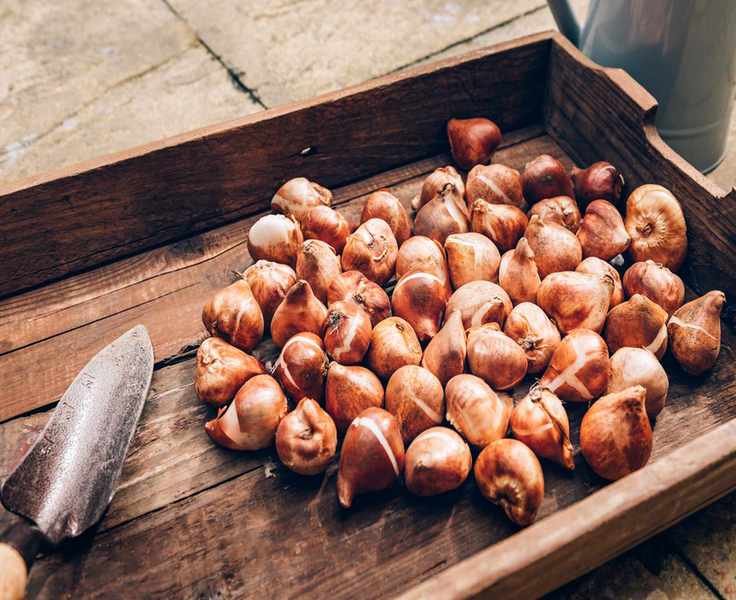
For short-term bulb storage, it's crucial to do so correctly to prevent decay. Avoid plastic or airtight containers; store in a cool (40 to 70ºF), dry, well-ventilated area.
Caring for Tulips
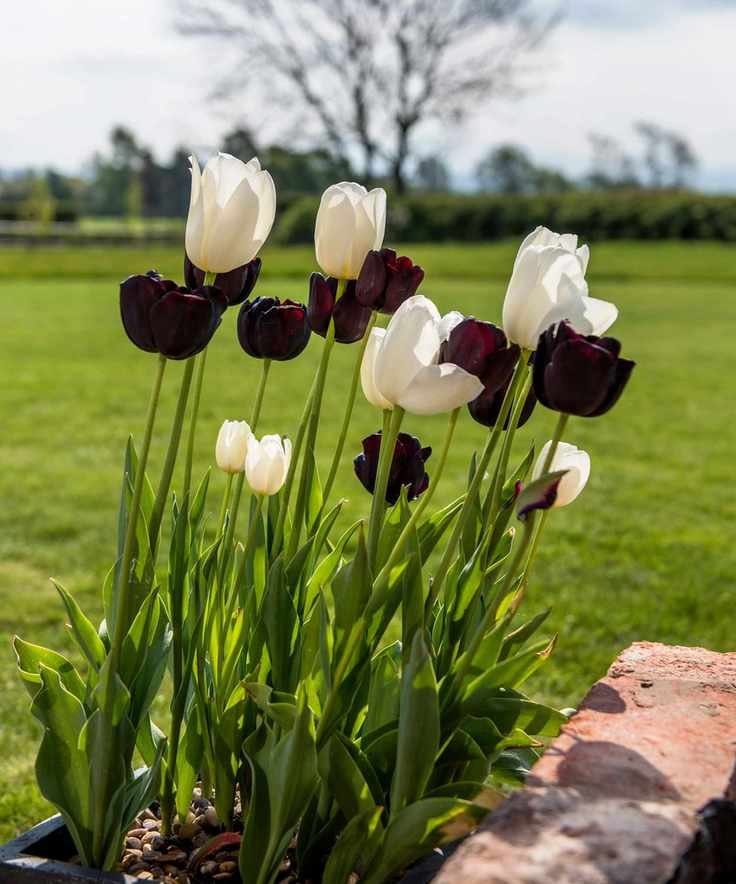
After planting, water tulips thoroughly just once. 'Avoid further watering until foliage emerges. Mimic their native Turkish mountain conditions: cold winters, rainy springs, and hot, dry summers,' explains Leigh Clapp.
Water the bulbs throughout spring if dry spells occur, ensuring the soil doesn't become soggy. 'They need sun from June to September to avoid rotting. Deadhead blooms as petals fall,' adds Leigh.
Consider applying a general fertilizer when the first shoots appear.
After flowering, deadhead the tulips. Many gardeners lift and store the bulbs after foliage dies back, replanting in the fall for blooms the following year.
To maintain tulips:
- Watch for slugs and snails from planting onward.
- Protect bulbs from rodents and other pests with fine chicken wire or by sprinkling cayenne pepper and using well-rotted manure. Planting strongly-scented or thorny plants nearby can also deter pests,' suggests Leigh Clapp.
- Tulip fire, a fungal disease thriving in warm, damp conditions, causes twisted, discolored leaves. If affected flowers emerge, remove and destroy them immediately, avoiding that spot for at least three years.
Types of Tulips
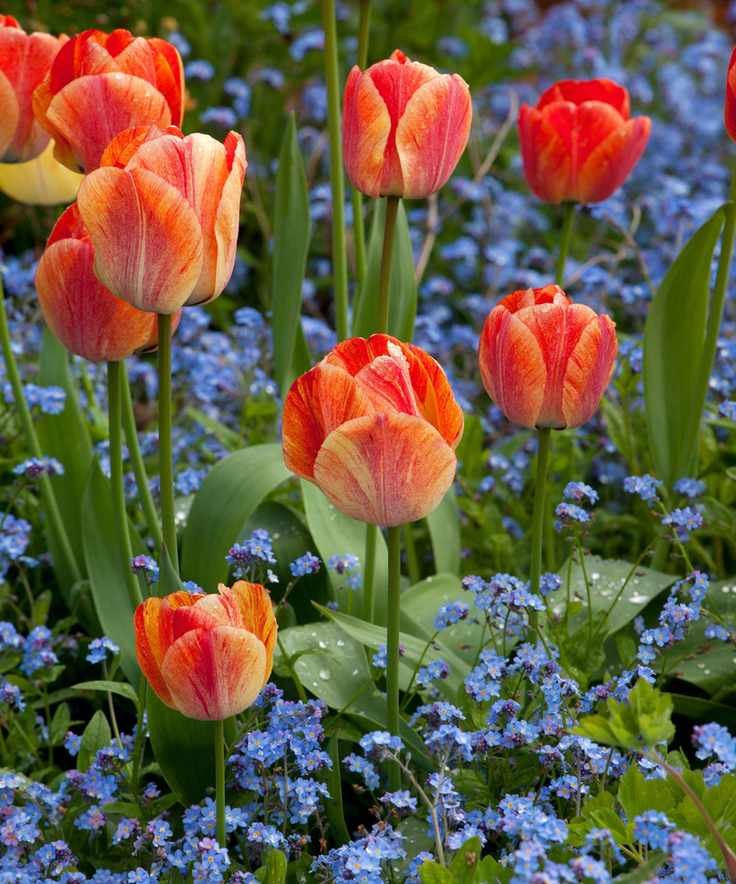
Tulip classifications depend on flowering time and flower shape, ranging from March to May, early to late, and include single, double, fringed, lily-flowered, and parrot tulips.
New cultivars are developed continuously, taking about 20 years to reach stores.
Types of tulips include:
- Species or botanical – small, hardy, long-lived
- Parrot – flamboyant, ruffled petals
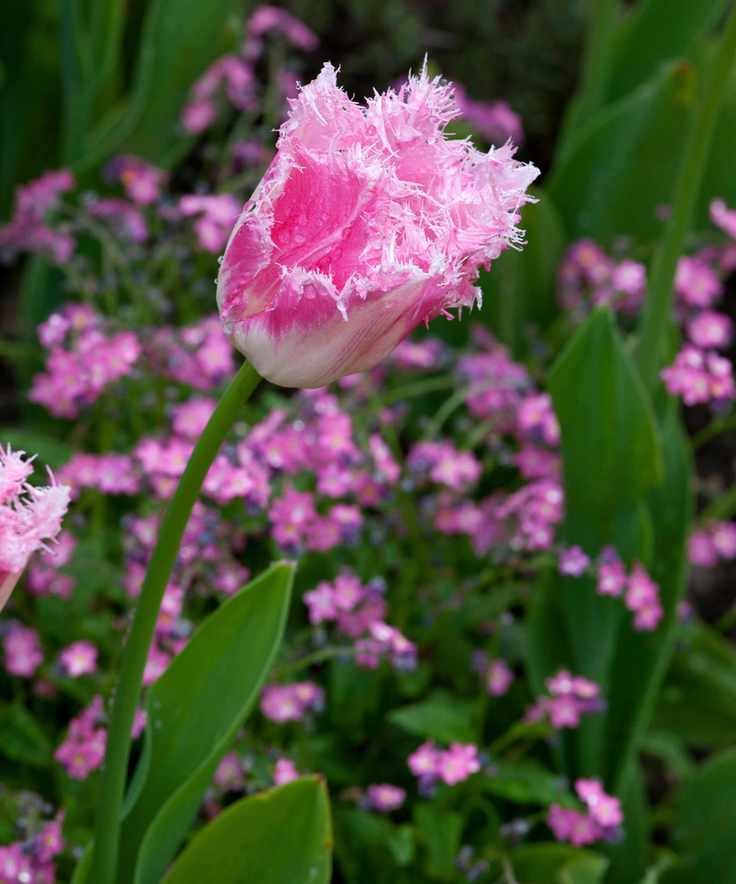
- Fringed – finely trimmed petals
- Rembrandt – modern, virus-free broken tulips
- Darwin hybrid – reliable perennial bloomers
- Triumph – the largest group, blooming in mid-spring
- Lily-flowered – pointed, reflexed petals, great for cutting
- Single early – cup-shaped flowers
- Double early – short-stemmed, peony-like blooms
- Single late – long-stemmed varieties
- Double late – large, layered peony flowers
- Virdiflora – green streaks on petals
- Kaufmanniana – compact, star-shaped flowers
- Fosteriana or Emperor – large, richly colored blooms
- Greigii – perfect for rock gardens

Best Month to Plant Tulip Bulbs
Plant tulip bulbs from September (zones 3 to 5) through October and November (zones 6 to 7), and into December (zones 8 to 9).
Be mindful of soil temperature; it should be 60ºF or cooler but not frozen for optimal tulip growth.
'Cold weather reduces the risk of tulip fire disfiguring flowers. Planting too early can lead to frost damage on emerging leaves,' cautions gardening writer Leigh Clapp.
How Deep to Bury Tulip Bulbs
Plant tulip bulbs at a depth of 5 to 7 inches (approximately three times the bulb's height), or 7 to 8 inches in colder climates.
'I prefer deep planting; it makes tulips less likely to reproduce and more likely to bloom year after year,' suggests gardening expert Sarah Raven.
Ensure bulbs aren't touching, ideally spacing them 4 to 5 inches apart or twice their width.