

Caring for a bonsai tree can be rewarding yet challenging. This art form demands attention and a precise routine. Deviating from this regimen may lead to a struggling bonsai.
Don’t be discouraged if you encounter setbacks. Mistakes are part of the learning process. Even with beginner-friendly bonsai varieties, small missteps can affect their wellbeing.
The good news is that there are identifiable reasons behind your bonsai's struggles, along with solutions to help. Below, plant experts outline common bonsai mistakes and how to steer clear of them for a vibrant miniature tree.
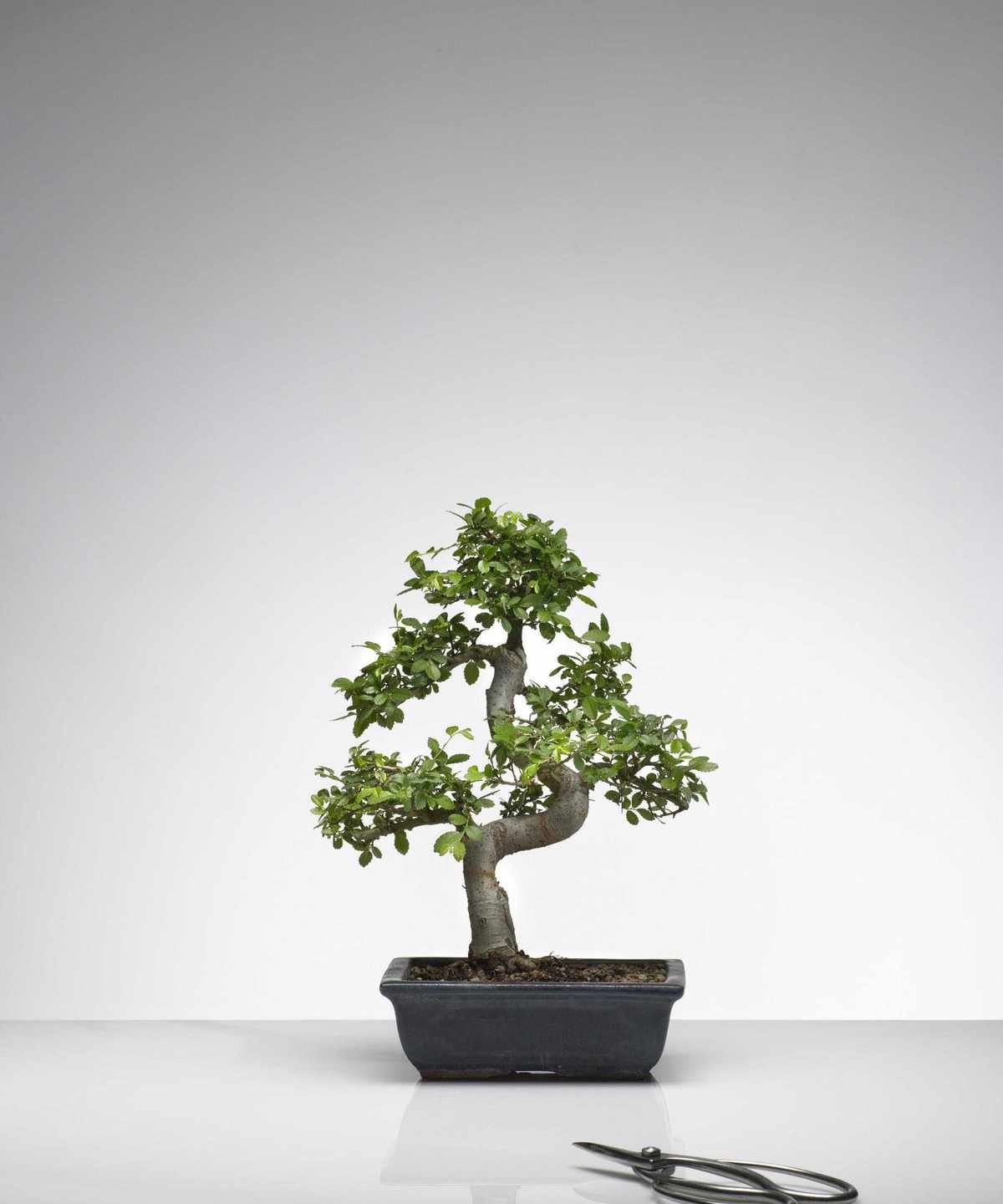
5 bonsai care blunders to avoid
With many types of bonsai trees available, it’s crucial to understand their specific needs. However, some mistakes can affect all varieties. Here’s how to prevent them:
1. Allowing your bonsai to dry out

Whether you're nurturing a dwarf jade or a Japanese maple bonsai, consistent watering is vital.
“Letting them dry out is a significant mistake,” states Lisa Eldred Steinkopf, a plant specialist. “Bonsai thrive in limited potting mix and need daily watering, especially in warmer months.”
Due to their smaller soil volume, these trees can dry out quickly. If they become too dry, you might notice crispy leaves, leading to bare branches.
However, avoid overwatering, which can cause root rot. Using a soil moisture meter (from Amazon) can help maintain proper moisture levels.
2. Over-pruning your bonsai

Pruning is essential for bonsai health, but it can be easy to overdo it. Generally, avoid trimming more than one-third of your bonsai at once, as excessive pruning can stress the tree and stunt its growth.
“Each cut should have a purpose,” advises Julie Bawden-Davis, another plant expert. “For instance, when removing a branch, cut as close to the trunk as possible.”
Use bonsai pruning scissors from Amazon to maintain your plant’s shape and health.
3. Neglecting to fertilize

Bonsai trees, whether indoors or outdoors, require regular feeding, especially during the growing season.
“Failing to fertilize can slow growth and lead to nutrient deficiencies,” Julie explains.
Since these plants naturally grow slowly, they need bonsai fertilizer (from Amazon) for essential nutrients. Consider a slow-release option (from Amazon) for consistent nourishment.
Be cautious not to overfertilize, as this can harm delicate roots. Always adhere to the product instructions, and avoid fertilization during fall and winter.
4. Insufficient light exposure

The lighting needs of bonsai trees vary by species. Generally, avoid placing them in overly shaded areas.
“Proper lighting is crucial,” Julie warns. “In low light, leaves may grow larger to capture more light, leading to an unbalanced growth.”
Some bonsai varieties, like a juniper bonsai (from Walmart), typically need bright light and can droop or lose leaves in overly shady spots.
Research your specific bonsai's light requirements, and adjust its position accordingly. If indoor lighting is an issue, consider using a grow light from Amazon.
5. Ignoring pest checks

Pests can affect bonsai trees, regardless of whether they're indoors or outdoors.
“Tropical bonsai may encounter pests like mealybugs, scale, or thrips,” Lisa notes.
Acting swiftly can prevent further damage. Untreated infestations can weaken your bonsai, making recovery more difficult.
In contrast, hardy varieties, such as Japanese maples, are less prone to pests. Regularly inspect your bonsai's leaves, trunk, and soil, and clean leaves to eliminate dust that attracts pests.



