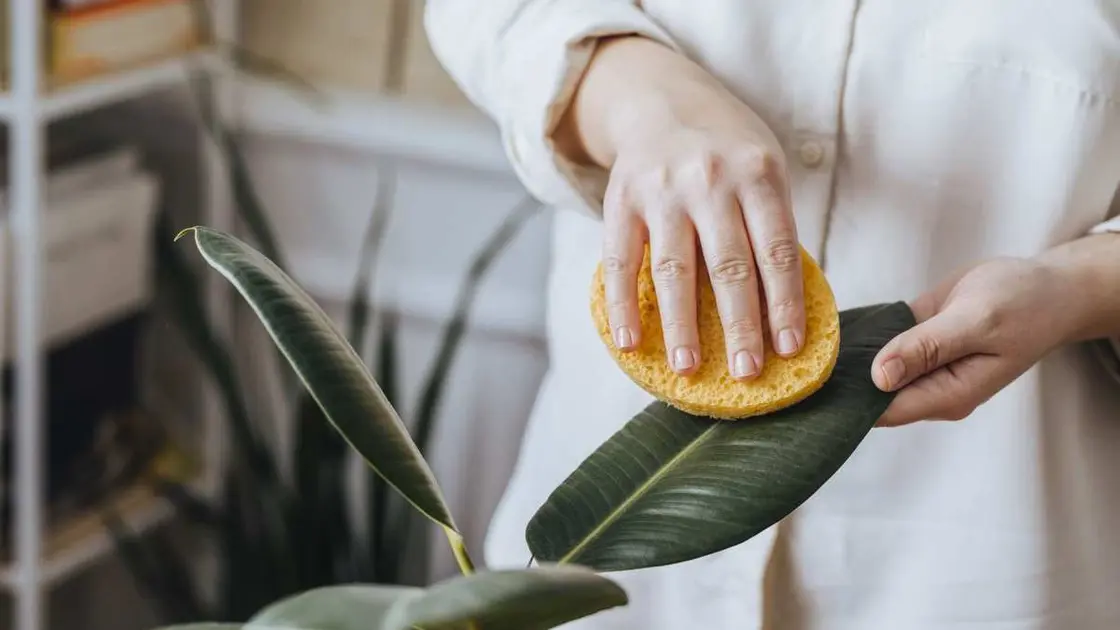
Cleaning houseplant leaves is crucial for their health and aesthetics. Dust can accumulate on leaves, hindering their ability to absorb sunlight and photosynthesize effectively. Different plants have distinct needs when it comes to cleaning for optimal results.
Regular cleaning not only enhances the look of your plants but also promotes their overall well-being. If dust builds up, plants can struggle to thrive. Consider your environment; pets, open windows, and ceiling fans may necessitate more frequent cleaning.
'Especially during winter, wiping the leaves can maximize light absorption,' says a gardening expert. Scheduling a monthly cleaning session can keep your plants looking vibrant. Pair this with your weekly watering routine and set reminders to stay on track.
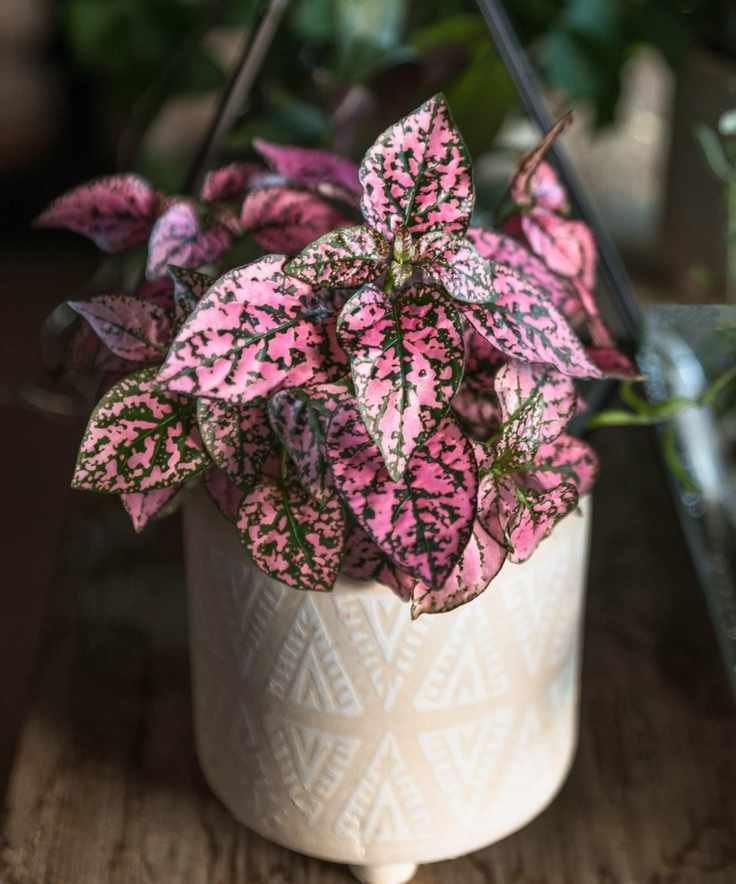
Essential Items for Cleaning Houseplant Leaves
Cleaning your houseplants is a must. To achieve the best results, gather your cleaning supplies tailored to your plant collection.
Creating a plant care kit can be a game-changer, ensuring you're ready for any cleaning task. Dust-covered leaves can detract from your plants' appeal, and it's a common mistake. Here's what to include:
- A plant mister or spray bottle from Amazon
- Soft, clean microfiber cloth from Amazon
- A dry paintbrush
- A fine-tipped artist's brush
- Q-tips
- Cotton balls
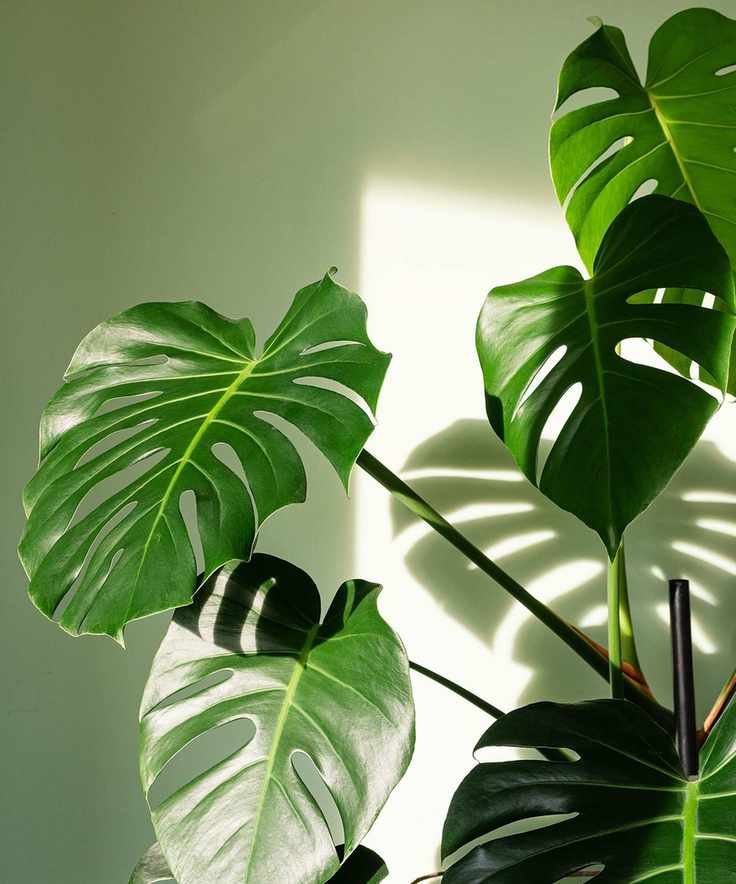
Cleaning Smooth and Shiny Leaves
For plants with smooth leaves, like rubber plants, monstera, and fiddle leaf figs, simply wipe the leaves with a damp microfiber cloth or non-abrasive sponge. Support the leaves while cleaning to prevent breakage.
'If pests like thrips appear, mix a drop of unscented organic soap with water, applying it with your cloth or misting the plant before cleaning,' advises a houseplant expert.
To give your plants a shiny finish, use a mix of equal parts milk and water, applying it with cotton balls. Remember to wring them out to avoid dripping.
If you have larger plants that are hard to move, a feather duster can help reach high spots.
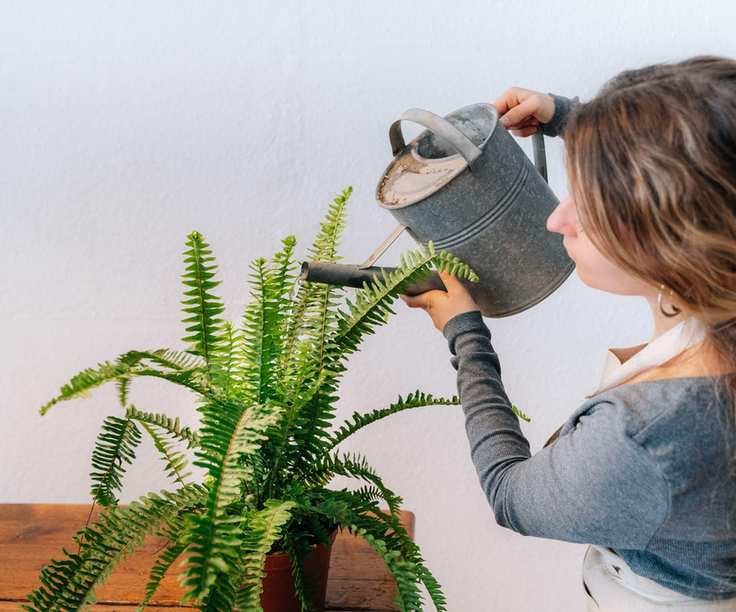
Cleaning Delicate Foliage
For ferns like maidenhair, Boston, and asparagus, use a soft paintbrush to gently remove dust. If dirt persists, dip the brush in lukewarm water and carefully clean the leaves.
Use smaller brushes for delicate plants, and after cleaning, mist them lightly to enhance humidity.
For leafy plants like Kentia palm, a soft damp cloth can be draped over a leaf and gently pulled from stem to tip.
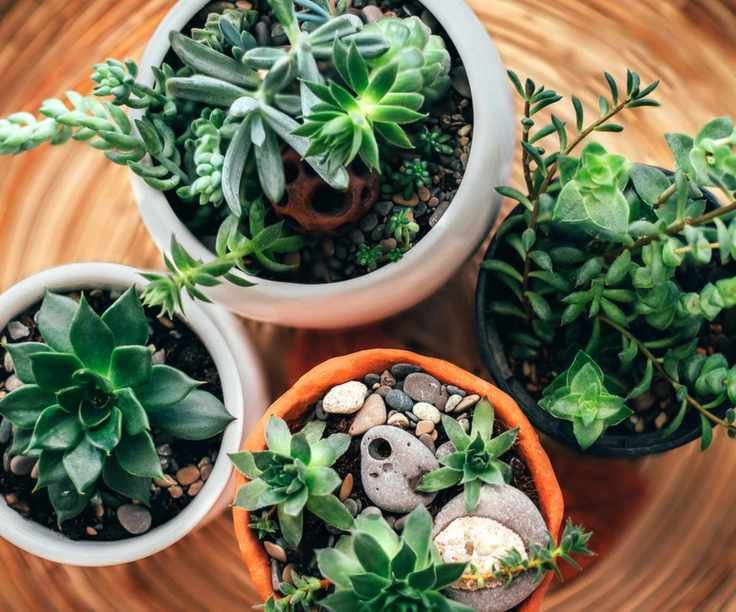
Cleaning Cacti and Succulents
For cacti, avoid water and use a dry paintbrush to dust around their spikes. For smaller varieties, a Q-tip or fine-tipped brush works well.
For succulents, gently wipe each leaf with a dry cloth to restore their shine, avoiding water splashes.
Fortunately, both cacti and succulents are among the easiest indoor plants to care for, making cleaning the main task.
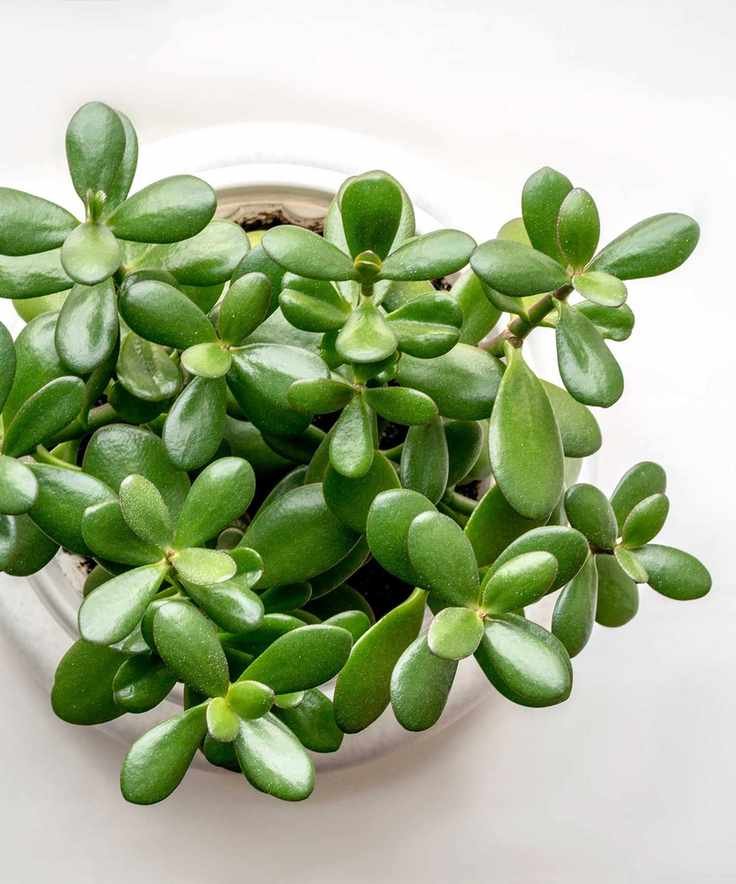
Using a Bucket of Water for Cleaning
This method works well for smaller plants. Fill a bucket with lukewarm water, hold the base of the plant tightly, and invert it. Swish the leaves gently in the water.
To prevent soil from spilling, consider wrapping the base with plastic. Ensure the plants dry completely before returning them to their spots.
If cleaning kitchen plants, add a bit of mild dish soap to the water for better grime removal.
FAQs
Can I use the shower to clean houseplants?
If you have many plants, moving them to the shower or bathtub can simplify cleaning. This approach is especially useful for larger plants or those with many small leaves, like spider plants.
Always use lukewarm water and support the leaves while rinsing. Allow them to dry before placing them back.
Are baby wipes safe for cleaning houseplant leaves?
While they may seem convenient, baby wipes can contain chemicals that may harm leaves. If you decide to use them, ensure they are unscented and chemical-free.

Incorporating plant cleaning into your routine can be quick and simple. With the right tools and techniques, your houseplants can remain healthy and visually appealing.