
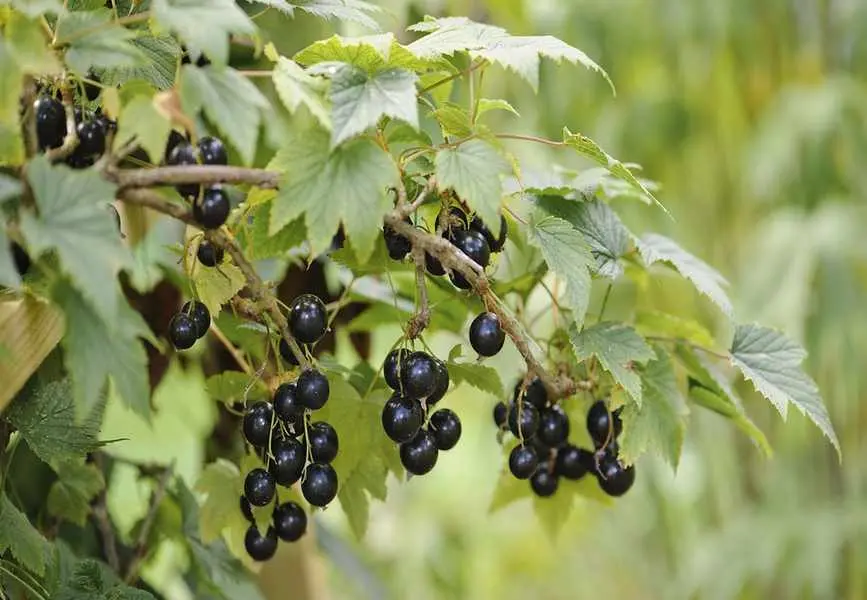
Blackcurrants are low-maintenance fruit bushes that can yield abundant crops with minimal effort. To ensure peak production, it's essential to know the correct timing and techniques for pruning.
While blackcurrants are widely cultivated in Europe, they remain less common in the United States, partly due to a past ban on their cultivation. Nowadays, they are gaining appreciation for their prolific yields and high vitamin C content.
During my time working in kitchen gardens across the UK, I managed numerous blackcurrant bushes alongside other fruit plants. Annual pruning resulted in heavy yields, with the berries often destined for chefs or local markets.
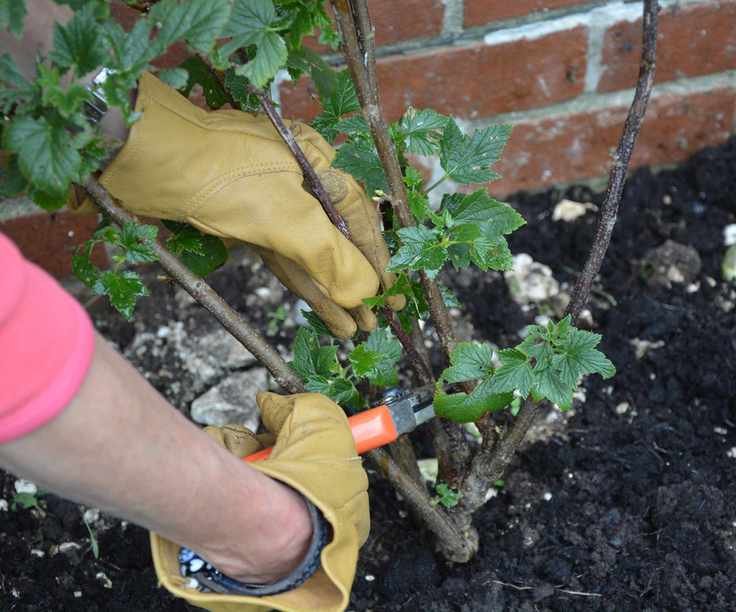
Annual pruning keeps blackcurrant bushes productive
How to Prune Blackcurrant Bushes
To maintain productivity, established bushes should be pruned each year to promote new growth. They primarily produce fruit on two- and three-year-old wood, so regular rejuvenation is key. Blackcurrants can thrive in both ground beds and raised garden setups.
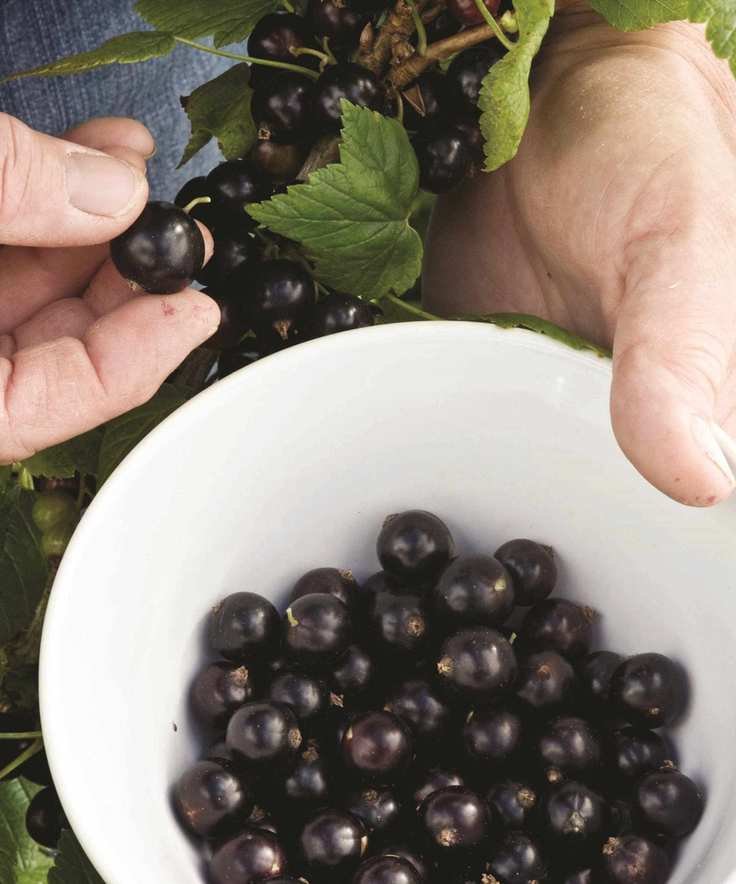
Regular pruning maximizes your harvest
Timing Your Pruning
Understanding the ideal pruning season is crucial for maintaining the health and productivity of the bushes. The best time to prune is during their dormant phase, typically between November and February. This timing allows you to effectively remove old and unproductive wood while encouraging fresh growth.
Winter pruning also offers a clear view of the branch structure, allowing for more precise cuts. Aim to finish before spring buds begin to swell.
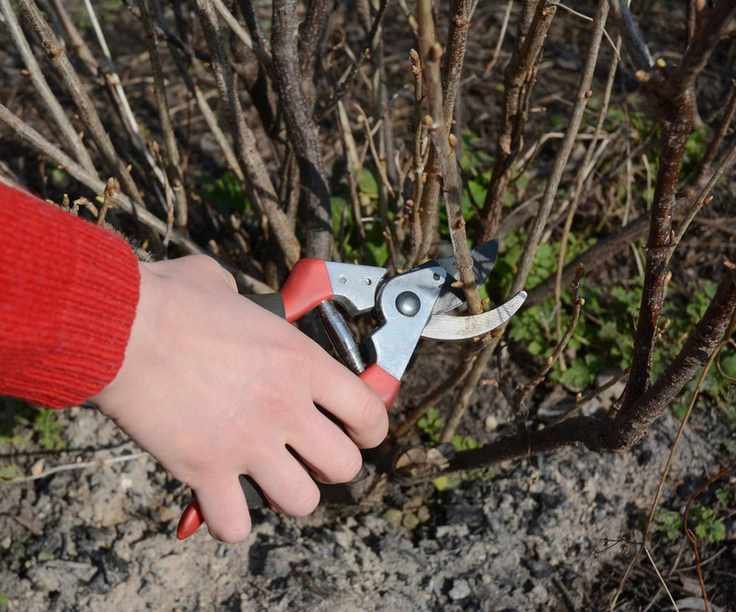
Winter is perfect for pruning blackcurrants
Pruning Techniques
Using sharp pruning shears is essential for making clean cuts and minimizing disease risk. Consider using a sharpening stone like the Felco sharpening tool available on Amazon to keep your tools in top shape.
For newly planted bushes, trim all stems to around three inches. In the first two years, only minimal pruning is necessary, focusing on removing weak or broken branches.
Once established, begin annual pruning to foster new, productive wood. Follow the one-third pruning rule, ensuring you only remove about 30% of the wood from established bushes.
Begin by assessing the bush's overall shape. Remove any dead, diseased, or damaged wood first. Next, prune about a third of the oldest stems, identifiable by their dark bark. These older stems yield less fruit, so their removal allows younger, more fruitful growth to flourish.
Stems with grey or brown bark are generally the most productive and should remain. Select the strongest 6-8 upright shoots for optimal fruit production. Aim for a goblet-like shape with an open center for better air circulation and light exposure, facilitating easier harvesting.
Eliminate weak, spindly stems and any that grow inward. Also, prune low-lying branches that may droop under the weight of the fruit.
Common Questions
Do Blackcurrant Bushes Require Pruning?
Yes, pruning is necessary to keep blackcurrant bushes healthy and manageable. Without regular trimming, they can become overgrown and tangled, resulting in reduced fruit production and increased disease risk due to poor air circulation.
Can I Prune Blackcurrants After Harvesting?
While some gardeners suggest pruning immediately after harvesting, winter is generally preferable. If you can differentiate between old and new wood by color — older wood is darker, while two-year-old branches are grey — you can avoid confusion.
Soft fruits like blackcurrants are excellent additions to any kitchen garden, offering beauty and abundant harvests. Consider complementing them with other fruits like blueberries, redcurrants, or gooseberries for a varied selection in your garden space.



