
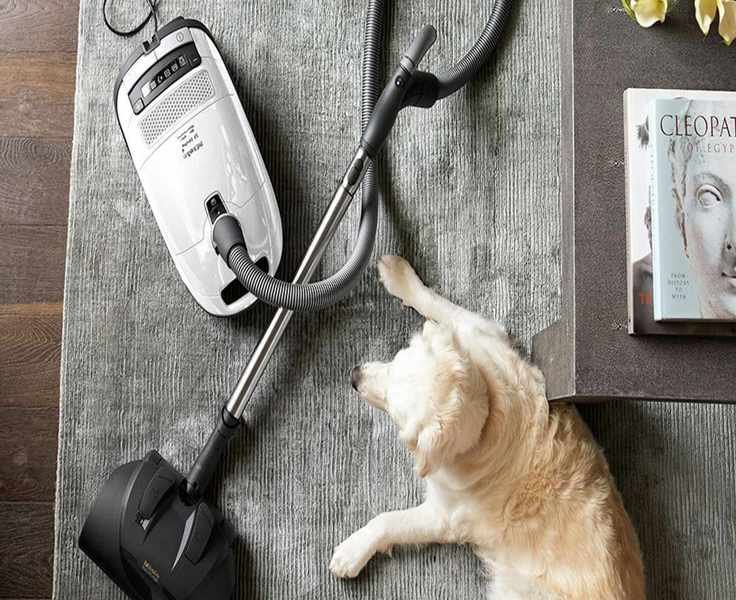
Dealing with a blockage in your canister vacuum can be quite frustrating. Just when you're making progress on your cleaning tasks, the vacuum loses suction and forces you to pause and investigate the issue.
The good news is that there's a clever method favored by both engineers and our team — all you need is a quarter and a long object, like a broom handle, to help you find and dislodge the obstruction.
A blockage can significantly impact your vacuum's effectiveness, leaving dirt and debris behind even after you've cleaned. While blockages can occur in both upright and canister vacuums, the approach for addressing a clog in a canister model is a bit different.
How to Quickly Clear a Blockage in Your Canister Vacuum
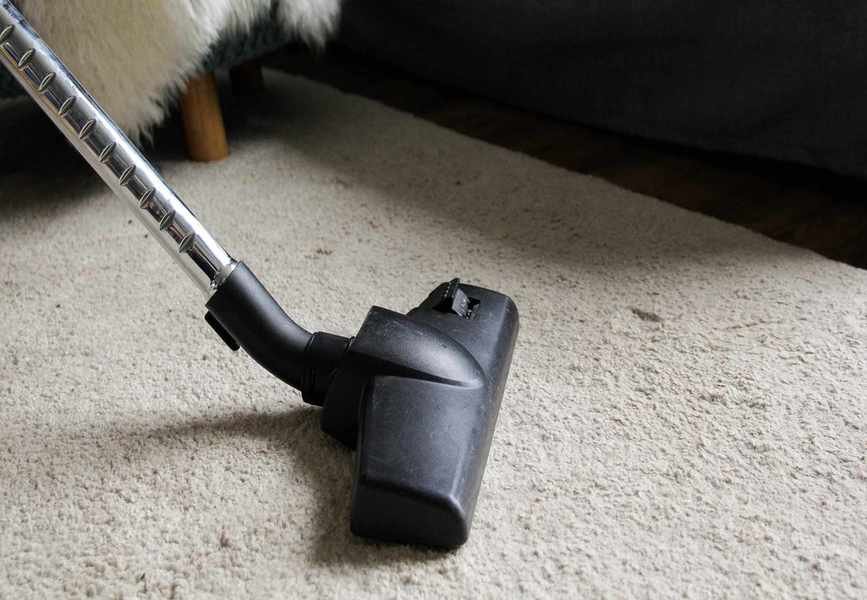
Before you begin, ensure your vacuum is unplugged for safety.
There's a straightforward technique to check for blockages in various parts of your canister vacuum. After encountering a sudden clog in her Miele pet hair vacuum, Punteha van Terheyden, a vacuum expert, reached out to the manufacturer's support line.
She shared, 'The engineer provided me with an excellent tip to identify where the blockage was occurring. I disassembled the different sections of my canister vacuum, from the cleaner head to the flexible pipes. Holding each piece vertically, I dropped a quarter through it. If it came out the other end, that section was clear.'
This method is effective for checking the hose, cleaner head, canister, or any attachments — just be careful not to let the coin get stuck inside the vacuum.
Next, it's time to clear the blockage. If it's lodged in the hose, you can use something long like a broom handle, or you might need a more flexible tool such as a drain snake. The Amazon Basics Drain Clog Remover is highly recommended because it includes six tools, one of which is long enough for a canister hose, while the others are perfect for tackling smaller clogs.

Amazon's Choice
Amazon Basics Drain Clog Remover Tool
This set includes one long stainless steel snake and five plastic ones to cover a variety of clogs, beyond just your vacuum cleaner.
Sometimes, a combination of air pressure from an air compressor and gentle manual pushing works effectively too. If you don't already own one, an air compressor is a handy tool for more than just cleaning your vacuum. It can also refill tires, clean computer keyboards, and remove debris from electronics.
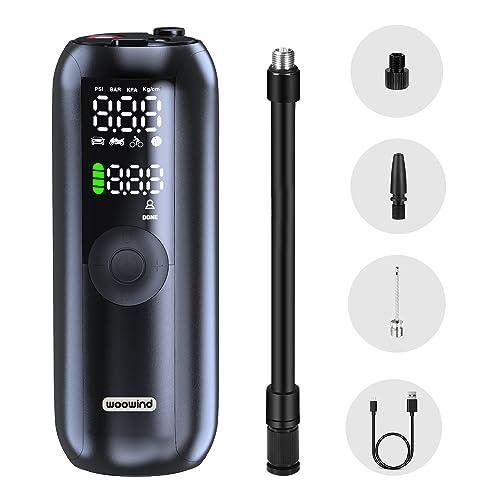
A portable essential
Woowind Portable Air Compressor
This Woowind air compressor is portable and offers a maximum pressure of 150PSI. In addition to clearing blockages and cleaning electronics, it's also useful for inflating bike or car tires.
A drain snake or air compressor can also be very effective if the blockage is in the floor head or any attachments, as these parts are easy to access from either end. Again, check if a quarter can pass through — if it can't, you'll know where the issue is. These are the components that often come into contact with dirt, so regular maintenance is essential.
The canister has several components to check, including the dust bag or bin, motor, fan, rotating brush, exhaust port, and intake port. While it's unlikely for a clog to reach the motor or brush, it's wise to inspect all accessible areas according to the manufacturer's disassembly instructions.
Once you've located the blockage, you can utilize one of the plastic drain snakes, as their rigid design is effective at snagging hair and other debris.
If all else fails, consider cleaning your vacuum filter. A dirty filter can make it seem like your vacuum is clogged when it simply needs to be cleaned or replaced.
'Both pre-motor and HEPA filters need regular maintenance. Remember that a blocked filter can also cause obstruction and significantly reduce suction power. If the filters are washable, clean them with water and allow them to dry completely before reinstalling,' advises Daniel Anderson, a professional cleaning expert.
Preventing Blockages in Canister Vacuums
After successfully removing any blockages, you'll save yourself time and effort by learning how to avert future issues.
'In my experience, the best way to prevent clogs in canister vacuums is to be mindful of what you're vacuuming up,' says Larry Snider, VP of Operations at Casago. 'With a canister vacuum's longer hose, avoid vacuuming wet items, as they can adhere to the hose and cause blockages.'
'Additionally, large amounts of pet hair can lead to similar problems. Regularly emptying your vacuum will also help maintain suction and reduce the risk of clogs,' he adds.
If you frequently vacuum with pets, you might notice more clogs than others. Consider investing in the best vacuum for pet hair to minimize this hassle.



