
Many individuals have faced job loss or felt the need for change over the past year. Here’s how to reinvent your career and adapt effectively.
It's been a year since our team last gathered at our office in Times Square. Like many organizations, we had to adapt quickly when COVID struck. We transitioned to remote work, and I feel grateful every day for our health and ability to connect via Zoom, email, and Slack.
Countless companies had to make similar adjustments, and millions of individuals found themselves reevaluating their careers. If your industry faced shutdowns or you experienced layoffs, you might have reconsidered your long-term career goals. Perhaps COVID helped you clarify your priorities, leading to a realization that your current job wasn't fulfilling.
Career transitions aren’t a new phenomenon—49% of people report making significant changes during their working lives. However, COVID altered how we approach job searching and accelerated existing trends in the workforce. Companies are hiring, but what should you do if you’re ready for a change?
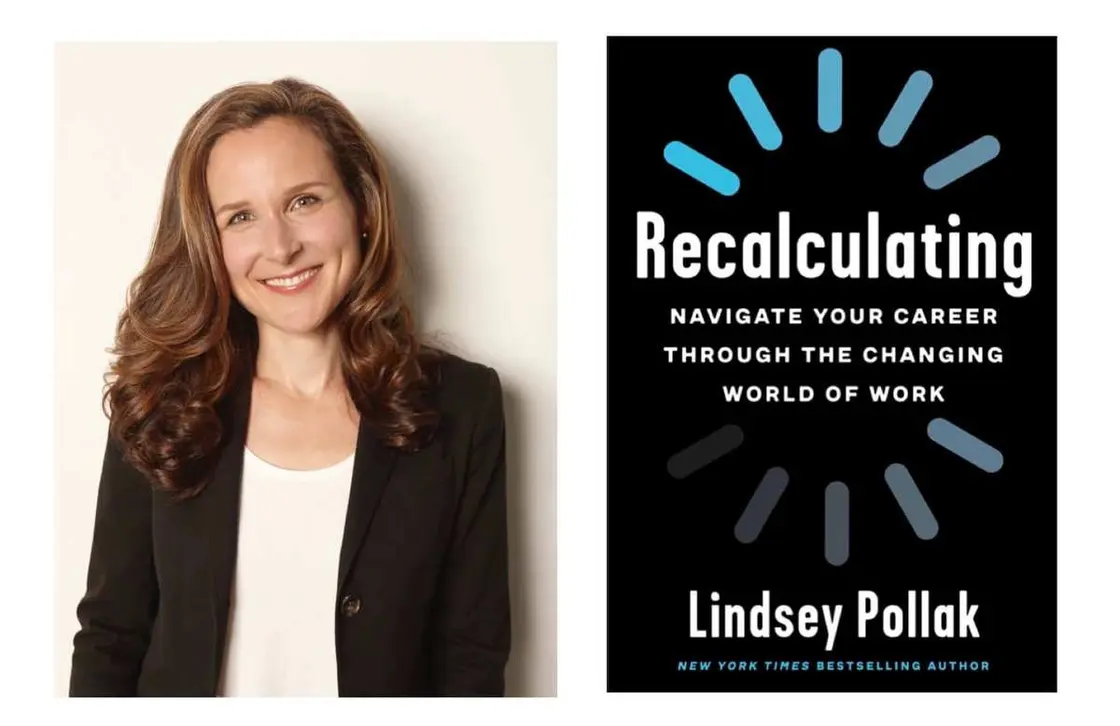
This week’s podcast features Lindsey Pollak, a bestselling author and career expert, sharing insights from her new book, “Recalculating: Navigate Your Career Through the Changing World of Work.” She offers invaluable advice for those looking to thrive in today’s evolving job landscape.
Jean and Lindsey discuss how job seekers from all backgrounds can adjust to this new environment and prepare for future changes. Adapting isn't always easy, especially when uncertainty looms.
Lindsey highlights major shifts in workplaces since the pandemic, including remote work, increased virtual communication, a focus on diversity and inclusion, and the expansion of the gig economy. Even if you didn’t change careers, these trends likely impacted your work life.
They talk about the first steps anyone can take when reinventing their career—whether that means job interviewing, re-entering the workforce, or making a career pivot. Networking remains key; around 70% of jobs are found through personal connections. But how does networking work in a virtual world without in-person events?
“You must step outside your comfort zone,” Lindsey advises. “Focus on what you can control, like networking and submitting applications. You can’t dictate the job market, but you can expand your network and apply for positions.”
Jean and Lindsey conclude with essential tips for those recalibrating their careers and discuss effective LinkedIn strategies and social media do’s and don’ts.
In the Mailbag segment, Jean and Kathryn respond to a listener nearing retirement who has questions about managing savings withdrawals. They also address concerns from another listener about shared retirement savings with her partner. In Thrive, they discuss financial security for women over 50 as retirement approaches.
- 6 Actions That May Be Hindering Your Career Progress
- Envisioning My Ideal Retirement: A Career I Cherish
- Everything You Need to Know About Starting a Freelancing Career
- Empowering Women Over 50 to Reclaim Workplace Confidence
Transcript
Lindsey Pollak: (00:01)
You must take that step and put yourself out there. Control what you can. You can’t influence the job market or hiring decisions, but you can control your networking efforts and application submissions.
Jean Chatzky: (00:29)
Today’s episode is brought to you by Fidelity Investments. During Women’s History Month, Fidelity is hosting virtual events and providing resources for a healthier financial future. Learn more at Fidelity.com/HerMoney.
Jean Chatzky: (00:44)
I’m Jean Chatzky. Welcome to our podcast. It’s been nearly a year since my team was last physically together in our Times Square office. Like countless others, we adapted quickly when the pandemic hit. I reflect daily on how fortunate we are to have made this transition and to be working together remotely. Many have faced similar challenges, prompting a reevaluation of their careers. If your job was affected by shutdowns or layoffs, you may be reconsidering your long-term career vision. COVID may have also helped clarify what you value most in your work life.
Job changes aren’t new; in fact, 49% of individuals report having made significant career shifts at some point. However, the pandemic has transformed job searching approaches and sped up existing workforce trends. Companies are hiring, but how should you proceed if you’re ready for a career change? Here to guide us is Lindsey Pollak, a renowned career expert and author of “Recalculating: Navigate Your Career Through the Changing World of Work.” We’re thrilled to have her insights today.
Lindsey Pollak: (03:17)
Thanks for having me.
Jean Chatzky: (03:20)
Your book seems perfectly timed. When did you decide to write it?
Lindsey Pollak: (03:28)
I didn’t plan to write another book so soon. My previous book was published just two years ago. But in May 2020, while my speaking events were canceled, I looked out my window and thought about how to navigate this situation. That’s when I decided to write a book focused on recalculating our career paths.
Jean Chatzky: (04:15)
You mention in your book that job seekers must adapt to a new normal. What does that entail?
Lindsey Pollak: (04:34)
It’s less about a completely new normal and more about the acceleration of existing trends. Industries have rapidly changed, leading to increased automation and a rise in gig economy jobs. More individuals are switching careers multiple times, and many are reconsidering the value of traditional education due to rising costs.
Jean Chatzky: (05:23)
You highlight numerous workplace changes since COVID. Beyond remote work, what other shifts have occurred?
Lindsey Pollak: (06:15)
The pandemic has intensified personal experiences with work. Remote work has become the norm, leading to strong opinions about the future. As individuals face disruptions, many are reevaluating their career goals and priorities.
Jean Chatzky: (07:22)
Who exactly are these “recalculators”? Who falls into that category?
Lindsey Pollak: (08:05)
Everyone is recalculating. COVID has taught us that coasting is no longer an option. Constantly reassessing your skills and opportunities is vital for success.
Jean Chatzky: (09:10)
If someone realizes they’re in this recalculating phase, what’s the first step?
Lindsey Pollak: (09:25)
First, embrace creativity and broaden your perspective. Consider diverse networking opportunities and embrace different viewpoints to stay informed about industry trends.
Jean Chatzky: (10:29)
How do you evaluate which ideas to pursue when recalibrating?
Lindsey Pollak: (10:56)
Start small. Identify a trusted group for feedback and take incremental steps toward your ideas. This approach helps you gauge momentum.
Jean Chatzky: (11:58)
What are the other key rules for recalculators?
Lindsey Pollak: (12:06)
One crucial rule is to ask for help. Many resources are available, including alumni career centers that offer support for interviews and LinkedIn profiles. People genuinely want to support one another.
Jean Chatzky: (13:14)
Now, regarding networking strategies in our virtual world, what’s most effective?
Lindsey Pollak: (14:23)
Informational interviews are excellent. Reach out to your network and request short conversations for career advice. Alumni connections are powerful since many people are willing to assist.
Jean Chatzky: (15:46)
Do you think Clubhouse is a useful platform for networking?
Lindsey Pollak: (15:50)
I’ve joined Clubhouse and find it a mixed bag. It’s a great way to connect with others on shared interests, but follow up on those conversations elsewhere for deeper relationships.
Jean Chatzky: (16:46)
You’ve been discussing LinkedIn. Its remote job searches have surged by 60% since last March. Will this trend continue?
Lindsey Pollak: (17:21)
If remote work is your primary focus, go all in. But if you’re open to other opportunities, don’t restrict yourself to remote-only listings, as that might limit your options.
Jean Chatzky: (18:12)
For listeners facing job searches, especially women impacted by the pandemic, what are your top three tips for staying motivated?
Lindsey Pollak: (18:29)
First, recognize that feeling discouraged is normal. Allow yourself to process those emotions. Second, take action—applying for jobs is essential. Many job seekers often haven’t applied for any positions, which can hinder their progress. Lastly, focus on what you can control, like networking and submitting applications.
Jean Chatzky: (19:49)
Networking through LinkedIn is excellent, especially when targeting specific companies. It’s more impactful to connect with someone after submitting an application than just expressing casual interest.
Lindsey Pollak: (20:22)
You need to combine efforts. While building connections, also follow through with formal applications. It shows commitment and can significantly enhance your chances.
Jean Chatzky: (20:48)
For women in heavily impacted sectors, such as hospitality, what advice do you have?
Lindsey Pollak: (21:10)
Research shows that changing lanes is possible. Many transferable skills exist across industries. Consider taking a career assessment to identify your strengths that can transition to new roles.
Jean Chatzky: (22:09)
What assessment tools do you recommend?
Lindsey Pollak: (22:16)
Consult your college career center for a free assessment. I also collaborate with Cappfinity for a strengths profile assessment available at my website.
Jean Chatzky: (22:33)
Thanks for sharing such valuable insights, Lindsey. Where can we learn more about you?
Lindsey Pollak: (22:48)
My name is my website, LindseyPollak. You can find me on LinkedIn and Clubhouse, and my book is available at most retailers.
Jean Chatzky: (22:59)
Thank you for your insights today.
Jean Chatzky: (23:03)
Now, let’s shift to Kathryn and the mailbag.
Jean Chatzky: (23:09)
I’m back with Kathryn. Hey Kathryn.
Kathryn Tuggle: (23:13)
Hi Jean. I enjoyed that episode.
Jean Chatzky: (23:15)
It was insightful. Lindsey’s analogy about recalculating was spot on.
Kathryn Tuggle: (23:32)
Absolutely. Just like a GPS recalibrates when you take a wrong turn, so must we adapt our paths.
Jean Chatzky: (23:53)
Indeed, we constantly navigate changes and uncertainties in our careers, which require ongoing recalibration.
Kathryn Tuggle: (24:27)
Absolutely. We’re all recalibrating in various aspects of our lives.
Jean Chatzky: (24:54)
Let's move on to our listener questions.
Kathryn Tuggle: (25:01)
Definitely. Our first question is from Laverne, who is nearing retirement. She has concerns about withdrawing funds from her savings.
Jean Chatzky: (27:03)
Laverne, your upcoming retirement sounds exciting. It’s great that you and your husband have confirmed your financial readiness. As you prepare for withdrawals, consider consulting with a financial advisor for tailored guidance on managing your retirement funds.
Kathryn Tuggle: (32:57)
Absolutely. The decumulation phase is crucial for ensuring long-term financial stability.
Jean Chatzky: (33:09)
Indeed, understanding how to effectively manage withdrawals is just as important as accumulating savings.
Kathryn Tuggle: (33:20)
Our next question comes from Katie, who is assessing her and her partner’s retirement savings after 20 years of marriage.
Jean Chatzky: (36:21)
Katie, there isn’t a one-size-fits-all answer. Depending on your circumstances, consider whether combined or individual retirement planning is more advantageous for you. Consult with a financial advisor to weigh your options.
Kathryn Tuggle: (41:07)
Great advice. Asking for assistance can often lead to better financial outcomes.
Jean Chatzky: (41:12)
Absolutely, it’s vital to seek help when necessary.
Kathryn Tuggle: (41:29)
Indeed. It’s essential to advocate for yourself and your needs.
Jean Chatzky: (41:30)
Thank you, Kathryn.
Kathryn Tuggle: (41:34)
Thank you, Jean.
Jean Chatzky: (41:35)
In today’s thrive segment, we discuss financial preparedness for women over 50. By 2028, women will control 75% of discretionary spending globally, and by 2030, they will hold 66% of U.S. wealth. For women aged 50 and older, securing a solid financial future is critical. Start by establishing an emergency fund covering at least six months of expenses.
Research indicates that women aged 50-61 are 18% less likely to find work compared to younger counterparts. This underscores the importance of having an accessible cash reserve. Next, consider the longevity factor—women typically have a life expectancy of over 80 years. Ensure your financial plan includes a will, healthcare directives, and long-term care planning.
Lastly, don’t hesitate to invest. Time is a powerful ally for investors. Women aged 50 today may live for another 30 years, so a long-lasting investment portfolio is vital. Stocks can help combat inflation and grow wealth over time.
Women over 50 have a promising financial outlook, but those who prepare will reap the most significant rewards. Thank you for joining us today, and thanks to Lindsey for sharing her insights on recalibrating during these challenging times. If you found this helpful, please subscribe to our show on Apple Podcasts and leave us a review. We value your feedback. Our podcast is produced at CDM Sound Studios, with music from Video Helper and distributed via Megaphone.



