
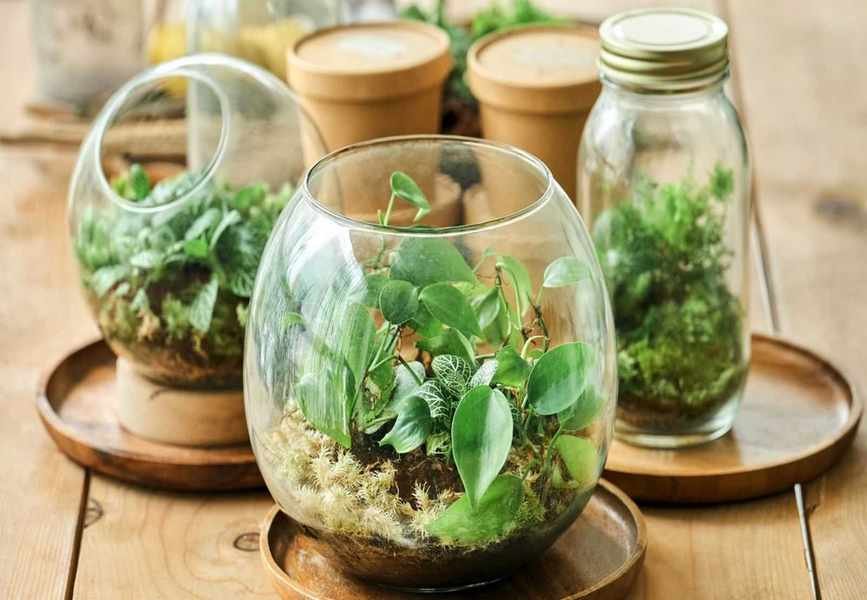
Terrariums add delightful charm to your indoor garden, but they can quickly lose their appeal. Fortunately, with the right techniques, you can maintain a vibrant terrarium for years. If your terrarium needs a refresh, here's how to rejuvenate it.
You can either create your own terrarium or opt for a store-bought option (like this lovely terrarium kit on Amazon). However, if your plants require more space or specific conditions, they may not thrive and could start to decay.
Refreshing your terrarium is straightforward. Here's my process for revitalizing mine – it will thrive for years with these steps.
1. Select the Right Container
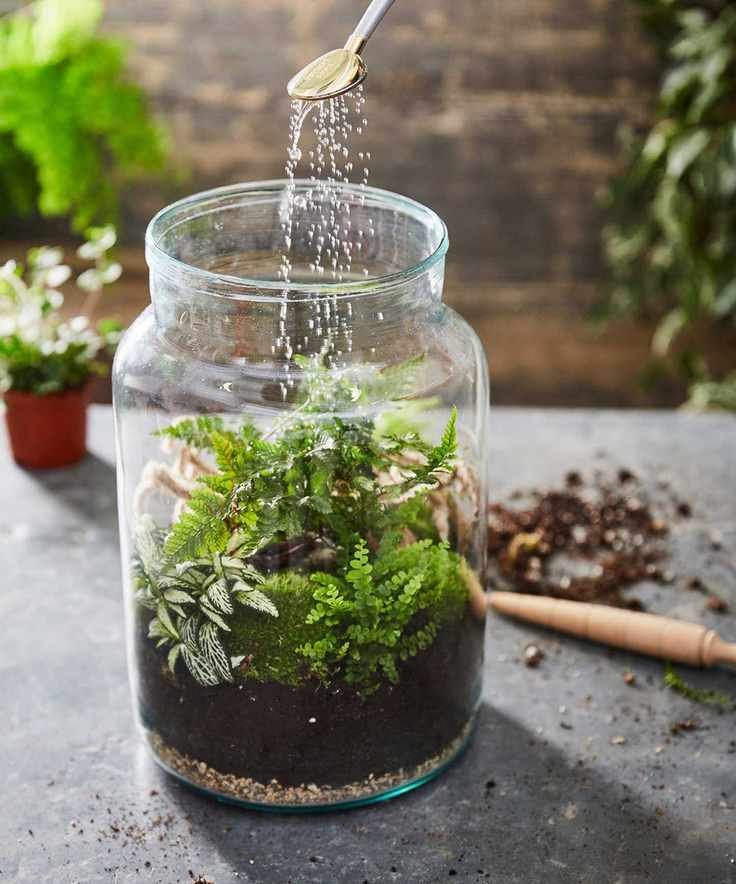
Open terrariums are generally easier to manage
A common mistake with pre-made terrariums is using an unsuitable container.
Both closed and open terrariums are viable options, but they dictate the types of plants you can use.
Closed terrariums maintain higher humidity, ideal for moisture-loving plants like ferns and fittonias. Open terrariums dry out faster, making them suitable for desert plants such as cacti and some succulents.
However, poor drainage or ventilation can create conditions for rot and mold.
Ensure there's a drainage layer and space for excess moisture to escape, especially for closed terrariums, which have limited airflow.
Narrow openings in open terrariums may also restrict ventilation and plant growth.
Avoid opaque containers or colored glass, as they can overheat and dry out plants.
Ultimately, if necessary, replace your terrarium with one that has proper drainage, airflow, and is easy to care for.
This open glass terrarium on driftwood from Wayfair is my top recommendation.
2. Use Appropriate Soil
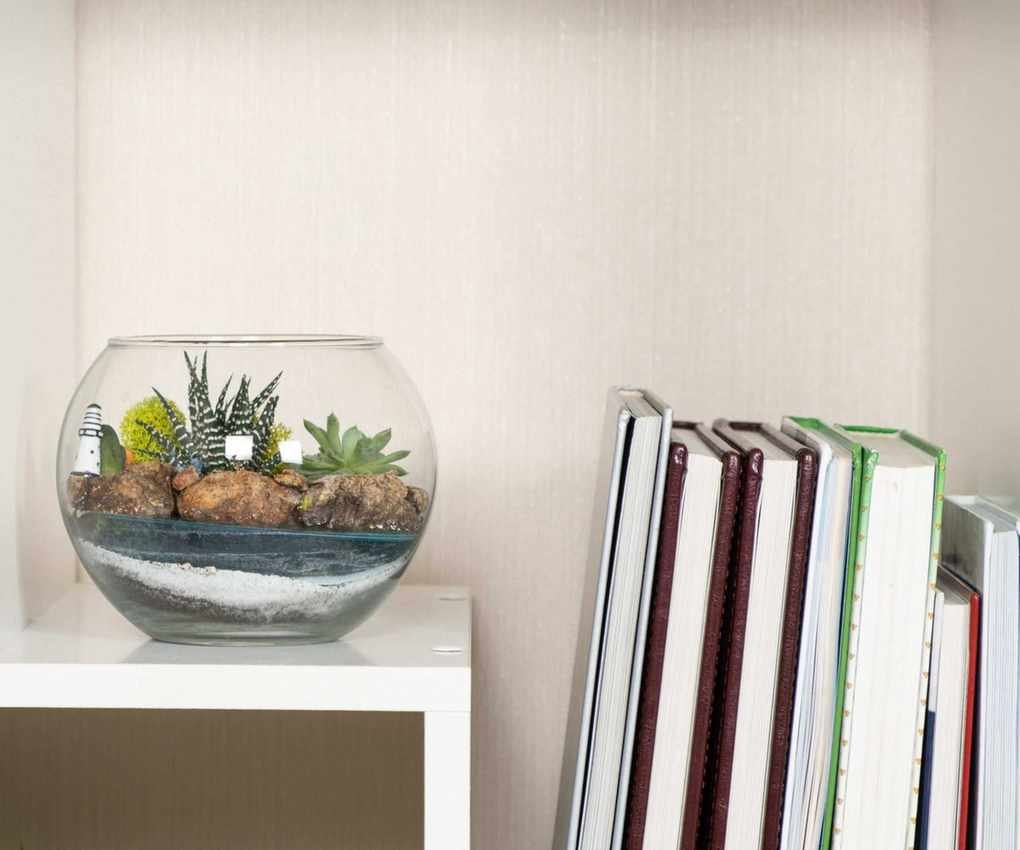
The soil type should match your plants
Dense houseplant potting soil can retain too much moisture in terrariums, leading to root rot and mold.
Instead, choose a specific terrarium potting mix (available on Amazon) designed for good drainage while retaining enough moisture.
If you're creating a succulent terrarium, opt for a sandy soil mix. This succulent potting mix from Amazon pairs well with open terrariums, as succulents prefer lower humidity.
For enhanced drainage, add a layer of pebbles (like these from Walmart) at the bottom to prevent roots from sitting in excess moisture.
3. Incorporate Your Plants

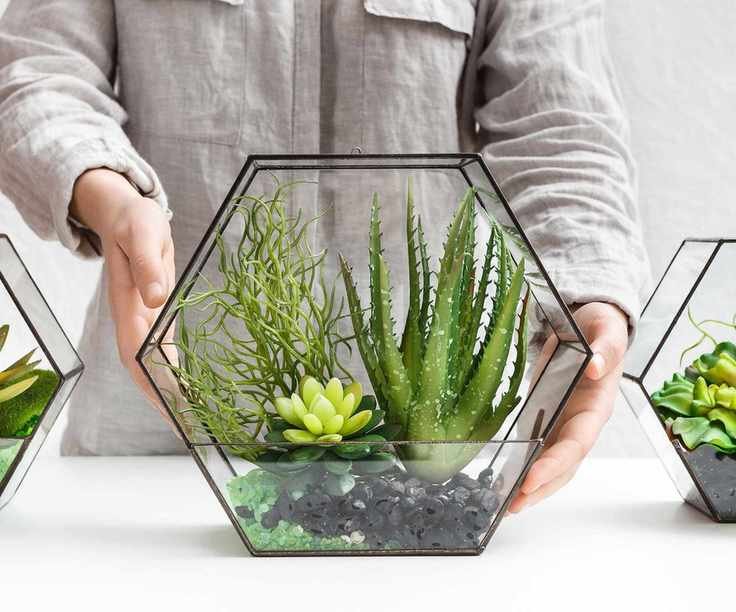
Many succulents thrive in drier environments
There's a wide selection of plants for terrariums, but choosing the wrong ones for your setup can lead to decline.
Arid plants like cacti and certain succulents do best in open terrariums with good airflow. The humidity in closed terrariums can cause succulents to rot.
Consider using this pack of mini succulents from Walmart to assemble your terrarium.
For moisture-loving plants such as ferns and fittonias, a closed terrarium is more suitable as they thrive in humid conditions.
This pack of terrarium plants from Walmart provides various options.
Keep in mind the growth space your plants require. Overcrowding can hinder airflow and encourage mold growth. It's better to plant fewer plants than to overcrowd your terrarium.
4. Add a Decorative Top Layer
Moss can retain moisture in your terrarium
For an optional touch, consider adding moss or pebbles to the top layer of your terrarium. This not only enhances the appearance but also benefits plant health.
Moss (like this pack of terrarium moss on Amazon) retains moisture effectively, which is beneficial for plants needing higher humidity.
Plant pebbles (from Walmart) are often used in succulent and cactus terrariums as they create a barrier to protect lower leaves from rot.
Pebbles can also deter pests by creating a barrier that prevents them from laying eggs in the soil.
5. Position in a Bright Spot
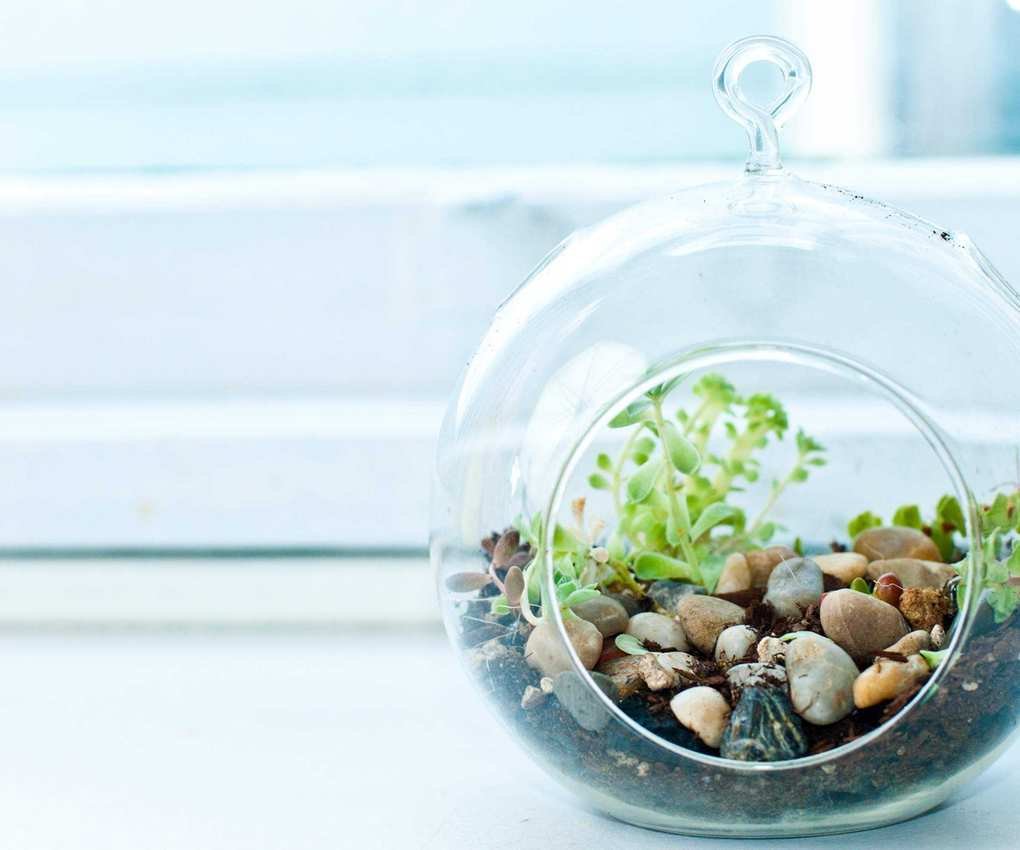
Insufficient light can lead to leggy plants
To extend the lifespan of your terrarium, proper care is essential. One critical factor is ensuring it's placed in a bright location.
Light is vital for photosynthesis, enabling plants to absorb carbon dioxide and release oxygen, which maintains a stable environment for your terrarium plants.
Bright light encourages healthy growth and helps manage moisture levels, preventing overly saturated soil and reducing mold risks.
Moreover, bright light keeps your plants compact, avoiding leggy growth. Regularly rotating your terrarium can help with even light exposure.
In winter, consider using this grow light from Amazon if natural light is limited.
Recommended Products
Soil Moisture Meter
This moisture meter helps avoid overwatering by indicating the soil's wetness.
Driftwood Terrarium Planter
This elegant open terrarium planter rests on driftwood and can carry up to 2.2 pounds.
Mini Terrarium Plants
This selection of mini plants includes 10 varieties perfect for glass containers.
For more insights on terrarium placement, consider that bathrooms can be excellent locations due to the moisture from showers.



