
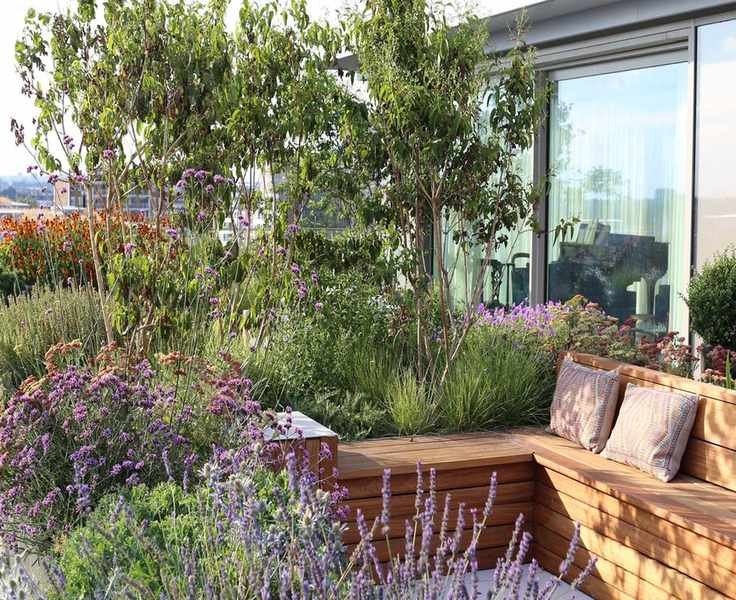
For stunning roof garden ideas, it's vital to select the right mix of materials and plants to maintain year-round appeal.
Rooftop gardens, terraces, and balconies present a unique chance to savor the views. With the right small garden ideas, you can enhance your home's living area regardless of its size.
Every roof garden faces challenges. Strong winds and exposure can dry out even resilient plants. Additionally, weight limitations, safety codes, and transporting materials can complicate rooftop gardening.
Yet, the rewards are significant; rooftop gardens offer breathtaking views and unique perspectives.
Check out our favorite roof garden ideas, along with a wealth of design tips and inspiration.
Inspiring Roof Garden Ideas
Regardless of your roof's size, these garden concepts will help you craft a personal sanctuary.
1. Integrate Planters into the Deck

If your rooftop garden is part of a larger renovation, consider placing planters along the edges. This setup allows for taller trees for privacy alongside colorful shrubs and annuals.
For a rooftop kitchen or layered cottage garden, ensure planters have a depth of two to three feet for mini garden beds.
2. Match Colors to Your View
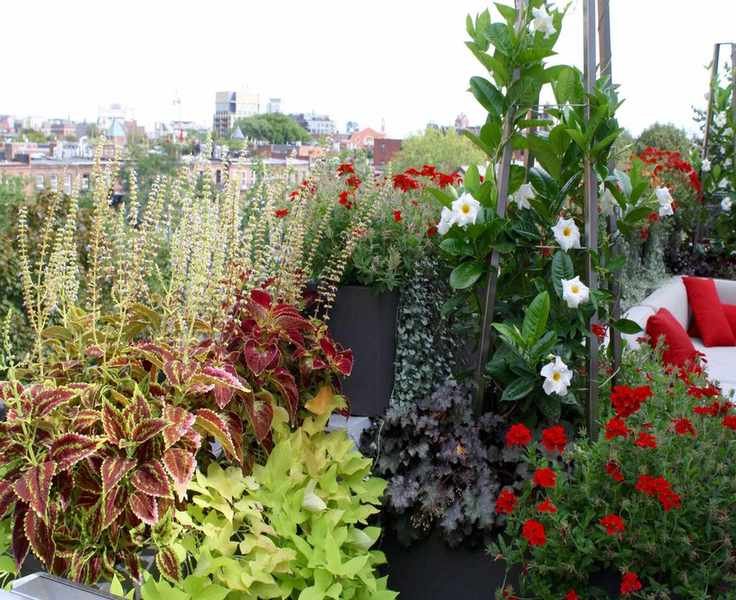
This Boston rooftop garden takes inspiration from the ivy-covered brick buildings below, utilizing reds, greens, and whites. Varied planter heights create visual interest and define living space.
3. Utilize Arborvitaes for Privacy
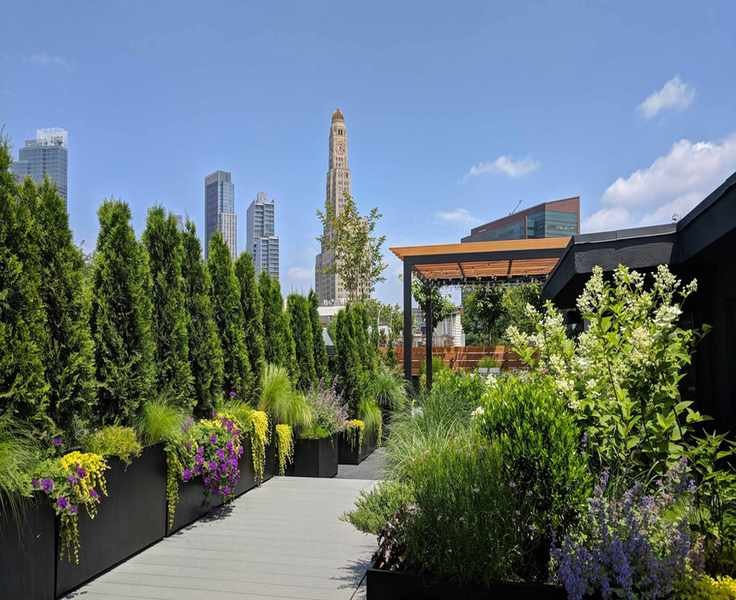
Designing a roof garden can resemble creating a suburban backyard. For instance, arborvitaes act as effective privacy hedges, shielding the roof area from neighboring views while enhancing urban greenery.
Keep in mind that arborvitaes require frequent watering initially. In their first ten days, they need small amounts of water every hour or two to keep the soil moist, so ensure your roof can accommodate this.
4. Grow Ivy Along the Walls

Transform a concrete or brick rooftop into a lush retreat by planting climbing vines like ivy or climbing hydrangeas against walls. Although it may take a few years to flourish, the result will be a beautiful secret garden.
5. Use Small Containers for Flexibility
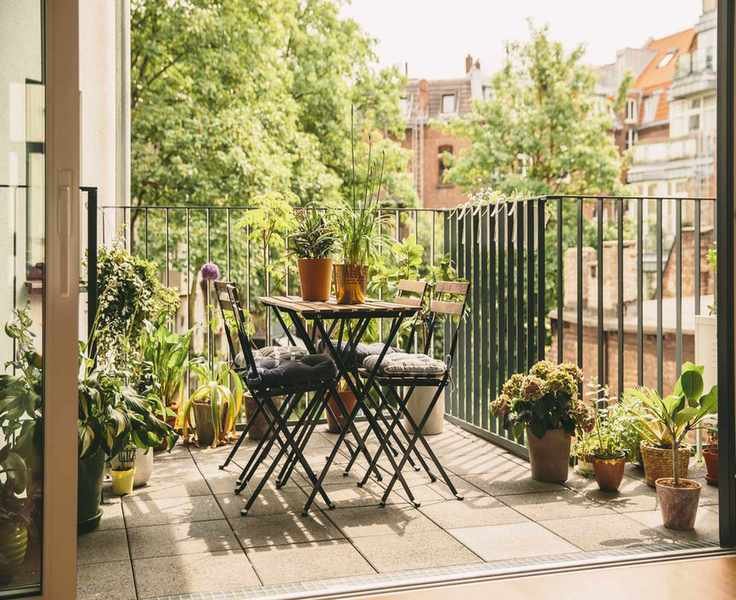
Small containers are perfect for rooftop gardening, especially for beginners. They allow experimentation with plant placements to find the best spots for growth.
Plus, you can bring perennials indoors during winter, enjoying their beauty until the next gardening season.
6. Manage Weather Challenges
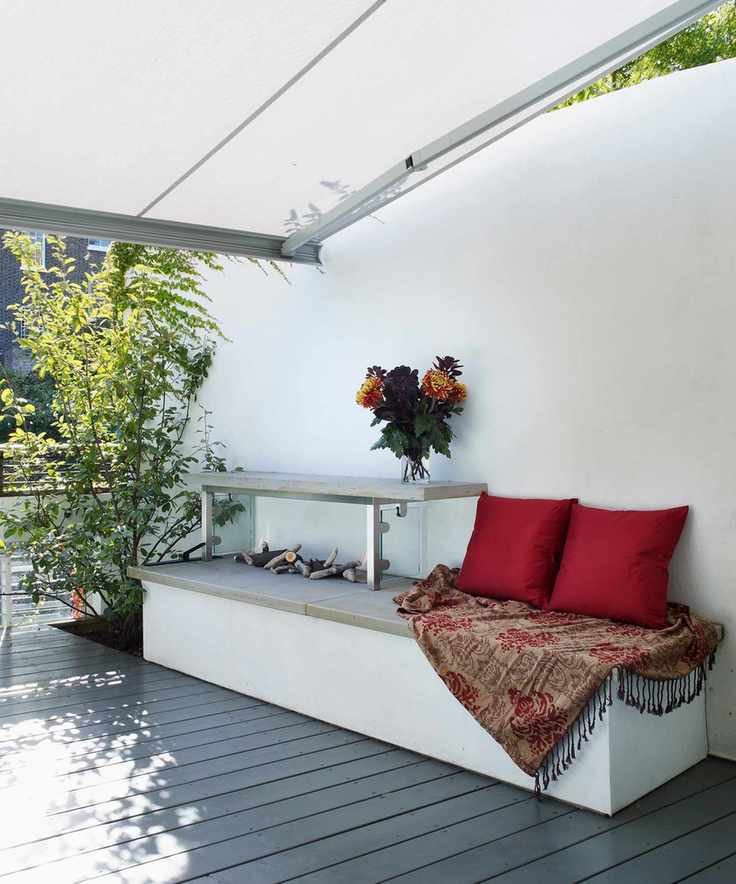
Wind can be a major concern on rooftops. While many plants can withstand it, some protection is necessary for year-round enjoyment.
Avoid solid windbreaks, as they obstruct views. Instead, opt for permeable trelliswork or perforated sailcloth to filter wind gently.
Glass can serve as a balustrade, providing clear views, but should not block prevailing winds entirely to prevent turbulence.
7. Choose Hardy Evergreens
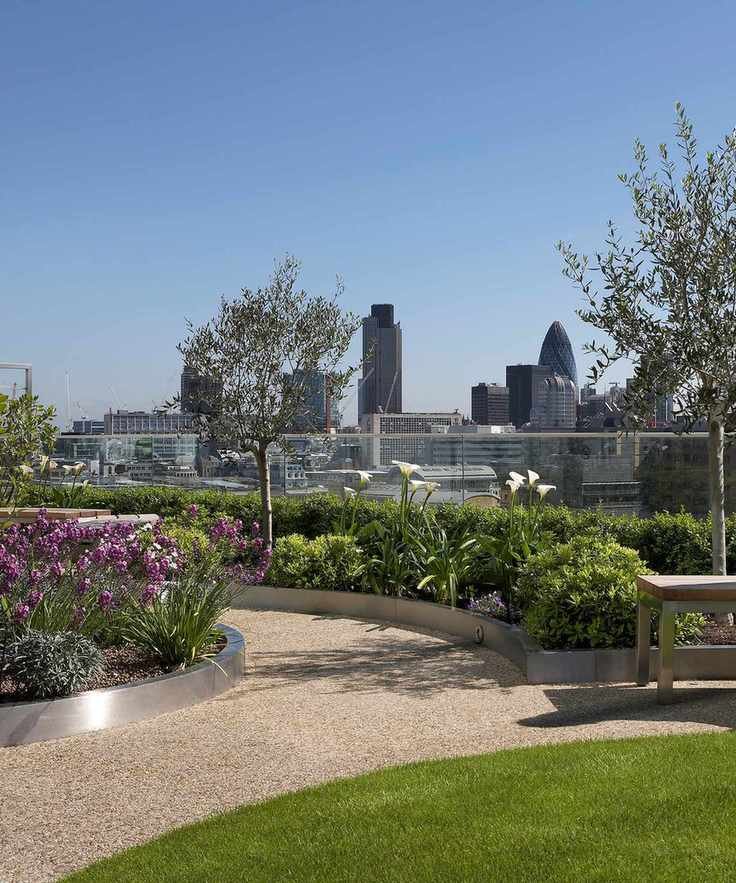
Wind-resistant shrubs are ideal for rooftop gardens, offering protection against harsh weather. Tough evergreens like olearia, phormium, and pittosporum thrive in larger pots. Bamboo can also work, but avoid it on windy rooftops.
8. Select Appropriate Materials
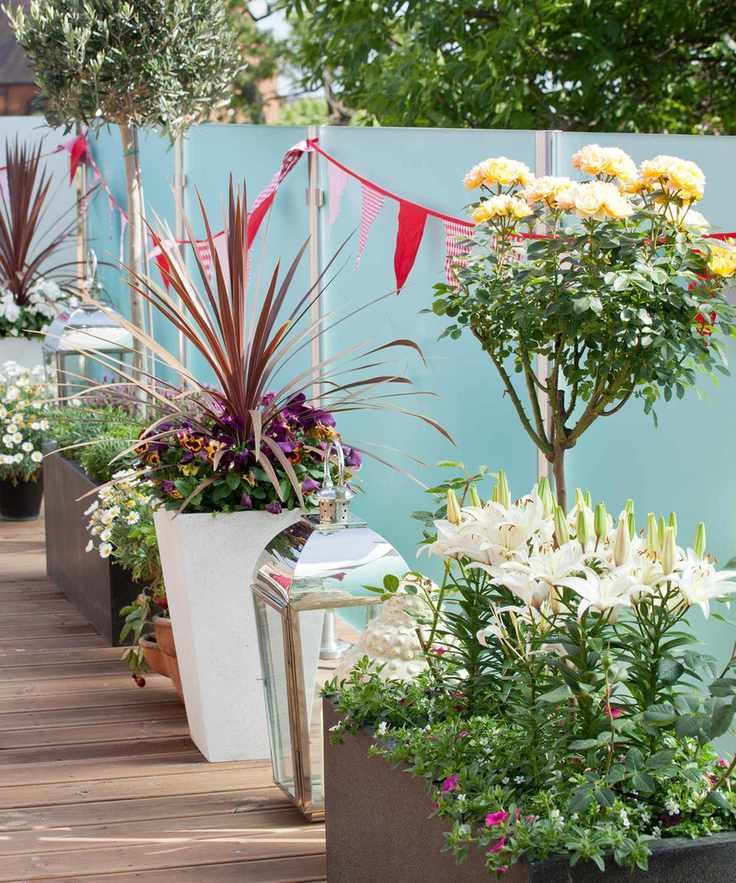
Weight is crucial when planning a roof garden. Smaller balconies are built to handle minimal weight, but rooftop gardens require careful consideration.
Verify the load-bearing capacity of your space, particularly in older properties where structural details may be unclear. Consult a structural engineer to assess your garden's potential.
Choosing lightweight materials, like plastic or fiberglass planters, can alleviate weight issues. Avoid placing too many pots centrally; instead, secure them to walls or cantilevered shelves.
9. Ensure Safety
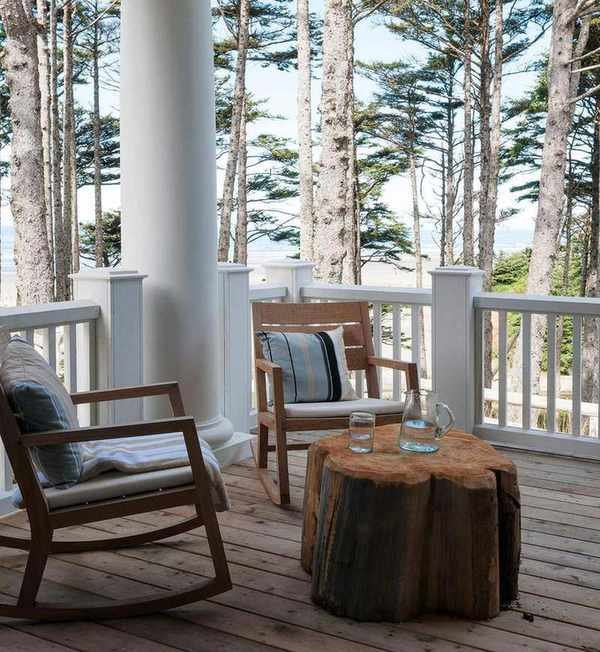
Safety is paramount, so avoid hanging items over edges or placing unsecured pots on ledges. Check local regulations regarding installations.
Secure any structures like pergolas or shade sails with accessible fixings for regular maintenance. Ensure your balcony complies with safety height regulations.
10. Consider a Green Roof

Green roofs, often featuring lightweight sedums, offer a rustic look while providing a habitat for wildlife.
Originating in Berlin to protect roofs from fire, living roofs are now popular in urban settings, adding green space and visual appeal.
11. Design a Modern Meadow
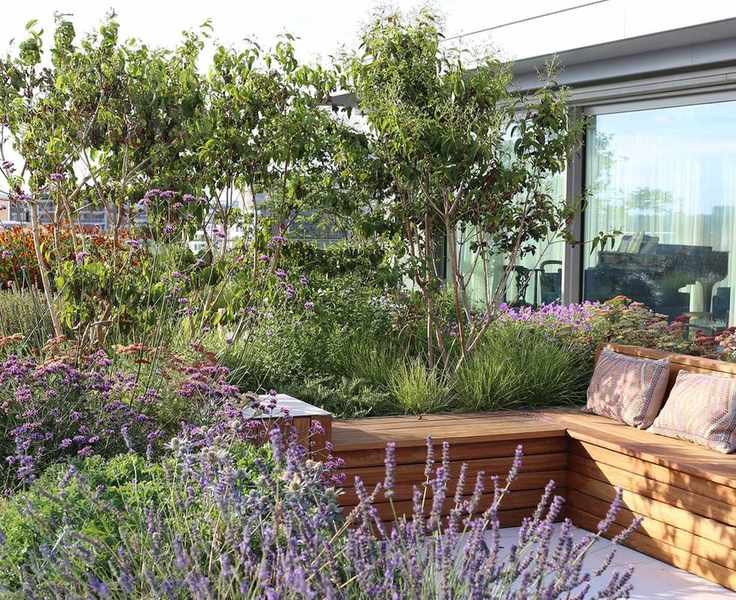
This rooftop garden in Hammersmith exemplifies privacy through layered planting and strategic tree placement, enhancing the city's atmosphere.
Inspired by coastal and Mediterranean flora, the design incorporates osmanthus hedging and trees like amelanchier and heptacodium, which are beloved by pollinators.
12. Begin Your Self-Sustainability Journey

The impressive City Hall rooftop in Chicago features over 20,000 plants, showcasing the potential for urban gardens to incorporate vegetables.
Initially groundbreaking in 2002, this garden marked a turning point for urban greening efforts in major cities.
13. Embrace an Urban Jungle Aesthetic

The High Line in New York captures the essence of nature's cycles, with a design inspired by wild landscapes.
Created by Piet Oudolf, this garden features hardy plants selected for their textures and seasonal colors.
14. Make Your Roof Garden Part of Your Home

With thoughtful design, it's possible to convert unused roof space into a relaxing area for entertainment or solitude.
Utilize decking and cozy furnishings to create an inviting outdoor nook. An open layout enhances the serene atmosphere of the terrace.
Planning Your Roof Garden
Identifying a design theme is the first step when planning your roof garden.
A sleek, modern approach works best at height. Avoid rustic themes typical of courtyard gardens.
Opt for a linear layout with contemporary or traditional materials that harmonize with the surrounding environment.
Essential Elements of a Rooftop Garden
In addition to access, the roof structure may need upgrades for foot traffic, and a structural engineer can assist with this.
Install a secure balustrade at a minimum height of 850mm using various materials, including masonry or glass.
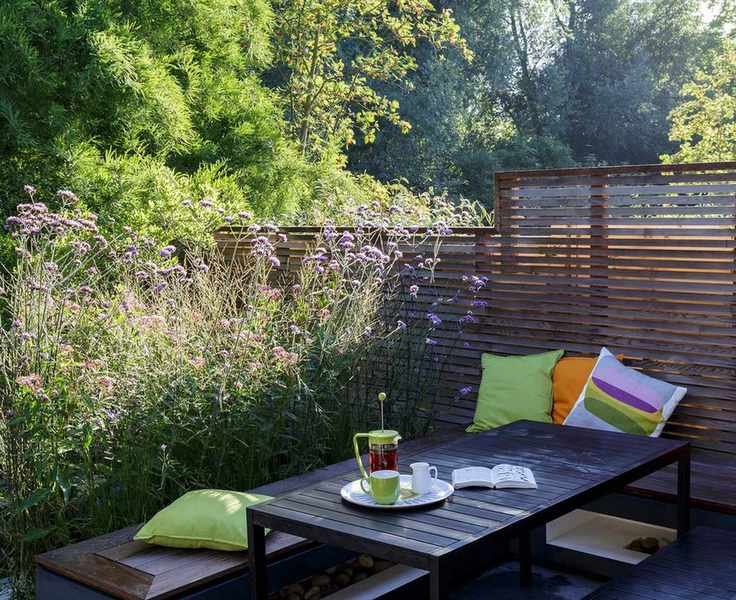
The flooring must be non-slip and suitable for foot traffic. Decking often provides an attractive solution while allowing for proper drainage.

Do Roof Terraces Require Planning Permission?
Converting a roof into a terrace typically necessitates planning permission unless it has been established for over four years.
Authorities primarily consider the privacy of neighboring properties in their assessments.
In the United States, building conversion requires a notice to the local authority, along with a fee around $400-$500.



