
When remodeling your kitchen, selecting a layout that fits the room's proportions is crucial. A misstep in this area can lead to wasted space and functionality.
The design of your kitchen significantly impacts both its cooking efficiency and social atmosphere. A well-planned layout will help you incorporate essential features and storage options that align with your kitchen ideas and the available area.
This guide provides valuable insights on how to choose a kitchen layout that perfectly matches your cooking and living habits, featuring advice from architects and interior designers.
Steps to Choose a Space-Efficient Kitchen Layout
Effective kitchen layouts utilize every inch of space while maintaining usability and aesthetic appeal.
Small kitchens or those with unconventional shapes require special consideration, but regardless of your kitchen's size, it's important to avoid wasting space during a remodel, especially considering the costs involved.
Here's what you need to know to avoid common pitfalls and select a kitchen layout that maximizes space.
Getting Started with Kitchen Layouts

A layout designed to maximize space will ensure your kitchen serves its purpose as both a cooking area and a communal space.
"Begin by assessing your available square footage to determine which layouts can physically fit within the space while allowing for proper walkway and clearance," advises interior designer Hilary Matt. "This process can quickly rule out many layout options."
Architect David Thompson, AIA, concurs, stating that whether you are renovating or starting anew, spatial and structural limitations can influence the best layout choice.
"In kitchen design, efficiency and the effective use of space take precedence over sheer size," he explains. "Choosing between an open or closed kitchen layout is also a vital early decision, as some layouts enhance social interaction while others prioritize privacy."

Hilary Matt is an interior designer based in New York City, known for her work in both residential and commercial spaces. Her approach focuses on creating personalized designs for each project while ensuring functionality and a timeless aesthetic.
Space-Optimizing Layouts for Larger Kitchens

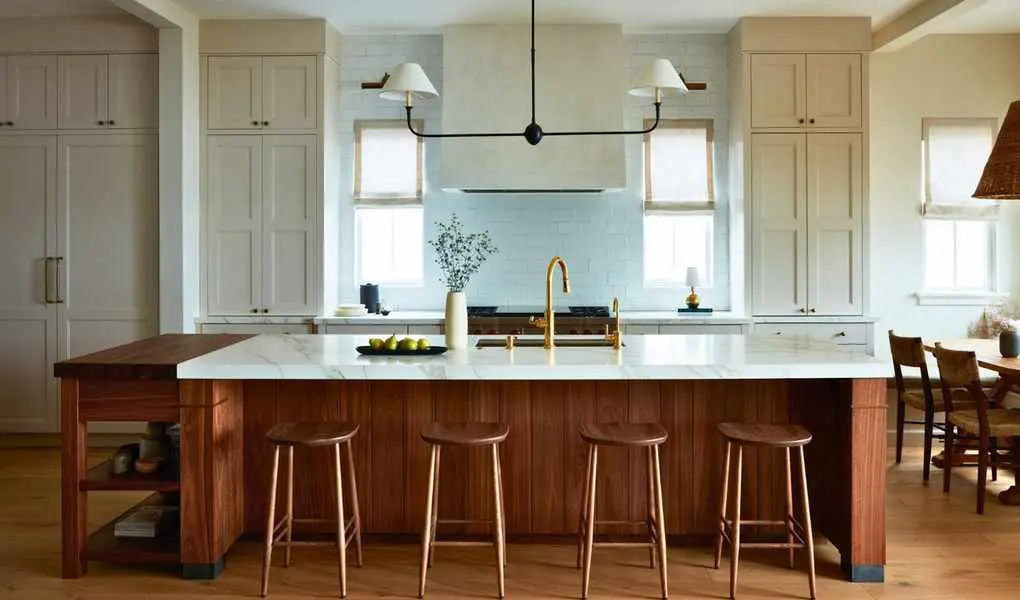
In a spacious kitchen, layouts like U-shaped designs or those with islands are ideal for utilizing available space effectively.
"For larger kitchens, consider a U-shaped or island layout that offers ample counter and prep space along with generous under-counter storage," suggests David Thompson.
When remodeling without altering the floor plan, it's essential to consider whether the kitchen will be separate or integrated into other living areas. "U-shaped kitchens fit better in closed spaces, having one open side, while island kitchens work well in open plans, connecting with living or dining areas," David explains. "Islands can also incorporate casual bar seating, making cooking a more social activity or enabling buffet-style dining."
Hilary Matt also highlights the advantages of islands: "Besides providing additional prep surface and storage, an island can enhance your layout by accommodating appliances like dishwashers, built-in microwaves, or refrigerator drawers."
What's the key takeaway? "These layouts require enough space to function effectively; in tighter areas, they may lose their appeal," warns David.

David is the founder and principal of Assembledge+. He has played an integral role in the success of several prominent architectural firms in Los Angeles and aims to create sustainable and responsible environments.
Space-Optimizing Layouts for Smaller Kitchens
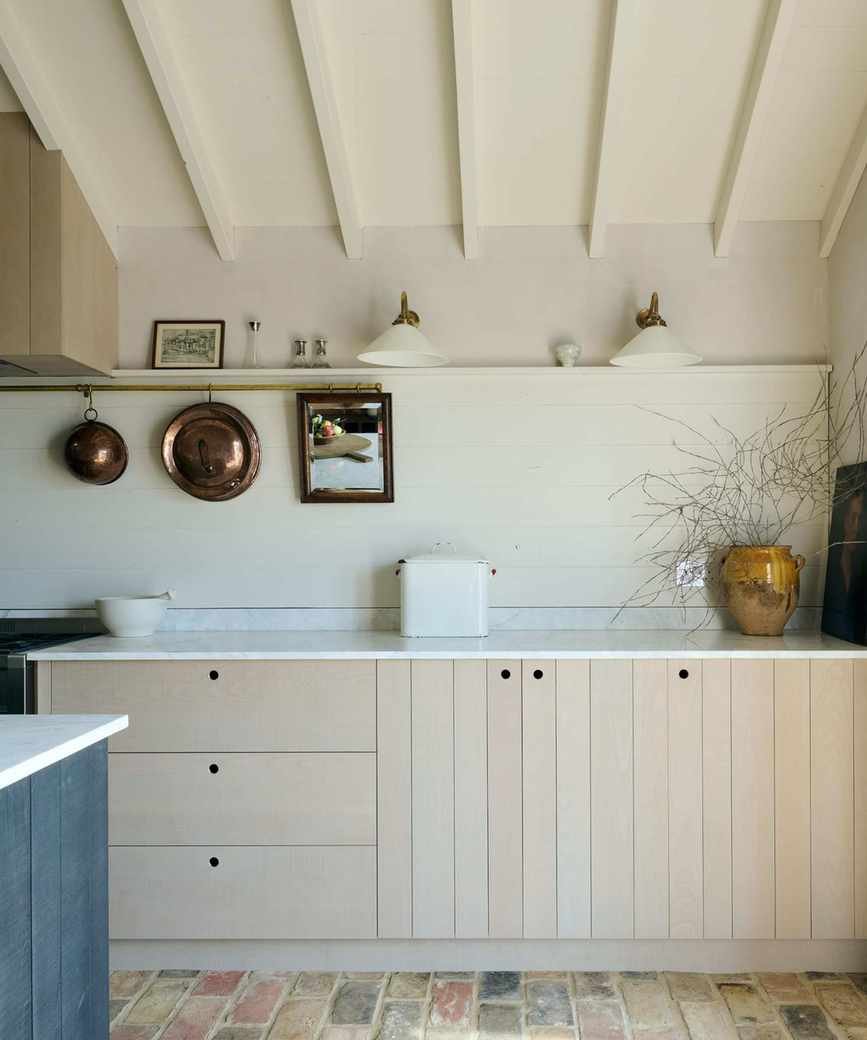
In smaller kitchens, careful planning is essential to make the most of valuable space.
"Single wall and galley kitchen layouts are often the best fit for compact areas and require efficient cabinetry usage," states David. "Maximizing vertical wall space is crucial for providing necessary storage in these designs."
There are several ways to enhance vertical storage. "In galley kitchens, you can increase storage by incorporating high wall cabinets and open shelving without overcrowding the room," says interior designer Artem Kropovinsky.
It's important to consider both movement space and storage capacity in these layouts. "Ensuring adequate clearance for appliance doors, like refrigerators, is necessary for maintaining circulation in these designs," David explains.

Artem Kropovinsky is based in New York and has a decade of global design experience. His firm, Arsight, is known for its commitment to sustainability and authenticity in residential and commercial projects.
Space-Optimizing Layouts for Medium to Small Kitchens
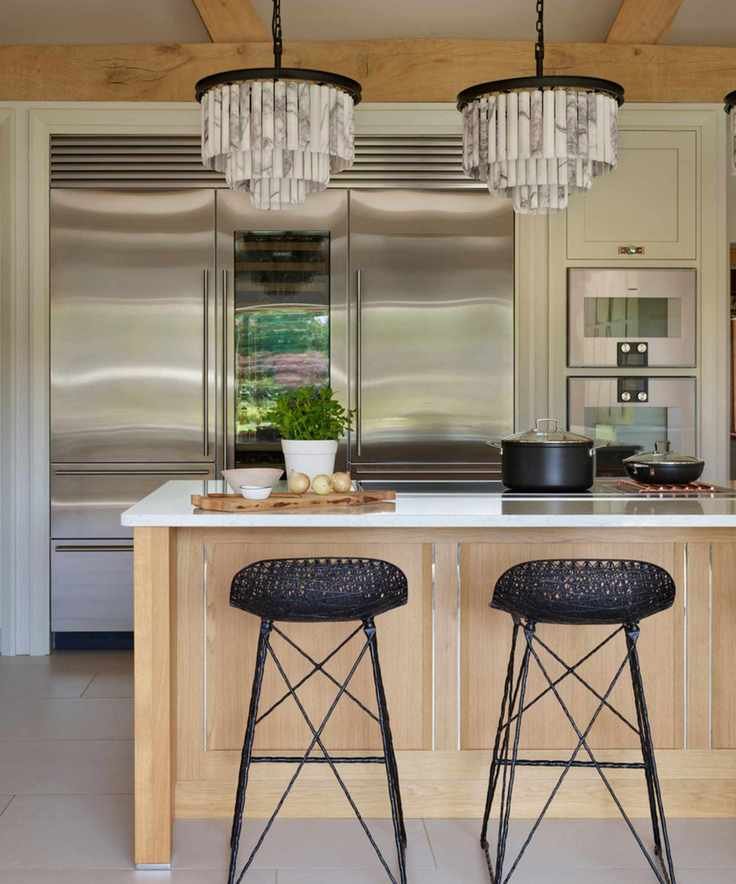
If your kitchen lacks the space for an island, a peninsular layout can provide a similar feel. "If you desire the functionality of an island but lack the square footage, consider a peninsular design, which allows for casual seating and additional workspace without requiring as much circulation area," David suggests.
Another option for medium to small kitchens is the L-shaped layout. "This design is excellent for entertaining, accommodating multiple cooks and a smooth flow of movement," he notes. "The L-shape works best in compact areas where the working triangle—linking the sink, refrigerator, and stove—remains efficient."
Regarding the kitchen triangle, it's not a strict rule for every setup. "While the traditional triangle offers a good framework, feel free to adjust it based on your space's needs," David advises.
Don't overlook corner storage solutions in L-shaped and U-shaped kitchens, as utilizing every square inch is essential, according to Artem Kropovinsky.
What Kitchen Layout Works Best for a Large Space?
For a rectangular kitchen, interior designer Alexis Elley suggests incorporating an island. "I prefer designing a long island that runs parallel to a stylish range and hood, flanked by upper cabinets or floating shelves," she shares. "This arrangement leaves the side walls available for floor-to-ceiling storage and other appliances. A long island also provides numerous storage options, accommodating sinks, dishwashers, and beverage drawers, with cabinets at the ends for extra space."
For a successful kitchen layout, understanding the space's distance rules can ensure convenience, comfort, and safety. Being aware of common mistakes in small kitchen layouts can help you avoid pitfalls, and there are solutions available for kitchens of all sizes. If you're working with a challenging design, there are still ways to improve flow and functionality.



