
Planning for college expenses? Tune in to our Paying for College 101 for insights on student loans, FAFSA, and effective borrowing techniques.
Many families have expressed that college planning has become a significant challenge. The ongoing effects of COVID-19 have made it even more complex, with educational institutions fluctuating between remote, hybrid, and in-person instruction. Parents want to ensure their children's safety while also addressing the financial realities of education.
Currently, over 43 million Americans carry student loan debt; that’s about 1 in 8 individuals. Women, in particular, tend to borrow more than their male counterparts, based on findings from a leading association. The average student debt for a bachelor’s degree is approximately $30,000. However, for advanced degrees, such as dental school, the average debt skyrockets to around $292,000 per student, according to recent research. With tuition and fees for the 2020-2021 academic year averaging $10,560 for in-state public colleges and $37,650 for private institutions, borrowing is often necessary.
But do these statistics help alleviate our concerns? Each family's financial situation varies, and factors like the choice of school and field of study significantly influence the cost of education and debt repayment capabilities.
There are numerous avenues to fund college education today. Some families rely on a combination of 529 savings plans and federal loans, while others may utilize current income along with federal and private loans. Scholarships also play a crucial role, along with the FAFSA, the essential form that opens doors to various financial opportunities. While the landscape may seem complicated, there are solutions available for everyone. Christine Roberts, Head of Student Lending at a major bank, joins us to discuss these options. With three decades of experience in finance, she has guided numerous families toward sound borrowing decisions.
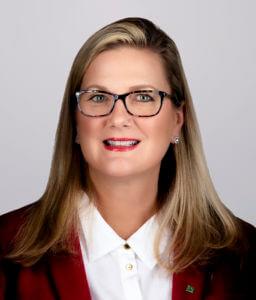
Join us as we explore the impending end of federal student loan forbearance set for January 2022 and its implications for families. We also address the financial gap many face in covering college costs. Families typically pull from three main sources for funding: existing savings, current earnings, or borrowed funds, which can include various types of student loans or home equity loans. The pressing question is how to determine the best source of funding and the timing for withdrawals. Christine shares her insights on the critical “save, spend, or borrow” decision-making framework.
The concept of “strategic borrowing” is also discussed, as it doesn’t simply mean borrowing the least amount possible. The best strategies are more nuanced. We outline a yearly plan for effective borrowing.
Additionally, we cover the FAFSA, which is essential for accessing federal grants and loans and is set for an upcoming overhaul. While completing the FAFSA can be tedious, many individuals fail to complete it, resulting in unnecessary expenses. We provide key information on what to know about the FAFSA this year.
In our listener mail segment, we answer a question from a parent of a high school sophomore seeking advice on saving for their child’s education while also focusing on their retirement.
CORRECTION: An earlier version mistakenly stated that Great Lakes would cease servicing student loans; the correct entity is Granite State. We regret any confusion.