
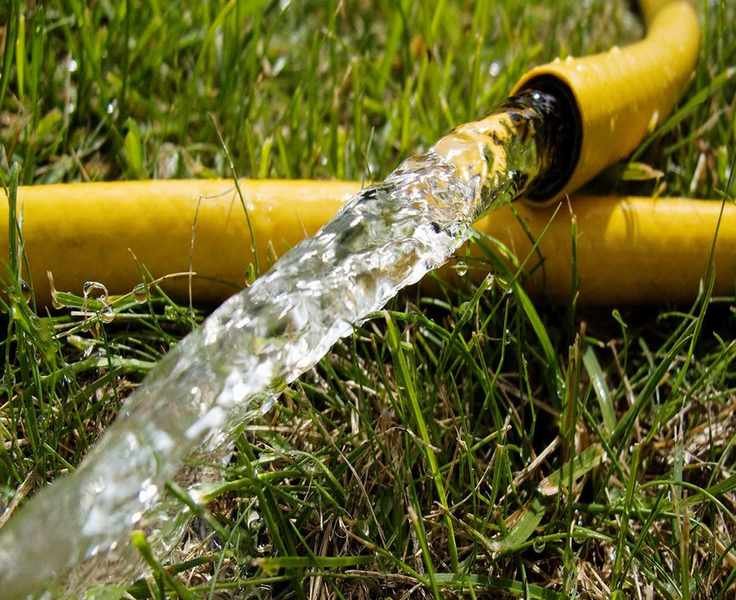
Is your garden hose leaking water instead of delivering it precisely where you need it? No need to rush out to buy a new one. A leaking hose can often be repaired, extending its life and keeping it out of landfills longer.
Punctures, tears, and faulty joints can all be resolved with a bit of knowledge and some affordable supplies. Once fixed, you'll be back to watering your plants or cleaning the patio with water flowing at full pressure instead of wasting it. Just remember to maintain your garden hose for optimal performance going forward.
We've compiled a comprehensive guide to help you tackle your garden hose challenges.
Common Reasons for Garden Hose Damage
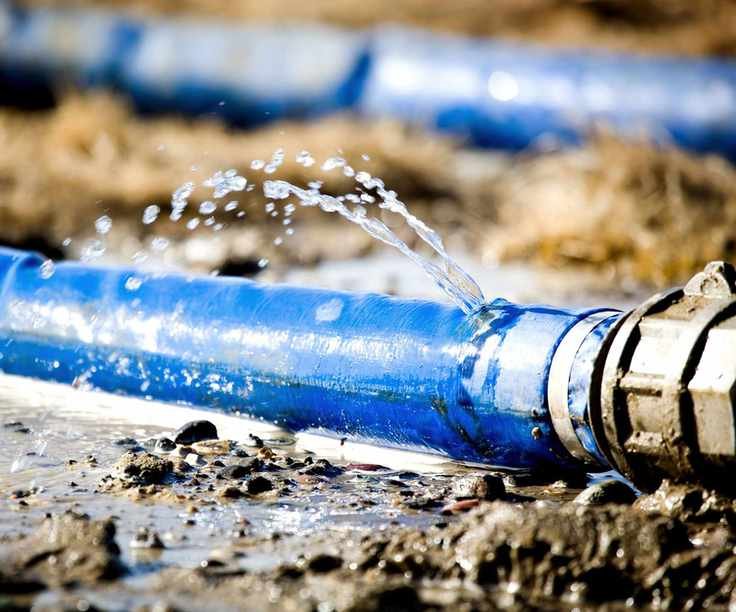
Despite their durability, garden hoses can suffer from various issues, such as punctures and tears. Leaks often occur at joints, making it difficult to water your plants or clean outdoor areas. The good news is that many hoses can be repaired. According to Ismael Partida, a master plumber at Shafer Services Plus, 'Most high-quality water hoses can be fixed if they have a hole or tear.' However, he cautions that low-quality hoses that frequently kink may not be worth the effort to repair.
When fixing a garden hose, the method depends on the hose's material. 'Local hardware stores offer hose repair kits suitable for rubber and vinyl hoses,' Ismael advises. 'These kits typically involve removing the damaged portions and connecting a repair fitting. Expandable hoses usually come with their own repair kits and patching materials.'
For optimal water flow, repair or replace your hose as needed. If you decide to invest in a new hose, opt for high-quality rubber options, like Continental or Goodyear, as they are built to last.
This Continental Contitech rubber hose from Amazon measures 50 feet and is reinforced for high-burst strength.
Steps to Repair a Garden Hose
Repairing a garden hose varies based on the cause of the leak. Whether it's a small puncture, a larger tear, or a leak at a joint, here are three approaches to fix the issue.
1. Quick Fix Options
If you need a fast solution for your garden hose, consider using hose clamps, zip ties, duct tape, rubber patches, or epoxy putty, as suggested by Ismael. 'Just keep in mind that these are temporary fixes and not long-term solutions.'
This heavy-duty silicone tape from Amazon is marine-grade and ideal for repairing hoses, cables, and water pipes.
2. Employ a Hose Repair Kit
A hose repair kit can be invaluable for fixing small punctures. 'It's surprising how effective a hose repair kit can be,' Ismael notes.
To use one, cut out and remove any damaged segments with clean cuts. Then attach the hose repair connector from the kit by inserting it into one end of the hose and ensuring it is secure. Hose clamps and fasteners are excellent for tightening and ensuring a watertight seal.
3. Address a Leaky Hose Joint
If the leak originates from a joint instead of the hose itself, there are several approaches to consider. 'First, try tightening the connection. This is the simplest and most cost-effective method to eliminate the leak,' Ismael explains. Just be cautious not to overtighten, as that could cause further damage.
If tightening doesn't resolve the issue, it's possible that a washer in the joint is damaged. These can typically be replaced easily. If that still doesn't work, you may need to cut off the attachment and start anew.
If you want to clean patio pavers without a pressure washer or rely on your garden hose for watering flower beds, ensuring it's leak-free is crucial for completing your tasks efficiently.
If you've repaired any leaks but still encounter issues, check for low water pressure at your outdoor faucet, as there may be other problems affecting water flow.



