
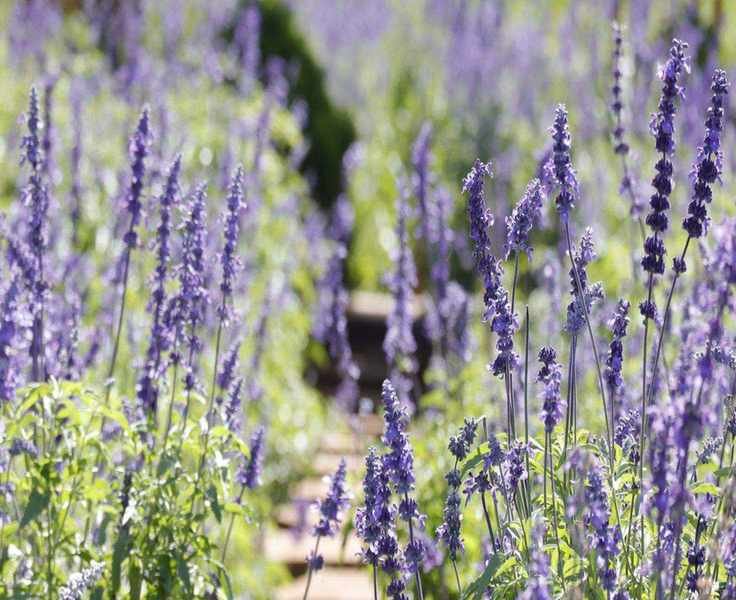
If I could only choose one plant to cultivate for the rest of my gardening life, it would undoubtedly be a type of salvia. After spending years as a professional gardener in both the UK and Italy, tending to countless perennials, I've concluded that the salvia genus deserves the title of perennial champion — a designation I've just created.
Boasting over 900 species that thrive across North and South America, Europe, and Asia, there's a salvia to match nearly every environment. Whether it's the arid soils of the Mediterranean, where rosemary, Salvia rosmarinus, flourishes, or the moist riverbanks of Brazil where bog sage, Salvia uliginosa, thrives, there truly is a salvia for every gardener's needs.
Growing salvias is relatively straightforward, though it's crucial to note that the care guidelines can vary based on the species and their original habitats. In this piece, I'll explain why anyone considering flower bed ideas should think about incorporating salvias into their planting plans this year.
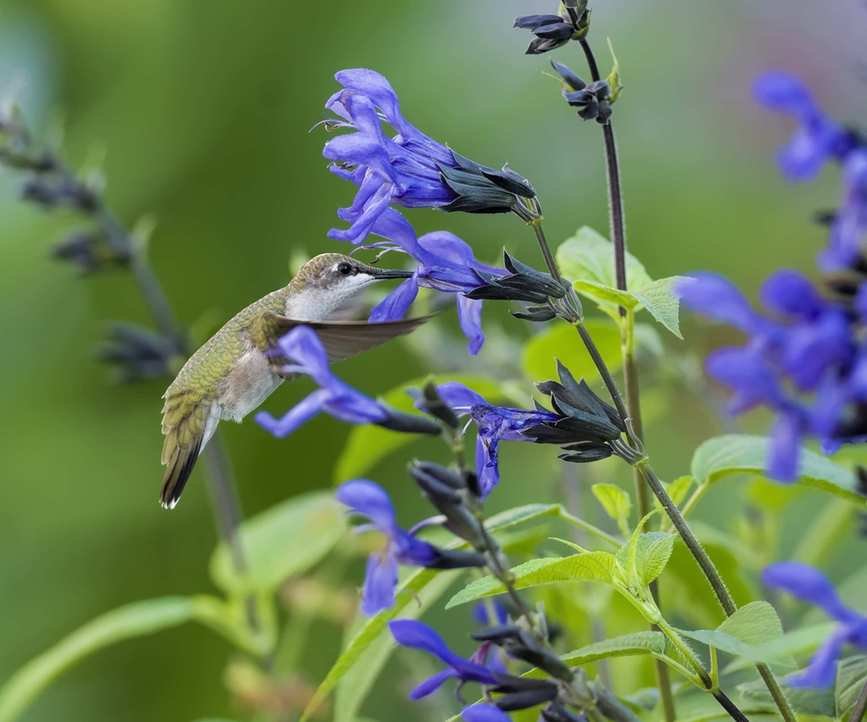
Salvia plants attract a variety of pollinators, including bees, butterflies, and hummingbirds.
Reasons to Grow Salvia in Your Garden
It's hard not to be enchanted by salvias. These plants are known for their aromatic qualities, with fragrant leaves and flowers that add delightful scents to your outdoor space. Additionally, their unique tubular blooms come in a kaleidoscope of colors, ranging from soft pinks to vibrant yellows and striking blues.
Salvias are Reliable and Long-Flowering Perennials
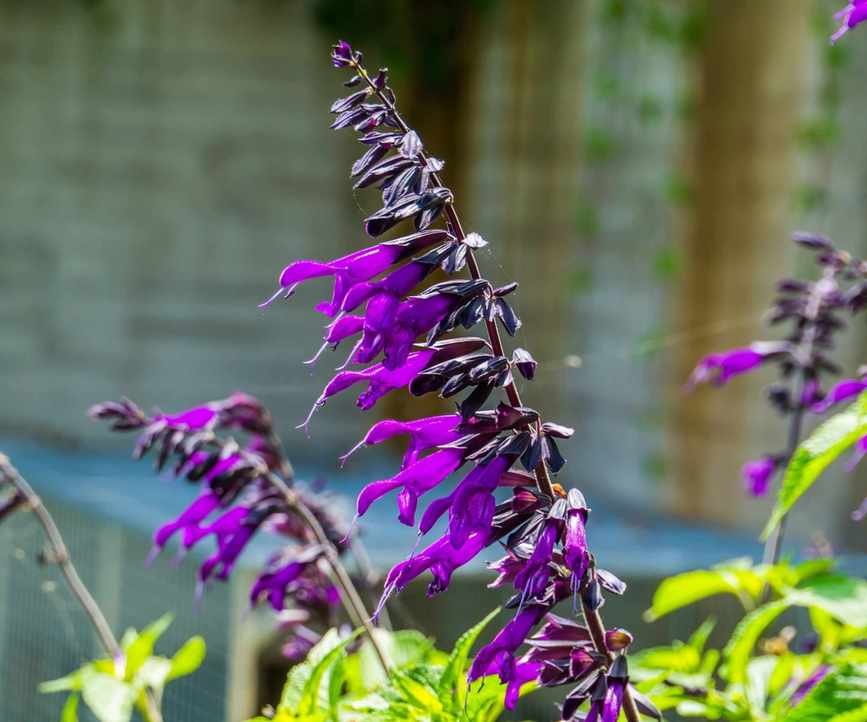
Salvia 'Amistad' is a well-loved perennial, known for its tall spikes of deep indigo-purple flowers.
Many salvia species can bloom from spring through fall, delivering continuous color to your borders and pots throughout the growing season. For instance, Salvia nemorosa, available from Nature Hills, is a hardy perennial that produces striking blue flower spikes, typically blooming from June until October.
I recall maintaining a London garden years ago where several clumps of Salvia 'Amistad' bloomed beautifully from May until late November. This species is particularly celebrated for its impressive height and abundant purple flowers that can reach over 8 feet, making it perfect for the back of flower borders.
When it comes to long-blooming perennials, salvias truly shine. Whether you're looking to fill a gap in your garden or searching for the best plants for pots, consider adding salvias to your collection for nearly year-round floral displays.
Salvias are Resilient and Versatile
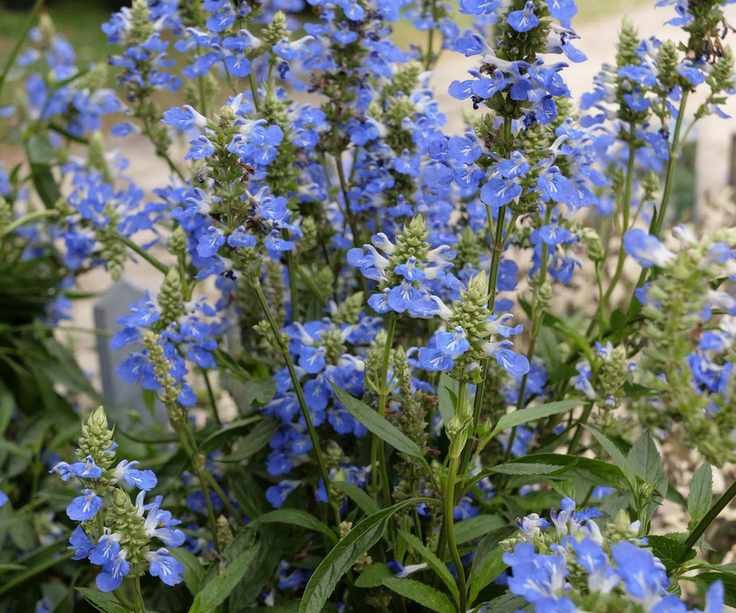
Bog sage, Salvia uliginosa, features unique blue flowers that capture attention.
The salvia genus is notably versatile; regardless of the US hardiness zones you garden in, there's likely a salvia that fits your climate. Common sage, Salvia officinalis, for example, is a hardy herb that thrives in US hardiness zone 4 through to zone 10. Unlike some aromatic herbs, common sage can withstand both hot, dry summers and cold winters, all while providing delicious foliage and lovely purple flowers.
In my experience, many salvia varieties are robust, with some tolerating light frost and others thriving in hot, dry conditions. Generally, however, salvia plants prefer well-drained soil, so unless you're working with a species like bog sage that enjoys moisture, ensure your borders have proper drainage.
It's always best to research the specific growing conditions for the salvia species you're interested in, and for tender varieties, consider planting them in containers for easier protection in colder climates. For instance, Salvia greggii, or autumn sage, available from Nature Hills, is a herbaceous perennial native to Texas that thrives in warmer climates and is perfect for those gardening in southern regions.
Salvias Attract Pollinators
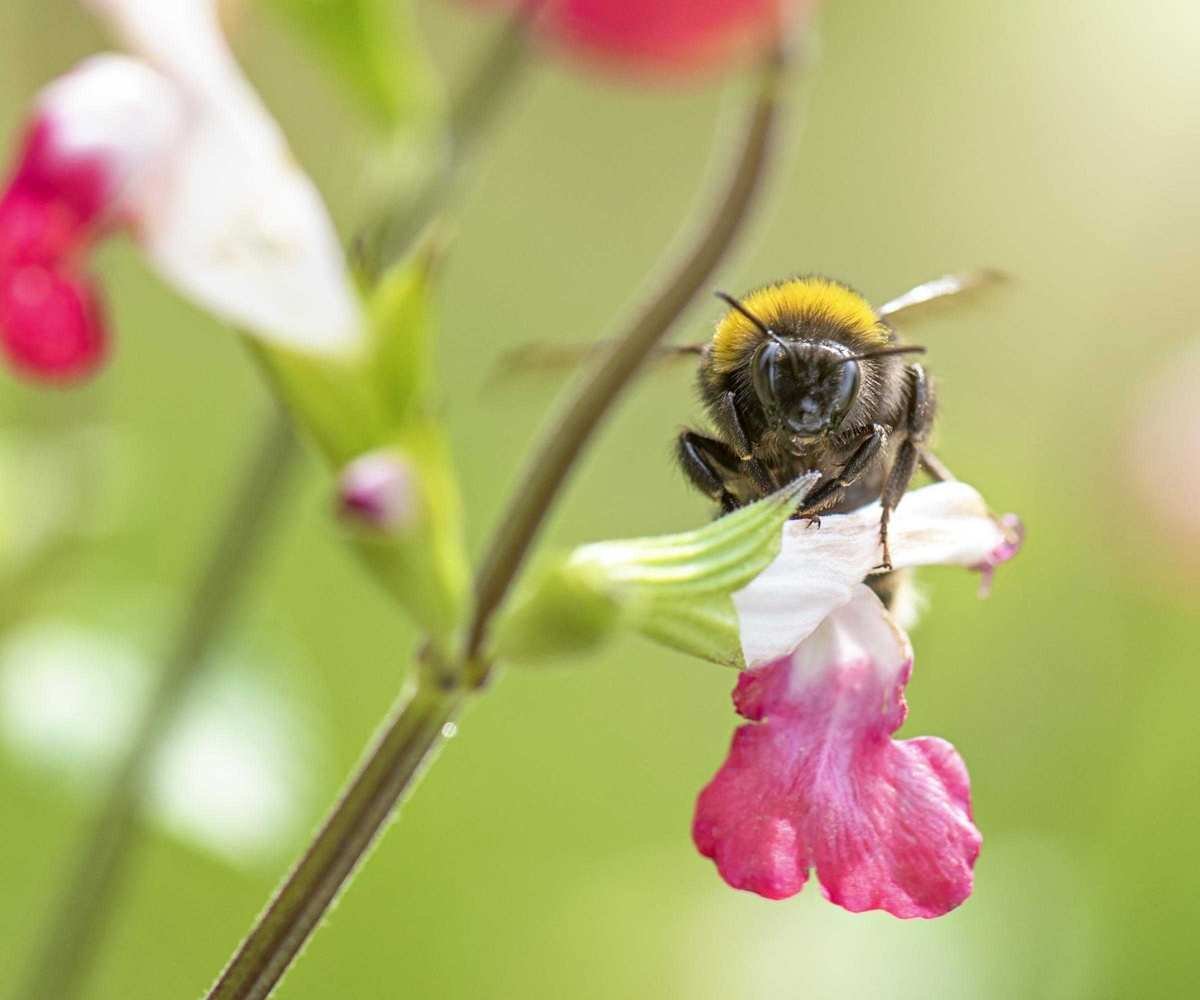
Salvia x jamensis 'Hot Lips', commonly known as 'hot lips', is a strikingly colored salvia that is beloved by many.
Salvias are fantastic for attracting pollinators, making them some of the best plants for supporting wildlife. They draw in birds, bees, and butterflies during the spring and summer months, making them ideal for gardeners interested in wildlife garden ideas this year.
With their long-lasting blooms rich in nectar, adding salvias to your garden will enhance biodiversity. Many of the Salvia x sylvestris varieties, available from Nature Hills, are compact and prolific, making them popular with pollinators, including monarch butterflies, hummingbirds, and bumblebees. If you're looking to create a butterfly border this year, salvia plants should definitely be on your list.
Where to Buy Salvias
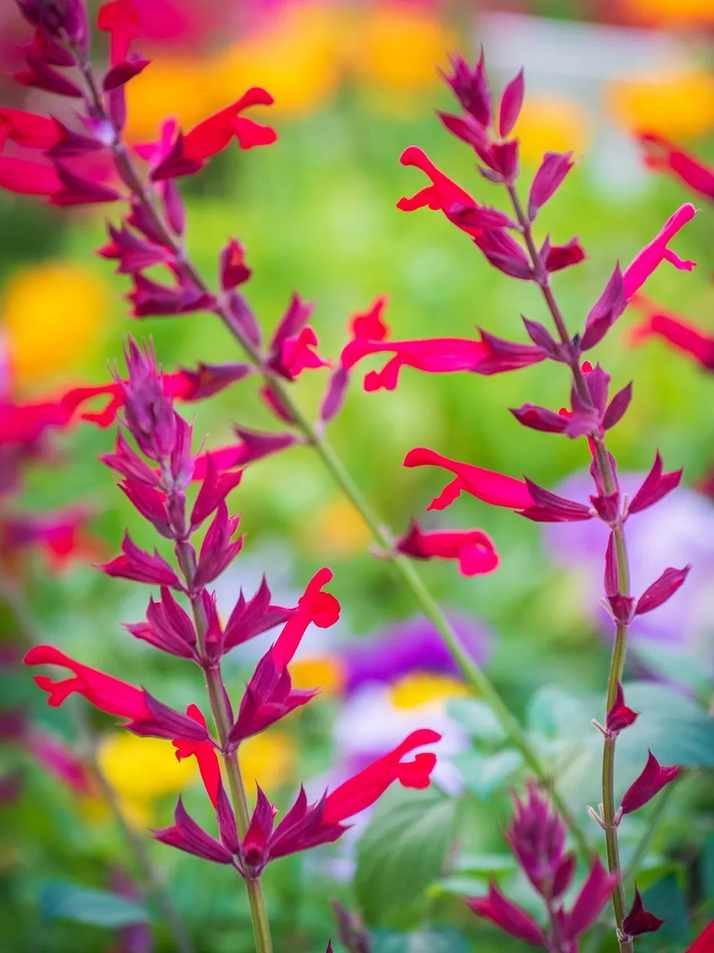
This salvia features striking pink-red flower spikes. It's a hardy choice that tolerates heat and drought, thriving in both sun and partial shade. Additionally, it's a favorite among butterflies and bees.
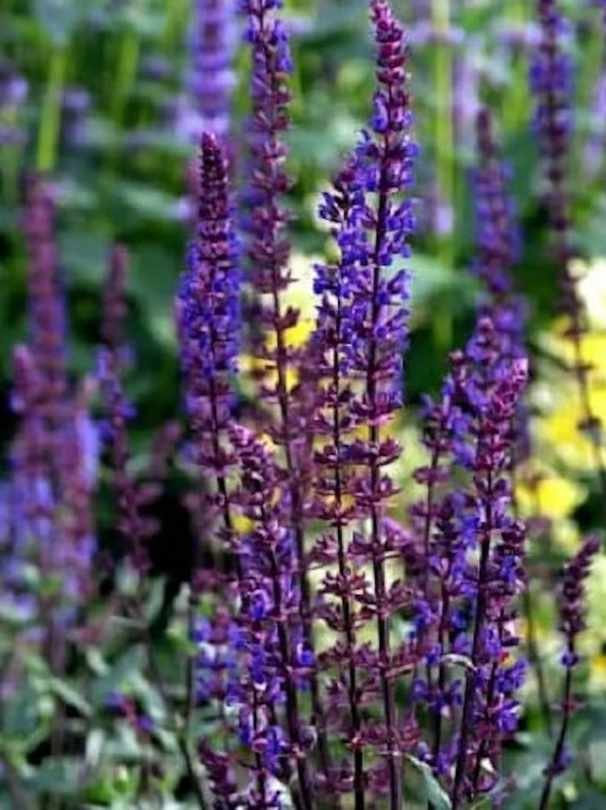
This salvia is sure to captivate. Salvia nemorosa 'Caradonna', also known as meadow sage, is hardy in zones 4-8. Its vibrant indigo petals are attractive to birds and bees, buzzing with activity in summer.
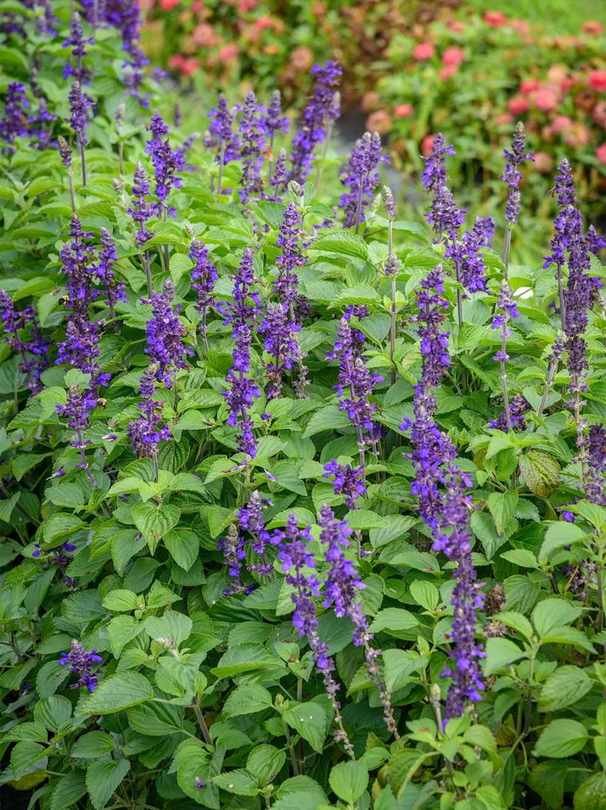
Salvia 'Big Blue' is a magnet for hummingbirds, bees, and butterflies. This vigorous, heat, and drought-tolerant plant flourishes in full sun, making it a striking addition to any garden.
FAQs
What salvia species is best for a dry, gravel garden?
If you're looking for salvia plants suitable for warm, dry conditions, consider Mediterranean varieties like Greek sage, Salvia fruticosa. Alternatively, the tender Salvia x jamensis varieties can also thrive in a gravel garden in warmer areas.
Whatever your personal preferences may be, there's undoubtedly a salvia that fits your gardening style. These long-blooming plants will add vibrant color and impact to your displays. For additional salvia tips, check out our guide on pruning salvias to keep your perennials in top shape this year.
For more ideas on resilient planting, consider exploring other gardens for inspiration. Our guide on New York City's High Line features tough perennials and shrubs that flourish in urban environments.



