Many of us have dirt spots in our homes that we tend to neglect during cleaning. A quick check reveals that we all share this oversight.
Experts caution that some areas may be significantly dirtier than anticipated, contributing to unpleasant odors and potential health risks.
It's essential to prioritize these spots on your spring cleaning checklist to ensure they're not overlooked again. Here, cleaning professionals offer their best cleaning hacks for these frequently missed areas, helping you achieve a truly fresh home as warmer weather approaches.
Forgotten Hotspots During Spring Cleaning
If you thought your spring cleaning checklist couldn't expand further, think again. While increasing your to-do list may feel daunting, tackling these hidden spots is the key to a spotless home, according to experts.
They definitely deserve your attention!
1. Tops of Kitchen Cabinets

Cleaning kitchen cabinets is common, but the tops of high cabinets often get neglected. These areas can accumulate grease and dust, making them vital to clean.
Karina Toner, a cleaning expert, suggests using a combination of warm water and vinegar or a grease-cutting cleaner with a microfiber cloth. Be sure to use a step ladder for safe access, avoiding risky climbs on counters. Laying down old newspaper can simplify future cleanups by catching dust and grease.
2. Window Tracks

Cleaning windows without streaks is essential for aesthetics, but window tracks can harbor mold and insects, warns Ahmad Jamal, a professional cleaner. Fortunately, cleaning them is straightforward.
Open the window wide and vacuum or wipe away loose debris. An old toothbrush or small cleaning brush works well to scrub any remaining dirt. A mix of warm water and vinegar can help loosen stubborn grime, while a mold spray may be necessary to address black mold.
3. Humidifiers

Humidifiers are great for maintaining air quality, but they can also collect dust and bacteria. Lana Tkachenko, a cleaning expert, emphasizes the importance of regular cleaning.
To clean a humidifier, empty it after each use and spray a household disinfectant inside. Allow it to sit for a few minutes, then wipe clean and let it dry. You can refill it with fresh water afterward.
4. Stove Range Hoods
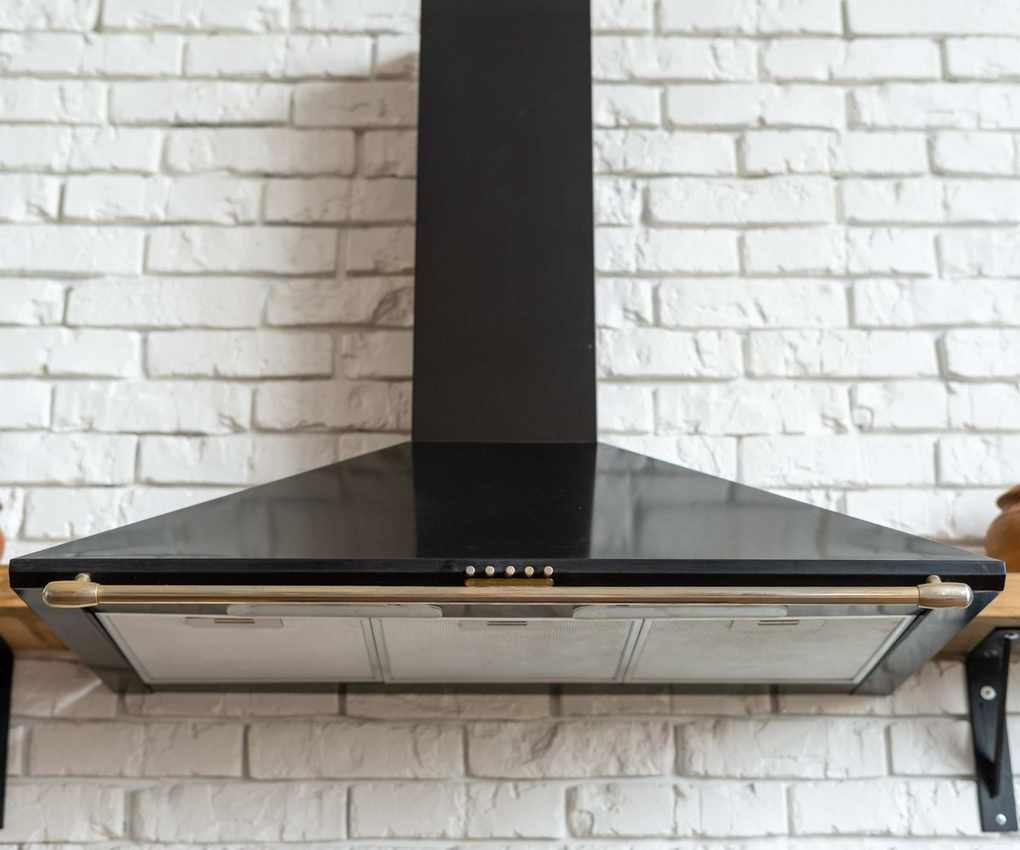
Cleaning range hoods can be tedious, but these often-ignored appliances are crucial to maintain. They attract grease and food particles, which can hinder their function.
Paulo Filho, a cleaning expert, recommends removing the filter and soaking it in warm soapy water. Use a degreaser or a mixture of baking soda and vinegar to clean the hood, wiping it down with a cloth before reassembling.
5. Baseboards

Baseboards are frequently overlooked, says Karina Toner. They can gather dust, pet hair, and dirt quickly, especially in busy areas.
Cleaning baseboards depends on their condition. A general method involves vacuuming loose debris and using a mix of warm water and mild dish soap on a microfiber cloth while drying with a clean towel. Alternatively, dryer sheets can collect dust and keep it at bay.
6. Drains

You shouldn't wait for your kitchen sink drains to clog or smell bad before cleaning them. Regular maintenance can prevent blockages and save you time—and money. This applies to garbage disposals too.
To clean your drains, combine baking soda and lemon juice or vinegar, pouring it down the drain. The fizzing action will help clear debris. After about half an hour, flush with hot water for a fresh scent and to prevent clogs.
6% Distilled White Cleaning Vinegar | $11.99 at Amazon
This specially formulated white vinegar with 6% acidity effectively lifts grime and breaks down grease, mineral deposits, and limescale without leaving residue.
7. Behind Home Appliances

It's easy to forget about the space behind large appliances like refrigerators and washing machines, where dirt accumulates and pests may lurk.
To maintain cleanliness, move appliances periodically, especially during spring cleaning, to sweep or vacuum behind them and wipe down the walls, suggests Ahmad Jamal.
8. Curtains

Curtains can collect considerable dust and allergens. Spring and summer are ideal times to clean your curtains since they can be aired outside.
Angela Boswell, founder of The Drape, suggests two methods. Vacuum them while hanging or use a handheld steamer for a quick refresh.
BLACK+DECKER 7-In-1 Steam-Mop | Was $199.99, Now $149.99 at Amazon
This portable steam cleaner is ideal for refreshing your home from top to bottom.
If you can, take them down and hang them outside for a few hours. Don't forget to wipe down the rod and wall where they hang; dust can accumulate there too. Check care labels before washing, as many curtains require dry cleaning.
9. Light Fixtures

Light fixtures attract dust, especially when hot, making them some of the dirtiest areas in your home, according to Ahmad Jamal.
To clean them, turn off the power, remove bulbs and shades, and wipe everything down with a damp cloth. For the fixture, use a microfiber cloth or a soft brush to gather dust. A sticky lint roller can efficiently pick up dust without letting it fall.
10. Home Electronics

We use electronics daily, but often overlook their cleanliness. Items like keyboards, remote controls, and phones can harbor bacteria, spreading germs easily.
Karina Toner suggests keeping a small microfiber cloth and disinfectant handy. Lightly spray the cloth, not the devices, to prevent water damage, and wipe down surfaces, allowing the disinfectant to air dry for thorough sanitation.
FAQs
What should you clean first during spring cleaning?
While you can spring clean in any order, it's wise to start with higher areas, such as ceilings and cabinet tops, to prevent dust from falling onto already cleaned surfaces.
What does a thorough spring cleaning entail?
A comprehensive spring clean includes deep cleaning areas often missed in weekly routines, alongside regular tasks. This is the perfect time to refresh your home for the year ahead as the weather improves.
These areas can easily be forgotten, but addressing them during spring cleaning is crucial for revitalizing your home.
Neglecting these spots could worsen allergy symptoms as pollen rises, making your home dirtier quicker as dust settles around your space.