

As you cultivate your garden this spring, keeping seedlings shielded from the sun is crucial. Spring temperatures can fluctuate, with chilly nights followed by unexpectedly warm days, making it challenging for tender young plants to handle intense sunlight.
While the ideal scenario is to place seedlings in shaded areas, sometimes the only option is to use a sunny spot or have already transplanted them into their final locations. In such cases, a movable shade solution becomes necessary.
Although shade cloth can work well, it often proves cumbersome to install and lacks visual appeal. A more attractive alternative is to use plants that thrive in sunny conditions, such as sunflowers. These cheerful blooms can act as a natural shield for your seedlings. You can find a great sunflower seed variety pack on Amazon. Learning how to cultivate sunflowers and sow seeds outdoors will help you create your own portable, beautiful shade solution while enhancing biodiversity.
Using Sunflowers to Shield Seedlings
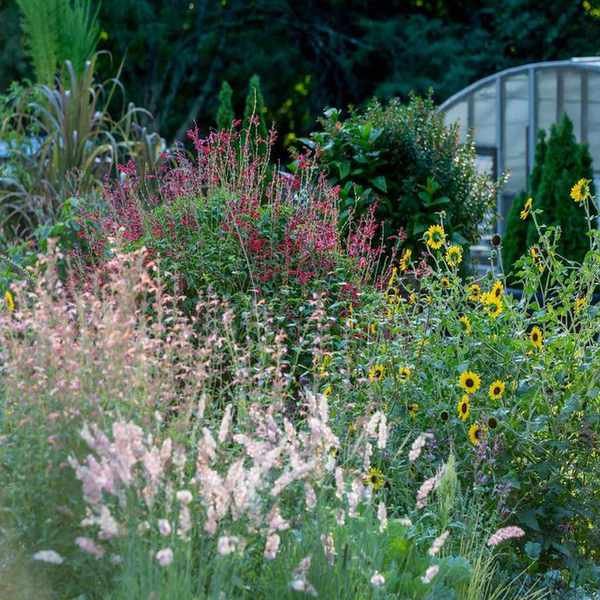
There are numerous sunflower varieties available, ranging from dwarf types that grow about 20 inches (50 cm) tall to towering ones that can exceed 8 feet (2.5 m).
Some varieties branch out, providing more shade, while others have a single stem topped with one flower.
Sunflower blooms come in various colors, from the classic bright yellow to shades of white, green, and rich hues of copper, orange, and red.
Select the height and branching style based on the plants you wish to protect, and you can't go wrong.
You can purchase sunflower seeds at True Leaf Market or explore a wide selection at Burpee.
Positioning Potted Sunflowers for Optimal Protection
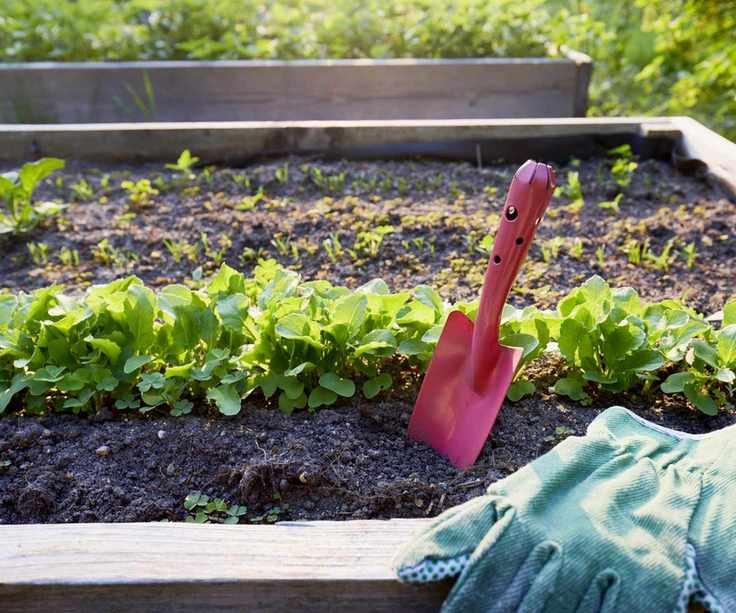
A spring veg patch is full of promise
This sunflower shading technique involves using potted plants instead of planting them directly in the ground. Sunflowers planted in the ground can overshadow delicate plants as their root systems grow strong and sprawling.
Keeping them in pots makes your sunflowers portable and contained.
For effective afternoon sun protection, position your sunflower pots to the west or southwest of your young vegetable or flower plants.
As your sunflowers grow, you can remove leaves from the lower stems if they start to overshadow your seedlings. Secure them with bamboo stakes, like these from Lowe's, and use plant ties from Amazon or garden twine for added support.
Advantages of Cultivating Sunflowers in Your Garden
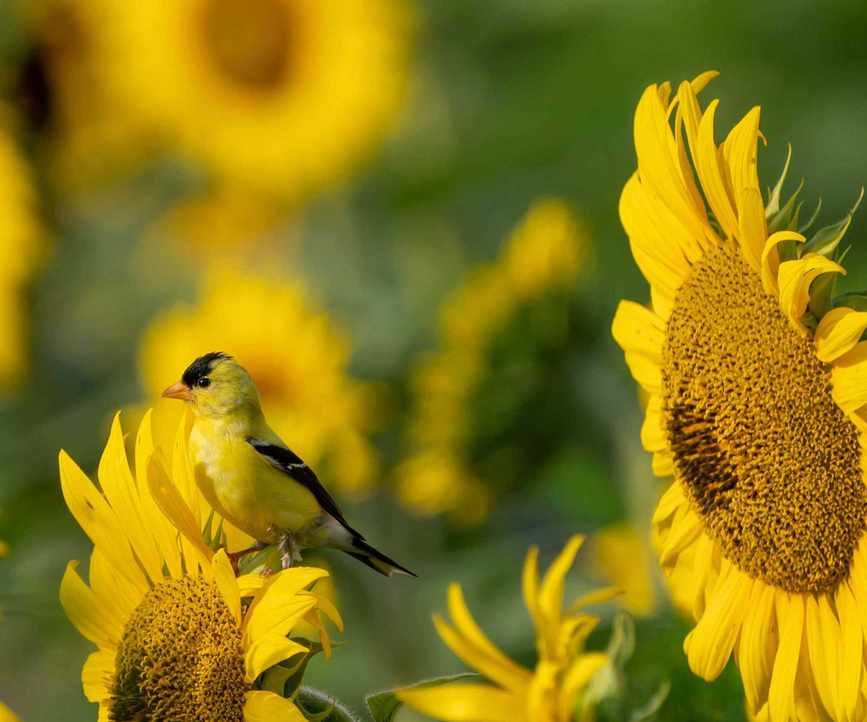
Sunflower seeds are a nutritious treat for birds
Sunflowers are not only visually appealing but also attract a variety of insects and birds, thereby enhancing the biodiversity of your garden. This increased biodiversity is beneficial for your yard. Additionally, sunflowers provide a fast-growing shade barrier for younger plants.
The large, nectar-rich blooms of sunflowers are excellent for pollinators, drawing in bees, butterflies, and hoverflies, particularly honeybees and bumblebees.
Each sunflower head consists of numerous tiny tubular flowers filled with nectar and pollen. After feeding, these beneficial insects will help pollinate various edible and ornamental plants in your garden. Bees also use the expansive flower heads for resting, especially at night.
When gathered together, your potted sunflowers become highly accessible to pollinators.
Moreover, sunflowers are fantastic for attracting birds, including finches, tits, cardinals, and woodpeckers. Leave the seed heads intact for your feathered friends in the autumn.
In winter, resist the urge to cut down your sunflowers, as their stems offer cozy hibernation spots for beneficial insects that will return the following year to pollinate and keep harmful pests at bay.
If you're looking to provide shade for young vegetable or flower seedlings while adding beauty and environmental benefits, potted sunflowers are an excellent choice. With their vibrant blooms and tall stems, they serve as nature's own umbrellas and are simple to grow.
Your plants will benefit, and so will pollinating insects, which are drawn to the nectar-rich flowers, while birds appreciate the seeds later in the season. Growing sunflowers to protect seedlings is a win-win for gardeners, plants, and wildlife alike.


