

Lisianthus, known scientifically as Eustoma russellianum, is a beloved cut flower that enhances both home decor and wedding arrangements. Its charming bell-shaped blossoms come in a variety of colors, including pink, white, purple, and yellow. While these lovely flowers are commonly found in florists and supermarkets, you may not realize that you can successfully cultivate them in your own garden.
Originating from Central and North America, lisianthus is often referred to as the prairie gentian or Texas bluebell, hinting at its natural habitat across the Great Plains and prairies of states like Wyoming, Nebraska, Colorado, Kansas, and Texas.
Despite its reputation for being a challenging perennial to grow, you can take specific steps to improve your chances of enjoying lisianthus blooms. Here, experienced gardeners share valuable tips to help you succeed with these native flowers.

How to Plant and Care for Lisianthus
If you're designing a cut flower garden, adding native plants like lisianthus is an excellent way to attract local pollinators, such as bees and butterflies. These plants typically grow to heights of 1 to 3 feet, featuring lush green leaves and stunning bell-shaped flowers during the summer.
Essential Information About Lisianthus
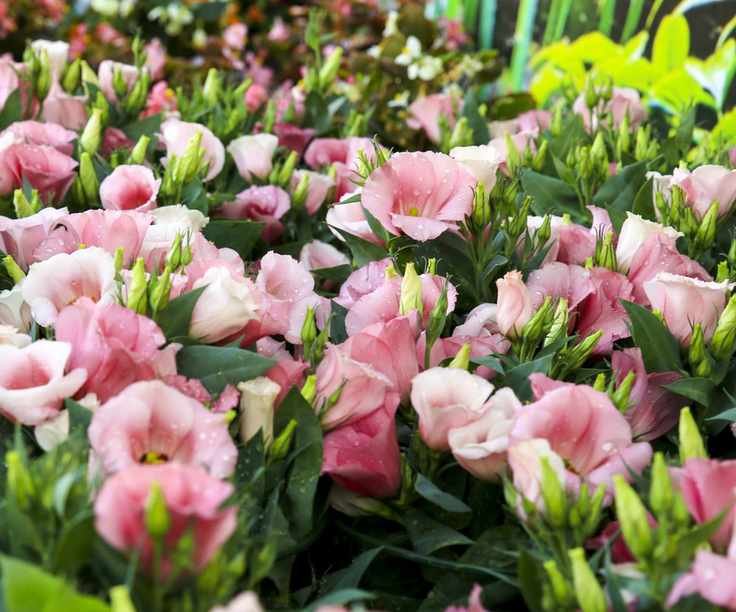
'Lisianthus are dynamic and striking flowers,' explains Rachel Bull, a floral designer and gardening expert. 'Whether you display them in garden beds, pots, or vases, they bring a splash of color and elegance to any setting.'
These plants flourish best in U.S. hardiness zones 7 to 10. While they are often treated as annuals due to their sensitivity to cold, they can be perennial in equatorial regions. As a prairie flower, lisianthus prefers full sun and soil that retains moisture, similar to the slightly damp ground found in open grasslands.
'As a florist, I adore using lisianthus in arrangements and boutonnieres. The bell-shaped flowers are not only beautiful and romantic, but they also have a long vase life, often lasting up to 14 days,' Rachel adds. 'While starting lisianthus from seed can be tricky due to its complex germination requirements, beginning with small plug plants is considerably easier.'

Rachel Bull is a gardening editor, flower grower, and floral designer. She started her journalism career at Country Living, developing a passion for container gardening and wild planting. After over a decade of writing and editing for various consumer and special interest publications, she became the editor of The Flower Arranger. Following training and six years of work as a floral designer and stylist in London, she joined the gardening community.

These live lisianthus plants thrive when planted in full sunlight.
Tips for Growing Lisianthus
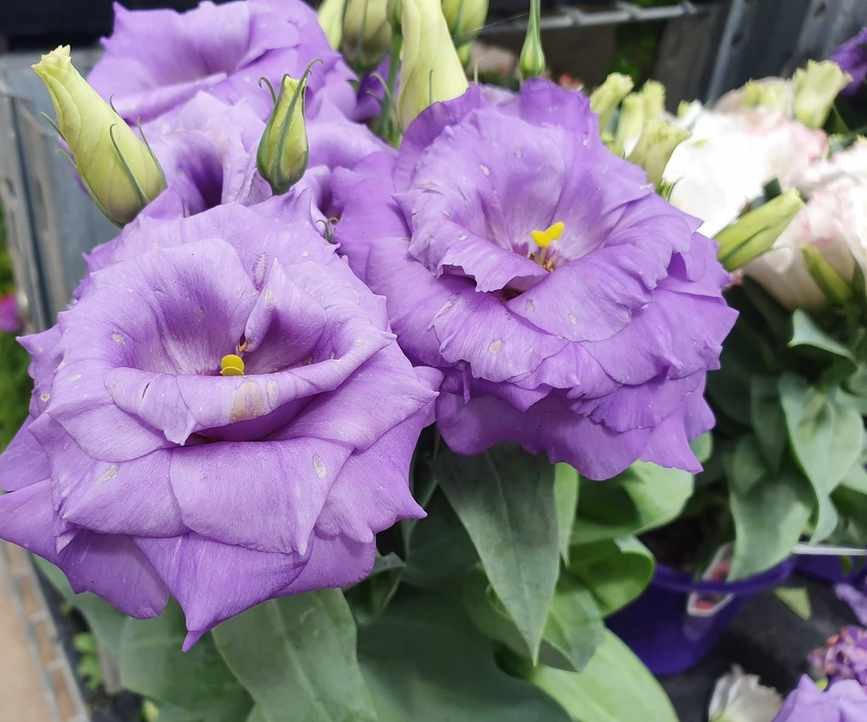
- Soil: These short-lived perennials thrive in rich, moist soil. When planting lisianthus in borders or pots, ensure the soil is enriched with mulch or leaf mold, such as this organic soil from Amazon. Aim for a pH level between 6.5 and 7.0. If you're unsure of your soil's pH, utilizing a soil meter from Walmart is recommended. 'It's ideal to plant lisianthus in early spring, typically about a month before the last expected frost,' Rachel advises. 'Colder weather aids their establishment, while warm planting can lead to scorching or drying out.'
- Light: Lisianthus plants require ample sunlight. Since they are native to open prairie fields, they do not thrive in shaded areas. 'I suggest planting them in a spot that receives 6 to 8 hours of direct sunlight daily,' Rachel recommends, 'to give your plants the best chance of thriving.'
- Watering: These plants flourish in moist, well-drained soil. In arid regions, deep watering once or twice a week will support their growth. Mulching can help retain soil moisture, particularly during the summer.
- Fertilizing: Lisianthus are nutrient-hungry plants. I suggest using a fertilizer high in phosphorus to promote blooming, such as this bloom booster from Amazon. A common fertilizing mistake is using the wrong feed. Although fertilizer numbers may seem complicated, researching the appropriate type is crucial. For lisianthus, phosphorus is vital for flower production, while high nitrogen levels promote foliage growth instead, which is not ideal for cut flower arrangements.
- Staking: 'For gardeners aiming to grow lisianthus for cutting, staking is essential,' says Rachel. 'The flower stems can grow up to 3 feet tall, so providing support is necessary.' Consider creating hazel plant supports for a subtle yet decorative touch in your garden beds.

This organic fertilizer will help all your flowering plants produce abundant buds and continue blooming deep into the fall.
Common Questions
Is it possible to grow lisianthus in containers?
Yes, lisianthus can thrive as a potted plant. Look for varieties that are well-suited for container growing, such as dwarf types like 'sapphire white.' Place your container in a sunny area and ensure regular watering throughout spring and summer. Frequent deadheading and cutting flower stems will encourage blooms for several weeks.
For gardeners of all skill levels, purchasing lisianthus plants from garden centers and nurseries is advisable, especially for first-time growers. For additional tips on growing cut flowers, check out our guide on keeping snapdragons blooming, which are also excellent for gardens and vases.


