
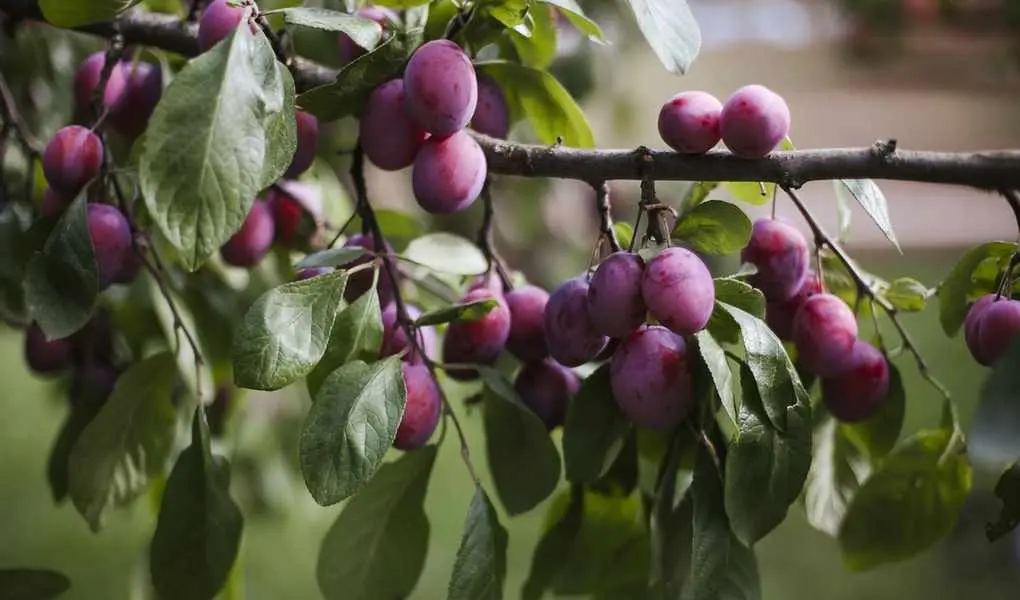
Cultivating a plum tree can bring immense satisfaction to any gardener. These trees, Prunus domestica, belong to the rose family, Rosaceae, showcasing a stunning spring blossom with delicate white and pink flowers that eventually fall before fruiting begins in summer.
However, it’s disheartening when a plum tree doesn’t yield fruit. Like all fruit trees, plum trees are sensitive and can be a bit finicky, needing certain conditions to thrive. Just as one learns to get a fig tree to bear fruit, plum trees require a blend of favorable weather, proper nutrients, and some assistance from pollinators.
As an experienced gardener, I've grown plums in various locations across the UK and Italy. While I've enjoyed some fantastic harvests, I've also faced some disappointing years. These experiences taught me valuable lessons, which I now share to help you maximize your plum tree's potential, whether you have large trees in your garden or small fruit trees in pots.
Getting Your Plum Tree to Bear Fruit
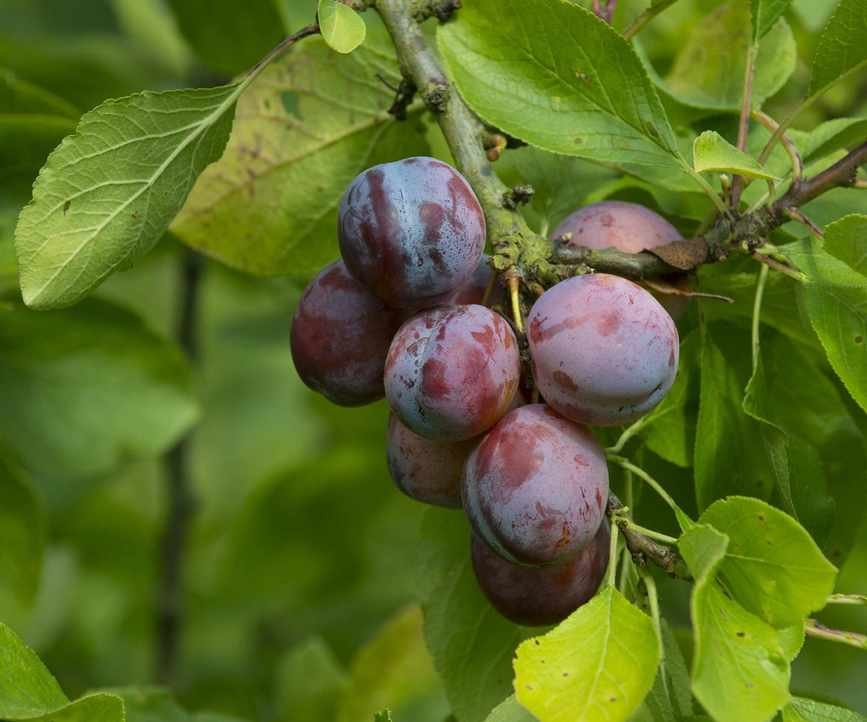
Typically, plum trees require three to five years to start producing fruit, regardless of the variety. If you've recently planted a young tree, patience is key. After the spring flowers drop, you should see small swollen fruits forming throughout the summer. Depending on your US hardiness zone, harvest time generally falls between August and October. If your tree is producing few or no fruits, there are steps you can take to improve yields for the next season.
Ensure Optimal Conditions for Your Plum Tree
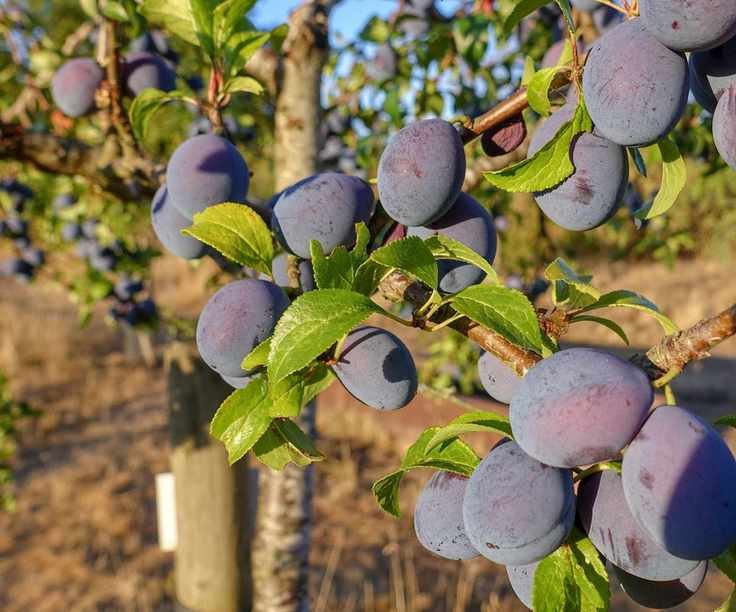
Plum trees thrive in sunny, sheltered locations. If yours is exposed to harsh weather, consider relocating it. Dwarf fruit trees in pots are easier to move, so enlist a friend’s help if needed.
Transplanting trees in borders can be challenging, but younger specimens usually adapt better. Early spring is the ideal time to relocate them, just before they enter their growth phase.
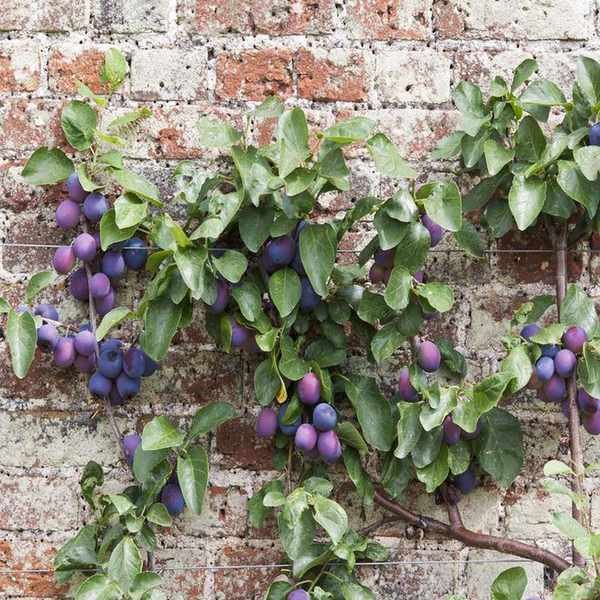
Plum trees flourish in warm, protected areas. I've successfully grown them against walls, where the heat aids fruit ripening.
Avoid placing plum trees in frost-prone or windy spots, as these conditions can harm blossoms and reduce fruit production.
Proper Pruning and Feeding is Essential
“Plum trees require consistent care throughout the year,” notes a former professional gardener. “Fertilizers rich in phosphorus promote flowering and fruiting.” Consider using organic bone meal from Walmart for a phosphorus boost during spring and summer.
“Mulching is also beneficial for fruit trees,” the gardener adds. “It enhances soil health, suppresses weeds, and retains moisture during hot months.” You can find organic mulch on Amazon.
Lastly, prune plum trees at the right time each year. “Summer is the best period for pruning established plum trees,” the expert advises. Typically, pruning should occur around June and July, focusing on removing dead branches and shaping the tree without damaging any developing fruits.
Attract Pollinators to Your Garden
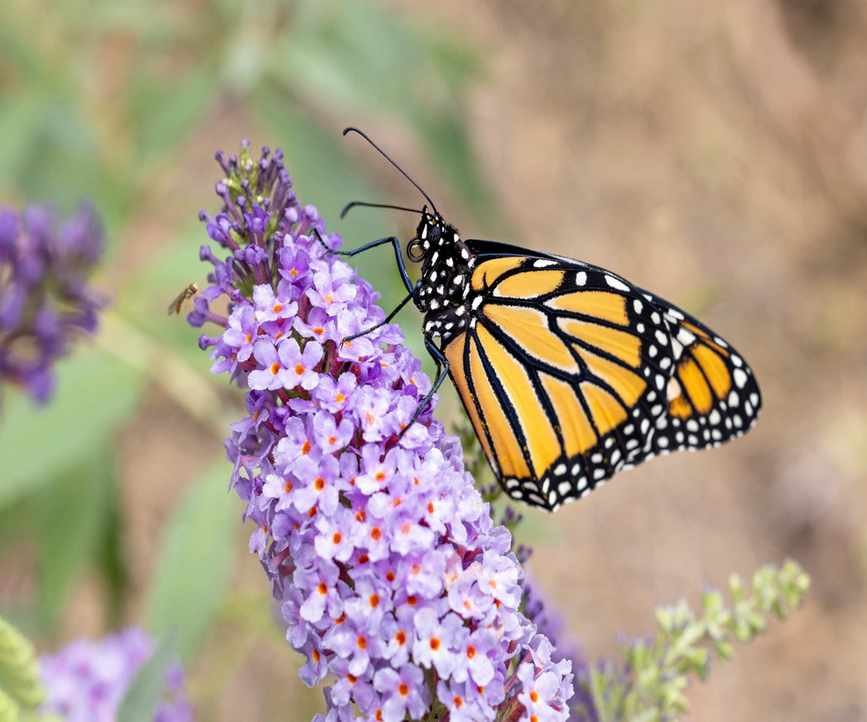
Pollination is crucial for plum trees to produce fruit. Some varieties, like 'Violette' and 'Jubilee', are self-fertile, while others require a nearby tree to enhance yields. Regardless of the type, pollinators are essential for a successful harvest.
Birds, bees, butterflies, and moths all contribute to pollination. To support these beneficial creatures, fill your garden with nectar-rich and native plants. Perennials like verbenas and coneflowers attract them effectively.
Alternatively, let a portion of your garden grow wild with plants like cornflowers and daisies, which help early-season pollinators. You can find wildflower seed mixes on Amazon.
Common Questions
When is the best time to relocate my fruit tree?
It's best to move plum trees in early spring before they start growing actively. Larger, older trees are at a higher risk during relocation, so proceed with caution. If your tree is very old and leafy but not fruiting, it might be better to leave it in place for its beautiful foliage.
How frequently should I repot my plum tree?
For potted plum trees, change containers every two to three years. Signs of stress, such as halted growth or roots emerging from the pot's base, indicate it's time to repot. This should also be done in early spring, using ample organic material in the new pot.
While these methods can promote fruiting in your plum tree, remember that weather conditions are often beyond our control. Plum trees are less winter-hardy than other fruiting trees, and late frosts can damage flower buds. Consider if a plum tree is suitable for your climate, particularly in cooler zones, where more resilient options like apple trees might be preferable.



