
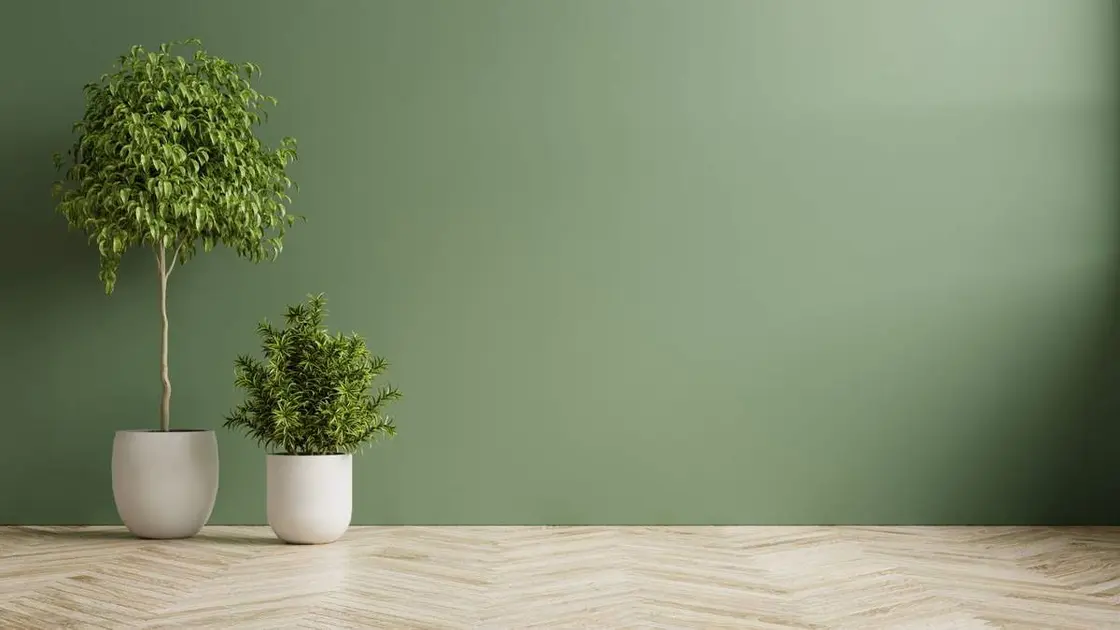
Adding indoor trees can elevate your home with vibrant greenery. These plants not only enhance aesthetics but also offer significant health benefits, such as purifying air and boosting moods.
With various indoor tree species available, selecting the right one for your environment is crucial. Consider the specific conditions of your home, including temperature and humidity, to ensure a successful growing experience.
We consulted experts to identify the top low-maintenance trees perfect for indoor settings.
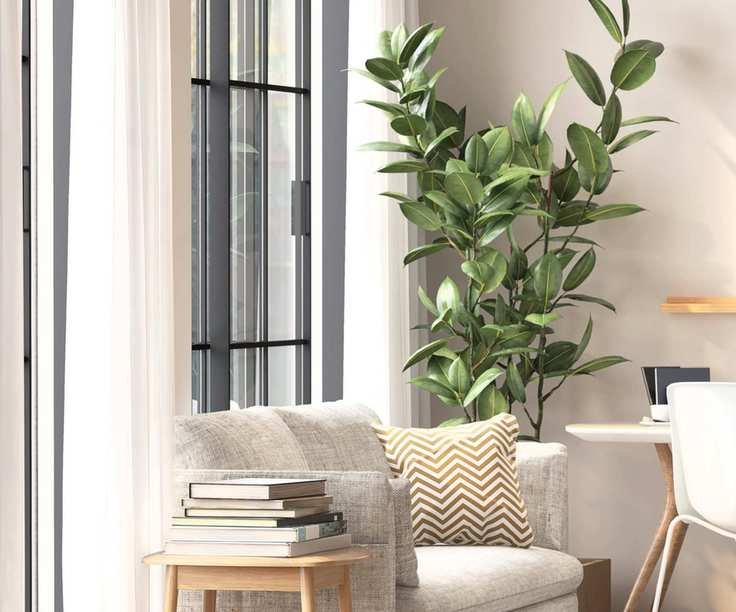
Top 6 Indoor Trees
Choosing the right indoor tree hinges on understanding your room's light and humidity. For instance, placing a cactus in a dim bathroom is ill-advised. Follow our expert tips for planting and care to ensure thriving growth.
1. Fiddle Leaf Fig
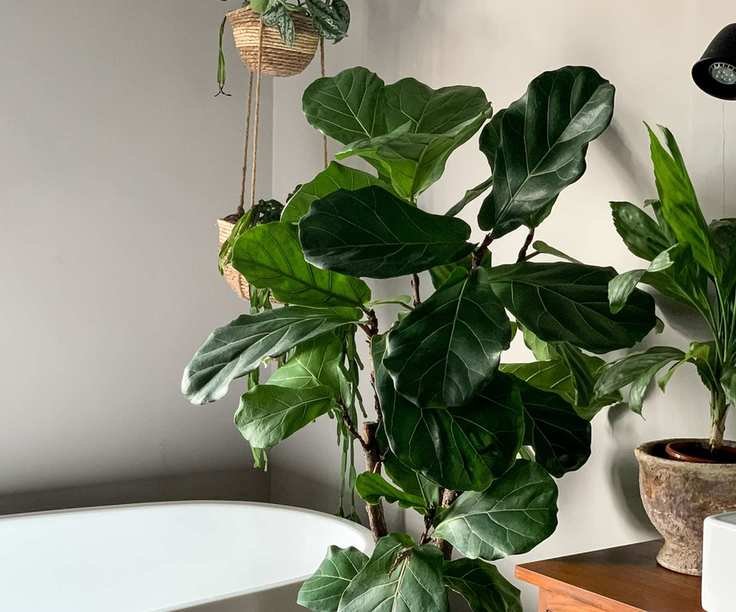
Known for its striking large leaves, the Ficus lyrata can reach up to 10 feet tall indoors. It's a favorite among designers and a great conversation starter.
These plants flourish in bright, indirect light. Protect the leaves from direct sunlight to prevent damage. Rotate your fiddle leaf fig monthly for even growth, and keep the leaves dust-free for a vibrant appearance.
Key care tips for the fiddle leaf fig:
- Light: Thrives in bright natural light; avoid low-light areas.
- Watering: Water weekly, being cautious not to overwater.
- Soil: Use a free-draining potting mix, adding perlite or grit for drainage.
- Fertilizing: Feed every four weeks during growing season with a general houseplant fertilizer.
- Toxicity: Toxic to pets; monitor foliage if leaves drop.
2. Parlor Palm
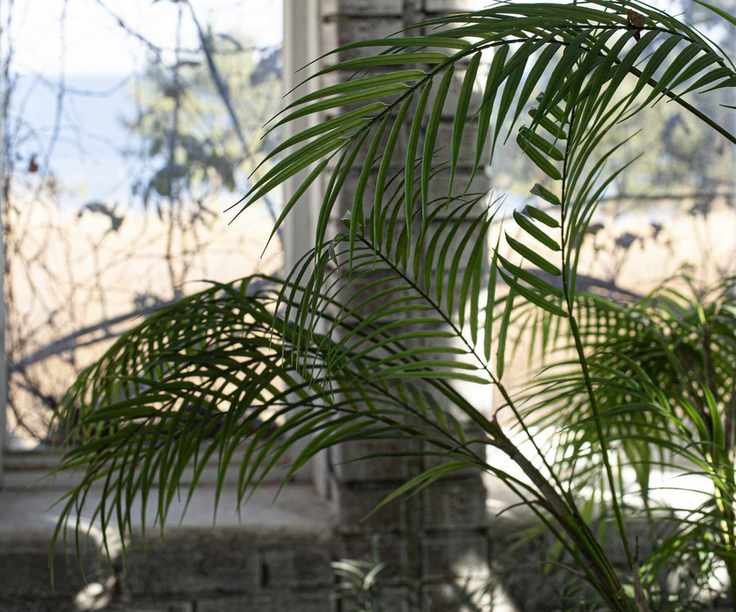
The Chamaedorea elegans, or parlor palm, is a chic, low-maintenance tree that adds a tropical vibe. It tolerates low light and doesn't require constant attention.
For a more dramatic effect, opt for a larger specimen, as they grow slowly, reaching heights of 3-4 feet.
Care tips for the parlor palm:
- Light: Adapts to low to medium indirect light; protect leaves from direct sun.
- Watering: Allow soil to dry between watering to avoid overwatering.
- Soil: Ensure a well-draining potting mix with proper drainage.
- Fertilizing: Apply high-nitrogen fertilizer every 4-6 weeks during growth.
- Toxicity: Safe for pets.
3. Money Tree
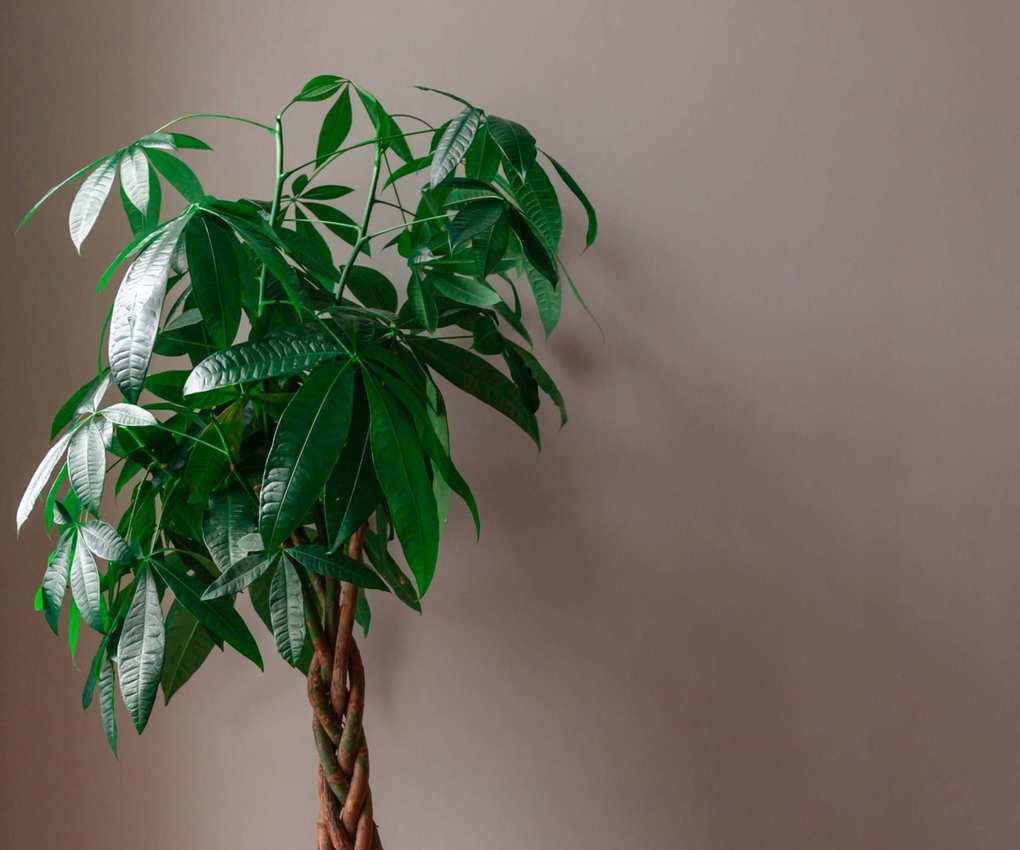
The Pachira aquatica, or money tree, features a unique braided trunk and thrives in high humidity. It grows up to 8 feet tall and prefers consistent watering without soggy roots.
Monitor for dead stems to maintain healthy growth, focusing on the central braid for the best appearance.
Care tips for the money tree:
- Light: Prefers bright, indirect light but tolerates shadier spots.
- Watering: Check soil dryness before watering; weekly watering is usually sufficient.
- Soil: Use a well-draining mix to prevent root rot.
- Fertilizing: Feed every four weeks during growth.
- Toxicity: Non-toxic to pets.
4. Bird of Paradise
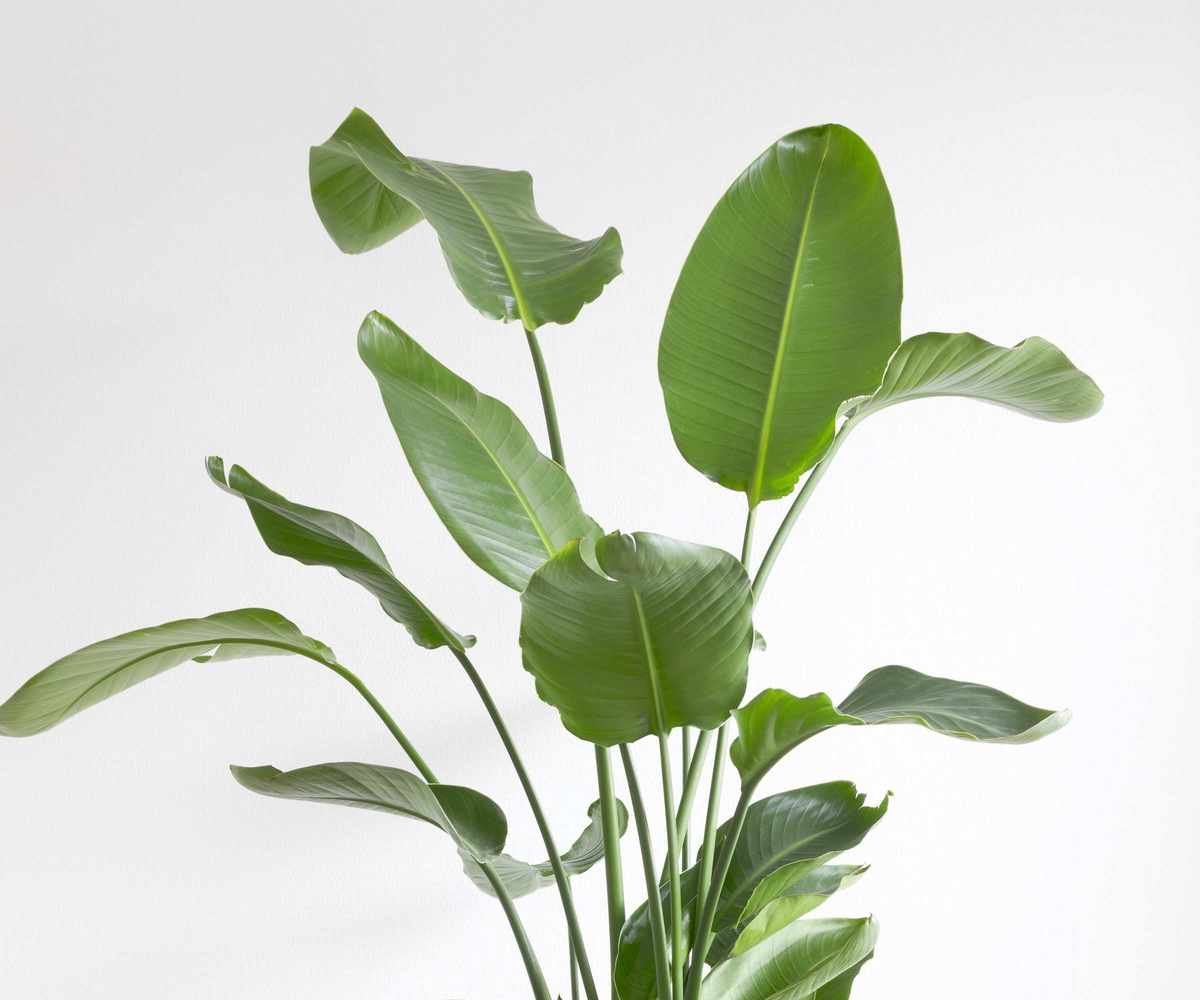
The Strelitzia reginae, or bird of paradise, is a striking choice, growing 5-8 feet. It boasts banana-like leaves and requires minimal care.
Ensure it receives adequate light, as insufficient exposure can lead to damage. This plant thrives in warm conditions, so keep it away from cold drafts.
Care tips for the bird of paradise:
- Light: Prefers bright, indirect light for optimal growth.
- Watering: Allow the soil to dry out completely before watering.
- Soil: Use a free-draining mix, enhancing it with grit or bark.
- Fertilizing: Fertilize every 4-6 weeks during the growing season; skip winter.
- Toxicity: Toxic if ingested; keep away from pets and children.
5. Umbrella Tree
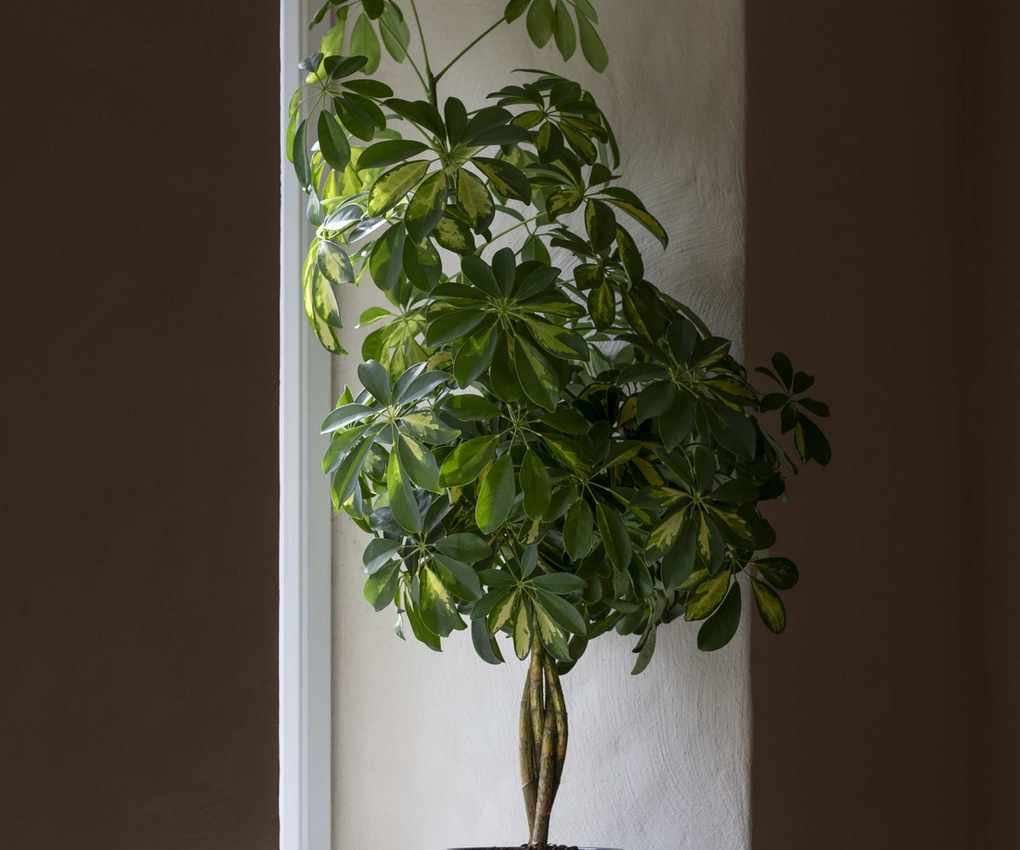
The Schefflera arboricola, known as the umbrella tree, can reach 10 feet indoors. Its attractive shiny leaves form rosettes that resemble an umbrella.
This tree prefers bright, indirect light and should be repotted annually for best growth.
Care tips for the umbrella tree:
- Light: Enjoys bright, indirect light; avoid direct sunlight.
- Watering: Allow the top two inches of soil to dry out before watering.
- Soil: Use a free-draining mix with good drainage material.
- Fertilizing: Fertilize every 4-6 weeks during the growing season; avoid during dormancy.
- Toxicity: All parts are toxic; keep away from children and pets.
6. Rubber Tree
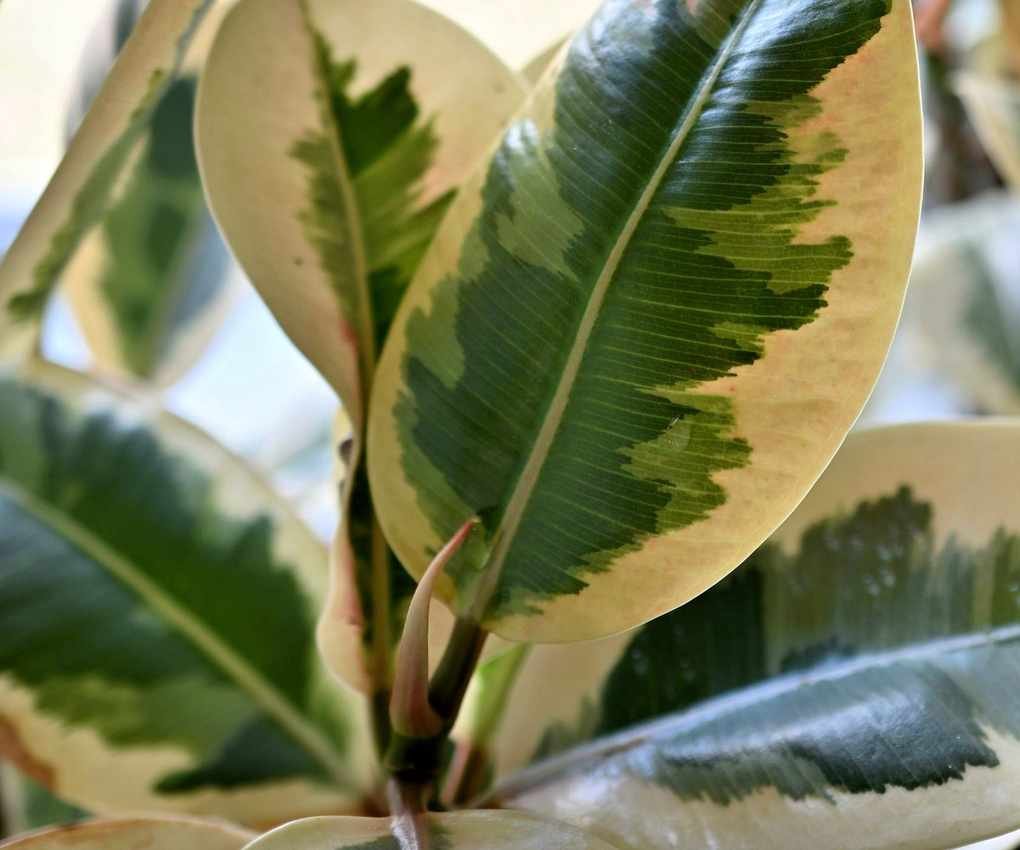
The Ficus elastica, or rubber tree, is favored for its broad, glossy leaves. It's a fast grower that requires minimal maintenance.
Provide it with bright, indirect light for optimal leaf health, and ensure it has good drainage to prevent overwatering.
Care tips for the rubber tree:
- Light: Thrives in bright, indirect light; avoid sudden changes in light conditions.
- Watering: Wait for the soil to dry out before watering.
- Soil: Use a well-draining potting mix; amend as needed.
- Fertilizing: Feed every 4-6 weeks during growth; skip winter feeding.
- Toxicity: Mildly toxic to pets; keep it out of reach.
FAQs
What indoor tree tolerates shade?
The dragon tree can handle partial shade and is a fast-growing option for low-light conditions.
Should you cluster houseplants together?
Grouping plants with similar light and humidity needs can enhance your home's greenery while improving localized humidity.
Can you move indoor trees outside in summer?
Moving pots outdoors during summer can benefit your plants, but ensure there's no frost risk and monitor weather conditions closely.
Enhancing your indoor space with trees can transform its atmosphere. Combine smaller plants with taller specimens for a vibrant display.



