When it comes to growing vegetables in pots, choosing the right potting mix is crucial. The market offers various options, and selecting the best one can significantly impact plant health and yield.
In essence, the ideal potting soil for container vegetables should be lightweight, nutrient-rich, moisture-retentive, and well-draining. Typically, these mixes consist of organic matter, peat moss, coconut coir, and perlite or vermiculite. You can also create your own blend.
Having grown numerous vegetables in pots, from tomatoes to peppers, I understand the key traits that make a potting mix exceptional for edibles, which are vital for achieving abundant harvests.
Characteristics of Optimal Soil for Container Vegetables
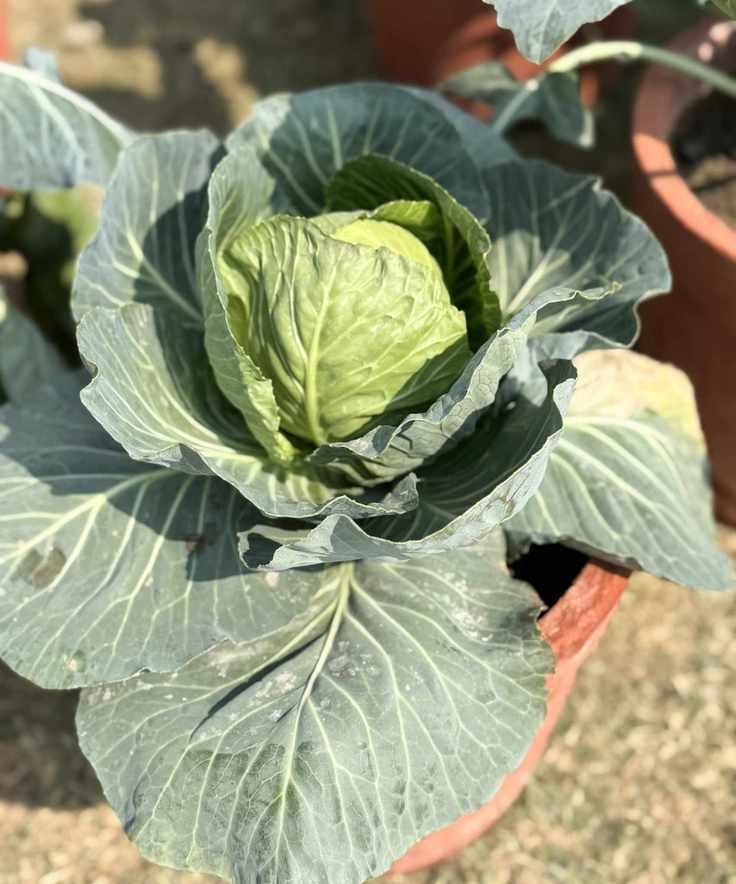
Effective soil for growing vegetables in containers isn't traditional soil but rather a specialized potting mix designed for container gardening.
Using garden soil is unsuitable for pots as it tends to be too dense and retains too much moisture, risking root rot. Instead, opt for a pre-mixed potting soil or formulate your own.
Quality potting soil for container vegetables should ensure proper drainage, aeration, and moisture retention.
Vegetable roots thrive on moisture and oxygen but don't fare well in overly wet conditions. Good soil also provides essential nutrients, often found in blends containing organic matter and slow-release fertilizers that nourish plants for months.
Look for products labeled 'potting mix' or 'vegetable potting mix,' as these will typically offer the best characteristics for growing vegetables in containers, combining fertility, moisture retention, and drainage.
You can find both soil-based and soilless potting mixes. Soil-based options contain components like loam or topsoil but can be heavier and have poorer drainage, increasing the risk of soil-borne pathogens.
Soilless mixes combine peat moss or coconut coir with perlite or vermiculite to enhance water retention and drainage.
Coconut coir is becoming a popular, sustainable alternative to peat moss, as it retains moisture effectively but usually lacks nutrients. Ensure that coir-based mixes have added fertilizers, or supplement as needed when planting vegetables.
Don't skimp on quality when selecting soil for container vegetables. Inexpensive potting mixes can often lead to disappointment, with dense textures or unwanted debris inside.
For optimal vegetable growth, choose high-quality, light potting soil.
Recommended Soil Mixes for Container Vegetables
Burpee Potting MixThis organic mix features coconut coir for moisture retention and essential nutrients, supporting vegetable growth for up to three months. It's certified for organic gardening.
Miracle-Gro Potting MixThis organic potting soil contains compost, responsibly sourced sphagnum peat moss, and quick-release natural fertilizers, providing nutrients for vegetables for up to two months.
Espoma Potting MixThis natural blend incorporates sphagnum peat moss, perlite, earthworm castings, alfalfa meal, kelp meal, feather meal, and yucca extract, along with beneficial mycorrhizae.
Foxfarm Ocean Forest Potting SoilA nutrient-rich potting soil that combines composted forest humus, sandy loam, and sphagnum peat moss, along with earthworm castings, bat guano, fish, and crab meal.
Back to the Roots Potting MixThis organic, peat-free potting soil consists of upcycled plant matter and wood, enhanced with yucca extract for moisture retention and all-purpose plant food.
Pennington Potting Soil MixThis full-season potting soil features slow-release fertilizers that nourish plants for up to six months, utilizing sustainably sourced peat moss, earthworm castings, and water-retaining crystals.
Common Mistakes to Avoid
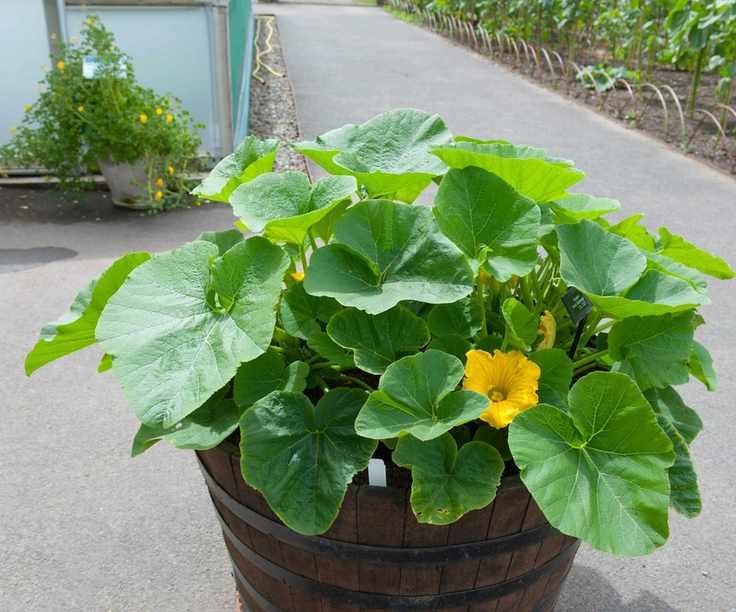
One of the biggest errors in container gardening is using garden soil in pots.
Garden soil is too heavy for containers. Its density leads to excessive moisture retention, risking root rot and introducing harmful bacteria or fungi.
Avoid reusing old potting soil for new vegetable plants. Old mixes can lack essential nutrients and harbor pests or pathogens that can survive in the soil.
Create Your Own Potting Mix for Vegetables
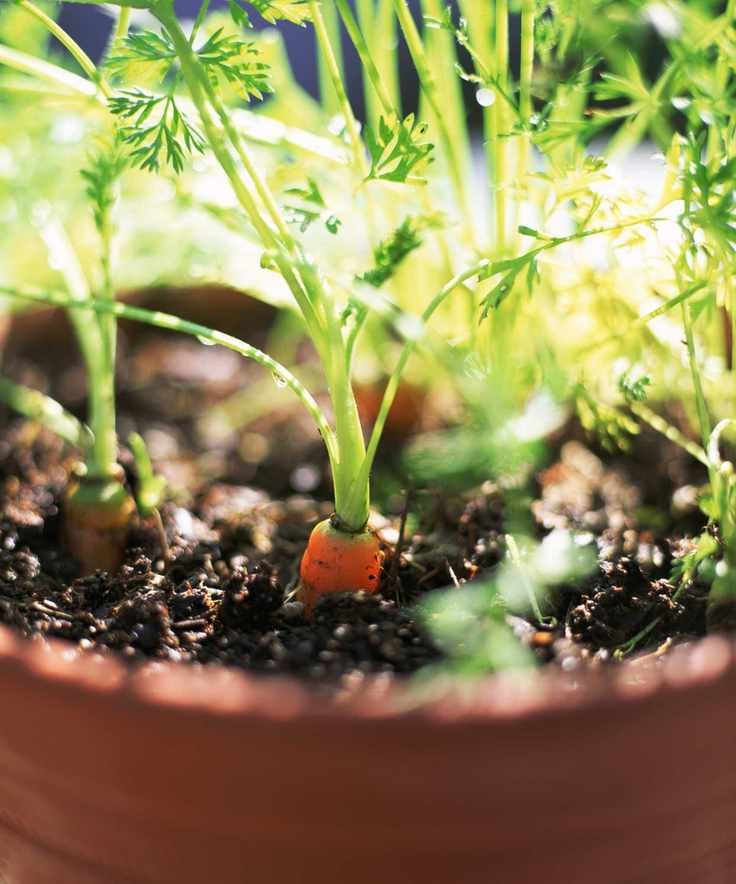
Crafting a light, nutrient-rich, well-draining potting mix for your container vegetables at home is easy with common gardening components.
A straightforward DIY mix features equal parts homemade compost, coco coir (consider coir over peat moss), and vermiculite or perlite for drainage. This simple blend allows compost to provide nutrients, coir to maintain moisture, and vermiculite to enhance drainage and airflow.
Be sure to sieve your compost to eliminate lumps and achieve a light texture ideal for containers.
Consider adding a handful of slow-release fertilizer (like Osmocote, available at Amazon) to your mix for extended nutrient support, but use sparingly since compost already contributes nutrients, and too much fertilizer can damage roots.
Choosing the right soil mix is also vital for container herb gardens, especially for herbs like rosemary, lavender, and thyme that require excellent drainage.
Explore our recommendations for the best potting soil for herbs, which includes tailored suggestions and a recipe for crafting your ideal potting mix.