
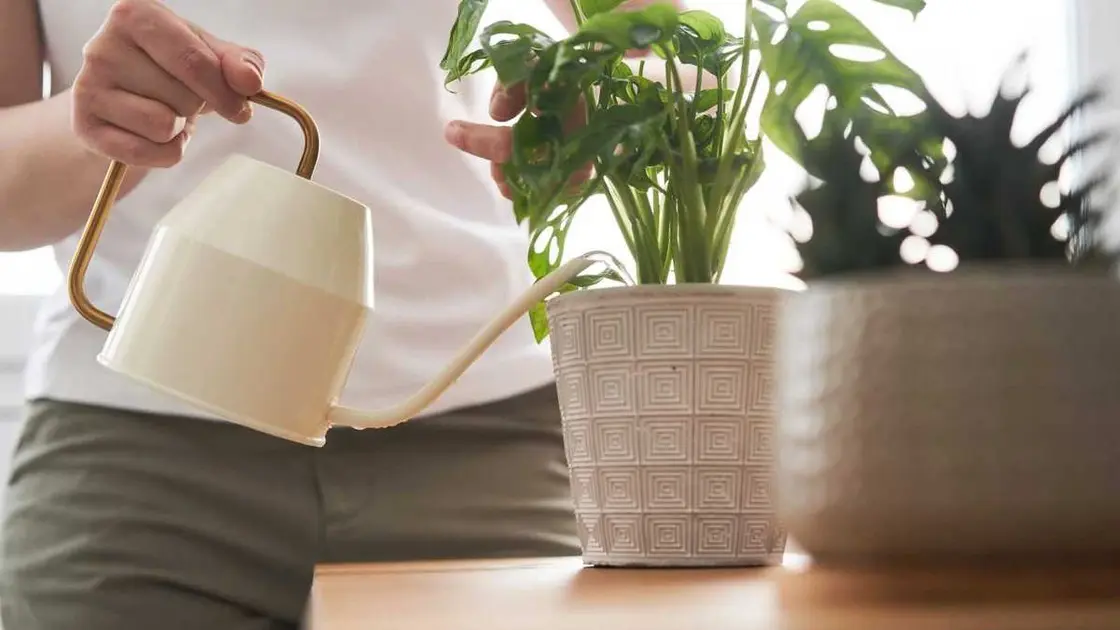
Watering ranks as the primary care task for plants, particularly those in pots. You can choose to water from the top or the bottom, each with its distinct advantages based on the type of plant and its growing conditions.
Generally, bottom watering is seen as the superior method for potted plants. This technique ensures deep soil saturation, promotes robust root growth, and minimizes the risk of fungal diseases often associated with overhead watering.
Understanding when and how to water requires knowledge of each plant's unique needs. Some may thrive with bottom watering, while others, particularly those in the ground or larger pots, may benefit from top watering, although there are strategies to enhance the latter approach.
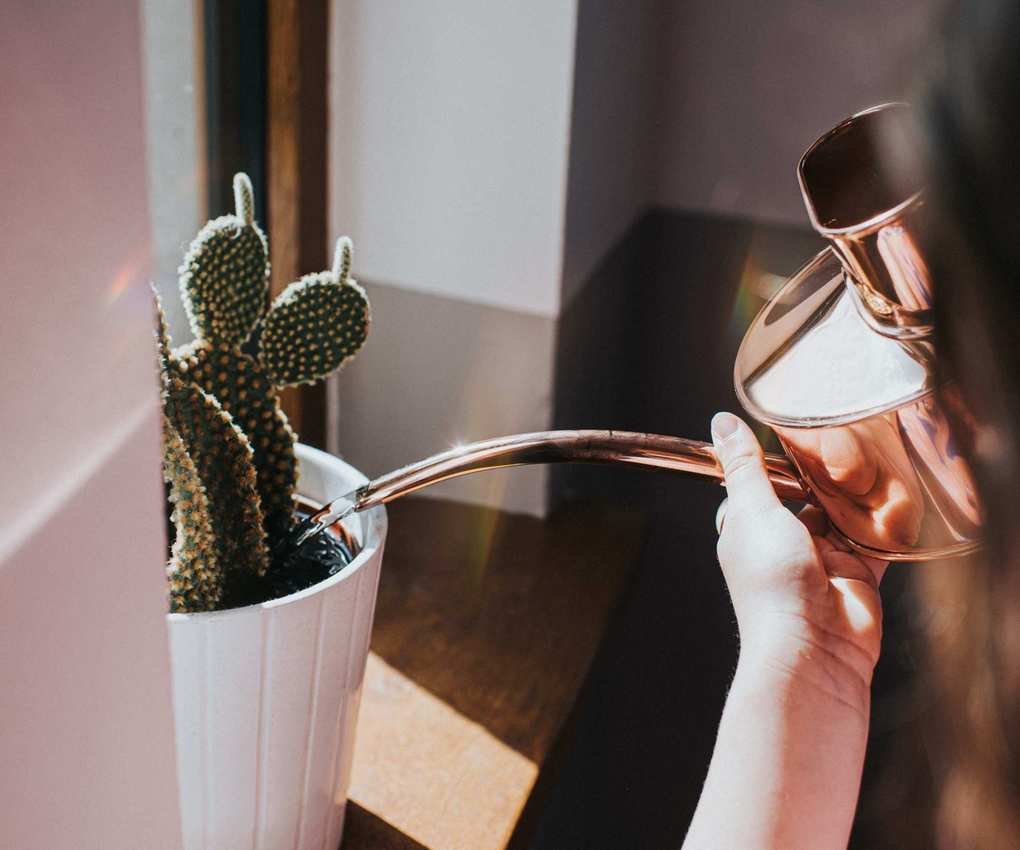
Some plants thrive better with top watering.
Is Bottom Watering More Effective?
Bottom watering involves placing a potted plant in a water-filled container, allowing the soil to absorb moisture through capillary action. This method efficiently hydrates houseplants and eliminates water runoff that often occurs with top watering, ensuring moisture penetrates deeper than just the surface layer. Self-watering planters utilize this principle, drawing water from a reservoir to nourish roots. For instance, the WOUSIWER 10 inch Self Watering Planters available at Amazon is a great example.
According to irrigation expert Sean Lade, effective watering hinges on its application and absorption at the root level, rather than sheer volume.
He notes: 'Bottom watering encourages roots to delve deeper for moisture, promoting a healthier root system while keeping leaves dry to reduce disease risk.' He adds that this method is particularly beneficial for seedlings and sensitive plants, although it may be less effective in larger pots or with less absorbent soils.
Watering from above can expose plants to fungal diseases like rust and powdery mildew. Aim to direct water at the plant's base, targeting the roots, rather than soaking the foliage, which is a common mistake.
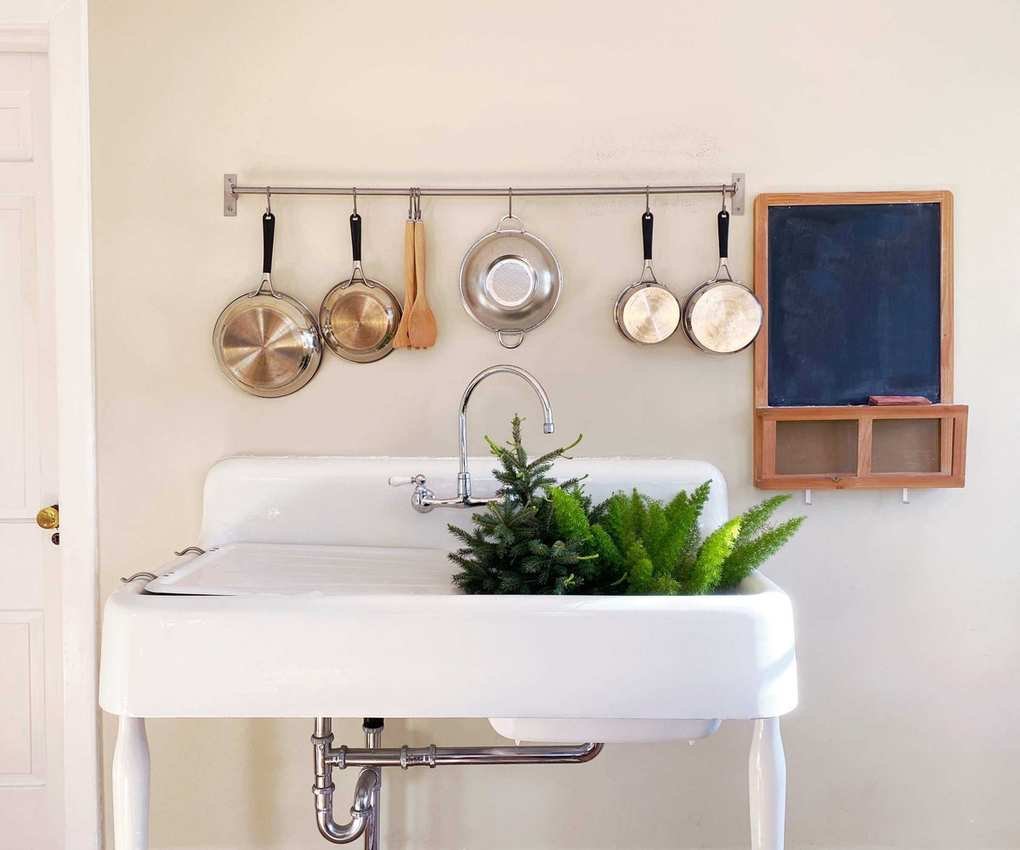
Bottom watering can be done in a kitchen sink filled with water.
When is Top Watering Acceptable?
Top watering is sometimes necessary, especially for outdoor flower beds and borders. It effectively mimics natural rainfall, which is beneficial for many outdoor plants.
For potted plants, top watering is often quicker and may be required for larger containers that take longer to absorb moisture from below. Sean Lade suggests that to enhance top watering efficiency, one should aim for deep penetration to wet the entire root zone. This can be achieved by watering gradually or using a drip irrigation system.
To minimize runoff and ensure water reaches the roots, a long-spouted watering can be useful. You can find a variety of long spout watering cans on Amazon.
Even indoor plants can benefit from occasional top watering. Mark Lane, a noted garden designer, points out that bottom watering can lead to salt buildup, which is harmful to plants.
He recommends alternating between bottom and top watering to flush away excess salts and minerals, keeping plants healthy.
To effectively manage salt accumulation, water from above until it drains from the pot's holes, ensuring a thorough cleansing.

Are Certain Plants Better Suited for Bottom Watering?
Many plants thrive with bottom watering, including the African violet, which can suffer leaf spots from overhead watering. Other houseplants like spider plants, philodendrons, peace lilies, and crassulas also prefer this method. Seedlings, being delicate, should always be bottom-watered to encourage healthy root growth without damaging them.
Plants that shouldn't have their crowns wet or those with dense foliage are also well-suited for bottom watering. This method is ideal for plants grown in soilless mixes, such as peat moss or coco coir.
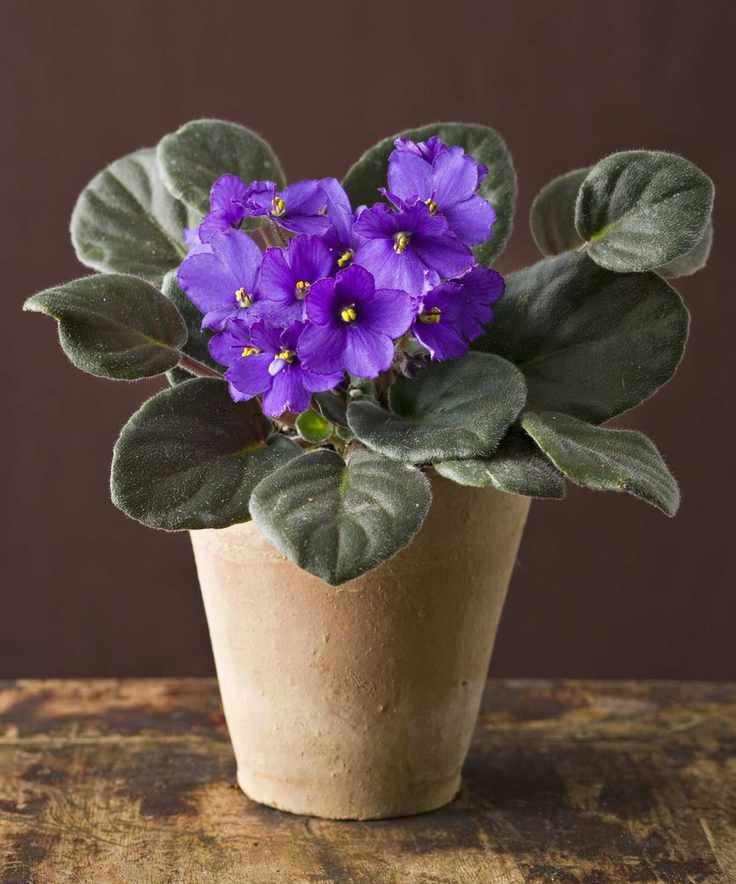
Overhead watering can harm African violets.
Which Plants Prefer Top Watering?
Mark Lane suggests that succulents like sedum and echeveria are best watered from above, along with aloe and calathea. He mentions that these plants have shallow roots, benefiting from water applied directly to the surface.
Cacti can also be watered from above, although he recommends submerging the pot in a bucket of water for thorough hydration and cleaning.
Larger indoor plants with broad leaves benefit from top watering as it mimics natural rain and helps remove accumulated dust, while also dislodging pests.
Can Bottom Watering Lead to Overwatering?
Yes, overwatering can occur with bottom watering if plants sit in water too long, leading to root rot. It's crucial to prevent plants from staying submerged for over 30 minutes and ensure excess water drains from the pot before repositioning.
Be cautious of excess water in the tray beneath the pot, as it can lead to over-saturation. Remember, each plant absorbs water differently, so understanding specific watering needs is essential.
How Long Should I Bottom Water?
The duration for bottom watering depends on the pot size and soil dryness. A good guideline is to let the plant soak for about 15-30 minutes, then discard any leftover water.
Ultimately, the aim of watering—whether from the top or bottom—is to deliver moisture effectively to the roots. Always strive for efficiency in watering practices, ensuring that the plants receive the hydration they need while avoiding common pitfalls like overwatering and foliage soaking.



