
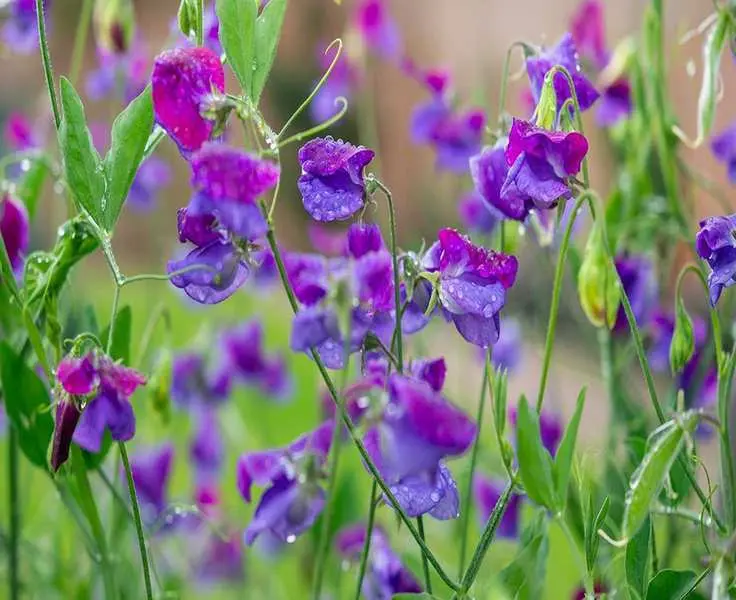
Sweet peas, with their captivating scent and vibrant colors, are among the top bloomers of early summer. You can either sow seeds, which offer a broader variety, or conveniently buy plug plants from a local nursery. Regardless of your choice, proper placement is crucial for their success.
Growing sweet peas is simple, but certain environmental factors can hinder their growth. By recognizing where not to plant, you can avoid common pitfalls and achieve that beautiful display you desire.
Here are five spots to steer clear of when planting sweet peas, along with expert advice and companion planting tips for enhancing your garden's beauty.
1. Heavy, Clay Soil
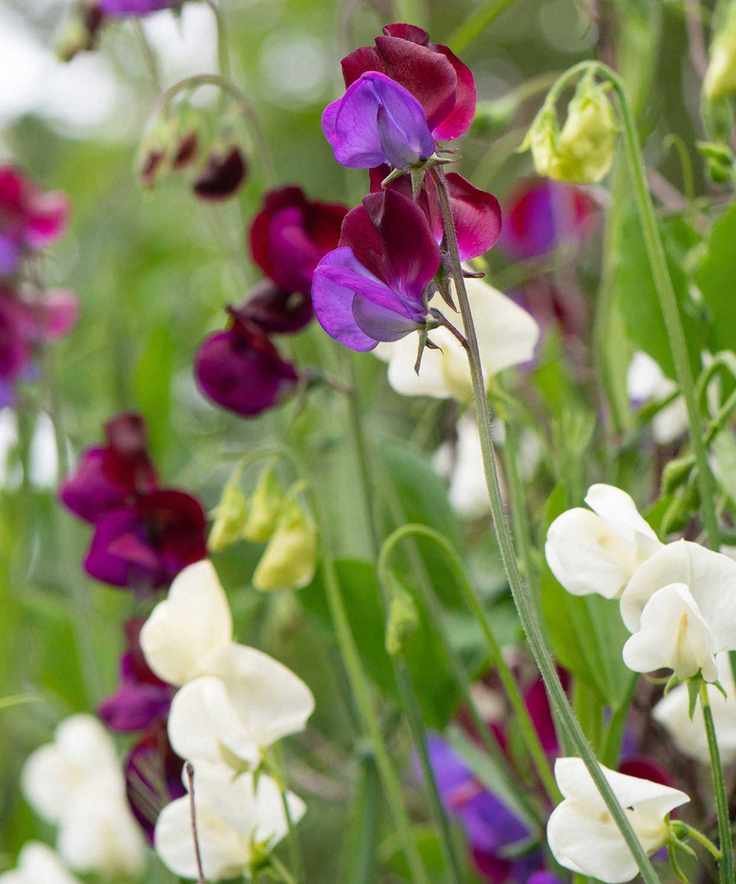
Ensure good drainage for thriving annuals
According to an expert, sweet peas do not thrive in wet, dense soil. Clay retains water excessively, which can suffocate seedlings and cause rot. Additionally, roots struggle to penetrate compacted clay.
If you have clay soil, enhance it with compost, leaf mold, or grit to improve drainage. Alternatively, consider using raised beds or deep containers filled with lighter, loamy soil.
2. Excessive Shade or Sunlight
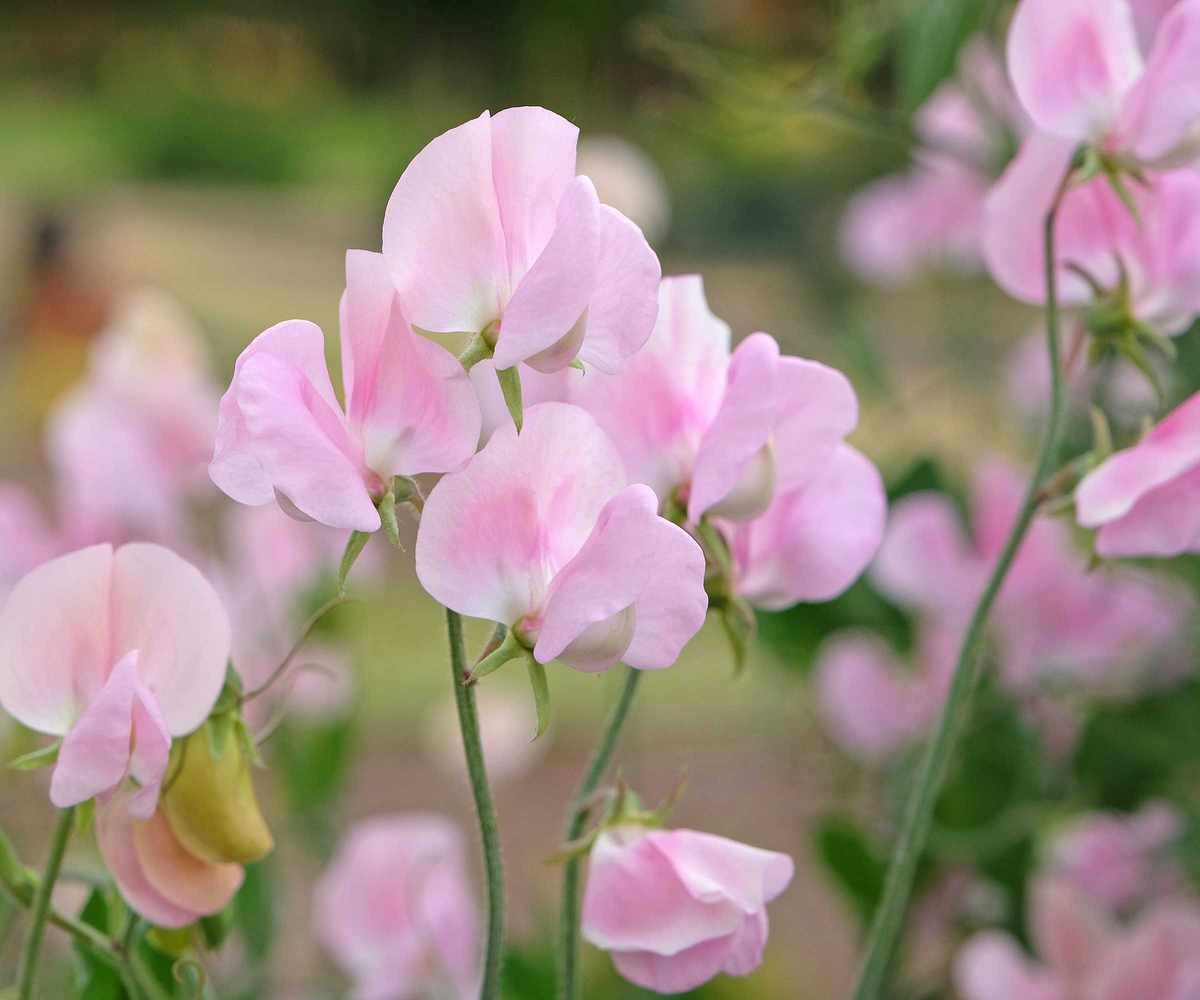
Assess the sunlight in your planting area
Experts suggest that sweet peas require six to eight hours of direct sunlight for robust growth. In shaded areas, they tend to become spindly and produce fewer blooms.
Additionally, these plants prefer full sun and should not be placed under trees where light is filtered. However, in regions with intense summer heat, a bit of light afternoon shade can help them retain moisture and extend their blooming period.
3. Overcrowded Planting
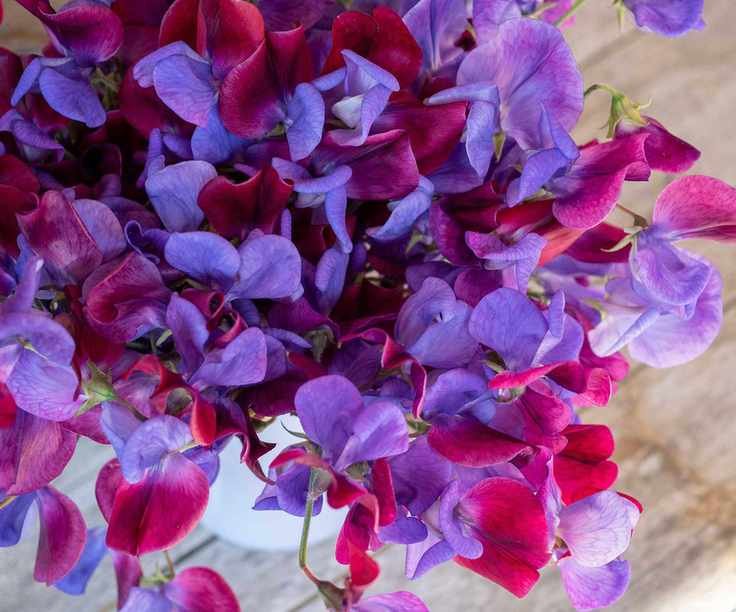
Maintain proper spacing for healthy growth
Proper spacing is vital for sweet peas, as overcrowding can lead to disease and hinder growth. When transplanting seedlings started indoors, space them about eight inches apart. If planting seeds directly outdoors, thin them as they grow by snipping excess seedlings at the base.
Ample spacing improves airflow, which is especially important in warmer hardiness zones. In hot climates, good air circulation helps prevent powdery mildew and encourages longer blooming periods.
4. Small Containers
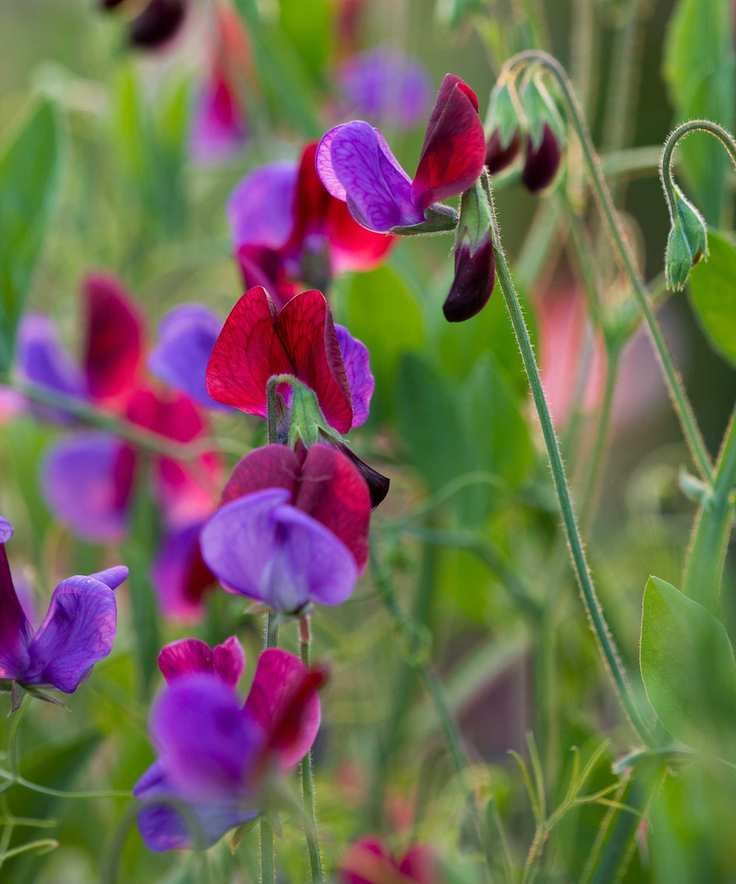
Choose deep planters for optimal root growth
While sweet peas can flourish in containers, avoid using small or shallow pots. Their roots need depth to grow properly, and limited space can lead to stunted growth and poor flowering.
Select a container at least 12 inches deep, filled with rich, well-draining compost, and keep the soil consistently moist. Also, ensure your container has drainage holes.
5. Lack of Support
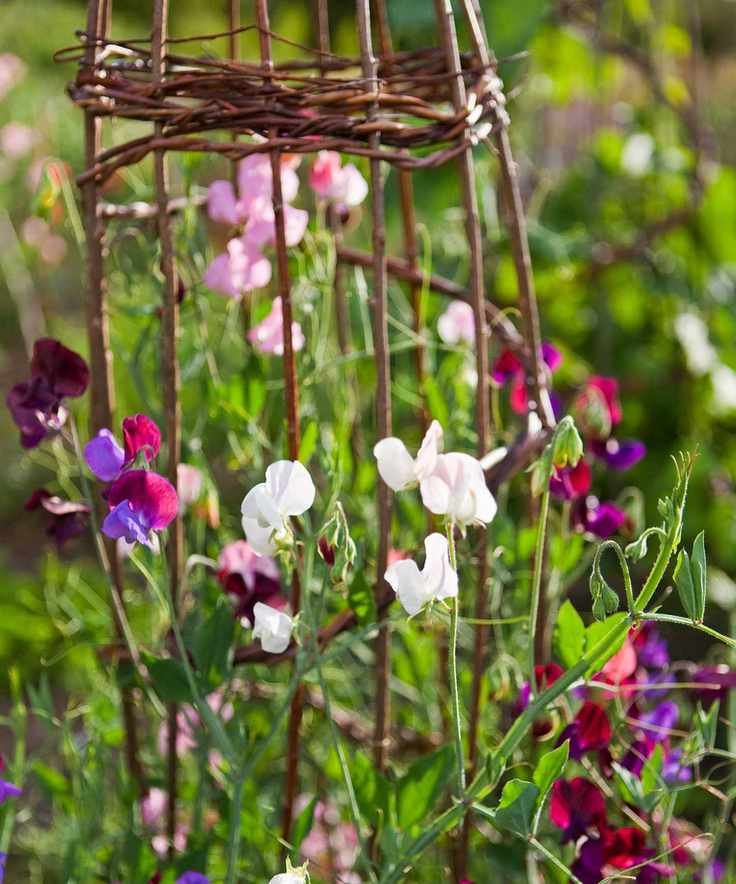
Provide support for climbing varieties
Many sweet pea varieties are climbing plants that require trellises, fences, or netting. Without support, they can become tangled and underperform. You can create a simple teepee structure with bamboo canes and string.
It's advisable to set up supports before planting to avoid disturbing the roots later. As they grow, gently tie them in to support their upward growth without constricting the stems.
Can you grow sweet peas indoors?
Sweet peas can be started indoors or in a cool greenhouse during early spring for a head start. Although they aren't ideal for full indoor growth due to their need for ample light and climbing space, they thrive in unheated greenhouses or cold frames at the beginning.
What are suitable companion plants for sweet peas?
Position sweet peas at the back of a garden bed for optimal height and space. This also helps conceal their base, which can become unattractive at the end of the season. Companion plants like nasturtiums add color without competing for space, while snapdragons and cosmos can complement their growth and aesthetics.
With these tips, you can cultivate stunning sweet peas this season. After blooming, learn how to harvest sweet pea seeds to grow new plants for free.



