
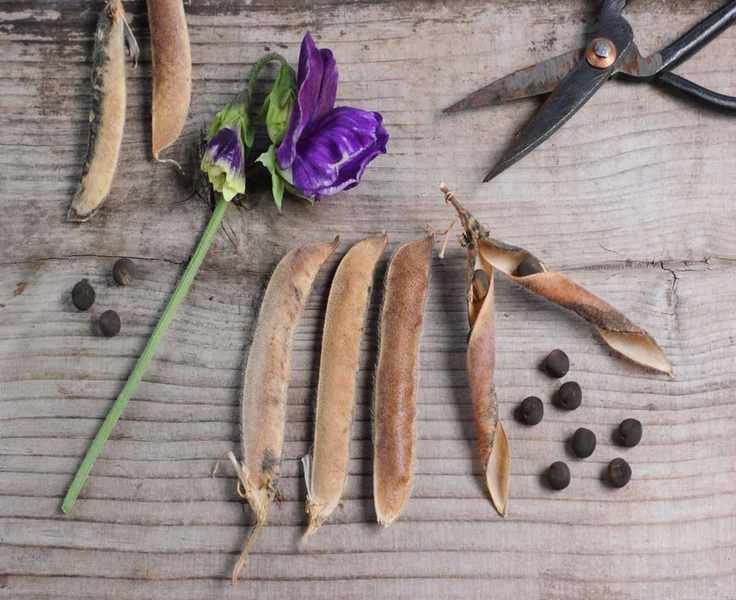
Sweet pea seeds are among the simplest to collect and cultivate, offering vibrant colors and delightful scents for your garden, all at no cost.
These flowers have become a beloved summer staple, available in a variety of hues. Regularly picking sweet pea flowers encourages continuous blooming, but it's wise to leave some blooms at season's end for pod development.
Focus on gathering seeds from your favorite types, colors, or varieties before they disperse. This guide provides essential information to help you avoid common harvesting errors.
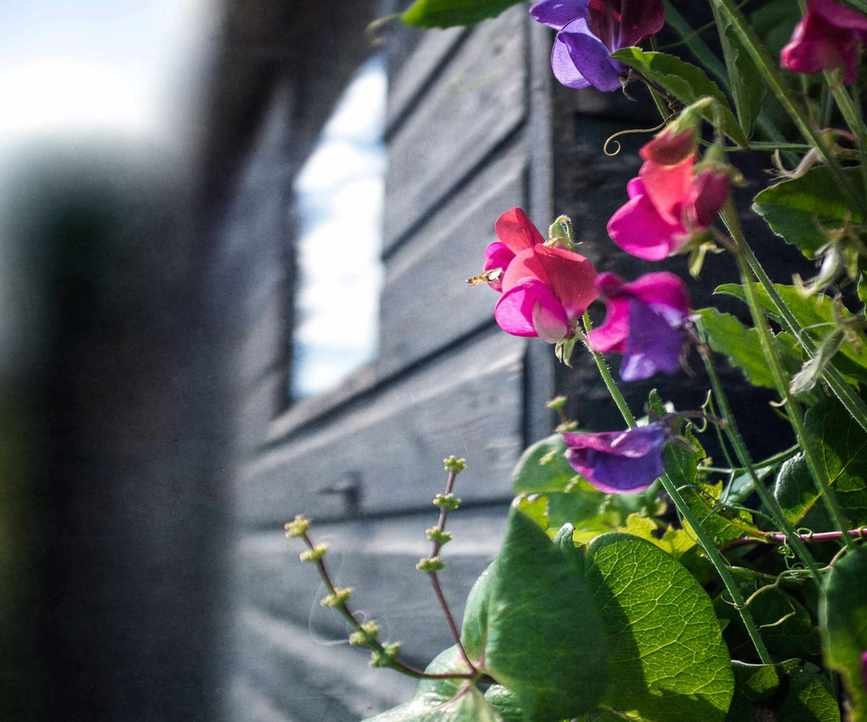
Beautiful sweet peas are a joy to harvest.
Harvesting Sweet Pea Seeds
Mastering sweet pea seed harvesting is an enjoyable and cost-effective way to propagate more plants. It's also a fun project for kids and budding gardeners, teaching them the art of seed saving for the next growing season.
1. Cease Flower Picking
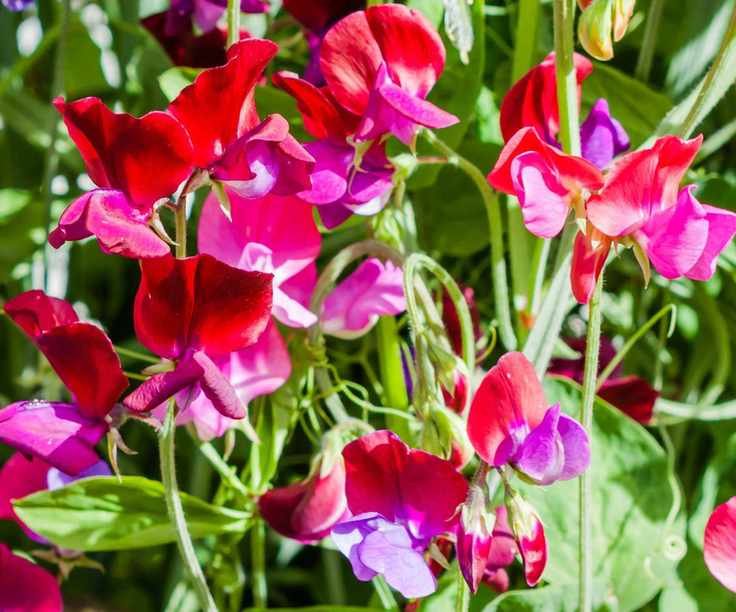
Resist the urge to keep harvesting; stop to allow pods to form.
To prompt your sweet pea plants to start producing seeds, refrain from deadheading the flowers as summer fades into fall.
This shift allows plants to focus energy on creating and ripening seed pods, halting further flower production as they prepare for reproduction.
2. Allow Plants to Seed
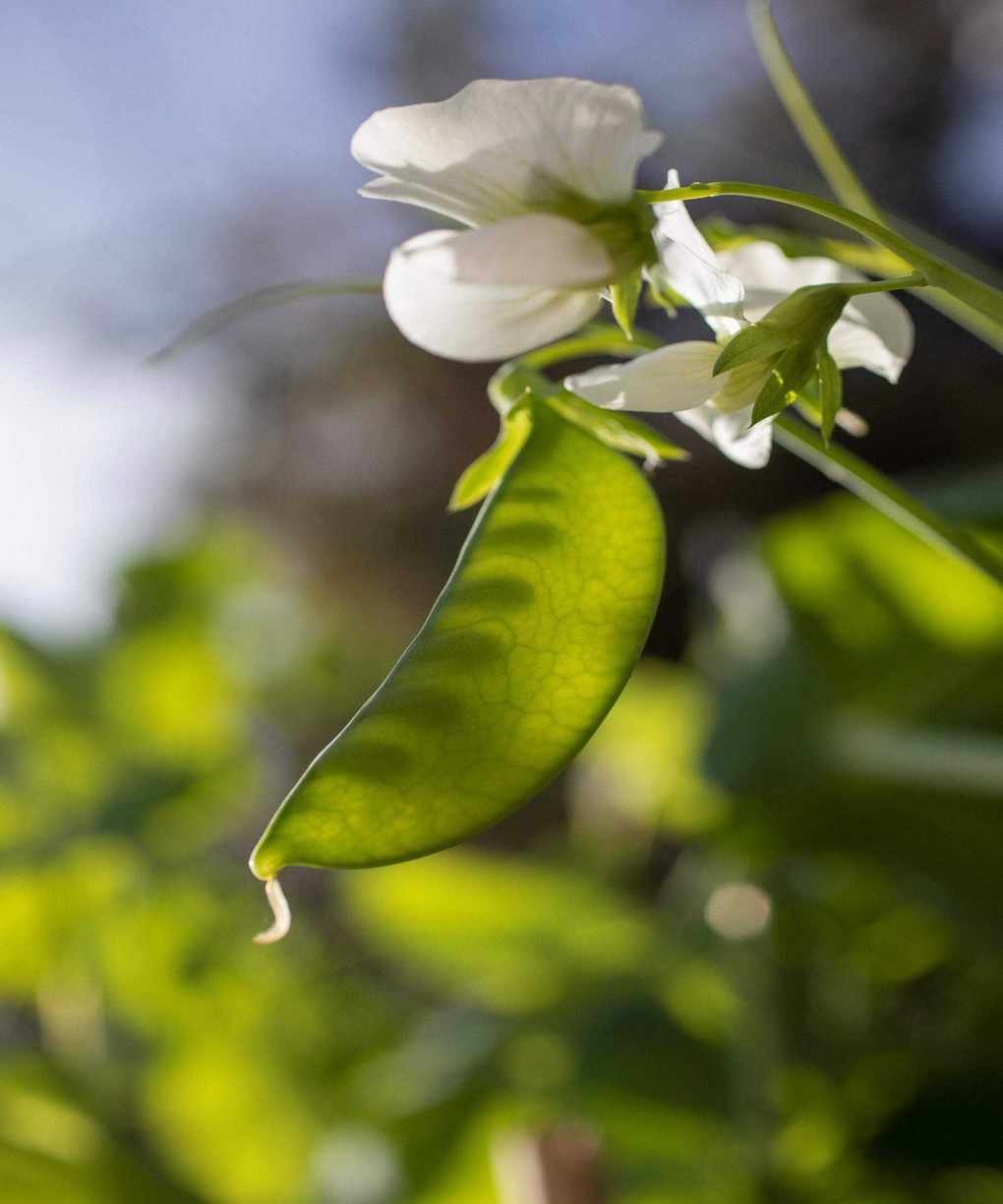
Once you stop picking flowers, seed pods will begin to form.
When flower picking ceases, the sweet peas will shift to seed production. The flowers will fade and pods filled with seeds will emerge.
Initially, the pods are flat and green, but they will grow larger and darker as they mature and the peas swell inside.
3. Harvest the Dried Pods
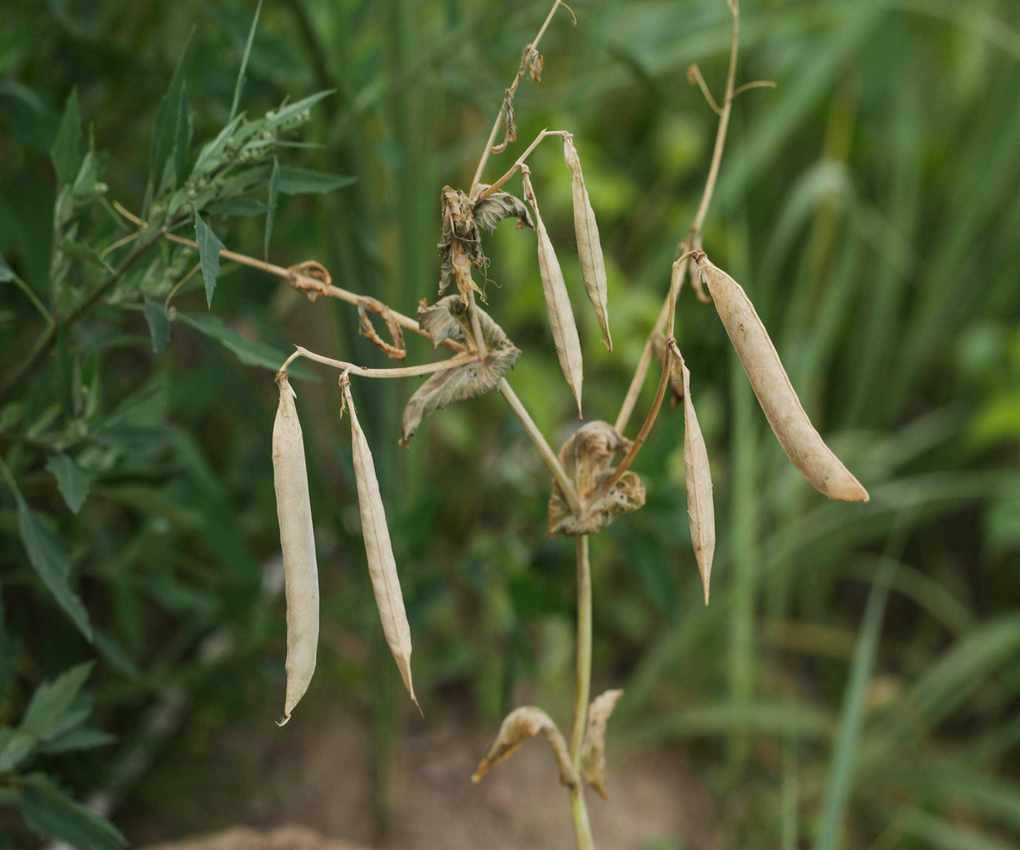
Collect sweet pea pods once they are dry, brown, and brittle.
When the pods turn brown and crispy, use sharp scissors or pruners to remove them from the plants carefully. I recommend these popular Fiskars Micro-Pruning Snips available from Amazon for their precision in tight spots.
Timing depends on your region and US hardiness zone. Aim to collect pods on dry days late in summer, as moisture can trigger germination or promote mold, a common mistake in seed storage.
Only gather seeds from healthy pods and leave any that appear soft or discolored.
4. Dry Pods Thoroughly
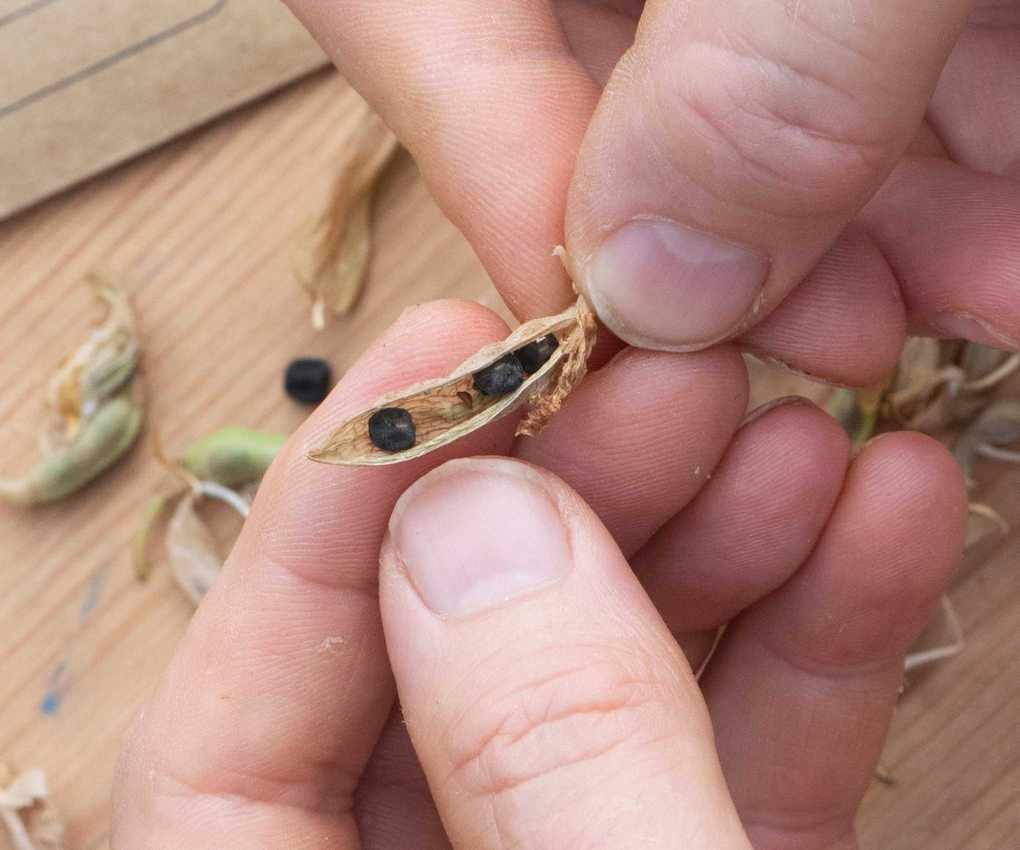
Handle ripe pods carefully; they may open with a gentle touch.
Place the pods in a dry area, like a cool cupboard, allowing them a few days to dry completely.
As they dry, some might crack open; gently squeeze or run a thumbnail along the seams to help release the seeds. Be cautious during this process.
5. Storing Seeds
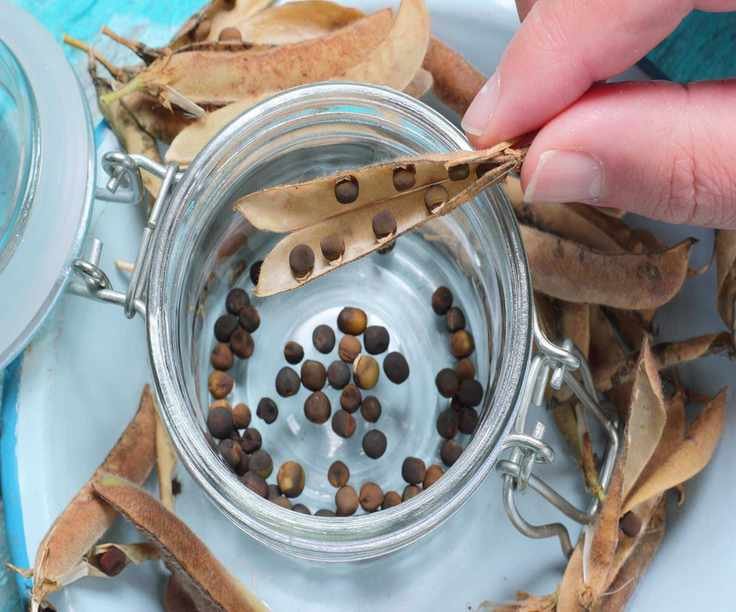
After drying, store seeds in a labeled jar or envelope.
If pods start splitting, encourage this by lightly running your nail along the seams, then transfer the seeds into a container.
You can also place dried pods in a paper bag and gently shake them to release the seeds over several days.
Once in a clearly labeled container, keep your seeds in a cool, dark, and dry place until you're ready to plant them.
Consider using attractive seed envelopes from Amazon for storage.
FAQs
What is the lifespan of sweet pea seeds?
Depending on the variety, sweet pea seeds can last two to three years if stored correctly.
Only heirloom seeds will produce plants true to their type; modern cultivars may yield different results, possibly leading to unique new colors!
When is the best time to plant sweet pea seeds?
There are two prime times for sowing sweet peas in the gardener's annual seed sowing schedule: in the fall and spring.
In the fall, plant seeds in pots kept in a frost-free location. Pinch them out when they reach 4-8 inches to encourage bushier growth and more flowers.
This also helps prevent mold and rot during the winter months. In spring, you can repeat this process or directly sow sweet peas into the soil once it warms up.
Protect seedlings from birds and rodents that might snack on them.
After harvesting sweet pea seeds, cut down and compost the plants. If they were grown in the ground, use the roots and stems as green manure, as they enhance soil health by fixing nitrogen during decomposition.



