
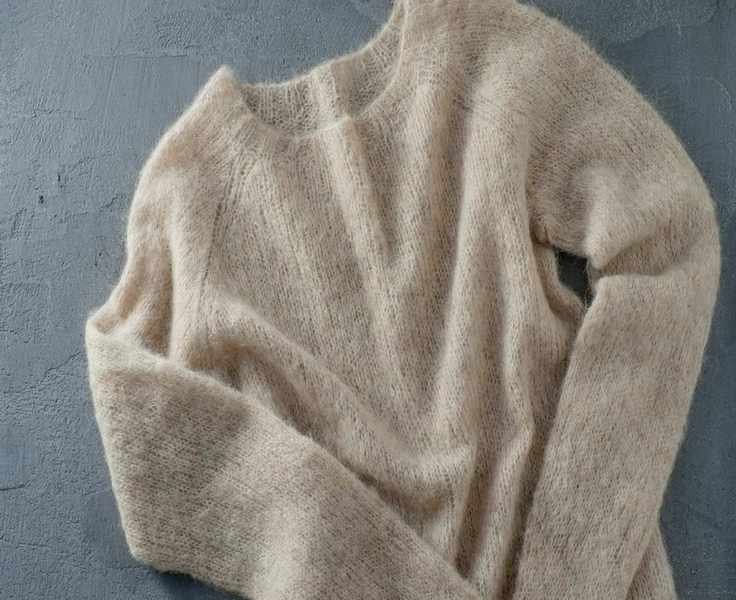
Wool sweaters can be a fantastic investment, offering warmth and longevity as winter essentials or summer layers during cooler evenings—unless they turn out to be unbearably itchy.
After ordering a wool sweater online without trying it on, I needed a solution to make it more comfortable. While it's not as straightforward as just doing laundry, my quick four-step method made it manageable.
Here's how to reduce itchiness in a wool sweater.
Steps to Reduce Wool Sweater Itchiness
With just two main ingredients and some effort, you can soften the rough texture of wool. This technique can also be applied to wool blankets, ensuring they stay cozy and itch-free.

You Will Need:
- Distilled white vinegar: available at Walmart
- High-quality silicone-free hair conditioner: like The Honest Company conditioner from Amazon
- A large ziplock bag or plastic wrap
- Cold water
- A towel
1. Soak the Sweater in Vinegar and Water
While vinegar in laundry is often used for odor elimination, it effectively softens the stiff fibers of wool too. This can also serve as a substitute for fabric softener, which may leave the sweater feeling sticky.
I mixed four tablespoons of white vinegar with enough cold water to fully submerge the sweater in a bowl, pressing it down to ensure all fibers were soaked. Remember, cold water is crucial to prevent any future unshrinking issues.
I let it sit for about 15-20 minutes.
2. Hand Wash the Sweater with Hair Conditioner
After soaking, I drained the vinegar solution and rinsed the sweater in my clean bathtub. The waterlogged sweater was heavy, making this step a workout! I pushed the water out against the tub's sides instead of wringing, which could distort its shape.
Once rinsed, I placed the sweater flat in the tub and applied a generous amount of hair conditioner, treating it like I would my own hair while washing it by hand. Using a quality conditioner avoids silicone residues that could harm the fibers.
After letting the conditioner sit for half an hour, I rinsed again, pressing out excess product and water.
3. Lay Flat to Dry on a Towel
When drying wool, it's essential to let it lie flat to prevent stretching. I placed my sweater on a dry towel on a drying rack, ensuring the sleeves were flattened to the sides. After a night, I swapped the wet towel and turned the sweater to dry the other side thoroughly. This process can take a while, but placing it near a warm area or using a dehumidifier can speed it up.
4. Freeze the Sweater Overnight
Once completely dry, I tightly wrapped the sweater in a ziplock bag and placed it in the freezer overnight. It felt odd to store an expensive garment next to frozen vegetables, but the cold helps keep the fibers from sticking out and irritating my skin.
If a ziplock isn't available, plastic wrap works too. I wrapped it securely and left it for about eight hours before bringing it back out to warm up.
Final Thoughts
Although this process took nearly three days, it significantly reduced the itchiness and made my sweater much more comfortable. I also noticed it shed less, so I wasn't leaving fluff around the house.
One wash was usually enough for the interior itchiness to subside, but if the exterior still bothers you, consider treating that side too or repeating the process for optimal softness.
FAQs
Why Is 100% Wool Itchy?
Itchiness in 100% wool often depends on the wool type. Coarser sheep wool can irritate the skin, while softer varieties like lamb's wool and merino feel gentler against the skin, especially when well cared for.
Can I Use Fabric Softener on Wool?
It's best to avoid fabric softener on real wool to prevent damage and residue that can hinder the fabric's natural ability to regulate temperature. Instead, diluted vinegar can be a better option.
This method worked wonders on my sheep and alpaca blend sweater, even if I received some odd looks for putting laundry in the freezer. For sweater care, aim to wash every five to ten wears.



