
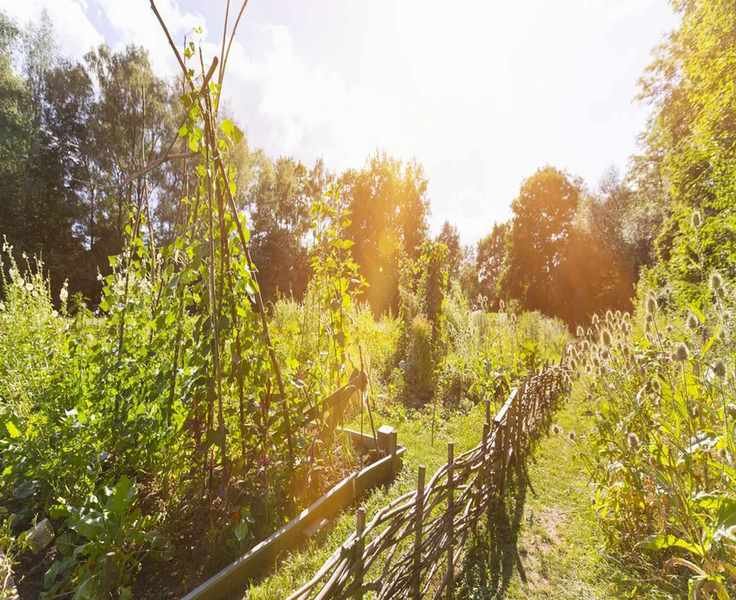
Designing a garden often involves prioritizing nature, but some may hesitate to embrace wildness fully. That's understandable.
A wildflower patch can be enchanting in bloom, but once the flowers fade, you might find yourself with an area that looks unkempt.
In a recent interview, professional forager and gardener Tama Matsuoka Wong shared valuable insights. She emphasized that if you make a wild area appear intentional, it can seamlessly integrate into your outdoor space.
Here, Tama offers an excerpt from her upcoming book, guiding us on how to create and style this wild patch.

Expert Tips for Enclosing Your Wild Patch
In her new book, Into the Weeds: How to Garden Like a Forager, available for pre-order on Amazon, she reveals how to revitalize a wild area in your yard.
Creating an Enclosed Wild Patch
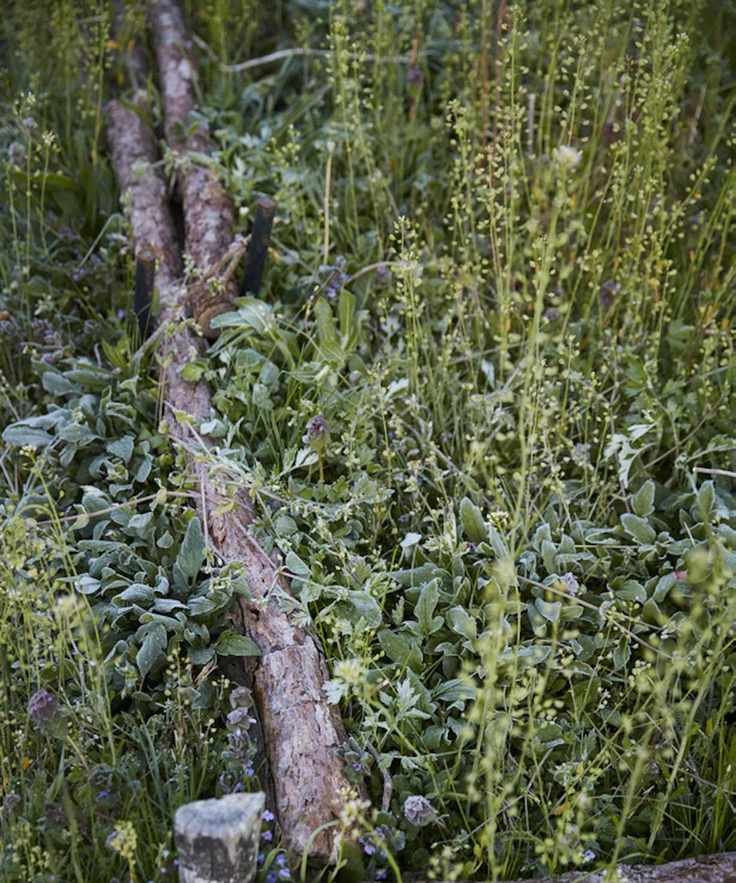
Utilize an unkempt patch that shows potential or an area that's difficult to maintain. You might find dandelions, chickweed, or milkweed growing there already.
A friend of mine in the suburbs wanted a wild area, but her husband wasn't keen on anything that looked messy. She chose a 15-square-foot section tucked away from the main yard, which worked perfectly as an extension of her existing vegetable or ornamental bed.

Tama Matsuoka Wong is a wild food forager, author, and gardener located in New Jersey. Her deep understanding of wild produce informs her culinary expertise, supplying top restaurants in New York City.
Why Start Small?

In the initial stages, the area holds great potential, so avoid making permanent changes until you see how it develops. I recommend testing the waters since plants often thrive where they find their niche.
Marking off the area is wise, as you might encounter one or more of these scenarios:
- During winter, I may forget its location, causing it to be lost.
- Family members or friends might accidentally trample on it.
- Whoever mows the lawn could inadvertently cut it down to match the surrounding area.
I outline sections with interesting plants like yarrow, wild spearmint, or wild ginger. Use visible barriers such as fallen branches, vines, or small trunks to define the space. I prefer young pitch pine and juniper to create a boundary outline.
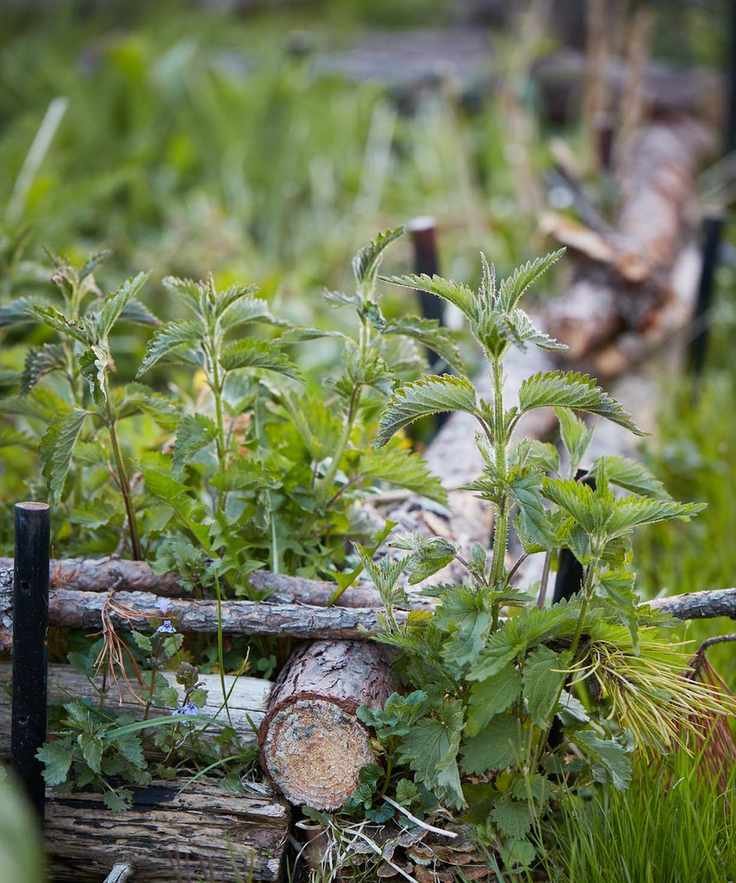
As growth begins, I build a sturdier enclosure with available materials. The structure can be as tidy or rustic as you prefer. I can easily adjust the posts to reshape or resize the area based on how the plants are progressing.
This project will allow for an enclosure measuring 9 feet / 2.74 m long by 11 feet / 3.35 m wide.
Materials You'll Need:
- 2–4 branches or sapling trunks for length, each 9 feet / 2.74 m long and 2 inches / 5.08 cm in diameter
- 2–4 branches or sapling trunks for width, each 11 feet / 3.35 m long and 2 inches / 5.08 cm in diameter
- 24 steel rebar pins, 18 inches / 45.72 cm long and 3/4 inch / 1.9 cm in diameter, with pointed ends
- Hammer or mallet
Begin by laying four sapling trunks (two of each length) on the ground to form a rectangle.
Place six pins diagonally across each trunk, ensuring three pins are on each side. Hammer them into the ground, securing the trunk in place.
Leave about 24 inches / 60.96 cm between the pins. If a pin encounters a rock or root, simply shift it slightly. This method is quite forgiving. Repeat for the remaining trunks.
Stack the second set of saplings atop the first, adjusting the pins as necessary to stabilize the structure and prevent rolling.
Start with at least two sapling trunks on each side, and continue to add as you gather more materials.
Excerpted with permission from Into the Weeds by Tama Matsuoka Wong; published by Hardie Grant Publishing, March 2024; RRP $32.50 Hardcover.



