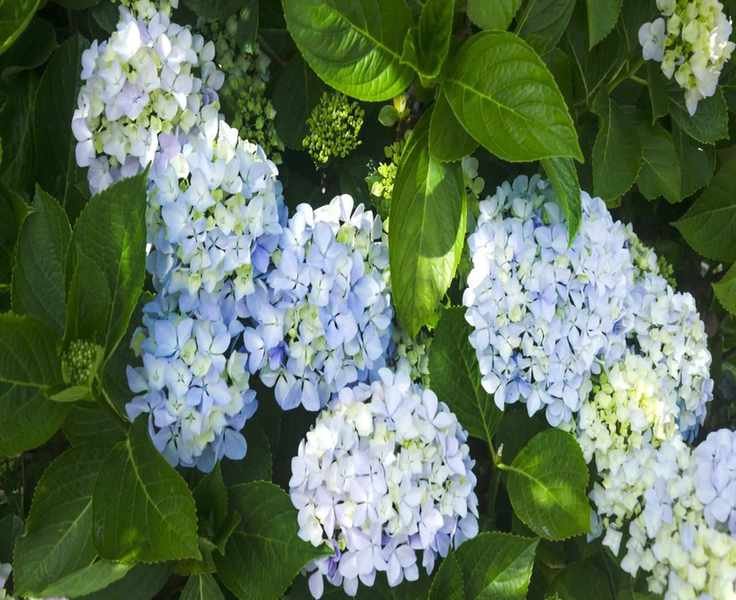
Mophead hydrangeas are a breeze to grow and require minimal pruning to achieve stunning blooms every summer. With just a gentle trim, you can enjoy impressive displays of large flowers year after year.
These hydrangeas (Hydrangea macrophylla) flourish in shaded areas that shield them from harsh summer sunlight, which is particularly crucial in warmer regions. Regular watering during dry spells also supports their health.
Although pruning is minimal, some care each year helps them thrive. Therefore, understanding when and how to prune hydrangeas is essential for maintaining their health and ensuring a vibrant bloom display.
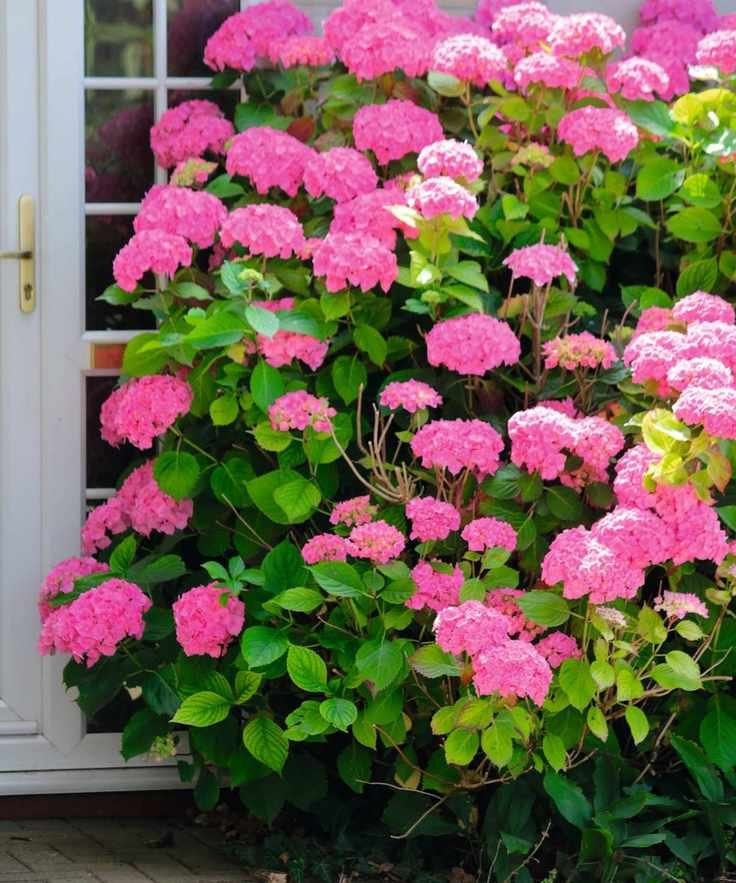
Proper pruning of mophead hydrangeas guarantees impressive blooms annually.
Pruning Mophead Hydrangeas: An Overview
Mophead hydrangeas are among the most favored varieties and are commonly chosen for landscaping. Their easy maintenance, reliable blooming, and fast growth make them a popular choice. Pruning is straightforward, requiring only a light touch.
Ideal Timing for Pruning Mophead Hydrangeas

Timely pruning supports the health of mophead hydrangeas.
Many pruning errors arise when different types of hydrangeas are pruned at the wrong times since they bloom on either new or old wood.
Mophead hydrangeas primarily bloom on old wood, with buds developing the previous year. However, newer cultivars may also bud on new growth. So, when should you prune?
The best time to prune mophead hydrangeas is in late winter or early spring, just before new growth begins and leaves start to unfurl. A light trim at this stage shapes the shrub while preserving the buds. As a deciduous plant, its bare form is easy to assess, and leaving last season's faded blooms protects the buds from frost.
In contrast, other hydrangeas that flower on old wood, like oakleaf hydrangeas, are pruned after summer blooms. Because mopheads need only a gentle touch, they can be pruned in spring without hindering that season's flowers.
Pruning mophead hydrangeas is akin to pruning Annabelle hydrangeas or limelight hydrangeas, both of which bloom on new wood. These varieties should also be pruned in late winter or early spring before buds break.
Pruning mophead hydrangeas in summer or fall is a mistake. Late summer pruning risks removing buds for the following year's blooms, while fall pruning not only removes buds but can also stimulate new growth that frosts will damage. Avoid cutting back in fall.
Steps for Pruning Mophead Hydrangeas
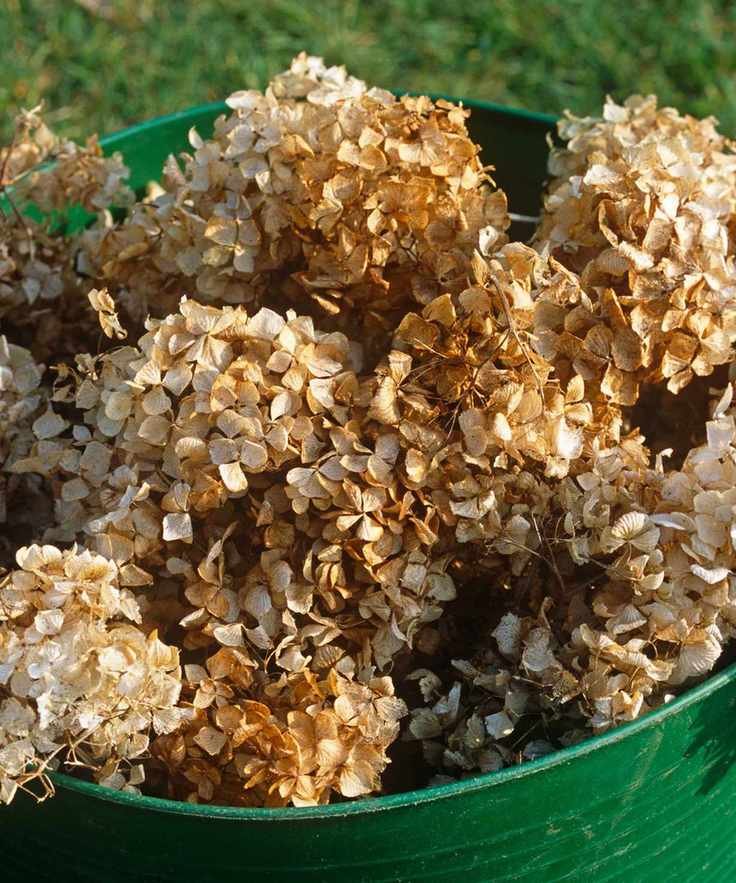
Dispose of old flowerheads from pruning mophead hydrangeas to create compost if they are disease-free.
Pruning mophead hydrangeas is quite simple. They only require a light annual trim to stay healthy and showcase beautiful blooms.
Start with clean, sharp pruning shears and deadhead all the old flower heads, cutting just above a pair of buds to avoid removing any new flower buds. Though it may take time to trim each stem back to the first set of opening leaves, the effort pays off with stunning flowers.
Inspect the shrub and eliminate any dead, damaged, or crossing stems, cutting them back to the base. This helps improve air circulation within the plant.
These two steps are often enough. For older mophead hydrangeas, consider removing one or two of the oldest stems to the base to rejuvenate the plant. Stems growing in unwanted directions or too low can be entirely removed.
If a mophead hydrangea has been neglected, it can be cut back to the base, but this will mean a year without blooms. A better approach is to prune one-third of the oldest stems each year as part of a longer-term rejuvenation strategy.
A pair of quality Japanese pruning shears with a high-grade steel blade and handles coated in vinyl for a non-slip grip. A perfect garden tool for a wide range of pruning tasks.
FAQs
Should You Deadhead Mophead Hydrangeas?
Deadheading mophead hydrangeas is not necessary throughout the flowering season. Unlike roses and other summer-blooming plants, deadheading these hydrangeas won't prompt another round of blooms.
It's best to leave the blooms until spring; dried hydrangea flowers enhance a winter garden and protect the buds from cold. If the brown flowers are unappealing, consider removing them at the end of summer.
Knowing when to prune hydrangeas is crucial for keeping these lovely shrubs healthy. Whether they're part of your flower bed or grown in pots, always identify the type of hydrangea before reaching for your pruning tools. This knowledge can prevent mistakes that result in a year without blooms or jeopardize the shrub's health.