
Color psychology often gets overlooked, yet it plays a crucial role in our mood and wellbeing. Selecting shades that align with the room's light and orientation is essential.
Opting for colors that uplift our spirits can lead to real benefits. A thoughtful color choice can boost motivation, instill confidence, soothe nerves, and improve focus. Therefore, making the right color selections is vital when decorating your living space.
Here, fabric and wallpaper designer Vanessa Arbuthnott shares eight popular colors from her collections, detailing their mood effects and the best rooms for their use.
Color Psychology in Home Design
These interior design insights on color psychology are all about the positive. Consider the mood you want to foster in the room and choose a hue that complements the natural light. Generally, cooler colors suit south- and west-facing spaces, while warmer tones are ideal for east- and north-facing areas.
Enhance Focus with Blue
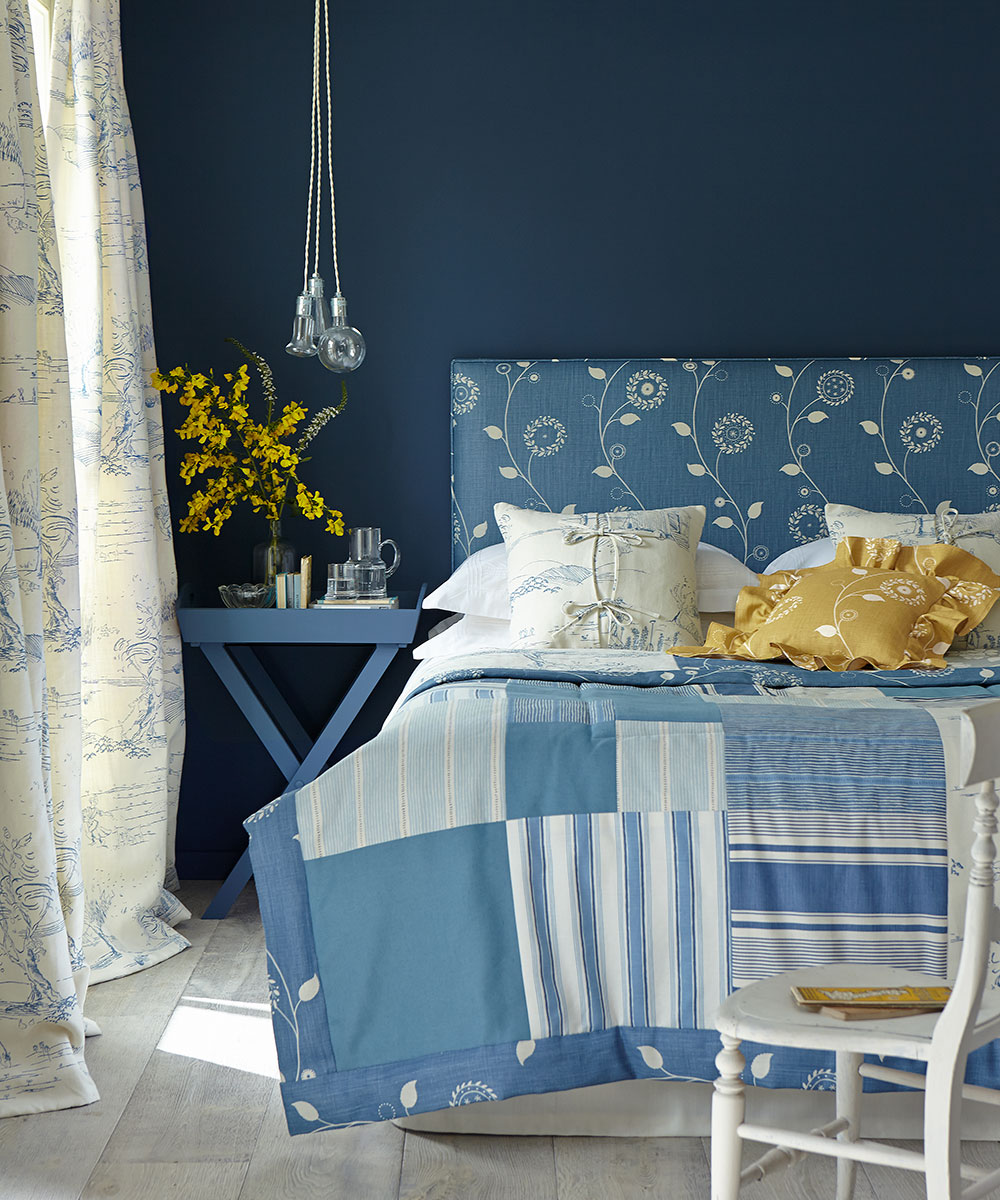
Studies show that students exposed to blue before exams perform better, making this color an excellent choice for bedrooms or studies. However, too much blue can feel cold and uninviting—balance it with warm shades like yellows and creams.
- Explore: Blue room inspiration – refreshing ideas for blue in your home
Find Tranquility with Green
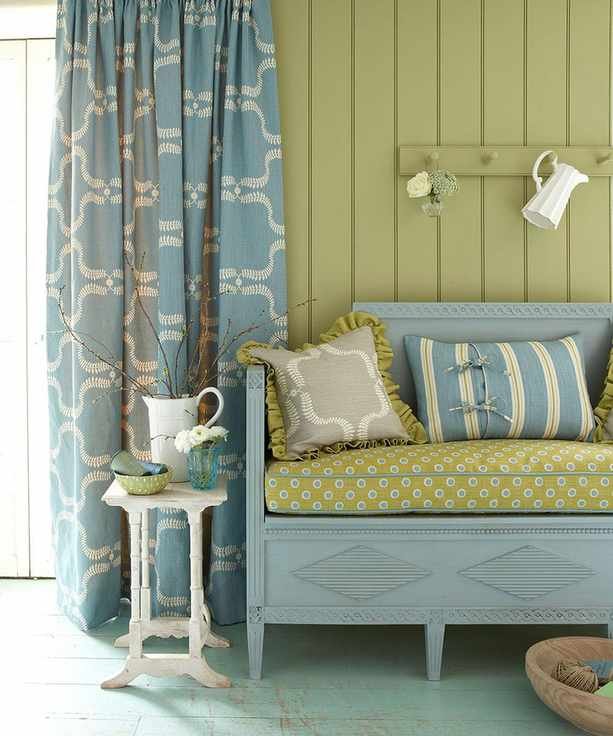
Green evokes nature, balance, and prosperity, making it a favorite in relaxing spaces like bedrooms and living areas. Yet, too much green can trigger envy, so mixing it with blues or soft pinks is advisable.
- Explore: Green room inspiration – beautiful ideas for nature-inspired spaces
Embrace Optimism with Yellow
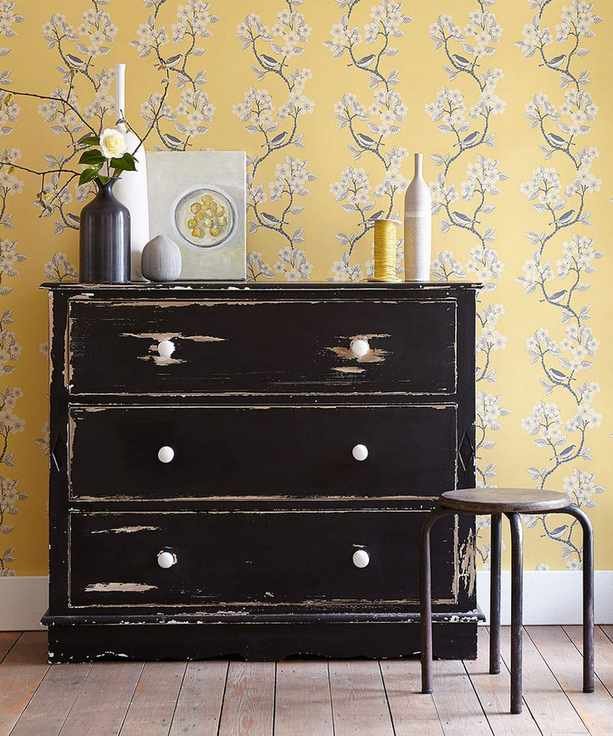
Yellow is linked with happiness and boosts optimism and energy. However, excessive yellow can lead to distress, with babies reportedly crying more in yellow rooms. It's best to use this shade in lively kitchens and dining areas.
- Explore: Yellow room inspiration – effective ways to brighten your space
Welcome Guests with Orange
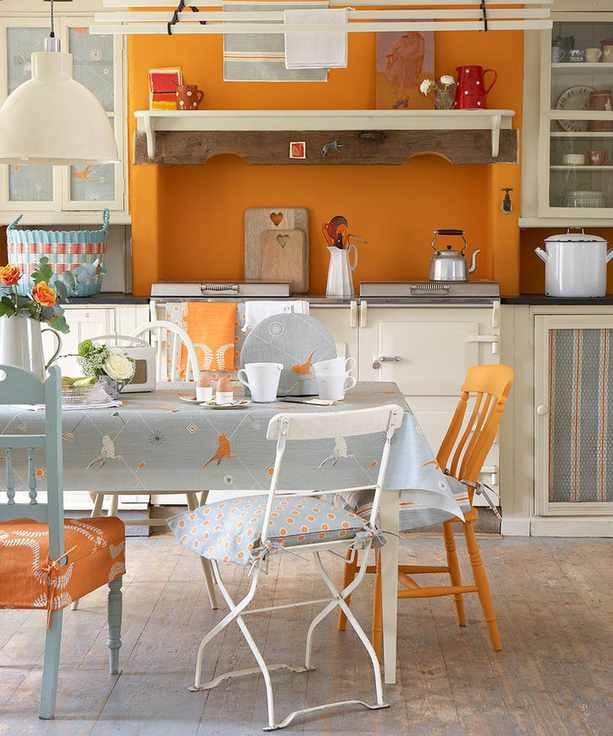
Though not everyone's favorite, orange is a friendly color, often found in gyms and active wear because of its energetic qualities. Utilize it in kitchens and hallways to create a warm atmosphere for guests.
Ignite Passion with Red
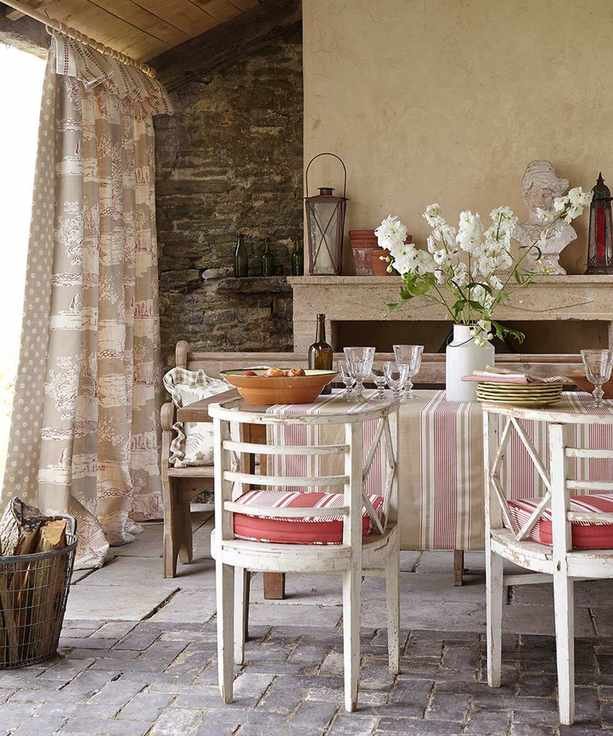
Red symbolizes passion and adventure, elevating energy levels and encouraging conversation. It's frequently used in food branding to stimulate appetite, making it ideal for dining areas. However, it's best avoided in bedrooms due to its potential to increase heart rates.
Promote Calm with Pink
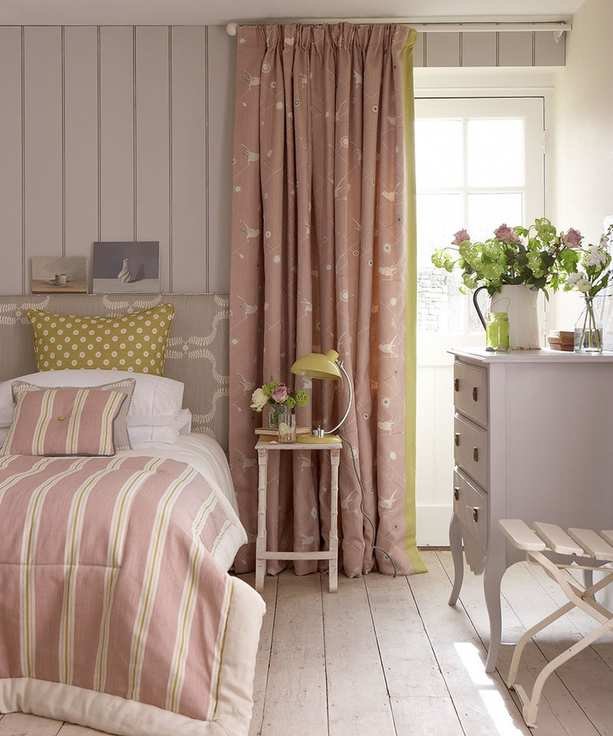
Known for its calming properties, pink can alleviate anger and frustration. Opt for pastel shades in children's rooms or deeper tones for a sophisticated look. Balancing pink with accents of black and gray can prevent any negative connotations.
- Explore: Pink room inspiration – fresh and warm ideas for your space
Uplift with Lilac
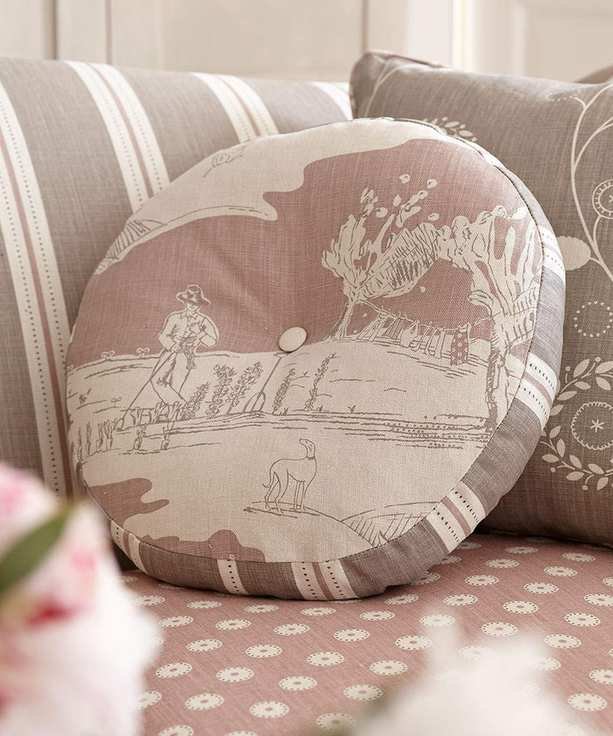
Lilac is associated with spirituality and serenity, making it a soothing choice for bathrooms or bedrooms. To avoid a dreary atmosphere, incorporate brighter hues alongside lilac.
Explore: Neutral room inspiration – classic ideas with color
Project Authority with Black or Grey
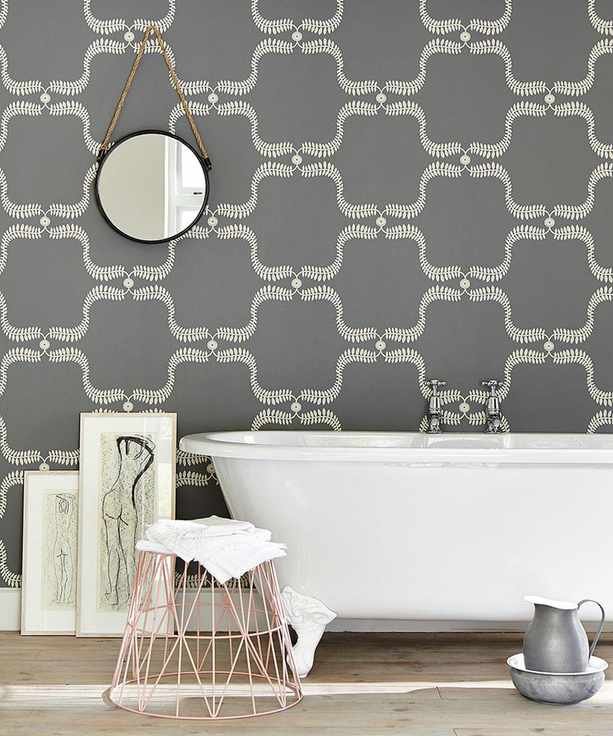
Black may not be the first color you think of, but it signifies self-discipline and independence, projecting strength and authority. Use it sparingly, as too much can lead to negativity. Accent with grey for a more balanced approach.
For additional color ideas, reach out to Vanessa Arbuthnott.



