
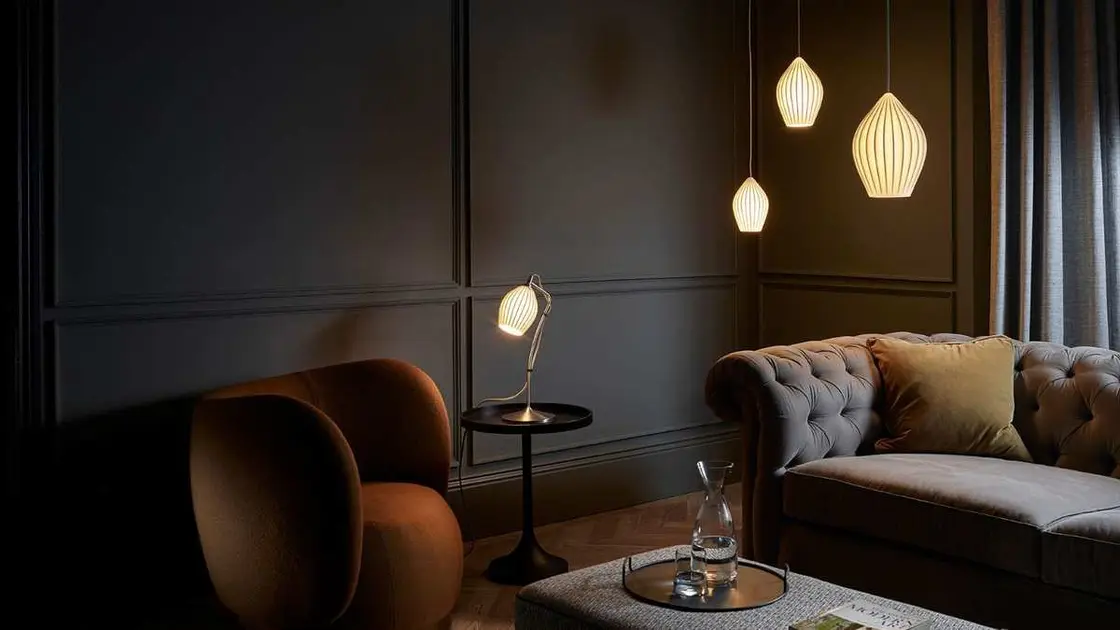
Selecting the right lighting for your home goes beyond just picking a stylish fixture. Experts emphasize that the right lighting temperature is even more vital.
Light is essential for color, meaning lighting can transform your space just as much as your wall color. It's crucial to make informed choices when selecting bulbs, rather than simply choosing what looks good.
Lighting professionals break down the fundamentals of lighting temperature, helping you make the right selections every time.
Basics of Lighting Temperature
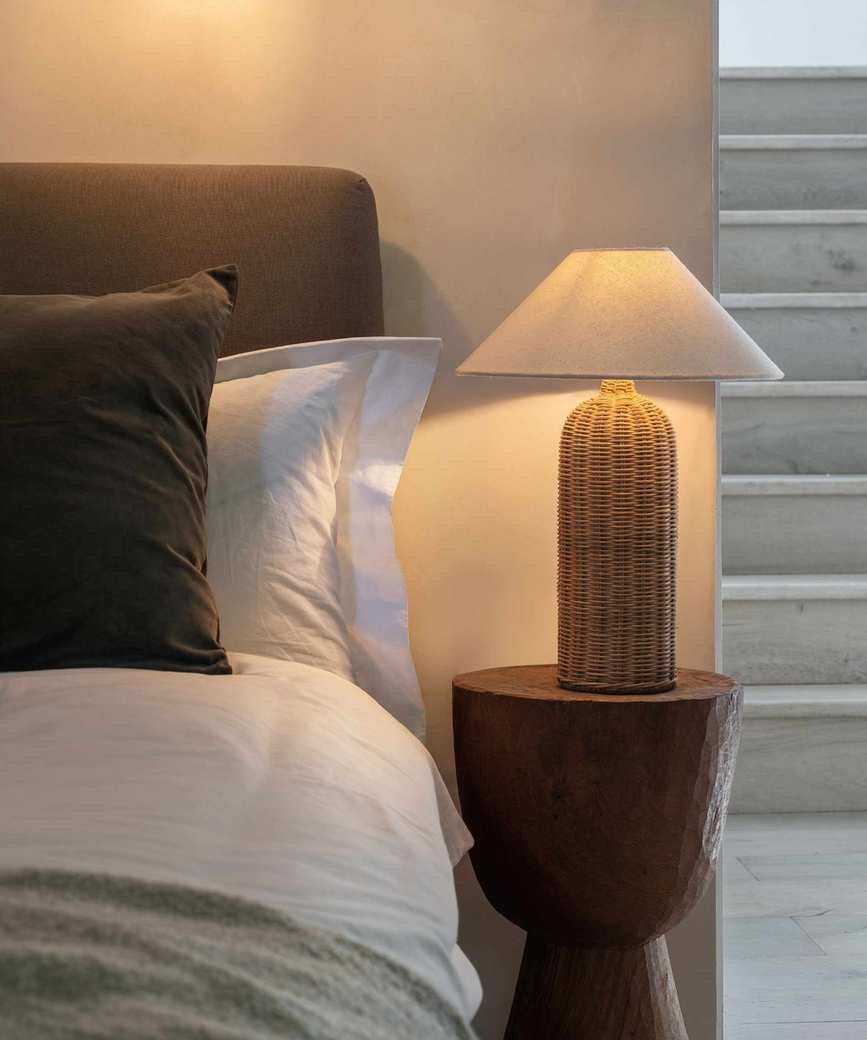
The ideal lighting temperature for a room often depends on its function and location in your home. While it's easy to label one light as cold and another as warm, understanding Kelvin scales and wattage can complicate things, especially when bulb packaging varies.
“When people hear 'temperature,' they typically think of Fahrenheit or Celsius, which relate to heat. However, light temperature refers to the color of the light,” explains Robert Soler, Ph.D., co-founder of BIOS Light and an expert in circadian lighting. “Terms like 'red hot' and 'white hot' reflect this concept.”
“Kelvin measures light color, similar to Celsius. Lower Kelvin values indicate redder light, while higher values indicate whiter or bluer light,” Robert continues. “For instance, 2200K resembles a campfire, 2700K is akin to an incandescent bulb, 3000K mimics a halogen bulb, and 5000K is very blue, often termed 'daylight.'”
Warm White: 2600K – 3200K
Cool White: >3200K – 4500K
Daylight: >4500K

Before joining BIOS, Robert Soler designed the first LED lights for the International Space Station (ISS) and worked with scientists on using LED lighting for biological purposes in space, including circadian lighting to help astronauts maintain their natural rhythms. He holds a Master’s degree from the Lighting Research Center at Rensselaer Polytechnic Institute and a Ph.D. in Behavioral Neuroscience from the University of California, San Diego.
Understanding Bulb Temperature vs. Wattage
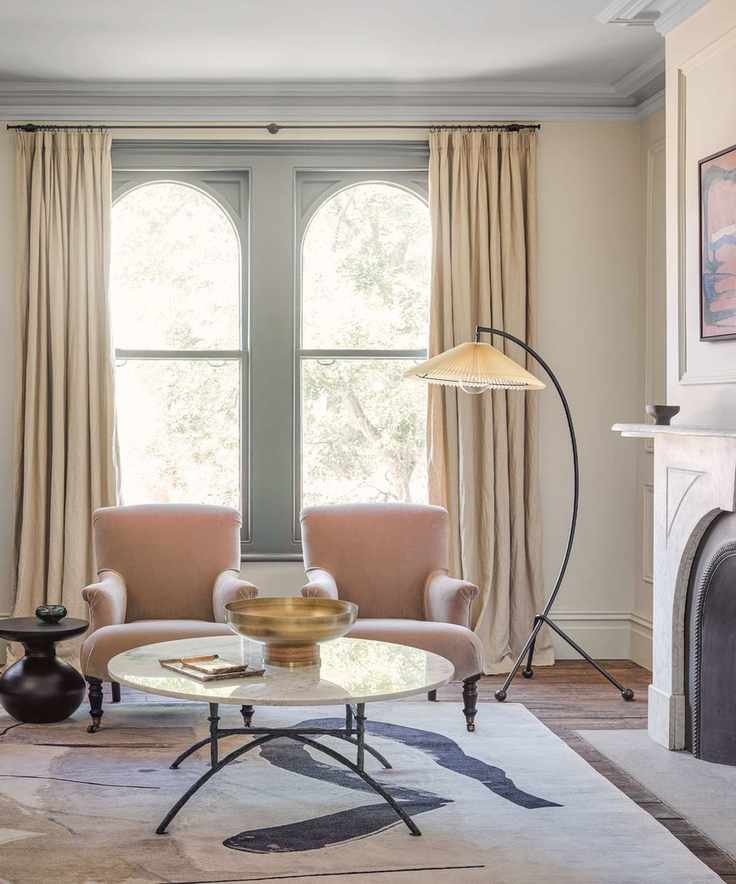
The front of a bulb package can appear overwhelming, but knowing the difference between Kelvin and wattage can prevent disappointment when you return home.
“In simple terms, temperature indicates light color, while wattage denotes energy consumption,” explains lighting expert Robert Soler, Ph.D. “However, many bulbs also indicate wattage equivalence, which refers to brightness.”
“For example, a 60W equivalent bulb matches the brightness of a 60W incandescent bulb but may only use eight watts.”
Choosing Lighting Temperatures for Your Home
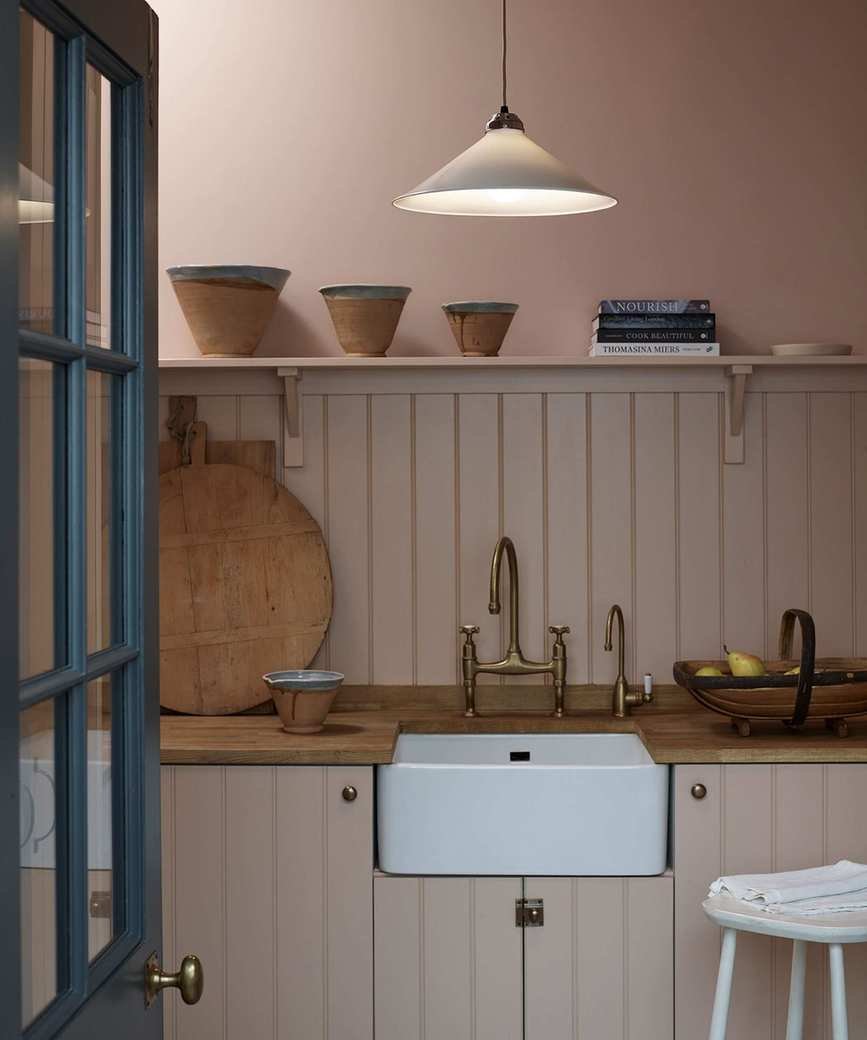
Typically, when lighting a space, you have specific goals in mind. For instance, you might want to create a cozy living room or find the ideal kitchen lighting for food preparation and entertaining. Knowing which temperature is best for each purpose helps achieve these objectives easily.
“For task lighting, a cool white or daylight bulb with a temperature between 5000-6500K is perfect, as it offers bright, clear light ideal for detailed tasks,” shares Artem Kropovinsky, designer and founder of New York-based studio Arsight.
Task lighting is crucial in every room, from bathroom lighting to kitchen lighting. Even bedroom lighting should include task lighting for activities like makeup application or reading before bed. “For studying or reading, a bright white bulb with a temperature of 4000-5000K is ideal, as it provides sharp, clear light that minimizes eye strain,” Artem adds.

Artem Kropovinsky has extensive global design experience and founded Arsight. He has worked on various projects in the U.S. and internationally.
Rules for Layering Lighting

Layering lighting is essential in design. Besides task lighting, each room should incorporate ambient, decorative, and accent lighting as well. “For ambient lighting, a warm white bulb with a temperature of 2700-3000K is optimal, creating a cozy atmosphere,” Artem notes. “In dining areas or kitchens, a warm white or soft white bulb in the same range fosters an inviting environment.”
Decorative and accent lighting can be more flexible in temperature choice. When designing living room lighting, decorative lighting can enhance the mood, aiming for warmth and comfort while harmonizing with other temperatures to avoid a stark contrast. Accent lighting, used for highlighting art, should provide an even glow to illuminate the featured piece.
BSOD LED Magic Bulb | $18.99 at Amazon
This compact rechargeable bulb can be effortlessly added to any lamp or sconce, providing extra decorative light without the need for hard wiring.
Lighting for Wellness in Your Home
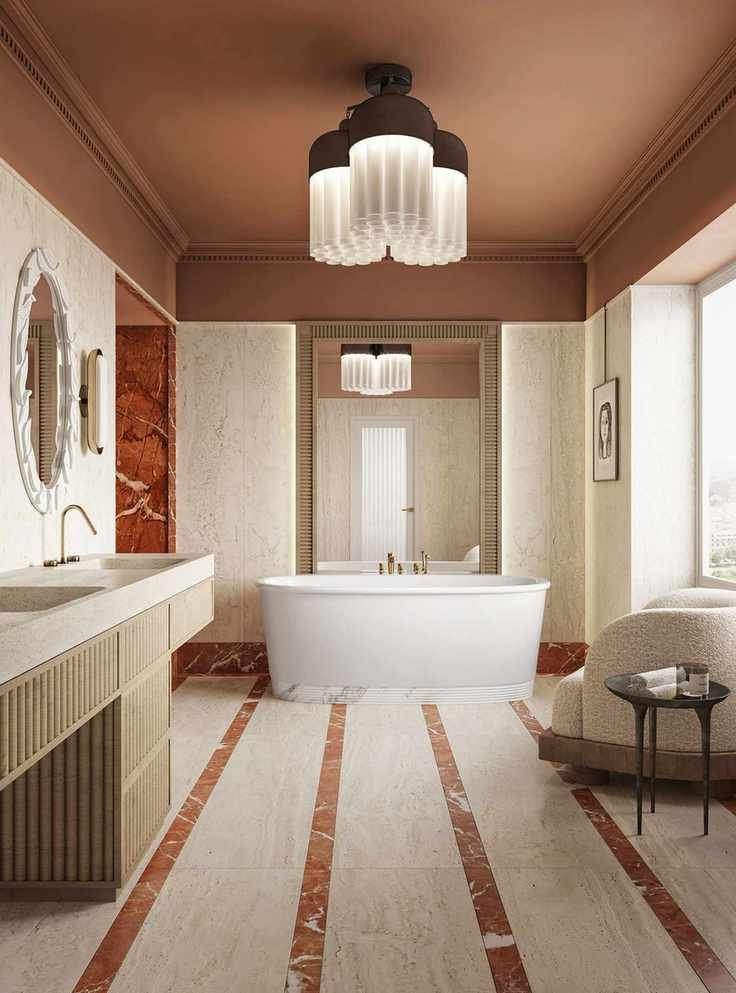
Project by That Home Studio
Similar to many recent interior design trends, lighting trends are focusing on wellness and creating spaces that enhance our well-being. Proper lighting significantly affects our mood and health, making it vital to get it right.
“Our bodies react to different light temperatures as signals for various energy levels and activities,” explains Robert Soler. “From a biological standpoint, the aim is to mimic the balance of sunlight and sky.”
“Bluer light in the morning (resembling a clear sky) helps energize you for the day. Bright, cooler tones during the day signal alertness and increase productivity, making them ideal for home offices or focused tasks.”
“As evening approaches, transition to warmer tones to prepare for sleep. Personally, I prefer 1800K to 2200K.”
Philips Hue White Ambiance Bulb |Was $44.99, Now $39.99 at Amazon
These smart bulbs can be managed via your smartphone or smart home devices, offering a range of temperatures from warm white to daylight in one bulb.
Three Main Color Temperatures in Lighting
The primary color temperatures for bulbs are:
- Warm light between 2700K-3000K, perfect for living rooms and bedrooms to create a relaxing atmosphere.
- Cool white between 3000K-5000K for task lighting in functional areas like kitchens and bathrooms.
- Daylight between 5000K-6000K, suitable for spaces requiring clear visibility, such as around vanity mirrors for makeup application.
Four Types of Lighting
There are four main categories of lighting: Ambient lighting for general room illumination, Task lighting for focused activities like cooking or reading, Accent lighting designed to highlight specific elements, and Decorative lighting, which enhances the aesthetic appeal of a space.



