
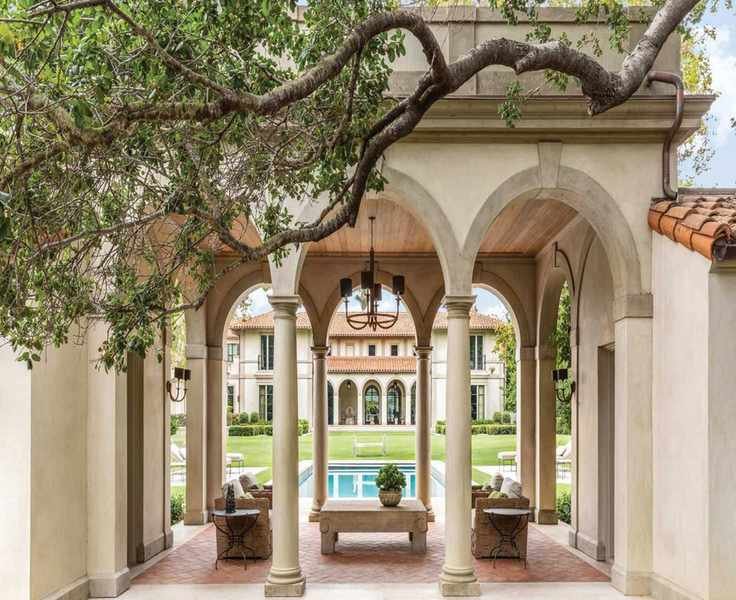
Tuscan architecture beautifully merges rustic charm with ornate details, drawing inspiration from traditional Mediterranean farmhouse designs. This style, which takes cues from Italy's historical buildings, offers a unique aesthetic that harks back to the Roman era.
In the United States, Tuscan-style homes are quite popular, particularly in warmer regions like California. The name 'Tuscan' reflects its roots in the Mediterranean, where this architectural form flourished amidst Italy's rural landscapes.
Featuring terracotta roofs, limewashed stone exteriors, and elegant wrought-iron accents, Tuscan-style homes invoke the classic beauty of architectural wonders found in central Italy.
The Origins of Tuscan Architecture
Though termed 'Tuscan', this style is an evolution of Italy's architectural traditions, brought to the U.S. in the late 19th century by travelers inspired by European aesthetics.
Historically, Tuscan homes were designed for hot climates, utilizing local materials like wood and stone to keep interiors cool. Robust roofs made of terracotta tiles and thick, lime-washed walls ensured durability.
Unlike the smaller, darker Mediterranean homes of the past, modern Tuscan-style houses in America are larger and more open, embracing features like airy layouts and decorative elements that reflect a lighter, contemporary interpretation.
Today's Tuscan residences maintain the use of traditional materials, with lavish additions like ornate stucco both on exteriors and interiors. Intricate ironwork can be seen in balconies, doorframes, and staircases, enhancing the architectural beauty.
Defining Characteristics of Tuscan-style Houses
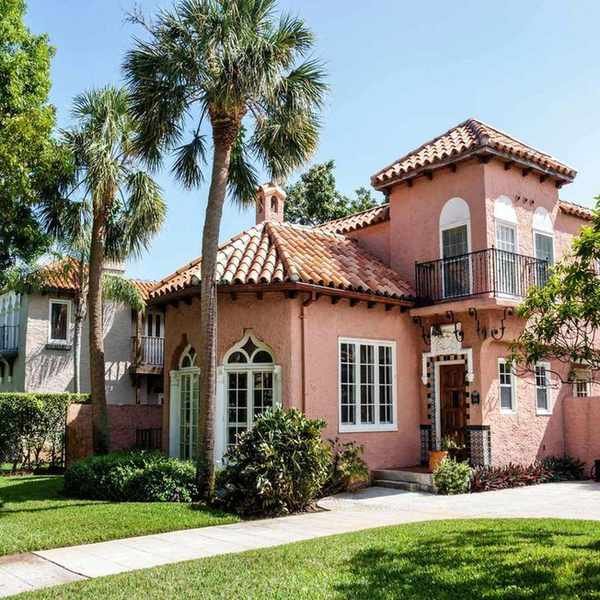
Tuscan architecture is distinguished by several key features. Architect Stephen Spandle notes that it often showcases rustic elements, including stone and brick walls typically coated in stucco, heavy wooden rafters, and terracotta tile roofs. Elegant casement windows with wooden shutters further enhance the style.
In the U.S., this style is characterized by natural materials like stucco and stone for walls, terracotta roofing, and wood accents. Thick walls provide effective insulation against temperature extremes.
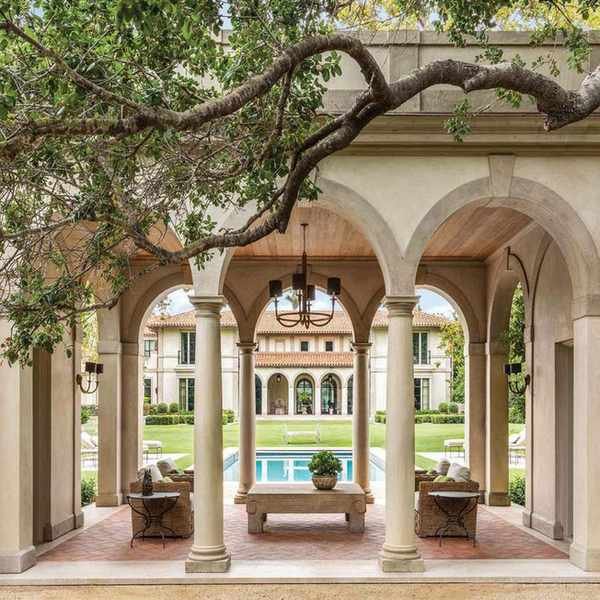
A Tuscan home often includes a Mediterranean garden, typically featuring loggias or courtyards. These outdoor spaces reflect the temperate climate, allowing for a seamless integration of indoor and outdoor living.
Interior Features of a Tuscan-style House
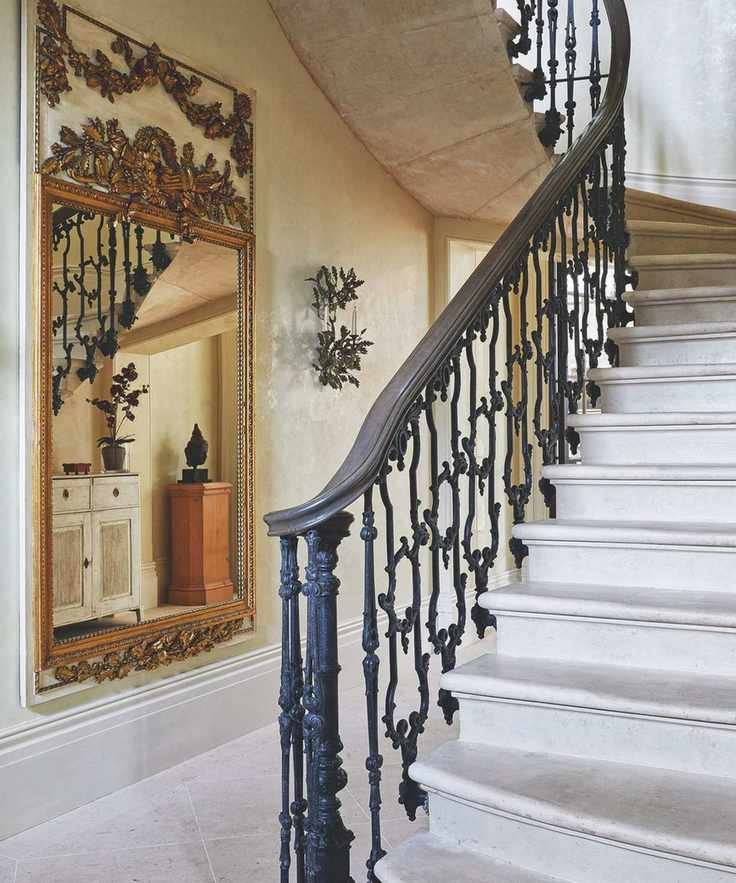
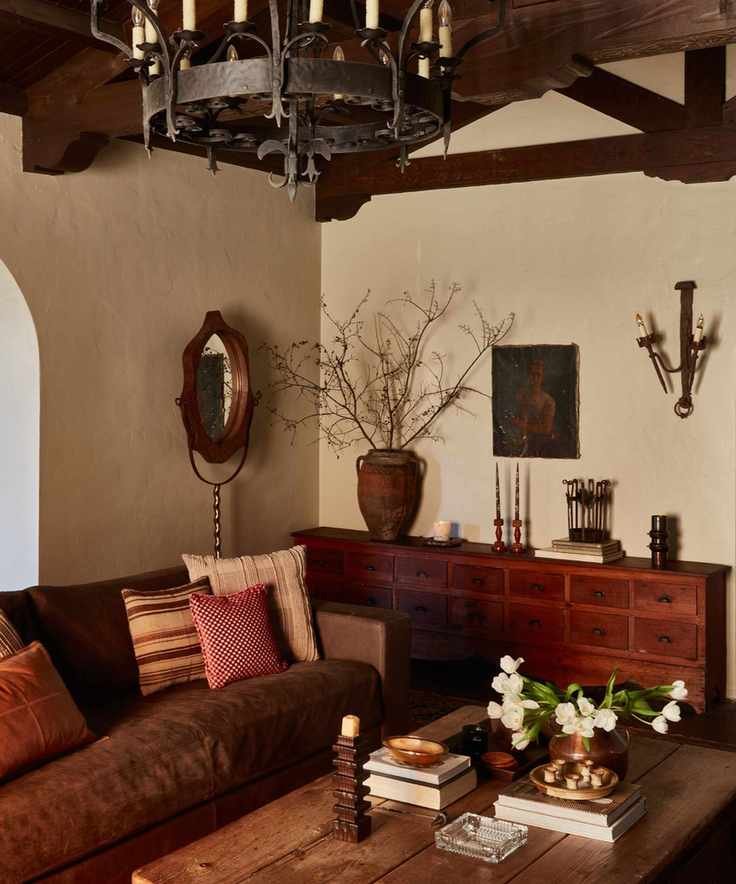
Interiors of Tuscan homes exude warmth with a rustic color palette and organic textures. Natural materials serve as a backdrop for Mediterranean decor, featuring limestone floors, terracotta tiles, and exposed wood ceilings.
Warm, earthy colors like ochres, terracottas, and muted greens create a sun-faded aesthetic. Decorative motifs include grapevines, olive branches, and sunflowers, enhancing the overall ambiance.
Furnishings lean towards a farmhouse style, incorporating solid woods, wrought iron fixtures, and plush seating with natural fabrics. Lighting often consists of warm-toned fixtures that complement the inviting atmosphere.
Textured walls may feature faux finishes, with architectural details like arched windows and exposed beams adding character to the space.
Tuscan-style homes blend grandeur with rustic charm, making them a staple in American architecture. They thrive particularly in warmer states like Arizona, Florida, and California, where their Mediterranean-inspired designs flourish.



