
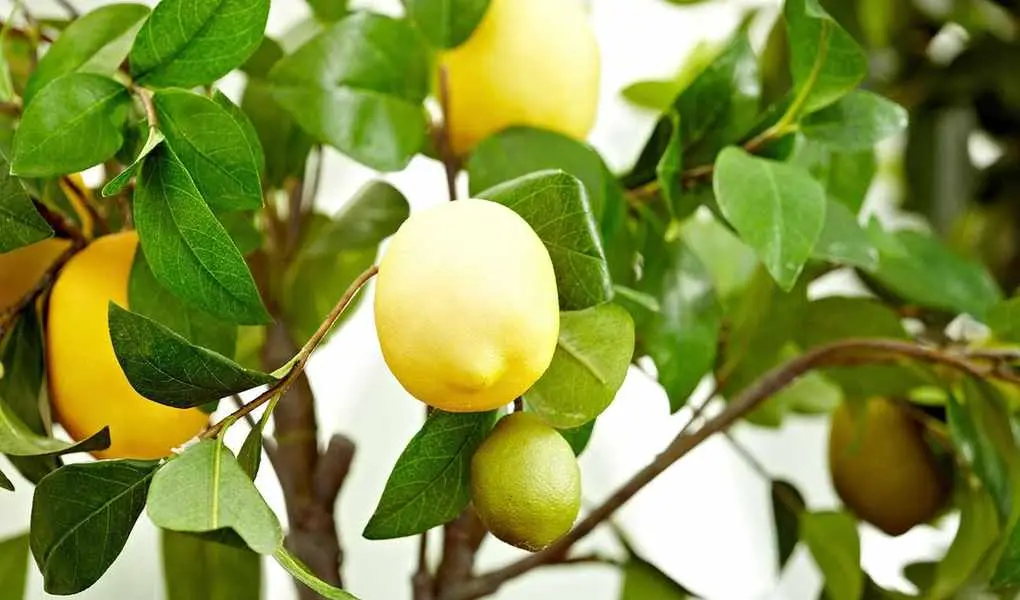
You can successfully cultivate a lemon tree indoors if you provide the right conditions. While typically found outdoors, these citrus trees can flourish inside your home.
With their delightful fragrance from flowers and fruit, lemon trees can enhance your living space. If cared for properly, they can yield fruit year-round.
Light is crucial for citrus care indoors. Position your lemon tree where it can soak in natural light, rewarding you with beauty and delicious fruit.
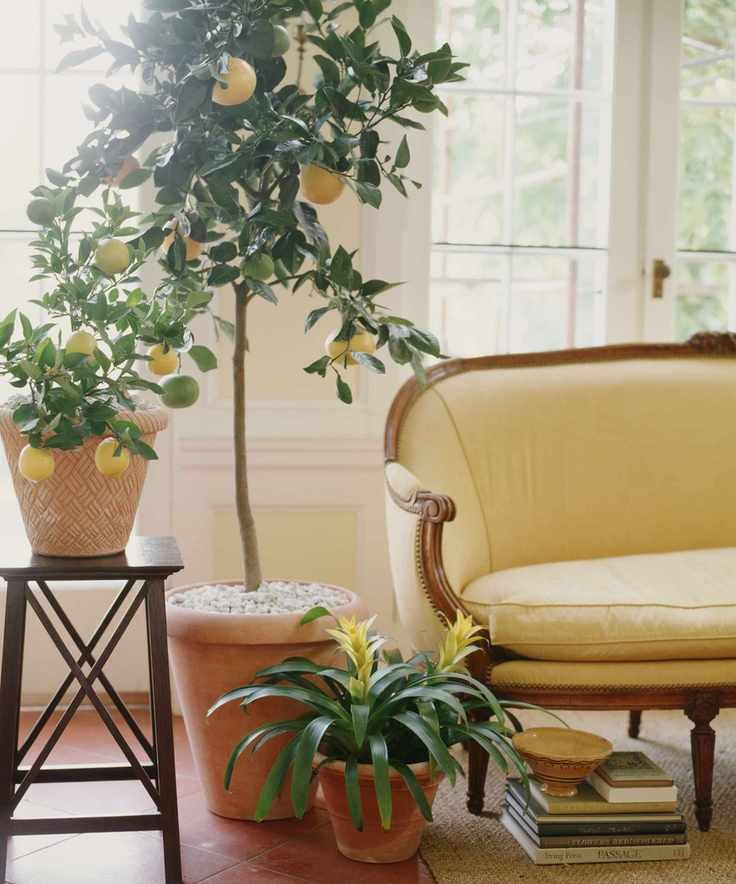
Find a bright and warm spot for your lemon tree.
Can Lemon Trees Thrive Indoors?
Lemon trees rank among the most suitable fruit trees for pot cultivation, bringing a touch of a Mediterranean vibe into your home. Understanding the importance of light is key to successfully growing these trees indoors.
For optimal growth, lemon trees require 10-12 hours of sunlight, which you can supplement with artificial grow lights during winter if needed. Insufficient light is a common issue, but using grow lights can help. A good option is the LORDEM Grow Lights from Amazon, featuring an extendable tripod stand.
Place your lemon tree in a sunny area that receives ample natural light. A sunroom or enclosed porch works well, while smaller varieties can thrive on bright windowsills. Keep them away from heating ducts or air conditioning units, as temperature extremes can harm the tree.
Experienced gardener Tony O'Neill suggests: 'A south-facing window with plenty of sunlight is perfect for indoor lemon trees. Maintain temperatures between 55-85˚F for healthy growth.'
Be aware that lemon trees can be harmful to pets due to phototoxic compounds, so ensure they're out of reach if you have dogs or cats.

Caring for Your Indoor Lemon Tree
To grow a lemon tree indoors, you'll need a sizable container, ideally 12-15 inches in diameter, filled with a citrus-friendly potting mix. The soil should drain well, with a slightly acidic pH between 6-6.5. You can buy specific citrus potting mixes or create your own using homemade compost mixed with vermiculite, peat moss, or coco coir. For acid-loving plants, consider using coffee grounds or mulching with pine needles or oak leaves.
Keeping windows clean is essential to maximize light for your lemon trees. Gardening expert Graham Rice recommends ensuring the trees receive ample light, especially as days shorten in winter.
Watering requires attention, as the routine changes with the seasons. Feel the soil a few inches down to assess moisture. Allow the soil to dry slightly before watering thoroughly, as lemon trees prefer moisture but not sogginess. Use a saucer under the pot to catch excess water and prevent overwatering, which can lead to yellowing leaves.
Regular feeding with a specialized citrus fertilizer, such as the Espoma Citrus Tone available at Walmart, is important since nutrients in pots can deplete quickly. Prune the tree in late winter or early spring to remove dead branches, shape it, and improve light and air circulation.
For comprehensive care, consider the Citrus Tree Care Kit from Fast Growing Trees, which includes fertilizer and sprays for optimum growth.

Choosing the Right Lemon Tree for Indoors
Some lemon tree varieties are better suited for indoor growth, including the 'Improved Meyer' and 'Ponderosa.' These compact types are known for their adaptability to indoor conditions.
The 'Improved Meyer' lemon tree from Fast Growing Trees is perfect for container growing, being cold-tolerant and adaptable to lower light. Another good choice is the 'Ponderosa' lemon tree also from Fast Growing Trees, known for its dwarf size and hardiness, offers large, acidic fruits with thick skins.
You can attempt to grow a lemon tree from seed, but it's a gamble as it may take five years to bear fruit, and seeds often don't resemble the parent plant. Purchasing an established tree is a more reliable choice.
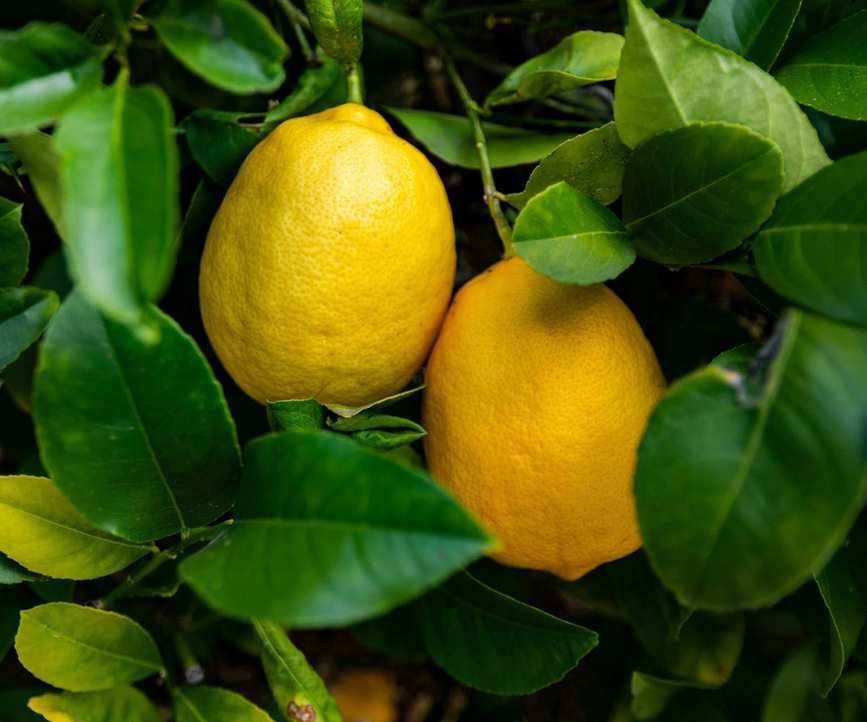
Meyer lemon trees are compact and perfect for indoor growth.
While having lemon trees indoors can seem luxurious, providing them with adequate light year-round transforms them into a valuable addition to your home. Not only do they serve as beautiful ornamental trees, but they also offer delicious fruit perfect for cooking, baking, or refreshing lemonade. Imagine enjoying a freshly picked lemon from your indoor tree in your favorite drink!



