
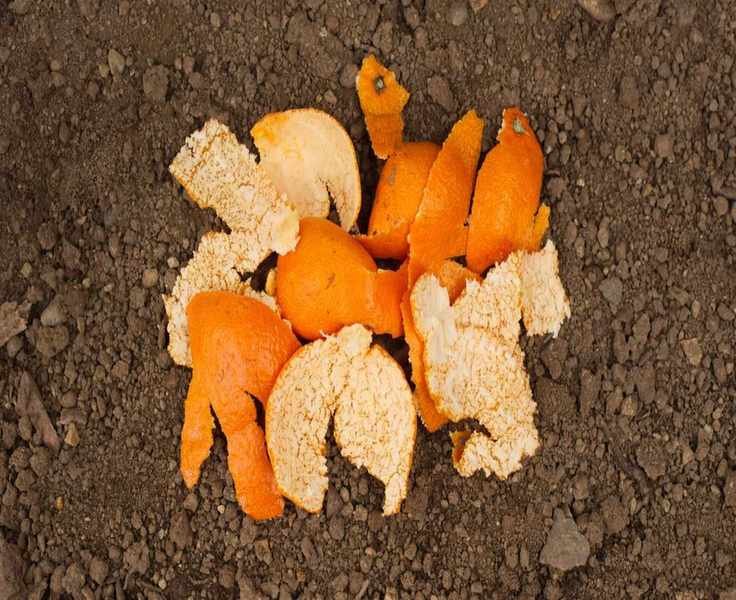
Utilizing kitchen scraps in gardening is a sustainable practice, but it can be challenging to determine the actual benefits they provide to your plants.
When considering compost ingredients, orange peels are a popular option. These citrus peels offer valuable nutrients as well as protection for your plants.
Experts share insights on the advantages of orange peels for plant health and optimal usage methods in your garden.
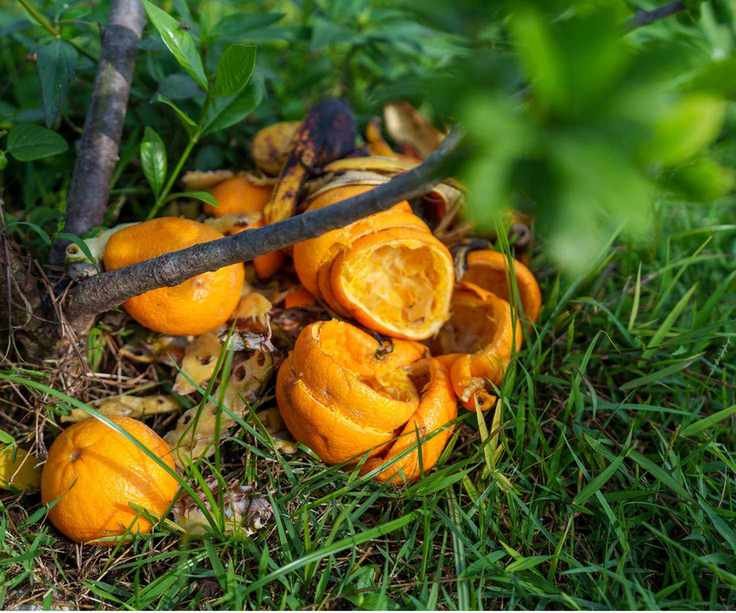
Are orange peels beneficial for plants?
Given their acidity, it's essential to use orange peels thoughtfully in the garden. Experts affirm that this food scrap can significantly support plant growth.
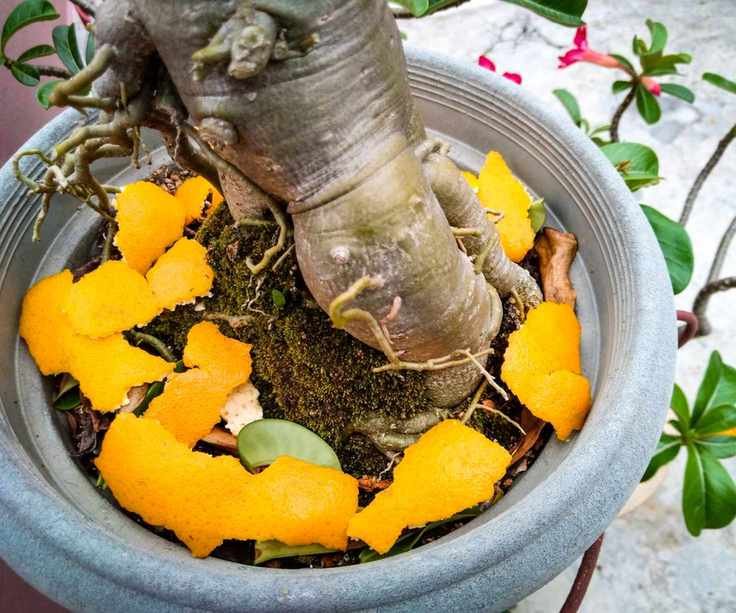
According to a plant expert, citrus peels like those from oranges and lemons supply phosphorus and potassium, both of which are advantageous for plants.
Nutrient ratios on fertilizers often list 'NPK', indicating nitrogen, phosphorus, and potassium levels. These elements are vital for plant development. Phosphorus from citrus peels aids in cell division and new growth, while potassium enhances drought resistance.
However, relying solely on orange peels isn't advisable. For optimal results, complement them with a fertilizer, such as an all-purpose fertilizer or indoor plant food, along with the peels. Additionally, consider various compost materials to maximize nutrient intake.
Seasoned gardeners note that orange peels can also serve as a natural pest deterrent.
The scent of orange peels effectively repels many pests, including slugs, aphids, ants, and fruit flies, according to a gardening specialist.

Applying orange peels in your garden
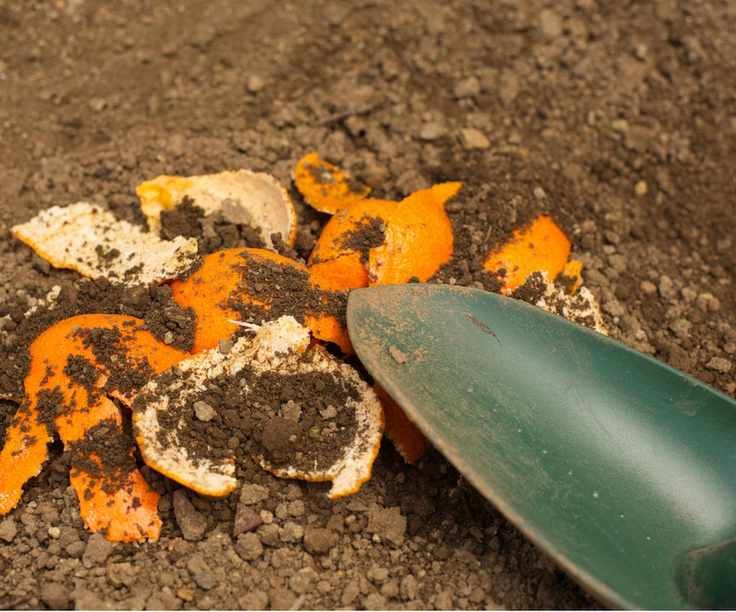
There are multiple strategies for using orange peels in your yard, depending on your gardening goals.
Experts advise against placing citrus directly on plants due to high acidity unless it's prepared as a pest-repelling spray.
If your garden prefers alkaline soil, proceed cautiously with citrus peels. However, they can acidify soil, benefiting acid-loving plants.
To harness the nutrients from orange peels effectively, mix them into your compost pile. This method allows the peels to break down over time, similar to using banana peels.
Conducting a soil test before adding nutrients is crucial to avoid deficiencies or adverse effects on the soil and plants.
If your goal is pest control, simply scatter orange peels around the base of your plants.

Common Questions
Which plants benefit from orange peels?
Citrus peels, including oranges, are particularly effective for plants that thrive in acidic conditions, such as hydrangeas and azaleas. Always check your plants' pH preferences before using orange peels.
Orange peels can enhance plant nutrition and fend off pests, but remember their acidity and decomposition time. For quicker composting, consider hot composting techniques to convert kitchen waste into nutrient-rich soil in just weeks.



