
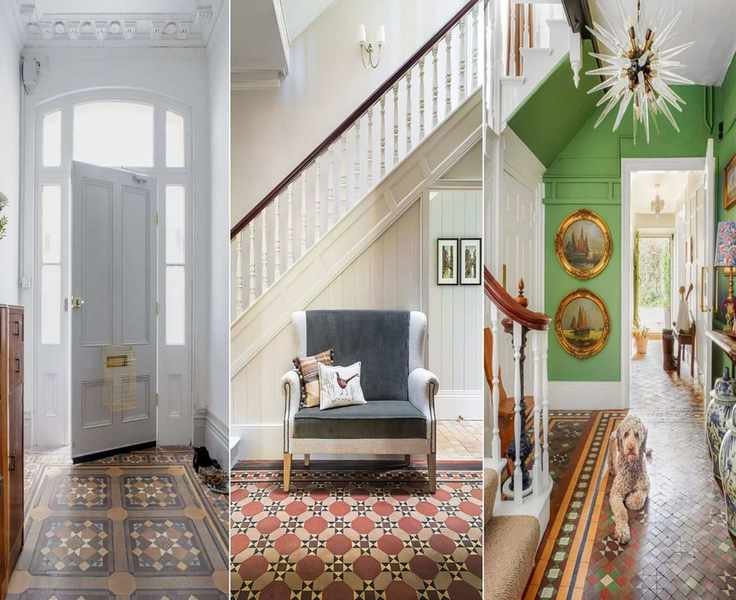
Victorian hallway tiles, once neglected, are now celebrated for their beauty and durability. Homeowners are rediscovering these historical gems, restoring them to their former glory.
These tiles are now recognized as essential features in homes, and replica designs are being integrated into various hallway concepts.
If you're aiming to revive the charm of your Victorian home or mimic the style, these design ideas will surely inspire you.
Victorian Hallway Tiles
Victorian homes boast many treasures, from original fireplaces to stained glass windows, but the iconic hallway tiles stand out. 'Geometric and encaustic tiled floors first appeared in public buildings during the Victorian era,' says an expert from The Vintage Floor Tile Company.
Whether you're restoring a lost mosaic floor, starting anew, or styling existing tiles, experts share tips for reviving your period entryway.
1. Choose Traditional Encaustic Tiles
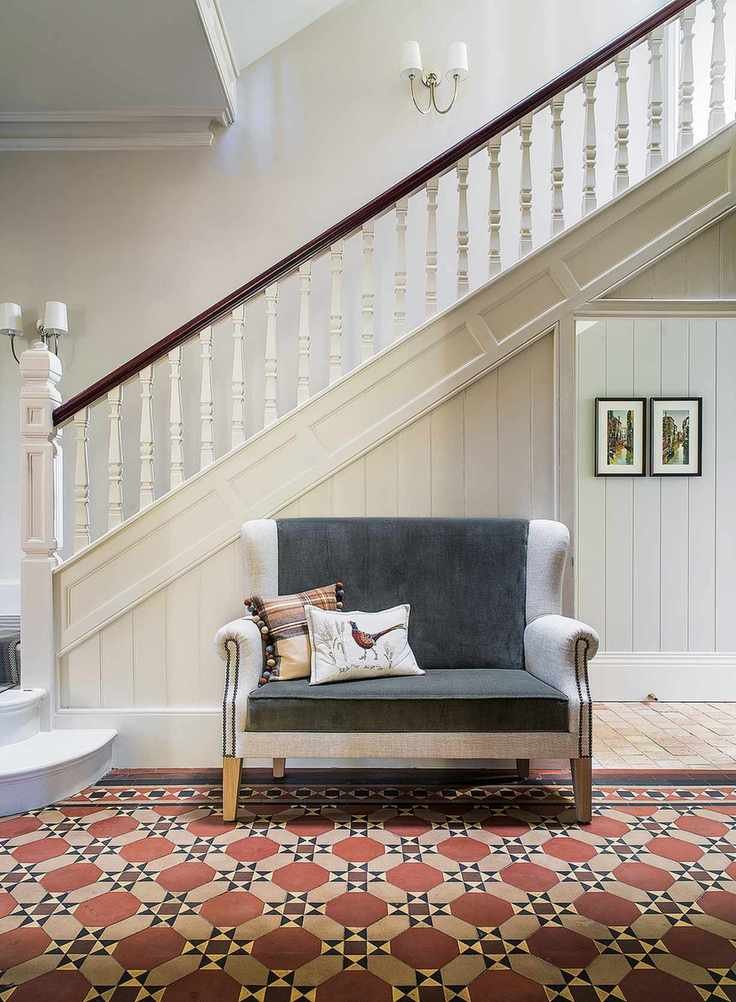
Victorian hallways typically featured encaustic tiles, made from various colored clays. 'Using individual tiles allows for flexibility during installation and a more authentic finish, which suits older properties with uneven surfaces. This traditional method requires more time than standard tiling, but the result is worth it,' explains an expert from Original Style.
When purchasing new encaustic tiles, check that the color is embedded throughout rather than just printed on top for durability.
2. Follow Historical Laying Patterns
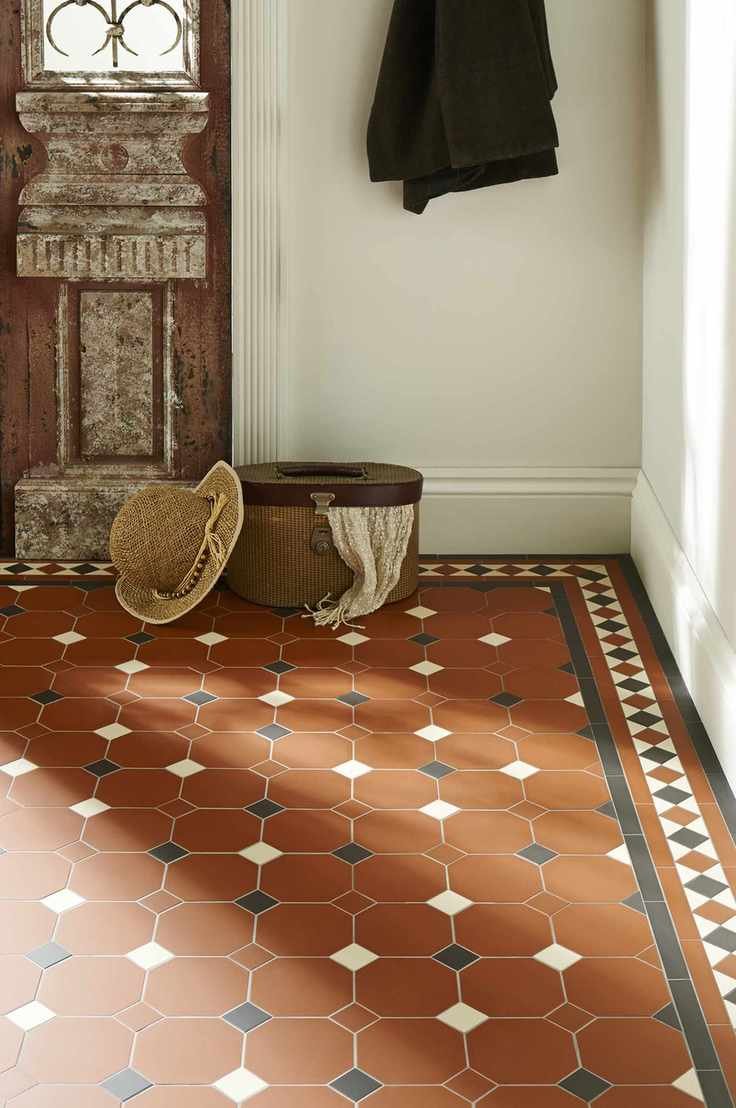
Traditional Victorian tiles are laid in geometric patterns, ranging from simple to intricate. Many companies, like Original Style, offer pre-designed combinations for ease of selection.
'For hallways, the classic octagon dot pattern is timeless, and its popularity extends beyond the Victorian era. You can keep it monochrome or add colored dots for a bold twist,' advises the expert. Custom designs are also an option if you're restoring a specific pattern.
3. Restore Original Tiles
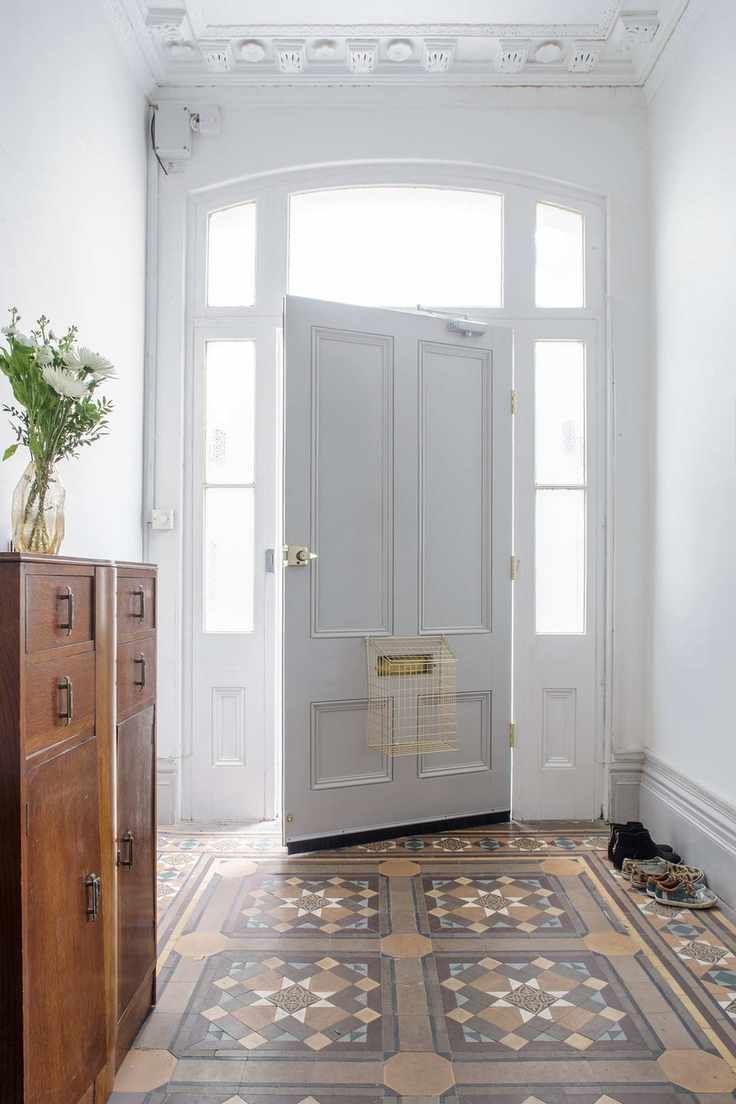
If your home has original Victorian tiles, restoring them is essential. 'Most tiled floors have withstood a century of wear. With some care, they can last another hundred years,' says an expert. Some tiles may require more attention, especially if they've been neglected.
With patience, you can restore their historic beauty. Tiles may be found under screeds, lino, or carpets, often stuck with adhesives. Removal requires caution, and using a wooden spatula with water or paint remover can be effective. Control water spread carefully; a wet towel left overnight can help.
4. Care for Encaustic Tiles Properly
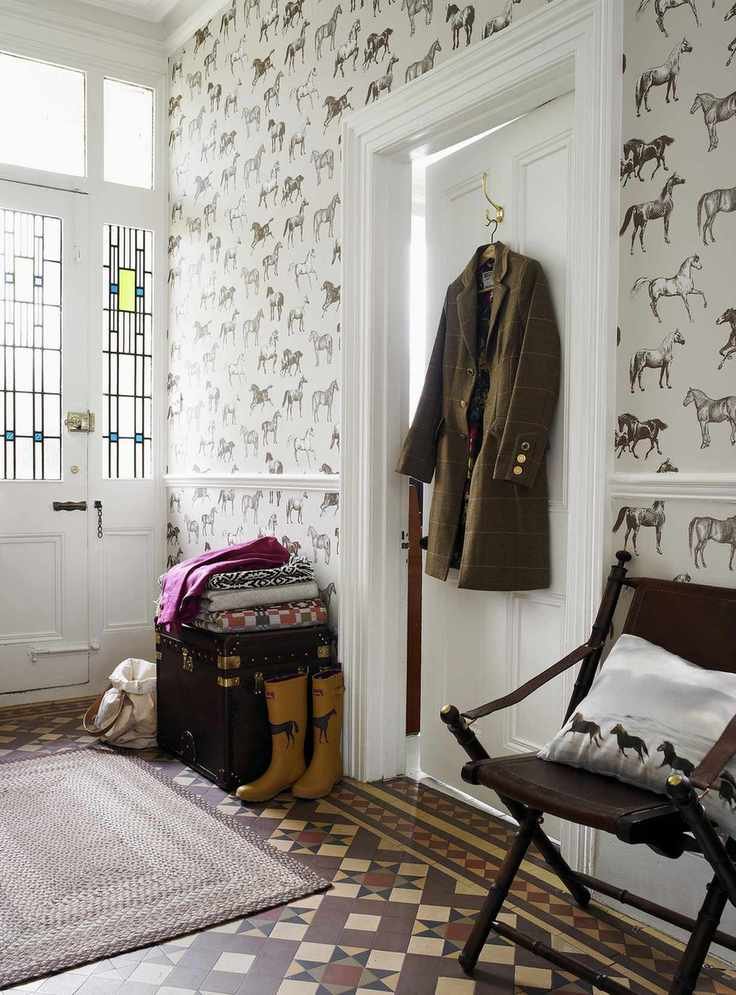
While traditional Victorian tiles are durable, proper cleaning is crucial for maintenance. 'Encaustic floors are easy to maintain, but grit and moisture can damage their surface. A quality doormat can help, but it needs regular shaking out. Regularly brush or vacuum the floors, and secure any loose tiles temporarily with duct tape,' suggests a tile expert. Stains can usually be cleaned with water or appropriate tile cleaners, but avoid soaking the floor.
5. Use Pastels for a Modern Twist
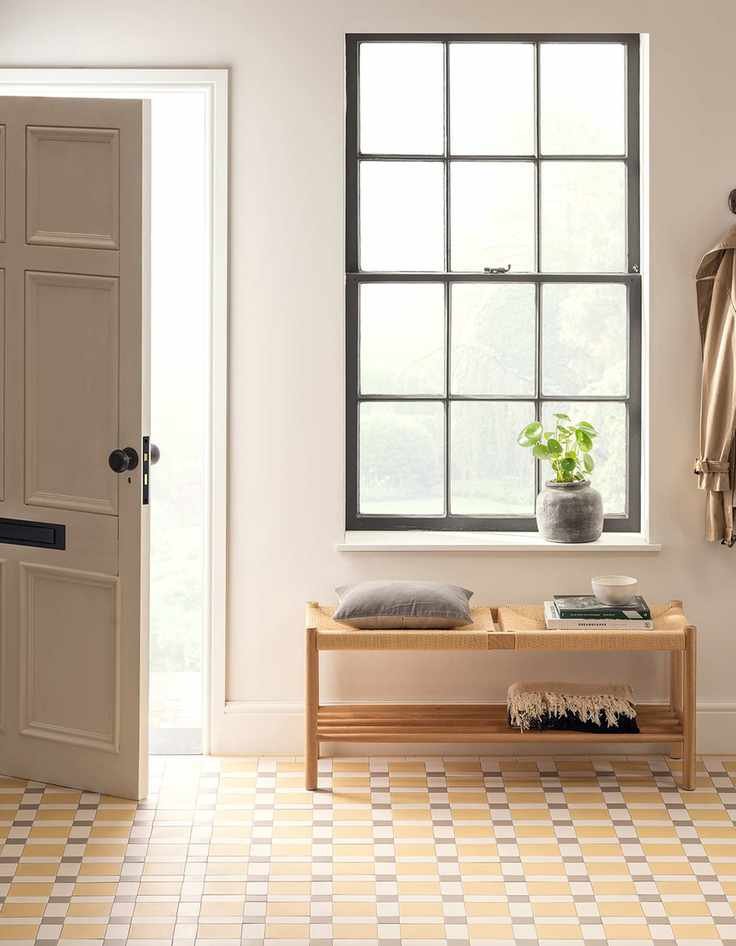
Traditional Victorian tiles often feature rich colors, but modern interpretations can employ soft pastels. Light shades like baby blue, green, pink, and yellow can brighten typically darker hallways while still honoring classic design.
6. Consider Reclaimed Tiles for Authenticity
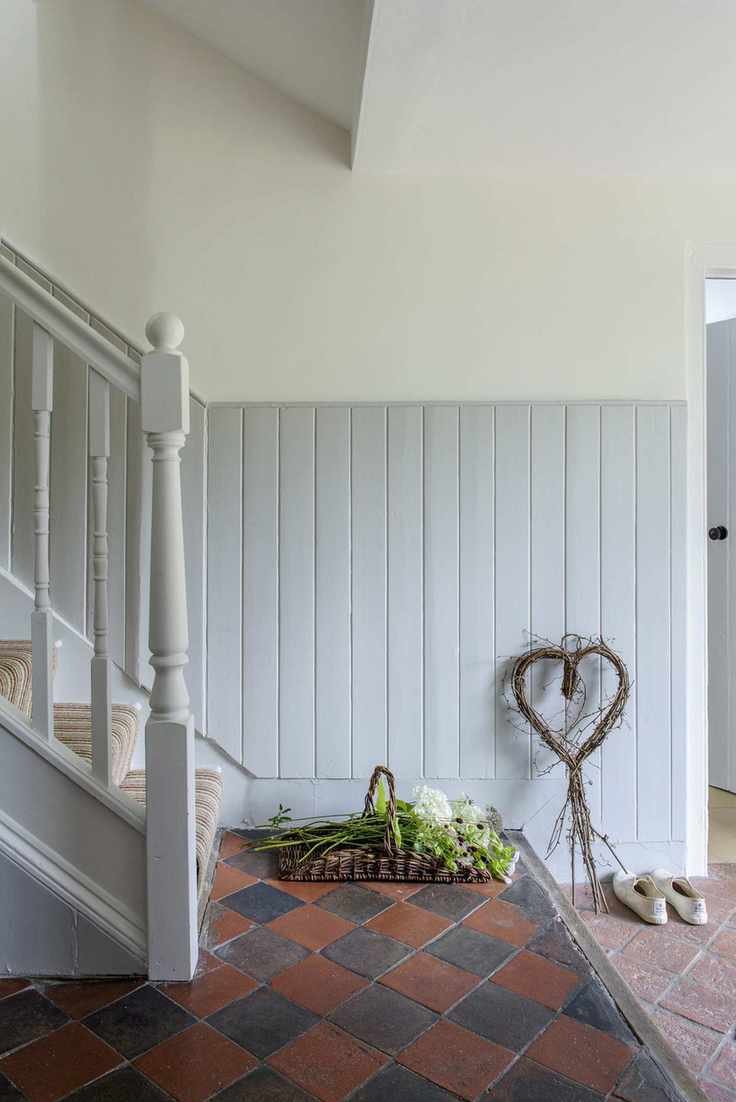
Reclaimed Victorian tiles add authentic charm to hallways. 'These tiles carry unique stories from various properties,' notes an expert. Sourcing enough reclaimed tiles for a full floor can be challenging, but they are excellent for repairs or extensions of existing floors.
7. Combine Rusts with a Touch of Blue
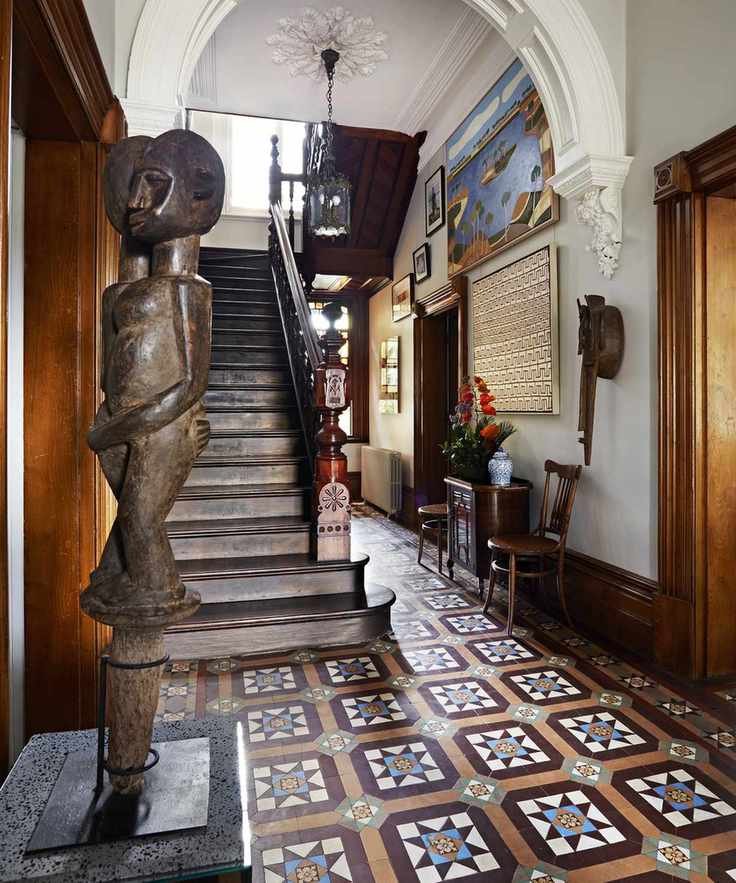
To recreate a Victorian aesthetic, opt for classic color combinations. 'Victorian tiling often features warm rusts and ochres accented with jewel tones like greens or blues,' suggests an expert.
8. Stick to Classic Chequerboard Designs
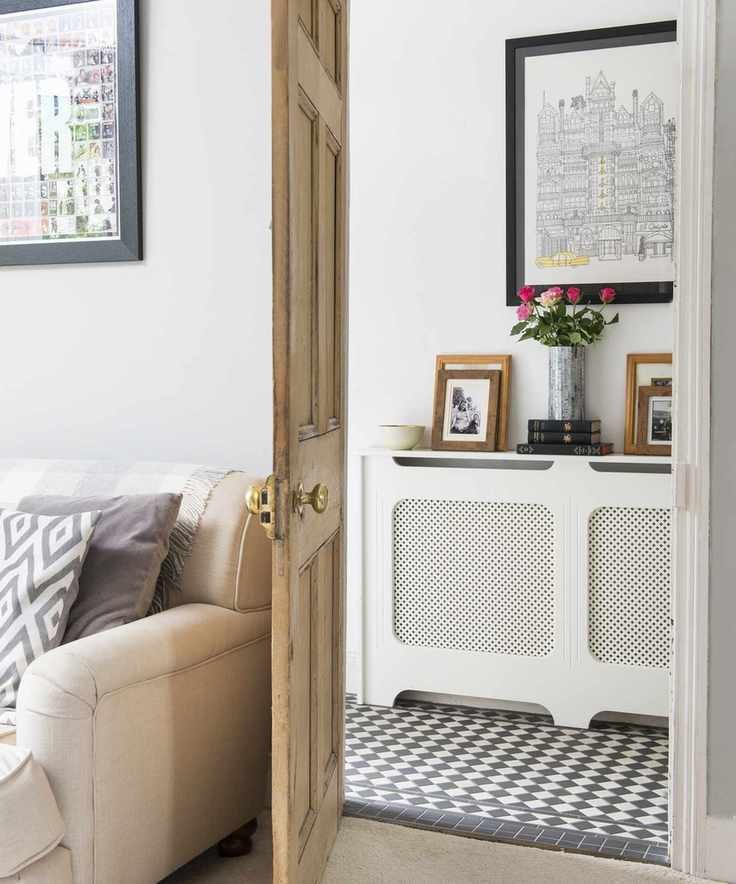
Classic chequerboard patterns are a safe choice for hallways. Smaller Victorian-style tiles work well even in narrow spaces. 'Our 'Dorchester' pattern uses smaller squares for a detailed look, while 'Oxford' features larger squares for a timeless appearance,' explains the expert.
While monochrome designs are popular, consider mixing colors for a modern touch, like grey, green, and white.
9. Add a Border to Your Pattern

Victorian tiled hallways often feature elaborate borders that enhance the central pattern. 'Borders can accommodate complex designs in hallways with multiple doorways and stairs,' notes a production director. Even smaller spaces can benefit from bold, contrasting borders.
10. Use Existing Tiles to Guide Your Color Scheme
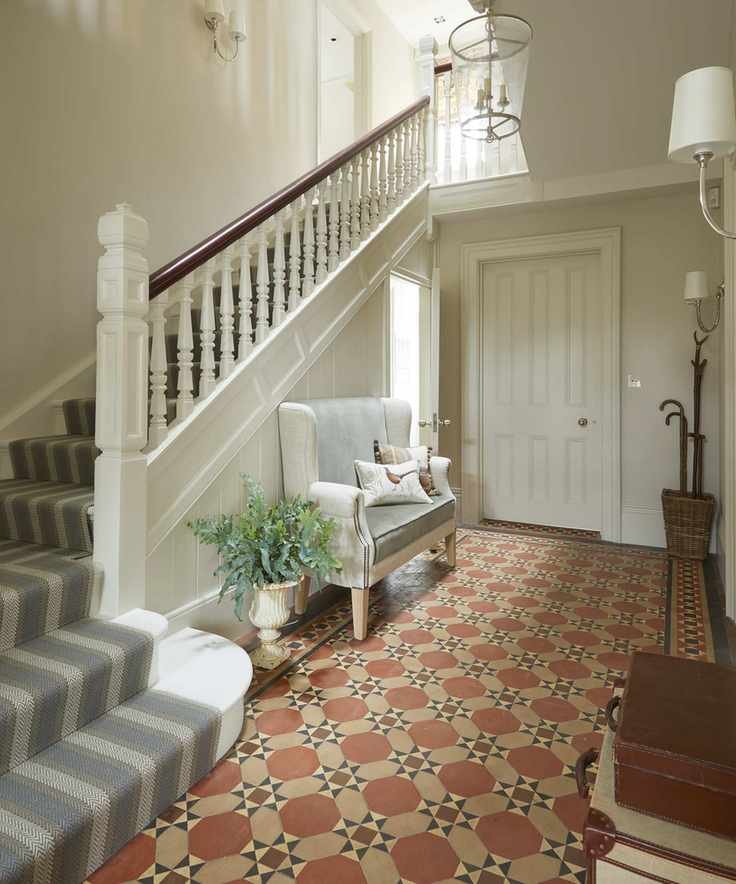
'Celebrating original features like floors and windows is key,' says a design director. Use these features to inspire your overall color palette, including hallway paint ideas.
Retaining the original tiles can influence the color scheme throughout your home, adding character and vibrancy.
11. Opt for Modern Colorways
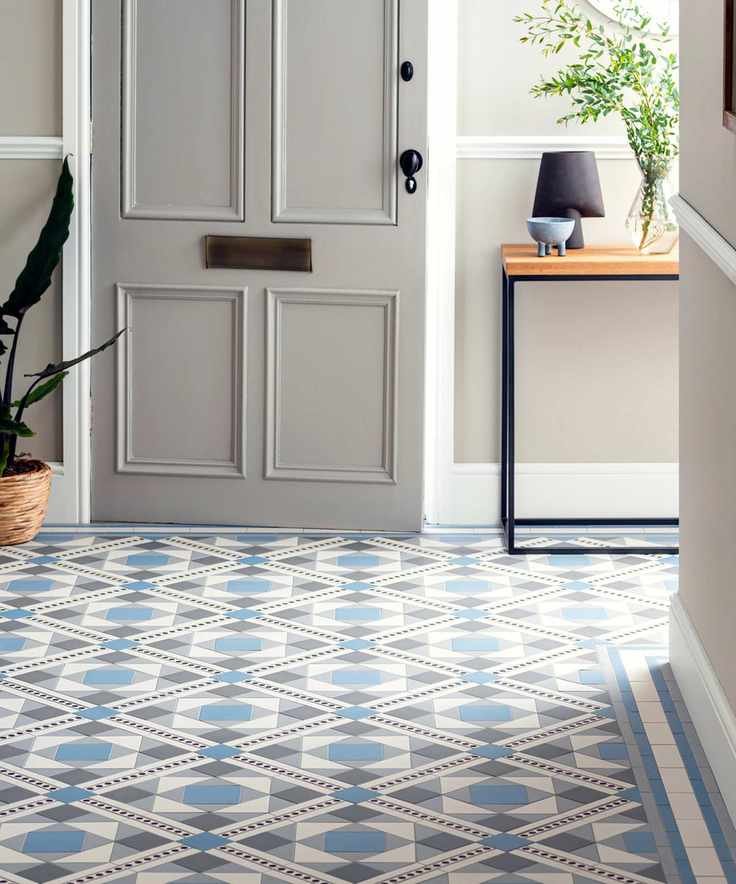
For those who love Victorian tiles but desire a contemporary flair, consider modern color schemes. 'We provide a variety of patterns and shapes, allowing for bold or subtle designs,' states the expert. Combining colors like blues, greys, and pastels can create a fresh take on traditional styles.
12. Keep Surrounding Decor Simple
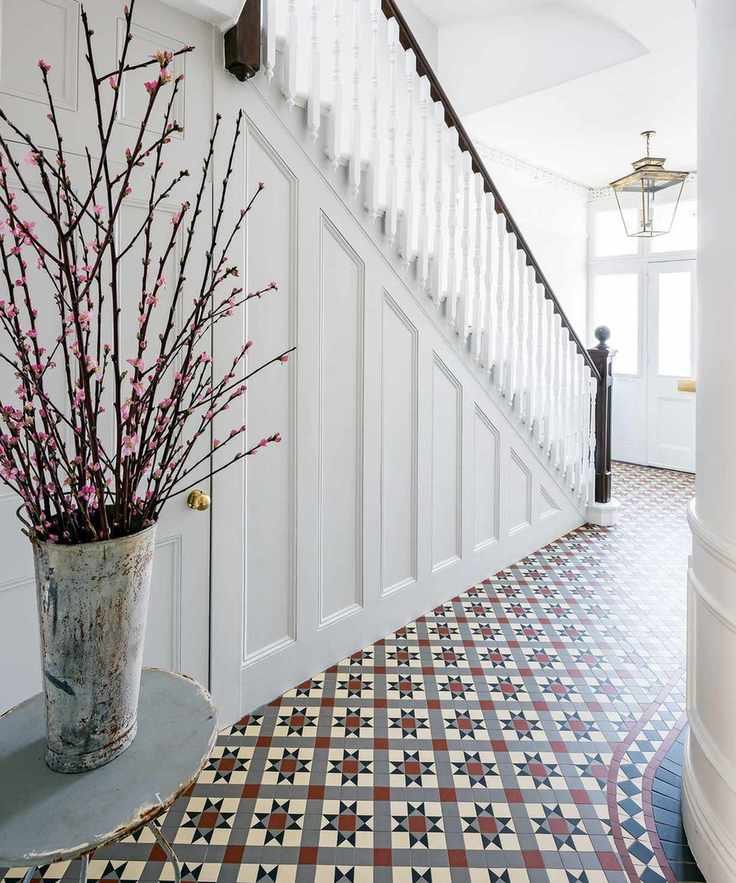
While Victorian hallways often featured furniture, maintaining a clutter-free space is essential to showcase floor patterns. 'Victorian tiles can serve as art pieces in a clear setting,' advises a production director. Discreet storage solutions help maintain order while allowing tiles to shine.
13. Pair Tiles with Stained-Glass Doors
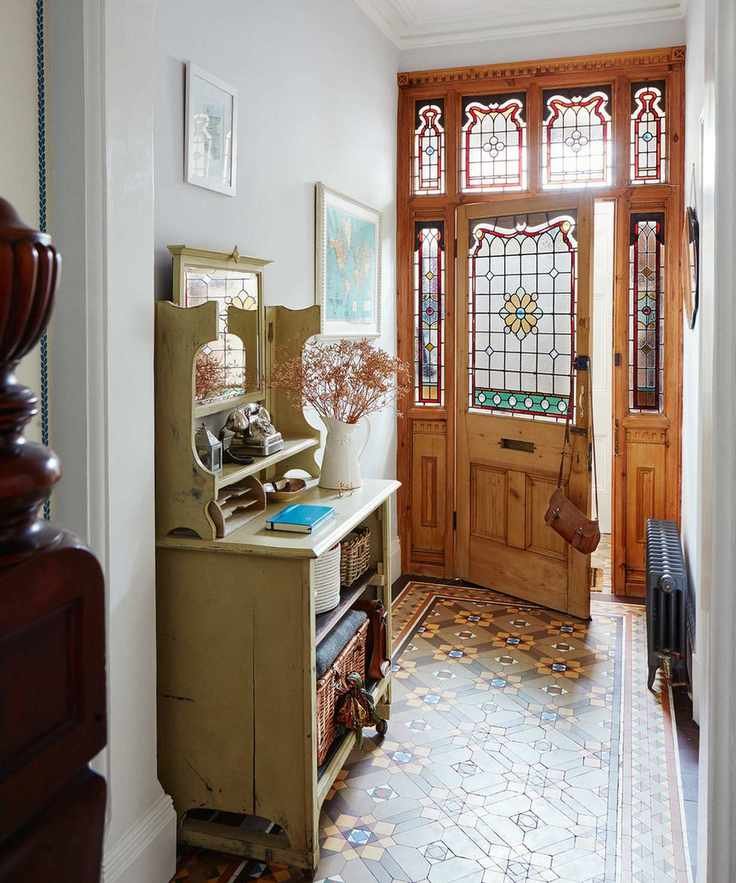
Combining tiled hallways with period features like stained-glass doors enhances the aesthetic. This entryway showcases intricate tiles alongside an ornate door, creating a cohesive Victorian design while keeping the space bright and modern.
14. Create a Chic Monochrome Look
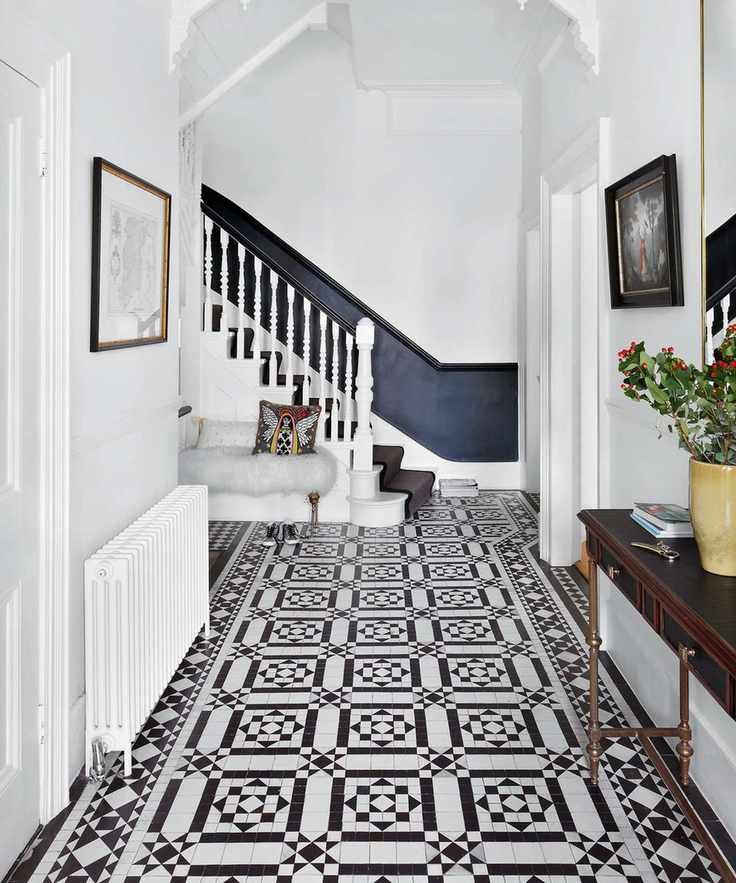
If color isn't your goal, a patterned black and white floor can add visual interest. Chequerboard patterns suit simpler designs, while more complex Victorian styles can create a striking focal point in a hallway.
15. Mimic Historic Patterns for Authenticity
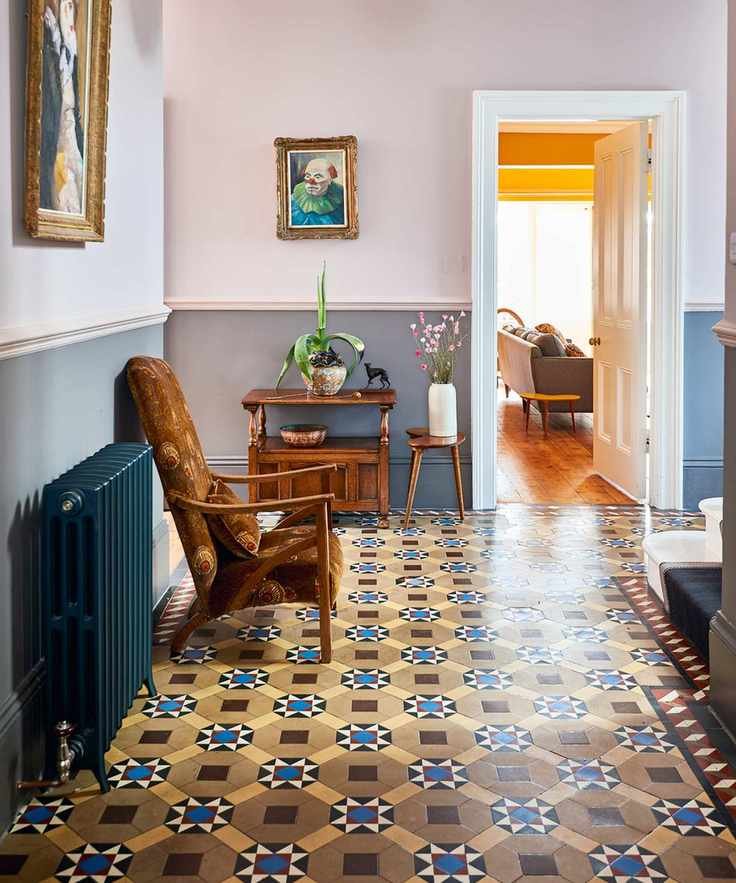
For true authenticity, replicate genuine 19th-century designs. 'Many companies produced beautiful Victorian tiles, resulting in a wide variety of patterns,' explains a production director.
16. Use Patterned Encaustic Tiles for a Mosaic Effect
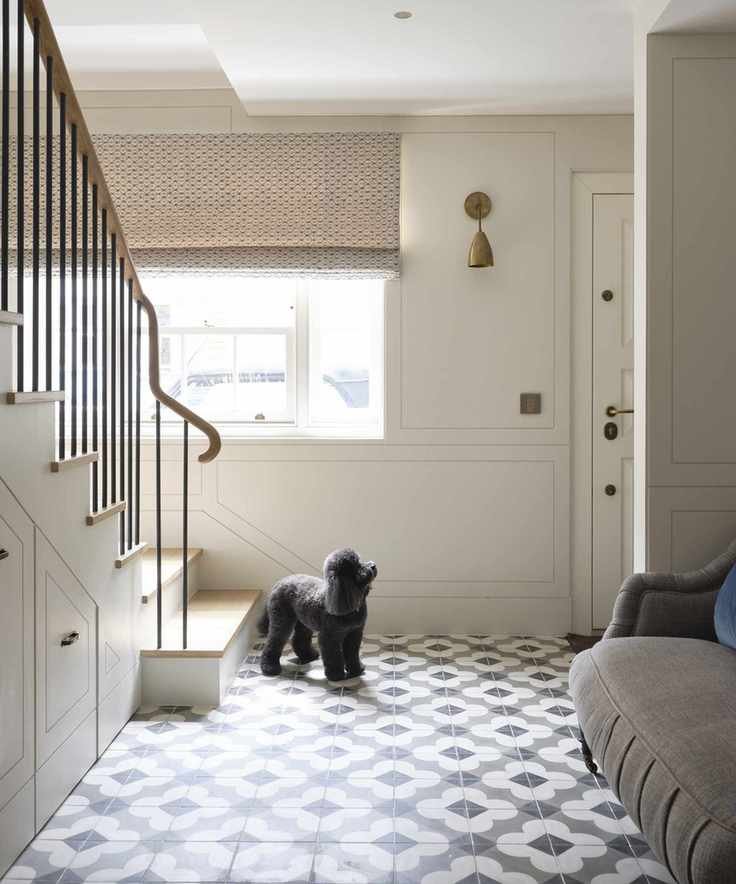
If creating an intricate mosaic is daunting, patterned encaustic tiles can achieve a similar look more easily. These colored cement tiles can form geometric designs with fewer pieces.
What Tiles Work Best for Hallways?
Given the high traffic in hallways, durable tiles are essential. Porcelain is a popular choice due to its resilience and ease of cleaning, but encaustic tiles are also favored for their timeless appeal.
'Victorian-style encaustic tiles are incredibly durable and stylish, making them ideal for homes. They are easy to maintain and perfect for incorporating patterns and color,' highlights an expert.
What Are Victorian Floor Tiles Made Of?
Traditionally, Victorian tiles are ceramic, and modern versions retain this quality.
'Our Victorian tiles are crafted from clay and powdered glazes, then kiln-fired for a matte finish in various colors,' states an expert.
If considering reclaimed tiles, proceed cautiously. 'These can be found at salvage centers, but variations in color and design exist due to the many factories producing them in the Victorian era,' explains a production director.
'Victorian tiles were batch-produced and fired in coal kilns, leading to slight size variations. The skill required to work with these variations during installation is often overlooked today but deserves appreciation.'


