
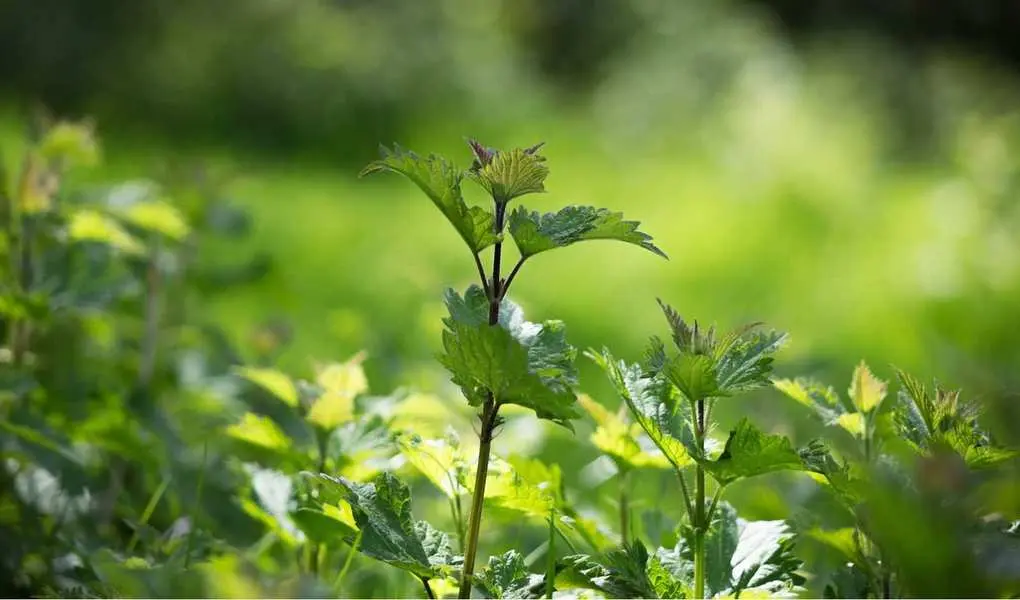
Weeds are simply unwanted plants that compete for nutrients and space in your garden, often spoiling the beauty of your flowerbeds and lawns.
To effectively manage weeds, knowing how to eliminate them is essential. Using vinegar as a natural herbicide might be a solution you've considered, similar to baking soda.
To help you out, we consulted gardening experts to determine if vinegar is a viable option for weed control.
Can Vinegar Kill Weeds?
According to gardening professionals, vinegar is effective against weeds due to its acetic acid content, which damages plant cells and acts as a natural herbicide.
However, there are some important considerations to keep in mind. Here's what you should know.
What Types of Weeds Can Vinegar Eradicate?
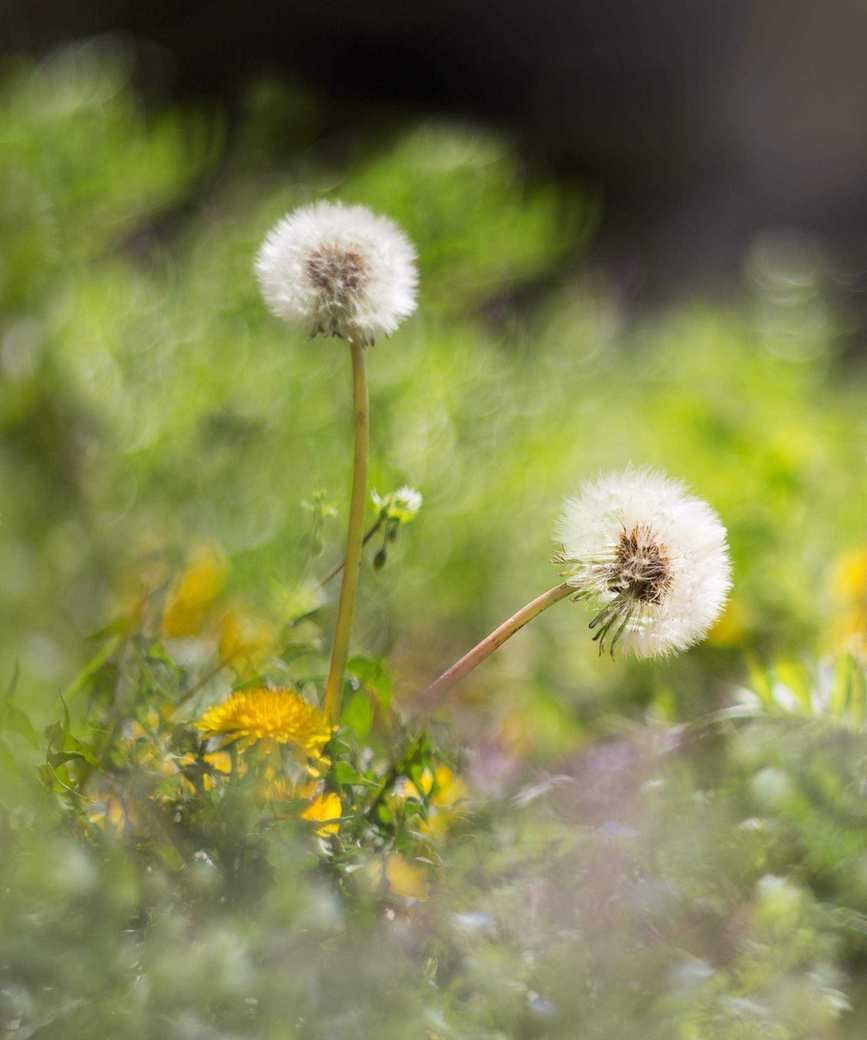
Vinegar works best on younger, annual weeds, as explained by gardening expert Rachel Bull. 'Younger weeds with softer stems and shallow roots are generally more vulnerable to the acidity of vinegar, while older, woody weeds are tougher to eliminate,' she notes.
Additionally, the vinegar's strength matters. 'Household vinegar usually has about 5% acetic acid, which is effective for young weeds but less so for established ones,' Rachel adds.
For tougher weeds, consider using a stronger vinegar solution. 'I recommend horticultural vinegar with 20-30% acetic acid for the best results,' says gardening expert Ben McInerney. 'It's important to choose the right strength to minimize any negative environmental impact.' You can find horticultural vinegar online, like this vinegar weed killer from Amazon.
Using vinegar can acidify your soil, which may affect plant health.
Timing is crucial as well; vinegar is most effective when applied on sunny, warm days without rain forecast. 'I've seen notable wilting just hours after application in the sun,' Ben explains. This also helps prevent vinegar from affecting nearby plants.

Rachel is a seasoned gardening writer, floral designer, and flower grower with over 15 years of experience.

Ben has over 20 years of industry experience as a gardening expert and arborist.
Drawbacks of Using Vinegar for Weed Control

While vinegar may be appealing, its effectiveness can vary depending on the type of weeds you have. Older, established weeds or perennials often grow back from their roots even if their foliage is killed.
'Vinegar mainly targets the leaves and may not destroy the root system of perennial weeds, requiring multiple applications,' says Ben. 'Using vinegar is best as part of a comprehensive weed management strategy.'
It's crucial to eliminate weeds without harming grass or desirable plants. 'Vinegar is a non-selective herbicide, meaning it can kill any plant it touches,' warns Susan Brandt, co-founder of a gardening service. 'Be cautious to protect surrounding greenery if you use vinegar.' You might also consider it to remove weeds from gravel.
Consider the potential effects on soil. 'While vinegar is eco-friendlier than chemical herbicides, it can still change soil pH if used excessively,' Susan notes. 'This can affect soil fertility over time.'
Handle vinegar with care. 'Although it's safe for food, concentrated forms can irritate skin and eyes,' Susan cautions. 'Use proper protective gear if you apply vinegar in the garden.' These gardening gloves from Amazon can help prevent irritation.

Susan is a knowledgeable gardener and co-founder of a specialized gardening service.
How to Use Vinegar for Weeding

If you want to try vinegar as a weed killer, create your own mixture:
- 1 gallon of vinegar
- 1 tablespoon of liquid dish soap (helps the solution adhere)
- 1 cup of salt (enhances effectiveness)
Combine these ingredients in a large container, then transfer to a spray bottle. Apply the mixture directly to the weeds, thoroughly coating the leaves.
Avoid spraying other plants, especially on windy days.
Complementary Methods for Weed Control
While vinegar can kill weeds, pairing it with other weed control methods can yield better outcomes. Effective weed management often requires a mix of strategies.
Consider pulling weeds by hand or using tools like a hoe or weed puller, such as this one from Amazon.
'Preventive measures are also essential,' Susan advises. 'Keeping garden beds healthy limits space and resources for weeds. Mulching around plants helps block sunlight and reduces germination.
'If weeds persist, consider using alternative herbicides designed for specific weed types, and follow manufacturer guidelines closely when applying any chemical herbicides.'
Shop for Weed Control Essentials Online
Glass Spray Bottles With Silicone Sleeve Protection
These 16oz refillable spray bottles feature adjustable nozzles and a protective silicone sleeve.
Green Gobbler Vinegar
This 20% vinegar weed killer claims to effectively eliminate dandelions, crabgrass, and more.
Fiskars Ergo Weeder
This garden tool is ideal for uprooting invasive plants and weeds.
FAQs
Does Vinegar Permanently Eliminate Weeds?
Vinegar can kill most broadleaf weeds, but may only destroy the above-ground parts, allowing the roots to regrow. Stay vigilant and promptly remove any new growth.
Is Bleach More Effective than Vinegar for Weeds?
While bleach is more effective against mature weeds, it's also harmful to desirable plants and can damage soil health.
Ultimately, effective weed control requires a tailored approach that may involve experimenting with various methods to achieve optimal results.



